
How to Plan the Perfect Family Trip to Vanuatu
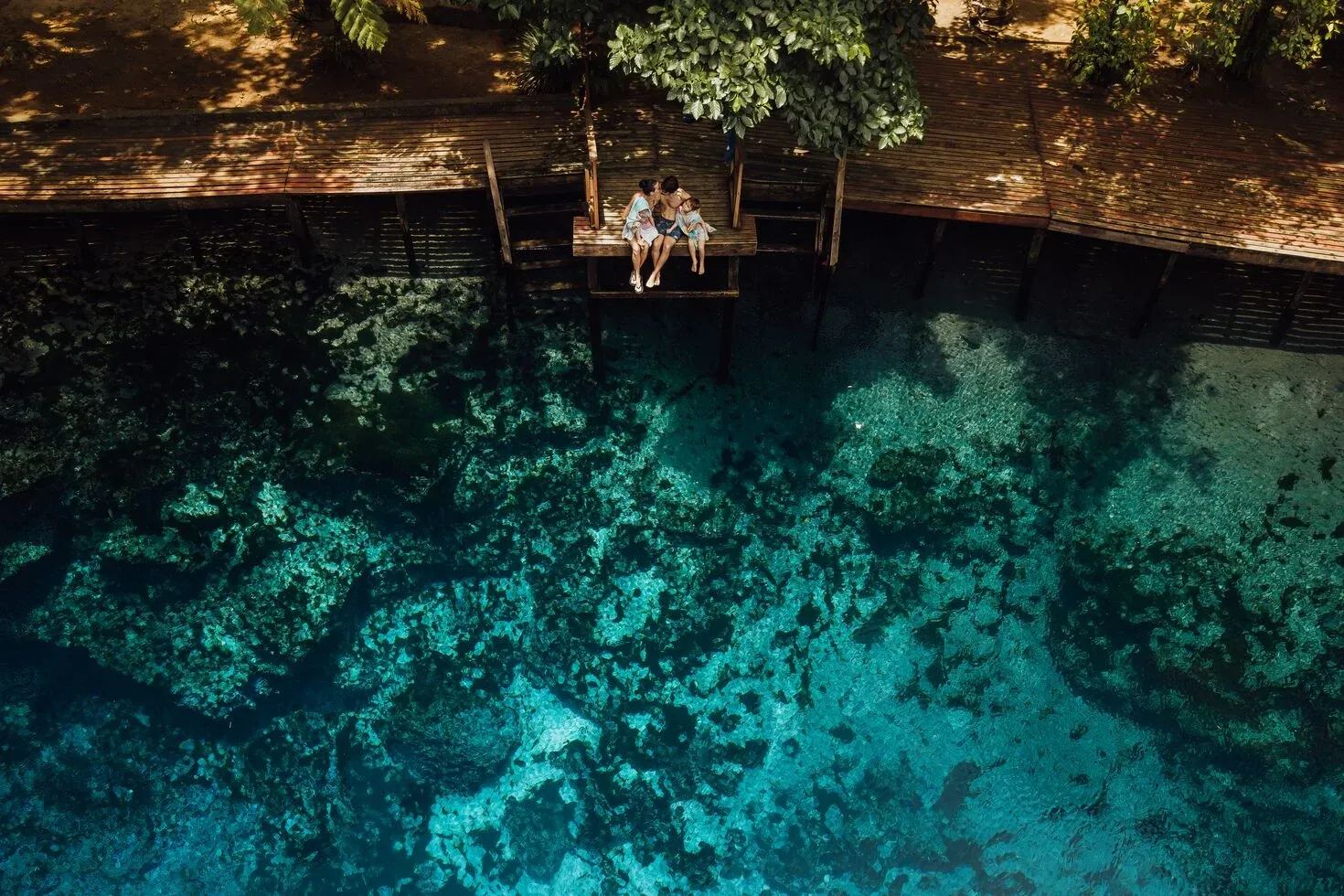
With blue holes made for splashing, beaches built for sandcastle engineering and island adventures that feel exciting without needing to be extreme, Vanuatu is one of those rare South Pacific destinations that works beautifully for the whole tribe. One day, you could be kayaking across a calm lagoon near Port Vila, the next you could be swimming in clear freshwater pools on Espiritu Santo, exploring cultural villages or watching the glow of Mt Yasur on Tanna with older, more adventurous kids.
The trick to a successful family holiday in Vanuatu is not trying to do everything. With 83 islands, domestic flights, boat transfers and different levels of facilities across the country, this is a place where slowing down usually makes the trip better. Choose the right base, keep travel days light, book accommodation with space to spread out and leave plenty of time for pool sessions, beach mornings, snacks, naps and those wonderfully random kid-led moments that never appear on the itinerary.
Vanuatu also makes family travel feel meaningful. Children can learn about kastom traditions, taste market fruit, meet friendly locals, paddle over reefs, hear island languages and discover that “adventure” does not always mean theme parks, queues or screens. It might mean a rope swing, a waterfall, a sandy walk to dinner or a boat ride where everyone’s hat nearly escapes.
So, how do you plan a family trip to Vanuatu? You’re in exactly the right place. This guide covers how to get there, when to visit, what to pack, where to stay, how to get around, what to do, where to eat and how to budget for travelling Vanuatu with kids in tow.
This article is based on real on-the-ground research, not on AI scraping old content from the internet. Learn how we use AI!
Table of Contents
An Intro to Vanuatu
Location: Vanuatu is an independent island nation in the South Pacific Ocean, located around 1,750 km (1,087 mi) east of northern Australia, 500 km (310 mi) northeast of New Caledonia and 1,300 km (808 mi) west of Fiji. Find out more in Where is Vanuatu Located?
Size: Vanuatu’s land area is 12,189 km² (4,706 mi²), made up of around 83 mostly volcanic islands stretching in a north-south chain. Some of the main islands for travellers include Efate, Espiritu Santo, Tanna and Malekula.
Climate: Temperature: 23-30°C (73-86°F), yearly average rainfall: around 2,400 mm (94 in), and moderate to high humidity throughout the year. Vanuatu has a dry season from May to October and a wet season from November to April. Find out more in Vanuatu Weather, Seasons & Climate + Weather by Month.
Time zone: UTC/GMT +11.
Find out more in What is the Vanuatu Time Zone?
Population: 300,019 as of November 2020.
Find out more in Who are the People of Vanuatu?
Languages: Bislama, English and French.
Find out more in What is the Vanuatu Language?
How to Get to Vanuatu
What is the best way to get to Vanuatu for a family holiday? Vanuatu can be accessed by flight, cruise ship or private sailing yachts, but for most families, international flights are the most practical way to arrive. After all, there’s only so much “are we there yet?” one travel day can handle.
Planning your route, luggage, arrival paperwork and first night carefully will make the whole process smoother, especially if you’re travelling with young children, prams, car seats or the type of snack supply that somehow takes over half your carry-on.
Flying to Vanuatu
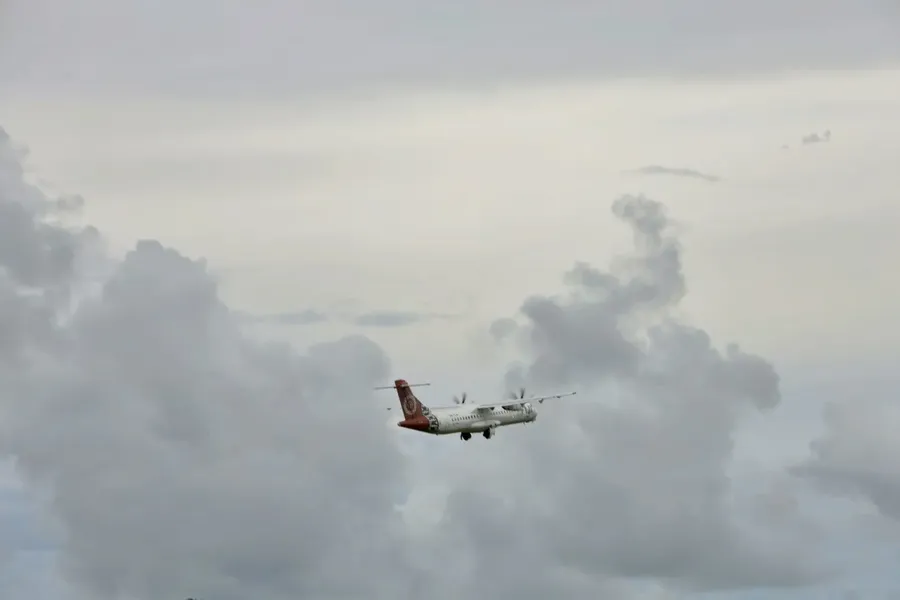
Direct international flights to Vanuatu come from Australia, New Zealand, Fiji and New Caledonia. If you’re coming from further afield, the most useful connections can be made in Australia, New Zealand or Fiji. For families, the easiest route is usually the one with the fewest connections, not necessarily the one that saves a tiny amount on airfare.
See our guide, Which Airlines Fly Directly to Vanuatu? for more advice.
Most international arrivals land at Bauerfield International Airport (VLI) in Port Vila on Efate Island. This makes Efate the easiest first stop for families, especially if you want to settle in before adding domestic flights or outer-island transfers.
Find out more about the airport and what to expect in Airports in Vanuatu: Where Can You Fly to in Vanuatu?
Cruises to Vanuatu
Vanuatu is on the itinerary of several South Pacific cruises from New Zealand, Australia and the US, as well as round-the-world cruises from Europe. There are several ports of call in Vanuatu, including Port Vila (Efate), Luganville (Espiritu Santo) and Mystery Island (Aneityum).
Cruises can be an easy family-friendly way to get a taste of Vanuatu without organising interisland transport, accommodation and meals yourself. The downside is that your time ashore is limited, so choose simple activities close to port rather than trying to squeeze in a “we can definitely do everything” kind of day.
Find out about which cruise liners have Vanuatu on their itinerary, as well as what to do at each port of call in the 10 Best Cruises that Go to Vanuatu.
Sailing to Vanuatu
If you happen to have access to a yacht, Vanuatu is a well-placed stop in the South Pacific. For most budget travellers, however, sailing is less of a cheap transport option and more of a specialist travel style with its own formalities, customs processes and entry requirements.
For families arriving by yacht, the key is to understand the arrival formalities before you reach land. Yachts arriving from overseas need to inform Customs of their arrival at least 24 hours before their ETA and clear in at an official port of entry, such as Port Vila, Luganville, Lenakel or Sola. Yachts must also fly the yellow Q flag and report to Customs before being granted an Inter-Island Cruising Permit.
Learn about the sailing formalities and ports of entry in our Sailing Guide to Vanuatu: Tips for Yachting in Vanuatu.
A Note About Visas
Many families can enter Vanuatu visa-free on arrival if they meet the entry requirements and are from a visa-exempt country. You’ll need a passport with at least six months’ validity, a return or onward travel ticket, sufficient funds for your stay and a stay of less than 120 days.
If a traveller is under 18 years old, written consent from parents or legal guardians may also be required. In short, don’t leave the family paperwork until the night before departure unless you enjoy turning the kitchen table into a tiny immigration office.
Learn more about this process in our guide, Vanuatu Tourist Visa: Do You Need a Visa to Visit Vanuatu?
An Extra Note on Customs Declarations
Vanuatu has strict biosecurity measures at the border to stop unwanted pests and diseases from entering the country. Therefore, anyone arriving in Vanuatu has to declare any “risk goods” they have packed in their luggage, including food, plant products, animal products, used outdoor gear, used camping equipment, alcohol or tobacco above the duty-free allowance.
This is especially worth remembering if you’re travelling with snacks, baby food, medicine, sports gear, hiking shoes or beach equipment. Not all declarable items are prohibited, but they still need to be declared so a Customs or Biosecurity Officer can check them.
A separate Passenger Arrival Card must be completed for each passenger, including children, so keep passports, flight details, your Vanuatu accommodation name and a pen handy before landing.
Not all declarable items are prohibited, but they still need to be declared so a Customs or Biosecurity Officer can check them. In other words, declare it first and avoid turning your arrival into a very awkward episode of “what’s in your bag?”
Be sure to read up on Arriving in Vanuatu: Airport Customs, Biosecurity & Arrival Process so you are prepared.
Check out our complete guide on How to Get to Vanuatu for even more tips on making your way to the islands.
When to Visit Vanuatu
Vanuatu is a tropical country and experiences warm temperatures throughout the year, as well as high humidity. It has two distinct seasons: a dry season, which is cooler and drier, and a wet season, which is hotter, wetter and more humid.
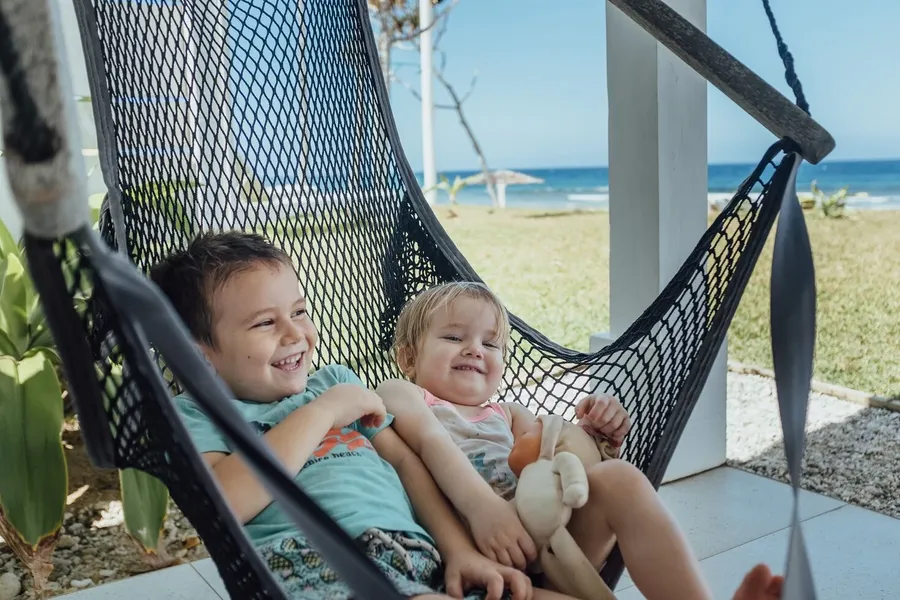
The best time when you're travelling with kids is usually the time that makes everything easiest: manageable heat, fewer weather interruptions, reliable transport days and enough outdoor time before everyone melts into a puddle of sunscreen and snacks.
Learn more about the climate in our guide, Vanuatu Weather, Seasons & Climate + Vanuatu Weather by Month.
Dry Season (May to October)
The dry season is the most popular time to visit Vanuatu, not only for the warm daytime temperatures of around 26-28°C (78.8-82.4°F) but also the lower (but not exactly low, this is still the tropics) rainfall compared to the rest of the year.
For families, this is the easier season for beach days, snorkelling, waterfalls, walking, boat trips and sightseeing without needing as much wet-weather backup. It’s also a good time for outdoor adventures like hiking, whale watching from July to October and experiencing cultural events such as the Naghol land-diving ceremonies between April and June.
The downside? Popular travel months can mean higher demand for flights, accommodation and tours, especially during school holidays. Book earlier, compare several islands and don’t assume the cheapest bed will still be sitting there waiting for you like a loyal travel companion.
Wet Season (November to April)
The wet season is hotter and more humid, with daytime temperatures around 29-30°C (84.2-86°F) and higher rainfall. This is also the South Pacific’s cyclone season, which means there’s a risk of cyclones (but only a risk, which you can learn more about in A Guide to Cyclone Safety in Vanuatu).
Families can still visit during the wet season, but flexibility becomes much more important. Plan outdoor activities earlier in the day, leave space between island transfers and keep a few easy indoor, resort-based or town-based options in mind for rainy spells.
The wet season can also mean cheaper accommodation, fewer tourists and more availability. Just note that some resorts close for maintenance for a couple of weeks during quieter months, especially around February, so check opening dates before promising the kids a pool.
The Best Time to Visit Vanuatu for Families
For most families, May to October is the best time to visit Vanuatu. The cooler, drier conditions make it easier to enjoy beaches, blue holes, waterfalls, markets, cultural activities, short walks and boat trips without planning every day around heat, humidity or heavy rain.
If you’re not tied to school holidays, September and October are especially useful months to consider, with warm temperatures, good outdoor conditions and often fewer crowds than the busiest holiday periods. November can also work as a shoulder-season option, although it does sit at the start of the wet season.
Still can’t decide when the best time is to travel to the islands? Check out our complete guide, The Best Time to Visit Vanuatu, which dives much deeper into the subject.
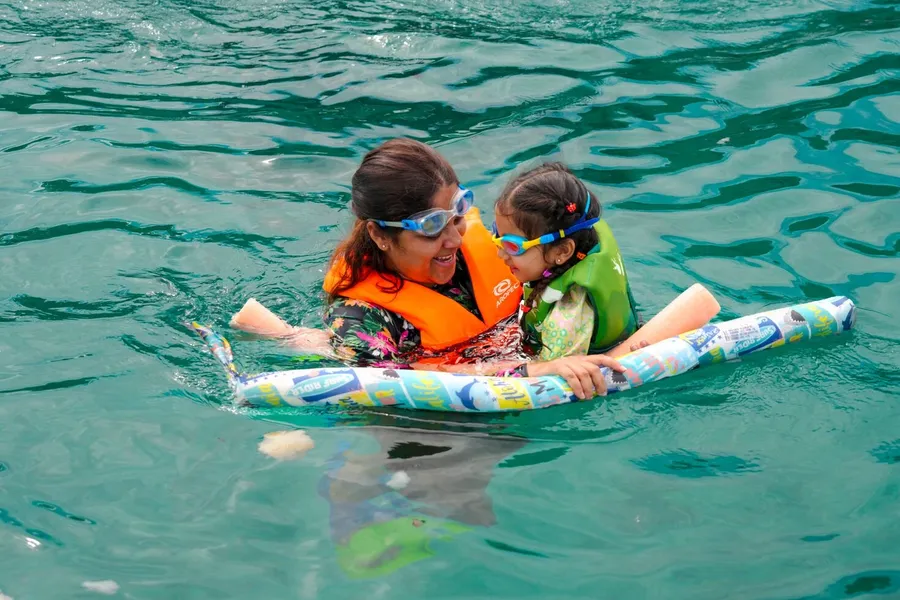
Tobowon Tours & Transfers
from AU$130
What to Pack for Vanuatu
The main thing you need to keep in mind when packing for Vanuatu with kids in tow is having light, practical gear for warm weather, beach days, village visits and island transfers. Vanuatu enjoys warm weather year-round, with daytime highs around 28-30°C (82-86°F), so think breathable clothes, sun protection and just enough spare outfits to survive the inevitable “how did you get that muddy?” moment.
A family packing list for Vanuatu might look a little something like this for each family member (where applicable):
- 4 Singlets/T-Shirts
- 2 Blouses/Shirts for sun protection and visiting villages
- 2 Shorts/Skirts which are not too short, as Vanuatu is still a relatively conservative country
- 1 Dress/Skirt below the knee for church. We recommend light fabrics such as the sustainable bamboo dresses and skirts by Moso Morrow
- 1 Sarong for women to wear around the waist in traditional villages. These are available to purchase in Vanuatu.
- 1 or 2 Light sleepwear if you're against sleeping in your undies
- 1 Light Cardigan/Pashmina/Poncho for windy or rainy days
- 1 Sports Shorts/Leggings for hiking and active activities
- 1 Sports T-Shirt/Singlet for hiking and active activities
- 1 Outfit to Travel Between Vanuatu and Home
- 3 Bras including strapless, sports and comfortable bras
- 6 Underwear
- 4 Socks
- 1 Bikini for resort beaches and pools
- 1 One-Piece for swimming tours and public beaches
- 2 Boardshorts
- 2 Rash Vests (we like sustainable Sharkskin rashies)
- Sunhat
- Sunglasses
- Light Shirt to cover arms and back
- Light Rain Jacket
- Flip-Flops/Sandals
- Walking Shoes/Sneakers
- Reef shoes/Water shoes.
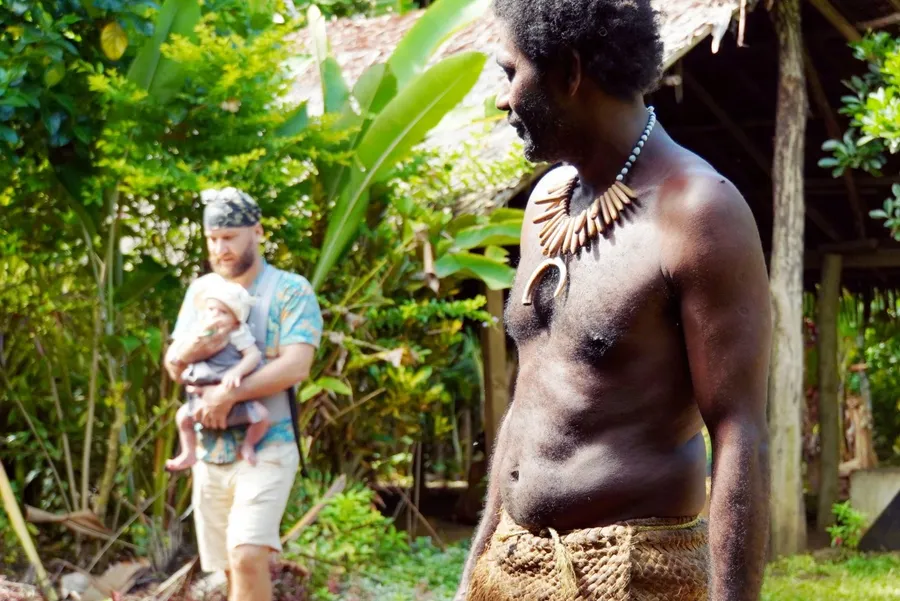
When visiting remote villages in Vanuatu, women should be mindful that pants and shorts aren’t welcome in some traditional settings, so a sarong is a handy little lifesaver. For children, lightweight clothes that cover shoulders and knees can also be useful for village visits, church areas and sun protection. Learn more about local customs in Ni-Vanuatu Etiquette: Vanuatu Customs & Traditions.
Extra Things to Pack for Kids
When travelling with the little ones, the best extras are the ones that make travel days, transfers and downtime easier. A few handy items include:
- Baby mosquito net
- Waterproof kids camera
- Go!: Kids Interactive Travel Diary
- Reusable Swim Diaper Training Pants
- GPS tracker/child locator
- Travel games
- Baby carrier
- Portable steriliser
- Preferred baby formula
- Inflatables
And that’s just the clothes and extras for kids! For a full packing list of everything to take, including accessories and toiletries, check out What to Pack for Vanuatu: Vanuatu Packing List.
Health Products
With high UV levels, tropical heat and mosquitoes, certain health products are essential to take to Vanuatu. Reef-safe sunscreen, SPF lip balm, insect repellent, seasickness pills and a basic first aid kit are all worth packing.
A few handy first aid items include child-appropriate paracetamol, antihistamine pills or cream, oral rehydration sachets, plasters, antiseptic cream or spray, aloe vera soothing cream and any prescription medication your family needs.
A reusable water bottle is also handy for keeping everyone hydrated, especially on beach days, sightseeing days and those hot “why is everyone suddenly grumpy?” afternoons. Ask your accommodation about drinking water before filling bottles from the tap. See our health essentials packing list in What Medication to Pack in Your First Aid Kit for Vanuatu.
Currency
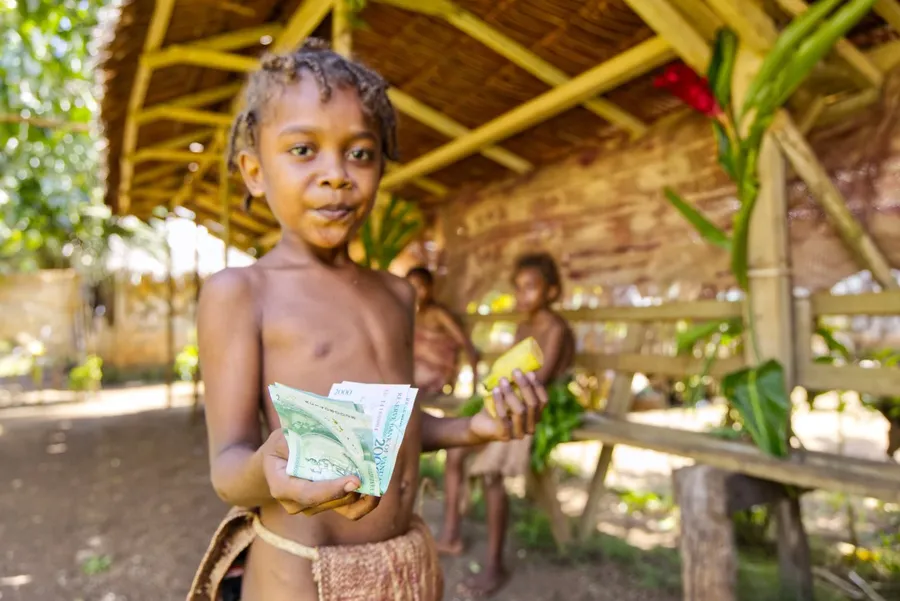
The currency in Vanuatu is the Vanuatu vatu (VT). Credit and debit cards are useful at major hotels, resorts, some restaurants, supermarkets, car rental companies and phone network outlets, especially around Port Vila and Luganville.
That said, cash is essential for markets, roadside stalls, buses, taxis and trucks, boat transfers, local tour guides, natural attraction entry fees, domestic departure tax and many outer-island bungalows. ATMs are mainly found around Port Vila, Port Vila Airport and Luganville, with far fewer options on the outer islands, so withdraw before travelling further afield.
When travelling with the tribe, it’s especially useful to keep small notes for snacks, market food, entry fees and “we need water now” moments.
Get more money tips in What is the Best Way to Pay in Vanuatu?
Travel Documents and Paperwork
For Vanuatu, you’ll need a passport valid for at least six months after your intended departure date, flight booking information, return travel ticket or booking information and a completed Passenger Arrival Form.
You may also need a visa if you’re from a non-exempt country, plus travel insurance paperwork, your driver’s licence if hiring a vehicle, a medical prescription if applicable, marine clearance forms if arriving by yacht, a drone permit if bringing a drone and scuba diving certification if you plan to dive.
For children, bring any extra paperwork needed for under-18 travellers, especially if a child is travelling with one parent, relatives or guardians. Digital copies are useful, but paper copies can save time when phones are low on battery or airport WiFi decides not to be part of the team.
See What Documents Do I Need to Travel to Vanuatu? for the full checklist.
Luggage
If you’re sticking to Port Vila, Espiritu Santo and larger resorts, a wheeled suitcase usually works just fine. However, if you’re heading to outer islands like Tanna, Malekula or Pentecost, pack as lightly as possible.
Domestic flights in Vanuatu can have strict baggage limits, often around 10 kg (22 lbs) for checked luggage and 5 kg (11 lbs) for carry-on. In other words, this is not the trip for packing three “just in case” outfits for every possible mood. That can feel hilariously ambitious when packing for kids, but it’s another reason to choose light clothes, share toiletries where possible and avoid packing half the playroom.
For outer-island trips, soft bags or backpacks are often easier than hard suitcases, especially when dealing with small transfers, uneven ground or boat landings. Keep swimwear, snacks, medication, nappies and a spare change of clothes in your day bag, because family travel law states that the item you need most will otherwise be at the very bottom of the checked luggage.
How Long to Spend in Vanuatu
Let’s get one thing straight: Vanuatu is not a “tick it off in one weekend” kind of family destination. With 83 islands, each with its own landscapes, culture, activities and rhythm, Vanuatu works best when you slow down and give everyone time to enjoy the place without turning every day into a logistics marathon.
We’d recommend at least five days in Vanuatu if you want to visit Port Vila and add one outer-island highlight, such as Tanna. However, 10 to 14 days is far more satisfying, especially if you want to include Efate, Tanna, Santo and perhaps Malekula.
With kids in tow, it’s much better to choose fewer islands, build in beach time, keep travel days light and avoid cramming too many transfers into one trip. If you’re taking domestic flights to outer islands, we also recommend returning to Port Vila at least a day before your international flight, just in case weather, schedules or island time decide to get involved.
With all that in mind, here’s what families can realistically achieve in different timeframes.
3 Days / A Long Weekend in Vanuatu
Over three days or a long weekend, families are best sticking to Port Vila and Efate. You’ll have enough time for markets, easy sightseeing, a beach or lagoon day and perhaps one relaxed day trip without making the whole holiday feel like a race. Check out Vanuatu Itinerary: 3 Days (Port Vila & Efate) for a suggested trip idea.
5 Days in Vanuatu
Five days gives families just enough time to combine Port Vila with Tanna, including one of Vanuatu’s big-ticket experiences. This can work well with older kids who are happy with a short island-hop, but it’s still a fairly tight trip.
With younger little ones, you may prefer to stay on Efate and keep things easier with beaches, cultural activities, short drives, markets and resort downtime. See Vanuatu Itinerary: 5 Days (Port Vila & Tanna) for a recommended holiday plan.
7 Days / 1 Week in Vanuatu
Seven days allows for a compact island-hopping trip, but families should be selective. While our one-week itinerary includes Santo, Tanna and Port Vila, we recommend removing one island and spending more time on Efate or Santo unless your tribe is particularly adventurous and comfortable with quick transfers.
This is a good timeframe for families who want a mix of easy logistics, water activities, short adventures and downtime between travel days. Get inspiration from Vanuatu Itinerary: 7 Days / 1 Week (Santo, Tanna & Port Vila).
10 Days in Vanuatu
Ten days gives families more room to experience Port Vila, Tanna and Santo without making every travel day feel like a race. That said, although our 10-day itinerary includes all three, families with younger children may prefer to drop one island and spend longer on Efate or Santo instead.
This gives you more space for beach days, blue holes, cultural experiences, volcano time and quiet mornings where nobody has to be packed and ready by 7 am. Bliss. Check out Vanuatu Itinerary: 10 Days (Port Vila, Tanna & Santo).
14 Days / 2 Weeks in Vanuatu
Two weeks is when Vanuatu really starts to open up for families. Our 14-day itinerary covers Port Vila, Tanna, Malekula and Santo, but unless you’re an adventurous family that enjoys frequent island-hopping, we recommend taking off one island and spending more time on Efate or Santo.
This is also the timeframe where family travel feels less pressured. You can add rest days, repeat favourite swimming spots and keep space for weather changes, tired kids and those afternoons where everyone just wants snacks and a pool. See Vanuatu Itinerary: 14 Days / 2 Weeks (Port Vila, Tanna, Malekula & Santo).
How Long Can You Stay in Vanuatu?
Visitors from visa-exempt countries are generally granted a visitor visa on arrival for a stay of less than 120 days, provided they meet the entry requirements. So, technically, you could stay a lot longer than two weeks, and with 83 islands to explore, that’s not the worst family sabbatical idea we’ve ever heard.
For more details, see Vanuatu Tourist Visa: Do You Need a Visa to Visit Vanuatu?
Editor's Choice
Tobowon Tours & Transfers
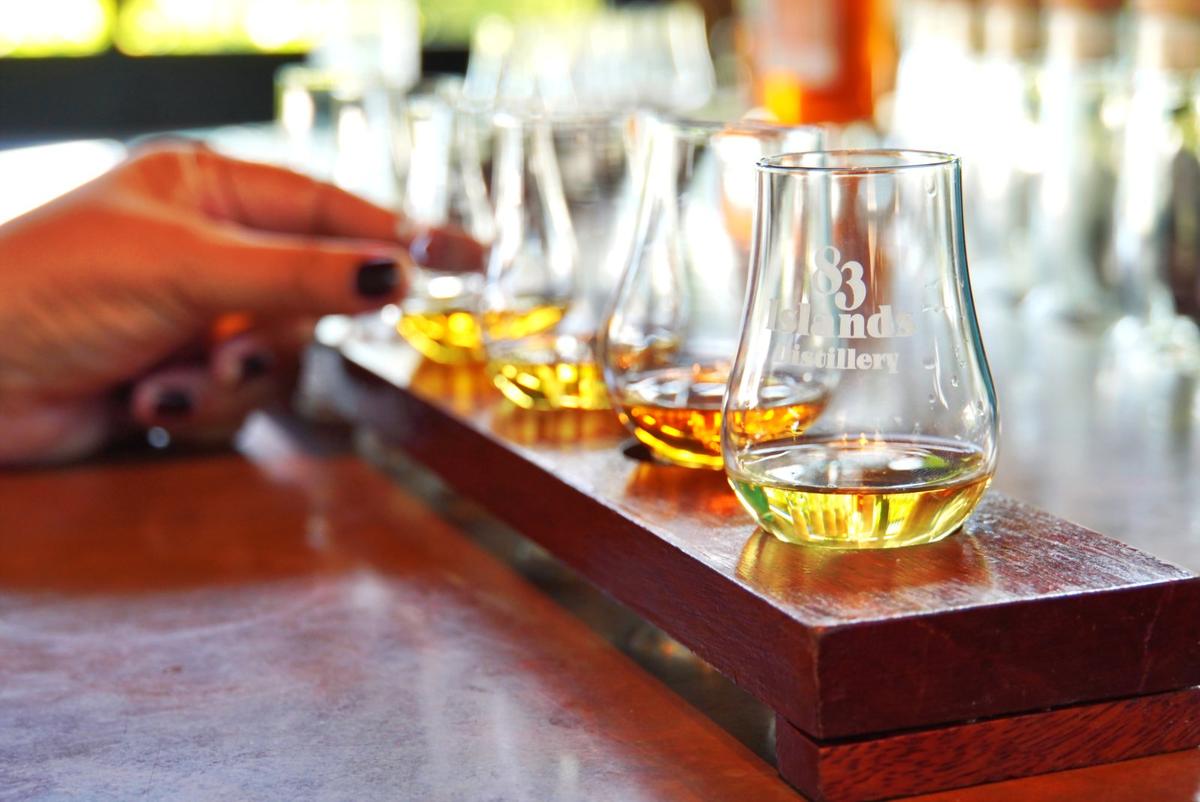
Three of Efate's most talked-about experiences rolled into one unforgettable day out. Start with a behind-the-scenes look at artisanal rum-making at 83 Islands Distillery, then head to Pepeyo...
Which Islands to Visit in Vanuatu
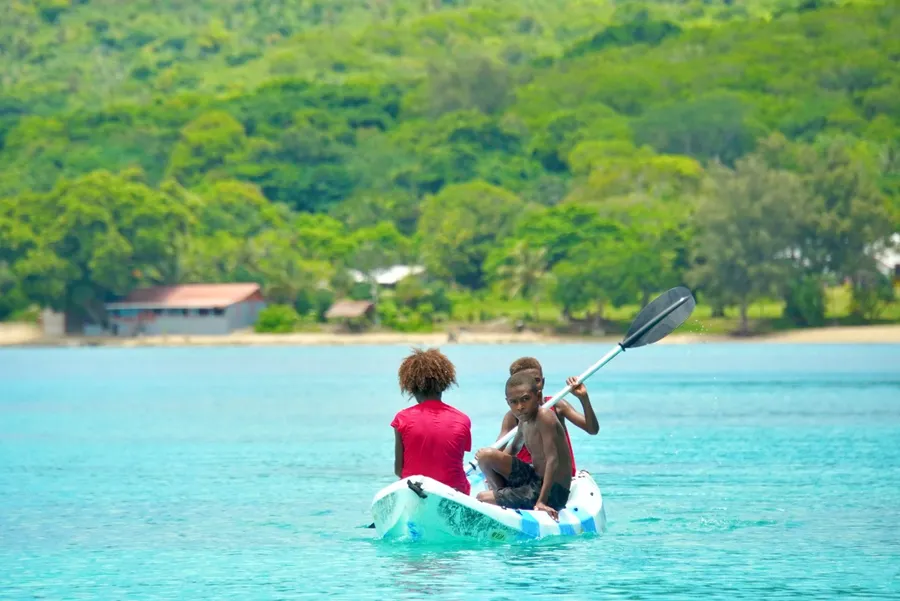
Deciding which islands to visit in Vanuatu is half the fun and half the “how many transfers can the kids handle?” moment. With 83 islands, each with its own landscapes, culture and pace, Vanuatu is best explored slowly, especially when travelling with the tribe.
For families, we recommend starting with the islands that offer the easiest mix of accommodation, food, transport, activities and downtime: Efate, Santo and, for more adventurous families, Tanna.
Port Vila and Efate
Choose Port Vila and Efate for the easiest start to a family trip in Vanuatu. This is the place for simple logistics, the widest accommodation choice, restaurants, supermarkets, markets, organised tours and plenty of family-friendly downtime between activities.
It’s especially handy for first-time visitors, younger children, short stays and anyone who wants convenience without missing out on beaches, lagoons, cultural experiences, waterfalls, island day trips and easy sightseeing. You can keep things flexible, return to your accommodation for naps or pool time and avoid too many long transfers. Sometimes that’s the real luxury. See The Complete Travel Guide to Port Vila & Efate.
Espiritu Santo
Choose Santo if your family wants more nature, beaches, blue holes, snorkelling, caves, waterfalls and WW2 history. Compared with Port Vila, Santo feels quieter and more spread out, which can be brilliant if your little ones love space, swimming and outdoor days.
Santo suits families with a bit more time, especially those happy to hire a car, join tours or stay near the coast where activities are easier to reach. The blue holes and beaches can be real family highlights, but distances, road conditions and food options vary by area, so choose your base carefully rather than assuming everything is just around the corner. See The Complete Travel Guide to Espiritu Santo.
Tanna
Choose Tanna for raw adventure, volcanic landscapes and one of Vanuatu’s most memorable family experiences: Mt Yasur. This is often the island families add when they want their trip to feel more dramatic and culturally immersive.
That said, Tanna is best suited to adventurous families, older kids or little ones who are comfortable with simpler travel days. Expect more basic logistics, rougher roads, fewer restaurant options and a stronger need to organise transport, meals and activities through your accommodation or local guides.
It’s not the easiest island for every family, but for the right tribe, it can be the part of the trip everyone talks about for years. See The Complete Travel Guide to Tanna.
What About the Other Outer Islands?
Beyond Efate, Santo and Tanna, Vanuatu has many more outer islands and provinces to explore, from remote cultural strongholds to beaches, volcanoes and places where tourism is still refreshingly low-key.
However, with kids in tow, we recommend treating the outer islands as “next trip” territory unless your family is particularly adventurous. Islands like Malekula can be rewarding, but they also come with slower transport, simpler facilities, fewer dining options and more planning around accommodation, meals and activities.
For most family holidays, Efate, Santo and Tanna already give you plenty to work with. If you’re tossing up between the two easiest first-time choices, compare them in Which is Better, Port Vila or Santo?
%20CREDIT%20VanuatuPocketGuide.com-900x601.webp?v=2026-03-07T22%3A52%3A33.401Z)
Birihia Sea Side Bungalows
from AU$48/night
How to Get Around Vanuatu with Kids
Getting around Vanuatu with kids takes a little planning, mostly because the country is spread across 83 islands and not every transport option suits every age, energy level or snack emergency.
For families, the main thing is to avoid leaving transport to chance. Book domestic flights, rental cars and tours early where possible, pack light for island hops, keep essentials in your day bag and allow plenty of space between connections. Island time is charming, but less charming when the little ones are tired and someone has eaten the emergency crackers.
For more transport options, check out Vanuatu Transport Guide: 20 Best Ways to Get Around Vanuatu.
Domestic Flights
Domestic flights are the quickest and most practical way for families to travel between Vanuatu’s main islands.
Flights from Port Vila to Santo take around 45-55 minutes, while flights to Tanna are usually around 40-45 minutes. The short flight times are a big win with kids, but baggage allowances can be limited on the more remote outer-island routes.
Keep snacks, water, medication, nappies, wipes, swimwear and a change of clothes in your hand luggage. If you’re flying back to Port Vila before an international departure, we recommend returning at least one day earlier to avoid any stress from weather changes or schedule shifts.
Learn more in our guide, Domestic Flights in Vanuatu: Your Guide to Interisland Flights.
Car Rental
Car rental is one of the easiest ways to get around Efate and Santo with kids. It gives you the freedom to stop for snacks, escape the heat, carry beach gear, change plans when the kids are tired and avoid waiting around for transport at the end of a long day.
There is a decent choice of rental companies in Port Vila and a smaller selection in Luganville. Book ahead if you need a larger vehicle, child seat or specific pick-up location, as family-friendly options can be more limited than standard small cars.
On outer islands, roads can be rough, so vehicles are often 4WD pick-up trucks or utes rather than compact holiday cars. Check road conditions, insurance, fuel arrangements and child-seat options before confirming anything.
Start with the 10 Best Car Rentals in Vanuatu and How to Drive in Vanuatu + 10 Road Rules You Need to Know.
Taxis
Taxis are readily available in Port Vila and Luganville. They can be identified by “T” plates and usually operate on flat fares, so ask the price before agreeing to the ride.
For families, taxis are useful for airport transfers, short town trips, restaurant runs and moments when walking in the heat suddenly feels like a terrible idea. Your accommodation can usually help call one, which is especially handy if you need a larger vehicle or are travelling with luggage, prams or overtired little ones.
Just note that taxis are not always fitted with child seats, so bring your own if this is important for your family’s comfort and safety.
See Taxis & Trucks in Vanuatu: Taxi Fares, How to Use & More to learn more.
Guided Tours
Guided tours are the stress-free way to get around with kids, especially if you don’t want to organise transport, directions, entry fees and timing yourself.
Tours are widely available around Port Vila, Santo and Tanna, and often include accommodation pick-up, transport between sights and sometimes boat transfers. This can make a huge difference when travelling with little ones, because someone else handles the driving, potholes and “are we nearly there?” logistics.
Half-day tours can often be easier than full-day adventures for younger children, unless your crew has unusually heroic stamina.
Compare options in the 10 Best Sightseeing Tours in Vanuatu.
Banana Boats
For shorter island-hopping, smaller boats, often called banana boats, connect larger islands with their offshore neighbours. Around Efate, they can be used to reach islands such as Nguna and Pele, while resort boat services are also common on Efate and Santo.
Banana boats can be exciting for kids, but they are also open boats and rarely have shade, so bring hats, reef-safe sunscreen, rash vests, water and a dry bag for essentials.
Learn more in How to Catch a Boat Transfer in Vanuatu: The Complete Guide.
For more transport options, check out Vanuatu Transport Guide: 20 Best Ways to Get Around Vanuatu.
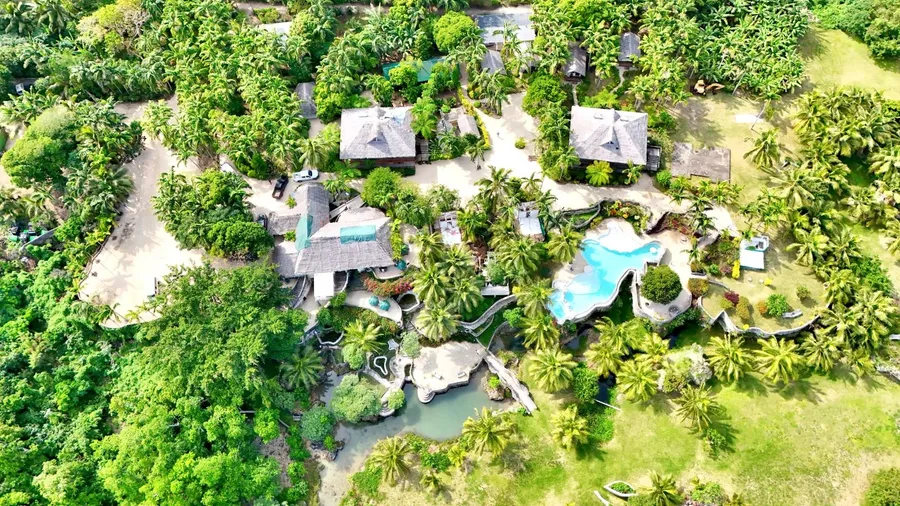
Where to Stay: Family-Friendly Accommodation in Vanuatu
Vanuatu has family-friendly accommodation across the spectrum, from resorts with pools, restaurants and kids’ activities to self-contained holiday homes where everyone can spread out without sharing one suitcase-sized room.
As with many South Pacific destinations, facilities vary widely. Before booking, check whether your stay includes air conditioning or fan cooling, WiFi, ensuite bathrooms, breakfast, self-catering facilities, transfers, meals, laundry, child-friendly swimming areas and enough beds for the whole tribe. This is especially important once you head beyond Efate and Espiritu Santo.
Take a look at accommodation styles across the country in the Where to Stay in Vanuatu: The Best Accommodations.
Resorts
Resorts are the easiest option for many families, especially around Efate and Santo, where you’ll find the classic holiday mix of rooms, bungalows, villas or self-contained apartments. Facilities often include restaurants, bars, pools, gardens, lagoon or beach access, water activities, entertainment and organised tours.
For families, the real appeal is convenience. You can have meals, swimming, activities, beach time and sometimes childcare close at hand, which is extremely handy when the little ones decide they’re hungry, tired and somehow sandy all at once.
Some Vanuatu resorts also offer kids’ clubs, babysitting, child-friendly pools, spacious family rooms, easy beach access and activities suitable for toddlers through to teenagers. Kids’ clubs may include creative activities, beach games, cultural experiences, language lessons, treasure hunts or outdoor adventures, while babysitting can help parents enjoy a quiet dinner or spa treatment without negotiating with a four-year-old about dessert.
Compare family stays in the 30 Best Family Resorts in Vanuatu and learn more about childcare options in The Best Kids’ Clubs in Vanuatu + Top 5 Resorts for Babysitting.
Holiday Homes and Villas
Holiday homes are a great option if you want space, privacy and a little more control over the family routine. They are especially useful for longer stays, larger families, picky eaters, early bedtimes and anyone who prefers breakfast in pyjamas over restaurant negotiations.
Many holiday homes offer kitchens, living areas, laundry facilities, outdoor dining spaces, WiFi and sometimes pools, barbecue areas, kayaks or paddleboards. That means you can self-cater, wash the mysterious pile of wet clothes that appears daily and keep snacks within reach at all times. True family luxury.
Just check the layout carefully before booking. Some holiday homes are standalone, while others may be part of shared properties or small complexes, so you might still share gardens, beach access, parking or pool areas with other guests.
Compare self-contained stays in the 20 Best Holiday Homes & Villas in Vanuatu.
Island Bungalows
Island bungalows are one of Vanuatu’s more characterful accommodation styles, especially on outer islands, offshore islands and village-based stays. They can range from very simple traditionally constructed bungalows with shared facilities to more comfortable beachfront rooms with an ensuite, meals, tours and boat transfers arranged by the hosts.
This style of stay can be wonderful with curious kids, especially if you want the holiday to feel more local and less resort-based. Expect personal hospitality, home-cooked meals, help arranging nearby activities and a slower island rhythm.
That said, island bungalows are best for families who are happy with simpler facilities. Before booking, ask about electricity, charging points, drinking water, meals, transfers, bathroom facilities, beach safety, access to shops and what happens if weather affects boat travel. In other words, charmingly simple is great. Surprise-no-dinner-with-hungry-children is not.
Compare local stays in the 50 Best Bungalows & Guesthouses in Vanuatu.
Other Accommodations in Vanuatu
Other accommodation in Vanuatu includes resorts, holiday homes, villas, self-contained lodges, treehouses, backpacker-style stays and homestays. Resorts are usually pricier but may work if you find a deal, while holiday homes and villas can be good value for groups, longer stays or travellers who want a kitchen.
For the widest overview of where to stay, see Where to Stay in Vanuatu: The Best Accommodations.
-BI%20CREDIT%20VanuatuPocketGuide.com-900x601.webp?v=2026-03-08T00%3A05%3A37.638Z)
What is the Best Family-Friendly Accommodation in Vanuatu?
If you're not a fan of decision fatigue, here are a couple of our favourite stays to help you out.
Santo Heritage Lodge & Tours (Espiritu Santo)
Santo Heritage Lodge & Tours is a locally run, family-oriented stay offering plenty of practical conveniences for parents travelling with children.
Two dedicated family rooms are available, including one with a full kitchen and washing machine, while another provides two separate sleeping rooms sharing a kitchen and bathroom. Cooking facilities are available across the accommodation, making it easy to prepare meals when the kids would rather stay in than head to a restaurant.
Families also benefit from safe drinking water, hot water, free WiFi and daily laundry services. Airport transfers can be arranged, while car hire offers another option for exploring Espiritu Santo independently.
The lodge’s tour desk makes family adventures easy to organise, with options including blue holes, waterfalls, cultural villages, river canoeing and WWII sites. Air-conditioned tour vehicles add some welcome comfort on longer journeys.
Learn more about what makes Santo Heritage Lodge ideal for families exploring Santo, and book through the Santo Heritage Lodge website.
Tanna Evergreen Resort (Tanna)
Tanna Evergreen Resort & Tours is a locally owned, family-oriented resort just five minutes from White Grass International Airport, making arrivals and departures especially easy with children.
Families can enjoy the cliffside swimming pools, tropical gardens and complimentary continental breakfast each morning, while room service comes without a delivery fee for those evenings when everyone would rather stay in. Daily housekeeping and laundry services add extra convenience during longer stays.
There’s also plenty to keep families entertained, from low-tide reef walks and sunset views at Sam’s Rock to snorkelling and wildlife spotting around the reef. The resort’s tour desk offers a wide range of family-friendly excursions, with children aged five to 11 receiving half-price rates on tours.
Options include visits to the Giant Banyan Tree, cultural experiences, waterfalls, beach picnics and the Tanna Ocean Experience, giving families plenty of ways to explore the island together.
See why Tanna Evergreen Resort & Tours is a great fit for families, and book through the Tanna Evergreen Resort & Tours website.
Havannah Eco Lodge (Port Vila and Efate)
Havannah Eco Lodge offers families a quiet waterfront escape with just four bungalows spread among tropical gardens, providing plenty of space and privacy away from the bustle of larger resorts.
A hearty breakfast is included each morning, while Gideon’s Restaurant & Bar keeps family meals convenient with approachable options such as fish and chips, burgers, steak sandwiches and fresh fruit drinks. Starlink WiFi is also available around the main area for when the family wants to reconnect.
The natural coastal setting provides plenty of opportunity to slow down and enjoy island life together, while a kayak is available for exploring the harbour in suitable conditions. With owner Gideon living on-site, the small-scale lodge also offers a more personal experience than a conventional family resort.
See why Havannah Eco Lodge suits families seeking a simple, uncrowded island stay, and book through the Havannah Eco Lodge website.
%20CREDIT%20VanuatuPocketGuide.com-900x601.webp?v=2026-08-09T05%3A33%3A21.544Z)
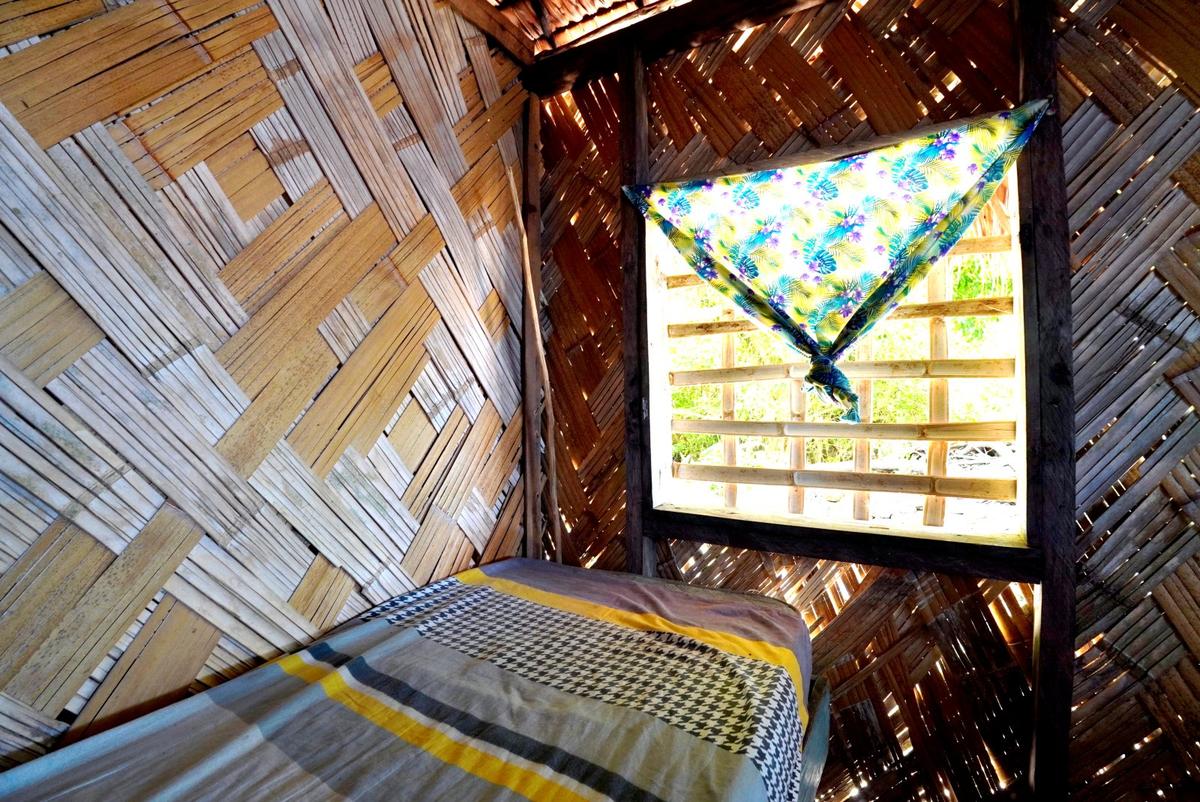
Nawori Sea View Bungalows & Tours
from AU$36/night
Things to Do in Vanuatu for Families
Vanuatu is the sort of destination where your “things to do” list can get wildly out of hand, even when travelling with kids in tow. One day you’re splashing in a blue lagoon, the next you’re crossing jungle bridges, building sandcastles on Santo or wondering whether your little adventurer is braver than you are. Spoiler: probably.
The islands offer a brilliant mix of calm swimming spots, beaches, rainforest activities, cultural experiences, short adventures and easy resort days, with enough variety that we could hardly fit it all into our 101 Best Things to Do in Vanuatu: The Ultimate List.
The Best Family Activities in Vanuatu
When it comes to creating unforgettable memories with the tribe, you’ll find plenty of experiences that work for both children and adults. Some of the most family-friendly activities include:
Swim and Swing Into the Blue Lagoon (Port Vila and Efate)
A vibrant natural swimming spot, Blue Lagoon is one of the easiest family outings on Efate. The lagoon mixes fresh and salt water, with decking areas, rope swings, picnic tables, changing rooms, toilets, gardens and food options on-site.
It’s a fun place for confident swimmers to splash around, while younger children will still need close supervision around the water and rope swings. Children under five enter free, which is always a nice little family-budget win.
Cool off and make a splash at more natural wonders across the islands with 15 Best Blue Holes, Hot Springs & Swimming Spots in Vanuatu.
Cross Jungle Suspension Bridges and Swim in River Pools at Eden on the River (Port Vila and Efate)
Tucked within a peaceful rainforest setting, Eden on the River offers a mix of light adventure and nature that works well for a wide range of ages. The main experience is the “Bridges of Eden” suspension bridge tour, which includes a guided nature walk, three suspended bridges, a small zipline and safety harnesses.
After the bridge walk, the tribe can cool off in the river pools, try mini golf or let younger kids enjoy the playground. Kids aged four to 12 get half-price entry, while little ones under three enter free.
Soar Above the Rainforest on a Zipline Adventure at The Summit (Port Vila and Efate)
For adventurous families, Vanuatu Jungle Zipline at The Summit is a high-energy rainforest experience above Mele Bay. The zipline course includes six lines totalling 1.3 km (0.8 mi), while the “Vanuatu Skybridge” adds big views without quite the same flying-through-the-air commitment.
Activities are suitable from age five for the zipline and age eight for the canyon swing, so this is one for older kids and brave parents. For anyone who prefers feet firmly on the ground, Summit Gardens offers tropical flowers, fish ponds, picnic areas and calmer wandering time.
Find more thrill-seeking ideas in the 10 Best Adventure Tours in Vanuatu.
Explore Efate on Horseback (Port Vila and Efate)
For a slower, more scenic way to explore the island, Club Hippique offers horseback riding from a beachfront property near Etmat Bay. Rides range from short introductory experiences to longer adventures through coconut plantations, rainforest and beach scenery.
Families are welcome, with gentle ponies available for children as young as four, or seven to ride independently. The signature horseback swimming experience is a memorable one if your tribe likes animals, beaches and the kind of holiday story that gets retold for years.
Explore more options in the 5 Best Horse Riding Tours in Vanuatu.
Relax and Build Sandcastles at the Famous Champagne Beach (Espiritu Santo)
Champagne Beach is one of Santo’s most famous beaches, with a horseshoe-shaped bay, powdery white sand and clear blue water. It’s the kind of place where kids can build sandcastles, paddle in sheltered water and generally turn themselves into very happy, sandy little creatures.
Facilities include toilets, showers, changing rooms, shade areas and food options, making it much easier for families than a completely undeveloped beach. Snorkelling gear is also available for hire if older kids want to explore below the surface.
Watch an Active Volcano Erupt at Mt Yasur (Tanna)
For one of Vanuatu’s biggest family adventures, Mt Yasur gives you the chance to stand near the crater of an active volcano without a demanding hike. From the car park, it’s only around a five-minute walk to the first lookout, where wooden railings separate visitors from the crater and glowing eruptions become even more impressive as daylight fades.
The sunset tour is the most practical option for families, as you arrive in daylight before watching the lava glow after dark. Closed-toe shoes, warm layers and a torch are recommended, and children need to follow the guide’s safety instructions closely.
Some Tanna resorts also apply minimum-age recommendations, so check requirements before booking.
And the list continues over in the 25 Best Things to Do in Vanuatu with Kids.
More Memorable Activities in Vanuatu
Of course, the five activities above are just the beginning. Vanuatu has beaches, reefs, waterfalls, markets, cultural experiences, boat trips and outdoor adventures across the islands:
- Snorkelling - Explore coral reefs, resort lagoons, offshore islands and sheltered coastal spots suitable for your children’s confidence level
- Blue Holes - Swim in unbelievably clear freshwater pools, especially on Santo
- Kayaking and Outrigger Tours - Paddle through bays, lagoons, rivers, mangroves and island waters with local guides
- Boat Trips and Island-Hopping - Cruise to offshore islands, beaches, snorkelling spots and picnic locations
- Beaches - Slow down on white-sand beaches, resort beaches and quiet island shores
- Waterfalls and Swimming Holes - Combine short walks with refreshing swims where conditions are suitable
- Resort Water Activities - Make the most of kayaks, paddleboards, pools and beach gear where included with your stay
- Culture and Village Experiences - Learn about kastom traditions, weaving, sand drawing, fire walking, local food and village life
- Walking and Short Hikes - Take on easy coastal walks, garden trails, waterfall walks and guided family-friendly routes
- Volcano Experiences - Visit dramatic volcanic landscapes, including Mt Yasur on Tanna, best suited to adventurous families
- Museums and Historical Sites - Learn about Vanuatu’s culture, missionary history, World War Two sites and island stories
- Sightseeing Tours - Explore island highlights with a local guide, especially around Efate, Santo and Tanna
- Kids’ Clubs and Resort Activities - Let little ones enjoy supervised activities where available, while parents briefly remember what quiet sounds like
Again, start making your family bucket list with 25 Best Things to Do in Vanuatu with Kids and 101 Best Things to Do in Vanuatu.
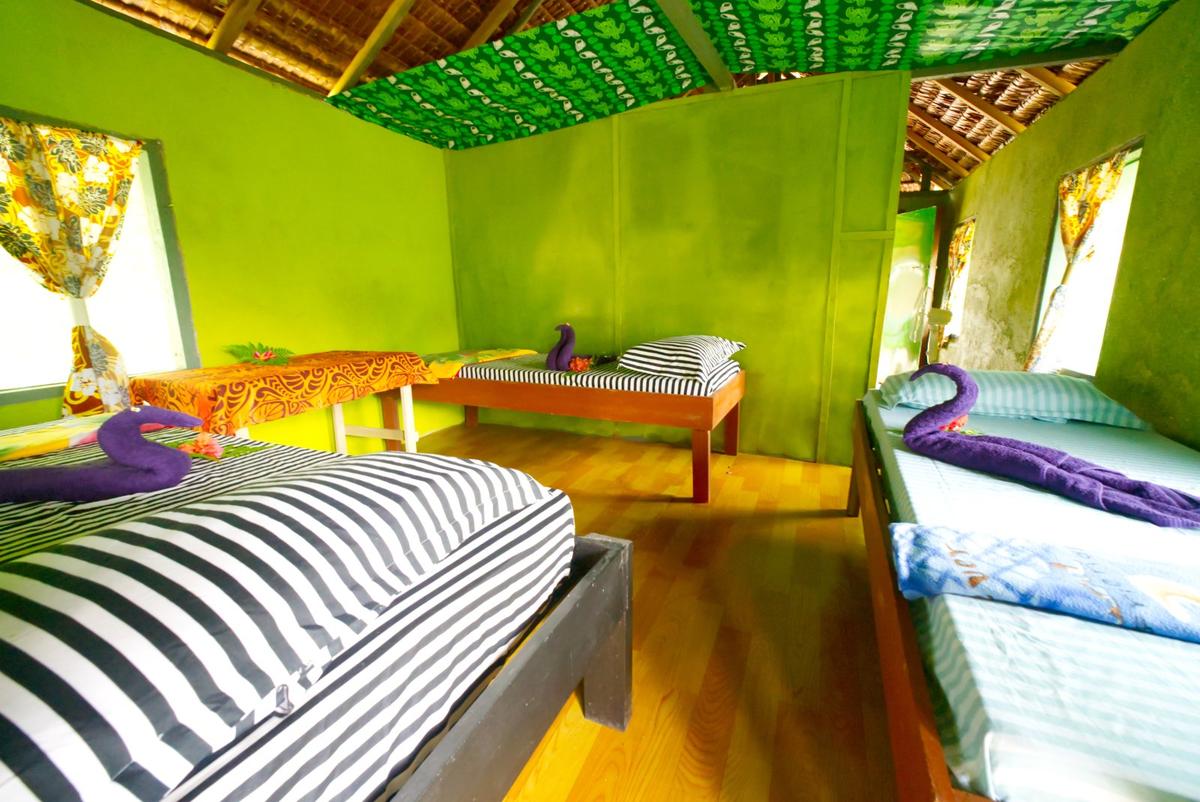
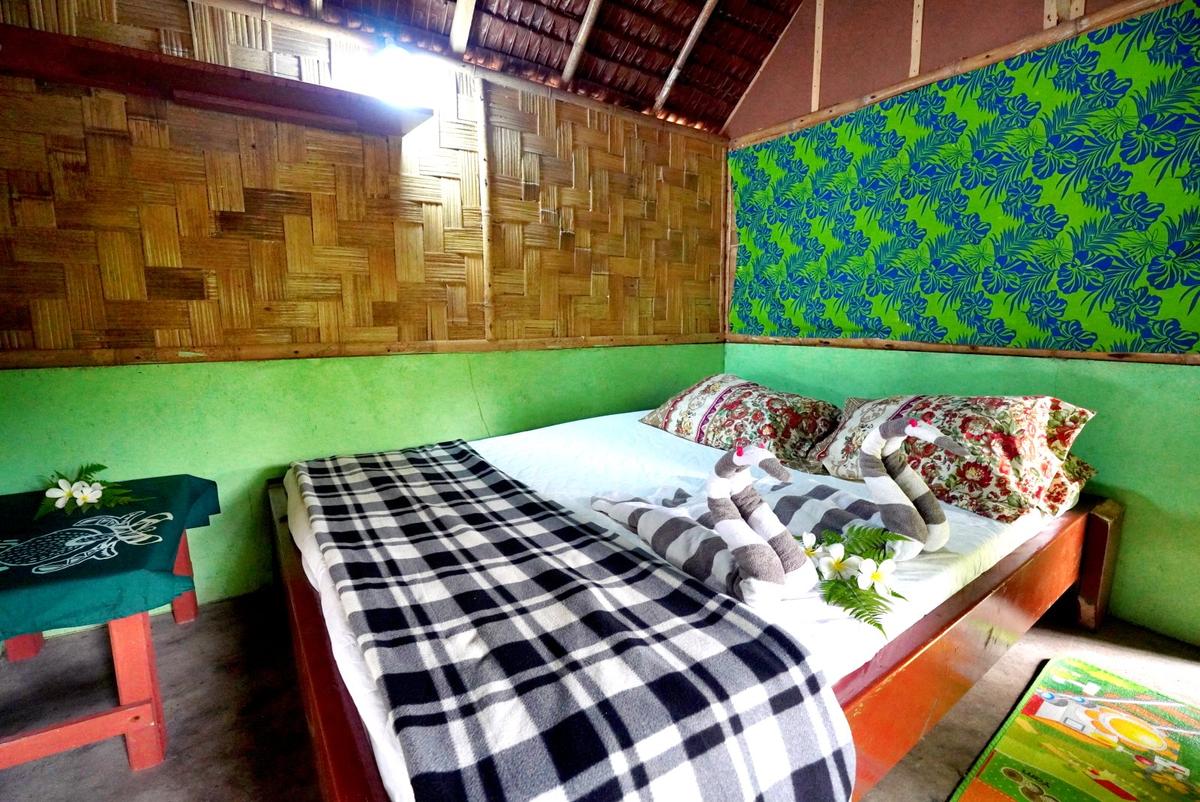
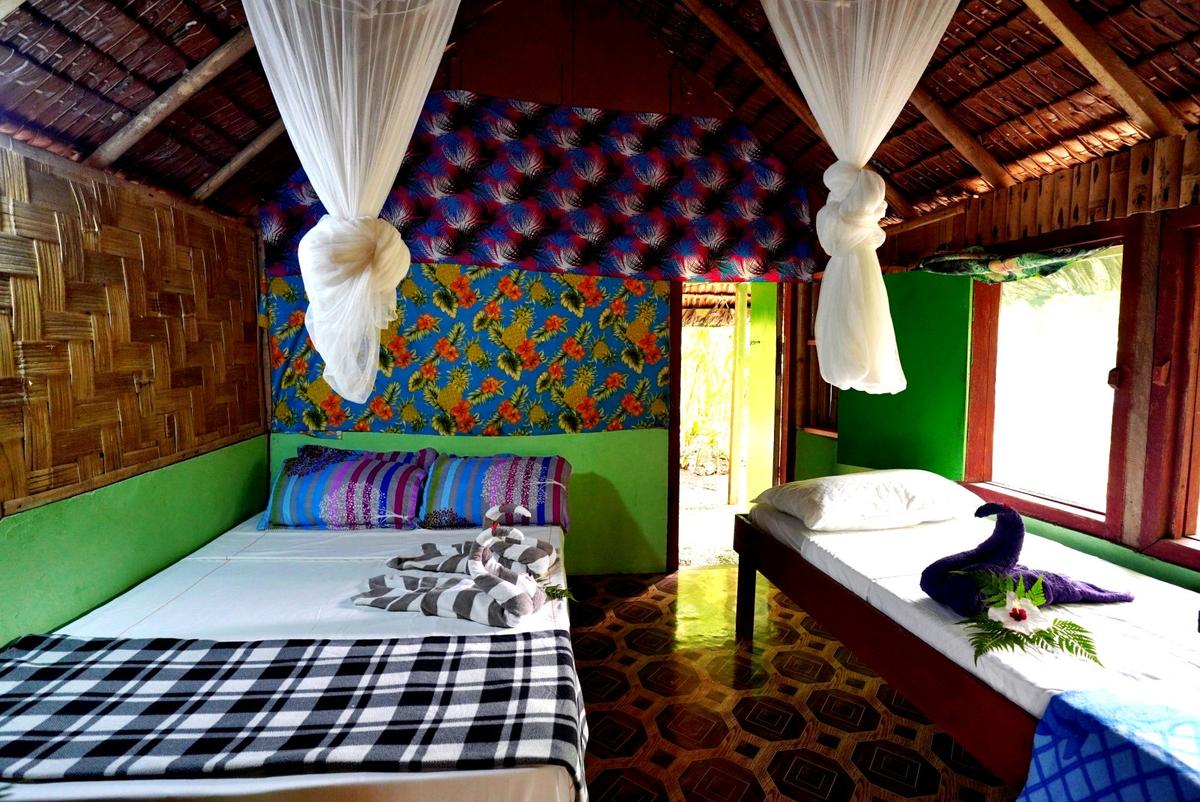
Where to Stay
Birihia Sea Side Bungalows
Dormitory · Tamanu Bunglow (Double) · Nataboa Bunglow (Double + Single)
AU$20/night
-SEB%20CREDIT%20VanuatuPocketGuide.com-900x601.webp?v=2026-03-08T01%3A56%3A34.291Z)
Food in Vanuatu
Food in Vanuatu changes a lot depending on where you are. In Efate and Santo, you’ll find the easiest family dining options, with cafés, beach bars, resort restaurants, waterfront meals, market food and casual eats. On the outer islands, food is more often arranged through accommodation hosts, village stores, markets and local meals prepared with what’s fresh and available.
For families, the good news is that many of Vanuatu’s more traveller-friendly restaurants are used to feeding kids, with pikinini menus, familiar favourites, beachfront settings, resort dining and enough chicken nuggets, fish and chips, pasta and mini burgers to get through even the fussiest dinner negotiations.
Everything you need to know about food in Vanuatu can be found in The Food Guide to Vanuatu: Places to Eat & Food Tours.
10 Best Restaurants and Cafés for Families in Vanuatu
Restaurants and cafés come with the widest choice in Port Vila and around Efate, serving resort menus, café favourites, seafood, burgers, casual meals and kid-friendly options. Santo has a smaller but still useful dining scene, while islands like Tanna have fewer restaurant-style options, so meals are more commonly arranged through accommodation.
Here are ten family-friendly restaurants and dining spots to consider:
- Holiday Inn Resort: One of the most family-focused dining options in Vanuatu, especially for guests staying at the resort. The “Kids Stay & Eat Free” policy allows up to four children under 12 to eat free for registered guests, while the kids’ club runs structured daily activities from 9 am to 9 pm.
- Poppys on the Lagoon: A strong choice for families thanks to its dedicated “Pikinini Menu” for children under 12. Kid-sized options include chicken nuggets with chips, fish fingers, spaghetti bolognese and mini beef burgers, plus pikinini desserts like ice cream with toppings. The lagoon setting also helps make mealtimes feel more like holiday time and less like feeding time at the zoo.
- Banyan Beach Bar: A relaxed option with a solid kids’ menu, including nuggets with French fries, mini burgers, grilled mahi mahi and spaghetti bolognese with hidden vegetables. Milkshakes in various flavours add another kid-approved win, while the beach-bar setting keeps things casual for the whole tribe.
- Ramada + Akiriki Restaurant: A convenient resort dining option with pikinini meals including fish and chips, “hidden veg” spaghetti bolognese and small beef burgers. Kids’ meals include drinks and vanilla ice cream, which is the sort of detail children tend to remember far more clearly than the day’s cultural itinerary.
- Rossi Restaurant: A practical family-friendly restaurant with kids’ meals usually ranging from 600-1,000 VT. Options include fish and chips, chicken nuggets and pasta dishes, plus a playground, making it especially useful if your little ones need to move between bites.
- Jill’s Cafe: One of the best café-style choices for younger kids, with an extensive kids’ menu for children 11 years and under. Expect options such as “Silver Dollar Pancakes”, “French Toast”, kids’ combo meals with a drink, kids’ shakes and sundaes. Prices are generally easy on the family budget, too.
- Turtle Bay Lodge: A useful Santo dining option with a dedicated “Pikinini Menu” featuring homemade-style meals such as chicken nuggets with fries, chicken fried rice with prawn crackers, pasta Napolitano and fish fingers. Kids’ desserts include chocolate brownie with ice cream and a “bigfala bowl of salted popcorn”.
- Waterfront & Yachting World: A good family option with a straightforward kids’ menu covering familiar choices such as fish and chips, chicken nuggets and chips, penne pasta and meatballs and kid-friendly desserts. The waterfront setting makes it a pleasant stop when the tribe needs something easy.
- Mali Beach Club: Simple, beachy and easy-going, with a small “For the Kids” section featuring classics like chicken nuggets and chips and spaghetti and meatballs. Games on the tables and the beachfront location make this a fun one for kids who would rather be near the sand than sitting still for too long. Fair enough.
- Wahoo Seafood & Grill: More limited for children than some of the other options, but still useful for families thanks to a simple ham and cheese kids’ pizza. It’s a good one to keep in mind if the grown-ups are craving seafood and the kids are firmly in “pizza or nothing” mode.
Find more dining options in the 20 Best Restaurants in Vanuatu.
Self-Catering
Self-catering is one of the easiest ways to save money in Vanuatu, especially if you base yourself in Port Vila, around Efate or in Luganville. Port Vila has the widest choice of supermarkets, markets and accommodation with kitchen facilities, while Luganville has workable grocery options and a market for fresh produce.
On the outer islands, self-catering becomes much more basic. Expect village stores, limited supplies, shared kitchens at some bungalows and whatever arrives with the next boat delivery. Translation: stock up before you decide that dinner will “just sort itself out”.
As self-catering is such a big topic to cover, we have a separate guide in A Guide to Supermarkets & Food Shopping in Vanuatu.
Special Diets
Special diets are easiest to manage in Port Vila, around Efate and in Santo’s main centres, where there are more restaurants, supermarkets and accommodation options with kitchens. Some restaurants and resort dining venues also offer stronger dietary options than you’ll usually find on the outer islands.
Further afield, the best approach is to contact your accommodation before arrival, explain your dietary requirements clearly and bring any specialist products you rely on. Fresh produce, root crops, rice, pasta, eggs, canned tuna, peanut butter and basic pantry staples are much easier to find than specialist allergy foods or vegan substitutes.
Check out Vanuatu for Vegans & Vegetarians + Best Restaurants and The Gluten-Free Guide to Vanuatu for more advice.
What Food to Try
Traditional Ni-Vanuatu food is often one of the best-value ways to eat, especially through markets, bungalow stays, local-hosted meals and cultural experiences.
Look out for laplap, often considered Vanuatu’s national dish, as well as tuluk, simboro, fresh fish, coconut-based dishes and local produce from the markets.
Adults might also want to try kava at a nakamal, although that’s one for the grown-ups only. Maybe start with a small shell unless you enjoy learning lessons the wobbly way.
Look out for the items listed in Traditional Ni-Vanuatu Food: 10 Foods to Try in Vanuatu, as well as 20 Best Foodie Experiences in Vanuatu.
Food and Water Safety
For food and water safety, the same practical travel advice applies: choose freshly cooked food, be sensible with market and roadside snacks, wash or peel produce if needed and ask your accommodation about drinking water before filling your bottle from the tap. Keep snacks, water and oral rehydration sachets handy on long travel days, outer-island transfers and hot sightseeing days. Hungry, overheated children are nobody’s idea of a relaxing Pacific escape. Learn more about food and water safety in the Vanuatu Safety Tips: Is it Safe to Travel to Vanuatu?
For all things “food” in Vanuatu, including markets to visit, foodie tours, restaurant recommendations and self-catering advice, head to The Food Guide to Vanuatu: Places to Eat & Food Tours.
Typical Costs for a Trip to Vanuatu
We all travel very differently. Therefore, making a precise budget for everyone is an impossible task. Nevertheless, you can work out your own needs, thus budget, by simply looking at the typical prices listed below or in our article, Vanuatu Travel Budget: How Much Does a Trip to Vanuatu Cost?
The Cost of Accommodation
- Island bungalow/night - 3,500-10,000 VT
- Motel/budget accommodation ensuite room/night - 3,500-12,500 VT
- Mid-range resort ensuite room/night - 12,500-45,000 VT
- Luxury resort or villa/night - 40,000-230,000 VT
- Holiday home/night - 20,000-350,000 VT
The Cost of Food
- Main breakfast meal – 650-2,000 VT
- Main lunch meal – 1,200-3,200 VT
- Main dinner meal – 1,800-8,000 VT
- Kids' menu meal – 600-1,350 VT
- Small coffee – 280-500 VT
- Bottle of beer – 450-850 VT
- Bottle of wine – 2,500-12,000 VT
- Cocktail – 1,200-1,800 VT
- Mocktail or smoothie – 500-850 VT
- Soft drink – 200-450 VT
The Cost of Activities
- Natural attraction access/adult/child - 500-2,000 VT/Free-1,500 VT
- Guided hike or cave tour - 9,500-20,000 VT
- Guided sightseeing tour/adult/child - 4,500-15,800 VT/5,000-9,700 VT
- Culture tour or cultural village/adult/child - 3,500-10,000 VT/1,900-2,500 VT
- Waterfall tour - 10,000 VT
- Snorkelling tour/adult/child - 5,000-12,000 VT/3,500-6,000 VT
- Kayak tour - 5,500-12,000 VT
- Scuba dive/single dive - 10,000-13,000 VT
- Fishing charter/half day - 50,000-70,000 VT
Road Transport Prices
- Car rental/day - 9,000-19,500 VT
- Bus/one-way trip - 150-500 VT
- Airport taxi transfer - 1,500-12,000 VT
- Outer island truck transport/person - 200-300 VT
Water and Air Transport Prices
- Domestic flight/Port Vila to Tanna/adult/child - 17,600 VT/12,900 VT
- Domestic flight/Port Vila to Santo/adult/child - 19,320 VT/14,200 VT
- Domestic flight/Port Vila to Malekula - 10,900-12,970 VT/9,660-11,000 VT
- Ferry/Port Vila to Santo/adult/student (8-17)/child (1-7) - 12,500 VT/ 10,000 VT/4,000 VT
- Ferry/Port Vila to Malekula/adult/student (8-17)/child (1-7) - 8,000-10,000 VT/8,000 VT/4,000 VT
Spending Money for Vanuatu
Here are a few averages for a daily budget for Vanuatu. These include accommodation, food, local transport and take into account that you might participate in one paid activity each day. Each price is per person per day:
- Budget daily budget: 9,500 VT
- Mid-range daily budget: 34,000 VT
- Luxury daily budget: 121,000 VT
This does not include international flights, one-off interisland flights, ferries or any “we’ve come this far, let’s do it” extras.
For families, don’t simply multiply every cost by the number of people travelling. Some expenses are shared, such as car rental, holiday homes and certain transfers, while others are per person, such as domestic flights, tours, meals and attraction fees. That’s why a family trip can be surprisingly reasonable in some areas and suddenly eye-watering in others. Welcome to holiday maths.
More About Planning a Family Holiday to Vanuatu
That's it for our complete travel guide to Vanuatu for families, but it is by no means the end of our Vanuatu advice! Check out the following articles for more tips for families:
- 30 Tips for Your Family Vanuatu Vacation with Kids
- 20 Best Things to Do in Vanuatu with Kids
- 10 Fun Facts About Vanuatu
And if you simply can't get enough Vanuatu wisdom, head over to the 30 Tips for Travelling in Vanuatu.
Happy travels, and thanks for checking out this travel guide to Vanuatu for families!

-CUNL%20CREDIT%20VanuatuPocketGuide.com-900x600.webp?v=2026-03-08T01%3A22%3A10.914Z)