

%20CREDIT%20VanuatuPocketGuide.com.webp?v=2026-06-11T03%3A19%3A50.252Z)
The Complete Guide to Vanuatu on a Budget
Vanuatu might not be the cheapest destination in the South Pacific to rush through, but that’s exactly why it rewards travellers who slow down, choose their islands carefully and spend their money where it actually matters. Think local bungalows instead of resort rooms, market meals instead of restaurant dinners every night, buses around Port Vila, ferries where your schedule allows and enough beach days to remind you that not every great travel moment needs a tour receipt.
This is a country where budget travel can still feel wildly special. One day, you could be swimming in a blue hole on Espiritu Santo, the next you could be watching the glow of Mt Yasur on Tanna, staying in a village bungalow on Malekula or exploring the markets, beaches and lagoons around Efate. Yes, transport and tours can add up quickly, but with the right planning, Vanuatu can be far more affordable than it first looks.
The trick is to travel smarter, not necessarily cheaper at every turn. Pick fewer islands, pack light, carry cash, expect natural attraction fees, use self-catering where possible and leave room in the budget for the experiences you really came for. After all, saving money is great, but flying all the way to Vanuatu and doing absolutely nothing memorable isn't exactly savvy either.
So, how do you travel Vanuatu on a budget? You’re in exactly the right place. This budget and backpacking guide to Vanuatu covers cheap flights, affordable accommodation, island-hopping costs, budget transport, free and cheap activities, food, packing, itineraries and all the practical tips you need to stretch your vatu further across the islands.
This article is based on real on-the-ground research, not on AI scraping old content from the internet. Learn how we use AI!
Table of Contents
5 Tips for Visiting Vanuatu on a Budget
Before we jump into our complete budget travel guide for Vanuatu, here are just a few ways you can save money on your holiday:
- The cheapest way to get around Efate and Santo is by taking the buses - see Vanuatu Transport Guide: 17 Best Ways to Get Around Vanuatu. If you’re on a tight schedule, however, we recommend choosing taxis, trucks or organised transport where it makes more sense. Island time is lovely until you’re missing a ferry.
- You can save a ton by staying in local bungalows and using your accommodation’s self-catering facilities. Local bungalows are usually significantly cheaper than resorts, while cooking a few meals with market produce can stop your budget disappearing one restaurant dinner at a time.
- Pack light, especially if you’re taking domestic flights to islands like Malekula. Baggage limits can be tight on interisland routes, and paying extra for a bag full of “just in case” outfits is not exactly peak budget travel.
- Speaking of island-hopping, consider taking the interisland ferry where your route and schedule allow. Ferries take longer than flights, but they can be a cheaper way to travel between some islands if you have time, flexibility and a healthy tolerance for Pacific transport adventures.
- Make the most of Vanuatu’s free and cheap attractions, but always ask about fees before setting off. Beaches, blue holes, waterfalls, cultural sites and village experiences may have entry fees, guide fees or transport costs, so checking first saves that awkward “oh, we didn’t bring enough cash” moment.
For more budget tips that will help you across Vanuatu, check out the 20 Tips to Save Money in Vanuatu, as well as Vanuatu Travel Budget: How Much Does a Trip to Vanuatu Cost?
-SEB%20CREDIT%20VanuatuPocketGuide.com-900x600.webp?v=2026-03-07T23%3A32%3A36.352Z)
How to Get to Vanuatu
What is the best way to get to Vanuatu on a budget? Vanuatu can be accessed by flight, cruise ship or private sailing yachts. But if you’re backpacking or travelling on a budget, then we’re guessing you’re coming via the most practical option: by international flight, so let’s start with that.
Flying to Vanuatu
Direct international flights to Vanuatu come from Australia, New Zealand, Fiji and New Caledonia. If you’re coming from further afield, the most useful connections can be made in Australia, New Zealand or Fiji.
See our guide, Which Airlines Fly Directly to Vanuatu? for more advice.
Most international arrivals land at Bauerfield International Airport (VLI) in Port Vila on Efate Island. However, some international flights also arrive on Espiritu Santo, which is worth checking if Santo is your main destination and you’d rather not pay for an extra domestic flight later.
Find out more about the airport and what to expect in Airports in Vanuatu: Where Can You Fly to in Vanuatu?
How to Get Cheaper Flights to Vanuatu
Want to know how to save some dough on a flight? Here are some other quick tips that are worth trying:
- Check all possible departure cities, especially if you can reach Brisbane, Sydney, Auckland, Nadi or Nouméa for a reasonable price
- If your flight involves a stopover, consider using two different airlines
- Check the price of connecting flights when booked separately compared to within the same booking
- Compare flights to Port Vila and Espiritu Santo if Santo is already on your itinerary
- Use private browsing to stop airfares from increasing as you browse
- Find and compare flights on comparison websites, then see if your airline offers a price-beat guarantee
- Use your frequent flyer points if you have them
- Be aware of extra fees while you are booking, such as seat selection, meals and baggage
- Fly on a Monday, Tuesday or Wednesday if your travel dates are flexible
- Pack light if you’re also taking domestic flights around Vanuatu, as baggage allowances can be limited and extra bags can quickly undo your bargain-hunting efforts
Cruises to Vanuatu
Cruises to Vanuatu can sometimes look like a cheap way to visit, especially from Australia or New Zealand, but they work better as a short taste of the islands than a backpacking trip. You’ll usually only have limited time in places like Port Vila, Luganville or Mystery Island, so they’re not ideal if you want to travel slowly, stay in local bungalows and explore several islands independently.
Find out about which cruise liners have Vanuatu on their itinerary, as well as what to do at each port of call in the 10 Best Cruises that Go to Vanuatu.
Sailing to Vanuatu
If you happen to have access to a yacht, Vanuatu is a well-placed stop in the South Pacific. For most budget travellers, however, sailing is less of a cheap transport option and more of a specialist travel style with its own formalities, customs processes and entry requirements.
Learn about the sailing formalities and ports of entry in our Sailing Guide to Vanuatu: Tips for Yachting in Vanuatu.
A Note About Visas
Many travellers can enter Vanuatu visa-free, provided they meet the entry requirements, including having a valid passport and proof of onward travel. That means most travellers on a budget won’t need to add a tourist visa fee to their trip costs, which is always a nice little win.
Learn more about this process in our guide, Vanuatu Tourist Visa: Do You Need a Visa to Visit Vanuatu?
An Extra Note on Customs Declarations
Vanuatu has strict biosecurity measures at the border to stop unwanted pests and diseases from entering the country. Therefore, anyone arriving in Vanuatu has to declare any “risk goods” they have packed in their luggage, including food, plant products, animal products, used outdoor gear, used camping equipment, alcohol or tobacco above the duty-free allowance, goods worth more than 50,000 VT and cash or negotiable bearer instruments worth more than 1 million VT.
Not all declarable items are prohibited, but they still need to be declared so a Customs or Biosecurity Officer can check them. In other words, declare it first and avoid turning your arrival into a very awkward episode of “what’s in your bag?”
Be sure to read up on Arriving in Vanuatu: Airport Customs, Biosecurity & Arrival Process so you are prepared.
Check out our complete guide on How to Get to Vanuatu for even more tips on making your way to the islands.
When to Visit Vanuatu
Vanuatu is a tropical country and experiences warm temperatures throughout the year, as well as high humidity. It has two distinct seasons: a dry season, which is cooler and drier, and a wet season, which is hotter, wetter and more humid.
For budget travellers, the best time to visit Vanuatu is less about finding “perfect” weather and more about finding the sweet spot between good conditions, lower prices and fewer travellers doing the exact same thing as you.
Learn more about the climate in our guide, Vanuatu Weather, Seasons & Climate + Vanuatu Weather by Month.
Dry Season (May to October)
The dry season is the most popular time to visit Vanuatu, not only for the warm daytime temperatures of around 26-28°C (78.8-82.4°F) but also the lower (but not exactly low, this is still the tropics) rainfall compared to the rest of the year.
For backpackers, the dry season is great for making the most of free and cheap outdoor activities, such as hiking, markets, beaches, waterfalls, snorkelling spots and walking around towns without getting completely drenched. It’s also a good time for cultural events, such as the Naghol land-diving ceremonies between April and June.
The downside? Popular travel months can mean higher demand for flights, accommodation and tours, especially during school holidays. Book earlier, compare several islands and don’t assume the cheapest bed will still be sitting there waiting for you like a loyal travel companion.
Wet Season (November to April)
The wet season is hotter and more humid, with daytime temperatures around 29-30°C (84.2-86°F) and higher rainfall. This is also the South Pacific’s cyclone season, which means there’s a risk of cyclones (but only a risk, which you can learn more about in A Guide to Cyclone Safety in Vanuatu).
That said, the wet season can work if you don’t mind flexible plans. Accommodation can be cheaper, there are fewer tourists and you may find more availability in places that book out faster in the dry season.
The main thing is to build in extra time. Heavy rain can affect tours, roads, domestic flights and boat transport, so don’t plan a tight outer-island itinerary where one delay knocks over the whole trip like budget-travel dominoes.
The Cheapest Time to Visit Vanuatu
If you have the luxury of choosing when to travel, the shoulder months are often the best bet. November, February and March can offer a useful balance of lower demand and decent travel conditions, although you’ll still need to keep the wet-season and cyclone-season risks in mind.
If you want a safer weather window while still avoiding the busiest travel periods, look at May, September or October. These months can be especially handy if you want to spend more time outdoors, travel between islands and avoid paying peak prices where possible.
Still can’t decide when the best time is to travel to the islands? Check out our complete guide, The Best Time to Visit Vanuatu, which dives much deeper into the subject.
Entani Company Ltd.
from AU$125
What to Pack for Vanuatu
The main thing to keep in mind when packing for Vanuatu is to pack light, practical and with the outer islands in mind. Vanuatu enjoys warm weather year-round, with daytime highs around 28-30°C (82-86°F), so you don’t need much more than a tropical wardrobe, a few modest items for visiting villages and some gear that saves you from buying overpriced “oops, I forgot that” items later.
A budget packing list for Vanuatu might look a little something like this:
- 4 Singlets/T-Shirts
- 2 Blouses/Shirts for sun protection and visiting villages
- 2 Shorts/Skirts which are not too short, as Vanuatu is still a relatively conservative country
- 1 Dress/Skirt below the knee for church. We recommend light fabrics such as the sustainable bamboo dresses and skirts by Moso Morrow
- 1 Sarong for women to wear around the waist in traditional villages. These are available to purchase in Vanuatu.
- 1 or 2 Light sleepwear if you're against sleeping in your undies
- 1 Light Cardigan/Pashmina/Poncho for windy or rainy days
- 1 Sports Shorts/Leggings for hiking and active activities
- 1 Sports T-Shirt/Singlet for hiking and active activities
- 1 Outfit to Travel Between Vanuatu and Home
- 3 Bras including strapless, sports and comfortable bras
- 6 Underwear
- 4 Socks
- 1 Bikini for resort beaches and pools
- 1 One-Piece for swimming tours and public beaches
- 2 Boardshorts
- 2 Rash Vests (we like sustainable Sharkskin rashies)
- Sunhat
- Sunglasses
- Light Shirt to cover arms and back
- Light Rain Jacket
- Flip-Flops/Sandals
- Walking Shoes/Sneakers
- Reef shoes/Water shoes.
If you’re travelling on a shoestring, avoid packing “just in case” outfits and prioritise items you’ll actually use every few days. Laundry is cheaper than paying baggage fees, especially if you’re taking domestic flights where baggage limits can be tight.
When visiting remote villages in Vanuatu, women should be mindful that pants and shorts aren’t welcome in some traditional settings, so a sarong is a handy little lifesaver. Learn more about local customs in Ni-Vanuatu Etiquette: Vanuatu Customs & Traditions.
And that’s just the clothes! For a full packing list of everything to take, including accessories and toiletries, check out What to Pack for Vanuatu: Vanuatu Packing List.
Health Products
With high UV levels, tropical heat and mosquitoes, certain health products are essential to take to Vanuatu. Bring reef-safe sunscreen, SPF lip balm, insect repellent, seasickness pills and a basic first aid kit from home where possible, as these can cost more or be harder to find once you’re away from the main towns.
A few handy first aid items include paracetamol, antihistamine pills or cream, oral rehydration sachets, plasters, antiseptic cream or spray, aloe vera soothing cream and any prescription medication you need. See our health essentials packing list in What Medication to Pack in Your First Aid Kit for Vanuatu.
Currency
The currency in Vanuatu is the Vanuatu vatu (VT). Credit and debit cards are useful at major hotels, resorts, some restaurants, supermarkets, car rental companies and phone network outlets, especially around Port Vila and Luganville.
That said, cash is essential for markets, roadside stalls, buses, taxis and trucks, boat transfers, local tour guides, natural attraction entry fees, domestic departure tax and many outer-island bungalows. ATMs are mainly found around Port Vila, Port Vila Airport and Luganville, with far fewer options on the outer islands, so withdraw before travelling further afield.
Travellers on a budget should also watch for card surcharges and foreign-card ATM fees. In other words, cash is still king in Vanuatu, but not the kind you want to hunt for after arriving hungry on a remote island.
Get more money tips in What is the Best Way to Pay in Vanuatu?
Travel Documents and Paperwork
For Vanuatu, you’ll need a passport valid for at least six months after your intended departure date, flight booking information, return travel ticket or booking information and a completed Passenger Arrival Form.
You may also need a visa if you’re from a non-exempt country, plus travel insurance paperwork, your driver’s licence if hiring a vehicle, a medical prescription if applicable, marine clearance forms if arriving by yacht, a drone permit if bringing a drone and scuba diving certification if you plan to dive.
See What Documents Do I Need to Travel to Vanuatu? for the full checklist.
Luggage
If you’re sticking to Port Vila, Espiritu Santo and larger resorts, a wheeled suitcase usually works just fine. However, if you’re heading to outer islands like Tanna, Malekula or Pentecost, pack as lightly as possible.
Domestic flights in Vanuatu can have strict baggage limits, often around 10 kg (22 lbs) for checked luggage and 5 kg (11 lbs) for carry-on. In other words, this is not the trip for packing three “just in case” outfits for every possible mood.
%20CREDIT%20VanuatuPocketGuide.com-900x601.webp?v=2026-03-07T23%3A19%3A24.264Z)
How Long to Spend in Vanuatu
Vanuatu is not the cheapest country to rush around. With 83 islands, domestic flights, ferries, boat transfers and island logistics to think about, backpackers usually get better value by travelling more slowly and choosing fewer islands well.
We’d recommend at least five days in Vanuatu if you want to visit Port Vila and add one outer-island highlight, such as Tanna. However, 10 to 14 days is far more satisfying if you want to include Efate, Tanna, Santo and perhaps Malekula without spending your whole budget on transport.
With all that in mind, here’s what you can achieve in certain timeframes… (And don’t worry, we’ll get onto the destinations in the next few sections).
3 Days / A Long Weekend in Vanuatu
Over three days or a long weekend, keep things simple and stay around Port Vila and Efate. This saves you from squeezing in domestic flights or ferry connections when you barely have time to finish your first market meal. Check out Vanuatu Itinerary: 3 Days (Port Vila & Efate) for a suggested trip idea.
5 Days in Vanuatu
Five days gives you just enough time to combine Port Vila with Tanna, including one of Vanuatu’s big-ticket experiences. This is still a fairly tight trip, so compare flight costs carefully and avoid adding too many paid activities around it. See Vanuatu Itinerary: 5 Days (Port Vila & Tanna) for a recommended holiday plan.
7 Days / 1 Week in Vanuatu
Seven days allows for a compact island-hopping trip, but travelling on a shoestring means you’ll want to be selective. Instead of trying to “do it all”, consider focusing on Port Vila and either Tanna or Santo, then using buses, markets, free sights and local bungalows to keep costs under control. Get inspiration from Vanuatu Itinerary: 7 Days / 1 Week (Santo, Tanna & Port Vila).
10 Days in Vanuatu
Ten days is a much more comfortable amount of time to experience Port Vila, Tanna and Santo without making every travel day feel like a race. It also gives you more room to use slower transport, wait out weather changes or simply stay put when you find an affordable bungalow you like. Check out Vanuatu Itinerary: 10 Days (Port Vila, Tanna & Santo).
14 Days / 2 Weeks in Vanuatu
Two weeks is where Vanuatu really starts to open up for backpackers. A 14-day trip can cover Port Vila, Tanna, Malekula and Santo, giving you more time for beaches, volcanoes, blue holes, kastom villages and outer-island life without jumping on a plane every second day. See Vanuatu Itinerary: 14 Days / 2 Weeks (Port Vila, Tanna, Malekula & Santo).
How Long Can You Stay in Vanuatu?
Visitors from visa-exempt countries are generally granted a visitor visa on arrival for a stay of less than 120 days, provided they meet the entry requirements. So, technically, you could stay much longer than two weeks, and if you’re travelling slowly, volunteering, visiting friends or stretching your budget island by island, that’s not the worst idea we’ve ever heard.
For more details, see Vanuatu Tourist Visa: Do You Need a Visa to Visit Vanuatu?
Editor's Choice
Entani Company Ltd.
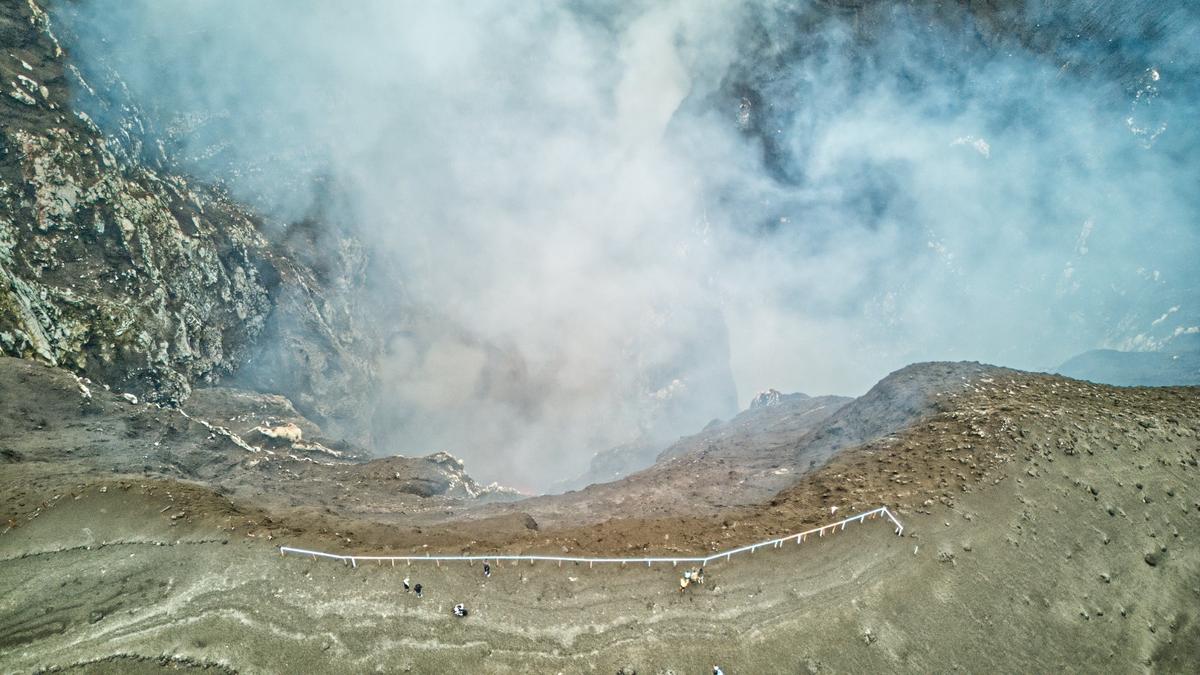
Standing at the edge of one of the world's most accessible active volcanoes is something you won't forget. Mt Yasur on Tanna Island has been erupting almost continuously since Captain Cook...
%20CREDIT%20VanuatuPocketGuide.com-900x507.webp?v=2026-03-08T01%3A25%3A31.660Z)
Which Islands to Visit in Vanuatu
Deciding which islands to visit in Vanuatu is half the fun and half the “how much is that flight again?” moment. With 83 islands, each with its own landscapes, culture and pace, Vanuatu is best explored slowly, especially when you’re trying to keep transport costs under control.
For backpackers and travellers on a budget, the trick is to choose fewer islands and spend more time on each. Domestic flights, ferries, boat transfers and local transport can add up quickly, so build your route around the islands that give you the best mix of affordable accommodation, local food, free or cheap activities and transport that actually works for your timeframe.
Port Vila and Efate
Choose Port Vila and Efate for the easiest and usually cheapest start to a Vanuatu trip. This is where you’ll find the widest choice of accommodation, supermarkets, markets, buses, budget-friendly eateries and organised tours, plus plenty you can do without flying anywhere else.
Efate is especially useful for short stays, first-time visitors and anyone travelling on a shoestring. You can base yourself near Port Vila, use local buses, eat at markets, visit beaches, swim spots and cultural sites, and still feel like you’ve had a proper Vanuatu trip without adding domestic flights straight away. See The Complete Travel Guide to Port Vila & Efate.
Espiritu Santo
Choose Santo if you want blue holes, beaches, snorkelling, WW2 history, local bungalows and a more nature-heavy trip. It can be excellent value once you’re there, especially if you slow down, stay outside the pricier resort bubble and choose a few activities carefully.
The catch is getting there. Flights or ferries between Port Vila and Santo can be a decent chunk of your budget, so Santo works best if you have enough time to make the journey worthwhile. If your budget allows only one outer-island add-on, compare Santo with Tanna before booking anything. See The Complete Travel Guide to Espiritu Santo.
Tanna
Choose Tanna if you want one of Vanuatu’s big adventure experiences without trying to visit too many islands. The island is known for dramatic landscapes, local-guided experiences, village stays and the mighty Mt Yasur.
For budget travellers, Lenakel makes a practical base, with a market and small grocery stores for stocking up, simple local places to eat and affordable guesthouses, some with kitchen access. If the volcano is your main focus, you’ll also find budget-friendly bungalows and treehouses around Mt Yasur.
The main expense to watch on Tanna is getting around. Flights to the island, airport transfers, transport between Lenakel and Mt Yasur and paid activities can quickly add up, so plan your budget around the whole trip rather than accommodation alone. See The Complete Travel Guide to Tanna.
Malekula
Choose Malekula if you want culture, village life, hiking and a quieter island experience away from the most common tourist route. It’s a good fit for curious backpackers who don’t mind simpler stays, slower transport and fewer restaurant-style conveniences.
Malekula is not the easiest island for a rushed itinerary, but that can work in your favour. Stay longer, use local bungalows, arrange food and transport through hosts, and treat the slower pace as part of the experience rather than a problem to solve with your wallet. See The Complete Travel Guide to Malekula.
What About the Other Outer Islands?
Beyond the main islands, Vanuatu has many more outer islands and provinces to explore, from remote cultural strongholds to beaches, volcanoes and low-key village stays. They can be rewarding for experienced travellers, but they’re not always cheaper once you factor in flights, boats, transfers, limited shops and the need to arrange meals through accommodation.
For travelling on a budget, the best approach is to add outer islands only when you have enough time, cash and flexibility. If not, there’s no shame in keeping things simple. Port Vila, Efate, Santo, Tanna and Malekula already give you plenty to work with.
For a broader look at where to go, see The Best Islands & Provinces to Visit in Vanuatu and 10 Less-Travelled Islands in Vanuatu. And if you’re tossing up between the two most common first-time choices, compare them in Which is Better, Port Vila or Santo?
Litzlitz Mangrove Lodge
from VT 2500/night
How to Get Around Vanuatu
Getting around Vanuatu is part of the adventure, whether you’re flying between islands, taking ferries, squeezing into minivan buses or bumping along in a local truck on the outer islands.
Because Vanuatu is spread across 83 islands, transport is best planned around how much time you have, how much flexibility you want and how much island-style unpredictability you’re willing to embrace. In other words, the cheapest option is not always the best option if it eats up half your trip.
Domestic Flights
Domestic flights are the quickest and most practical way to travel between Vanuatu’s main islands.
Flights from Port Vila to Santo take around 45-55 minutes, while flights to Tanna are usually around 40-45 minutes. Just note that baggage allowances can be limited on domestic and outer-island routes, so pack light unless you enjoy paying extra for trousers you never wear.
Learn more in our guide, Domestic Flights in Vanuatu: Your Guide to Interisland Flights.
Ferries
Ferries are the cheaper way to travel between some of Vanuatu’s islands, particularly between Efate, Santo and Malekula, with interisland ferry services operating around two to three times a week across several ferry companies.
There are also ferry services heading south from Port Vila to islands such as Tanna, Erromango, Epi, Emae and Ambrym, as well as from Santo to Ambae, Malekula and the Banks Islands. Ferries are useful if you have time, patience and a flexible itinerary.
Find out more in Vanuatu Ferry Guide: How to Use the Ferry for Interisland Travel in Vanuatu.
Buses in Port Vila
Buses are one of the cheapest ways to get around Port Vila and parts of Efate. These are usually minivans with “B” plates, operating more like shared shuttles than fixed-route buses.
You can flag them down from the roadside, tell the driver where you’re going and hop off when you reach your stop. They can be very handy around town, but travel times depend on where the driver is heading and who else is being dropped off along the way. Budget win, timetable mystery.
Buses are abundant in Port Vila and can often be more reliable than taxis there, while the opposite is generally true in Luganville. Find out more in Taking the Bus in Vanuatu: Bus Fares, Routes & More.
Car Rental
Car rental is one of the most popular ways to get around Efate and Santo at your own pace. There is a decent choice of rental companies in Port Vila and a smaller selection in Luganville.
For travellers on a budget, car rental usually makes the most sense if you’re splitting the cost with others, planning a full day of sightseeing or staying somewhere where buses are not convenient. On outer islands, roads can be rough, so vehicles are often 4WD pick-up trucks or utes rather than the compact little holiday cars you might be picturing.
Start with the 10 Best Car Rentals in Vanuatu and How to Drive in Vanuatu + 10 Road Rules You Need to Know.
Trucks on the Outer Islands
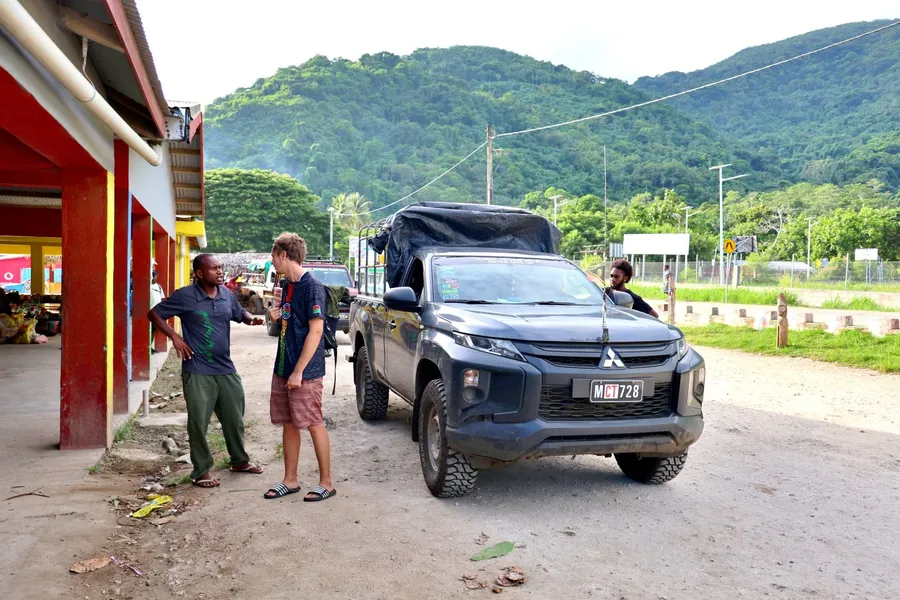
On less-developed islands like Tanna and Malekula, taxis are replaced by “trucks”, usually with “CT” at the start of the licence plate. These are one of the main ways to get around outer-island roads if you don’t have your own vehicle.
You can usually find trucks near the marketplace of the island’s main town, such as Lenakel on Tanna or Lakatoro on Malekula, and they’ll often pick up passengers from the roadside. If the truck is already doing the rounds, you’ll pay a smaller shared fare. If you need to call one out or charter it for a specific trip, it will cost much more.
Learn more in Taxis & Trucks in Vanuatu: Taxi Fares, How to Use & More.
Banana Boats
For shorter island-hopping, smaller boats, often called banana boats, connect larger islands with their offshore neighbours. They can be used for routes such as Malekula to nearby islands or from Efate to islands like Nguna and Pele.
These boats tend to run on demand, and in some areas, there are usually boats waiting at the wharf. Ask the price before getting in, confirm whether you’re paying per person or for the whole boat and be prepared for plans to depend on weather and sea conditions.
Learn more in How to Catch a Boat Transfer in Vanuatu: The Complete Guide.
For more transport options, check out Vanuatu Transport Guide: 20 Best Ways to Get Around Vanuatu.
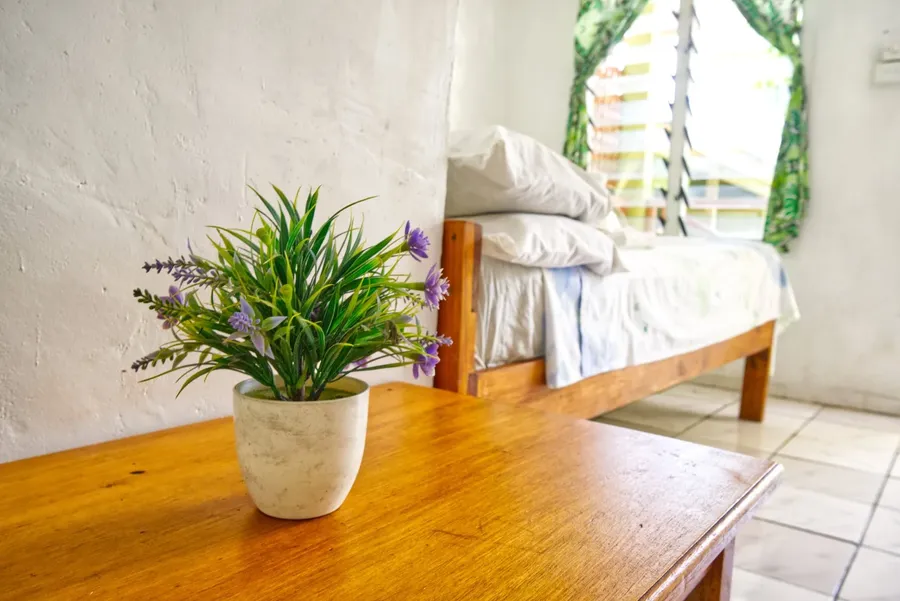
Where to Stay: Budget Accommodation in Vanuatu
Vanuatu’s budget accommodation scene is much more interesting than “cheap bed, plain room, sad fan”. Think locally run bungalows, simple motels, low-key hotels, guesthouses, backpacker-style stays and the occasional treehouse that makes your bank account and your travel stories equally happy.
As with many South Pacific destinations, facilities vary widely. Before booking, check whether your stay includes air conditioning or fan cooling, WiFi, ensuite bathrooms, breakfast, self-catering facilities, transfers and meals, especially once you head beyond Efate and Santo.
Compare stays across the country in the 50 Best Budget Accommodations in Vanuatu.
Budget Hotels
Budget hotels are mostly found around Port Vila and Luganville, making them useful if you want to stay close to restaurants, markets, buses, taxis, shops and the waterfront.
Expect private rooms, usually with more straightforward facilities than a resort. Some offer ensuite bathrooms, WiFi, breakfast, laundry, parking, restaurants, bars or self-contained room options, but always check the details before booking. Budget hotels are especially handy for late arrivals, early departures and first nights when you want things to be simple rather than wildly adventurous.
Compare hotel-style stays in the 40 Best Resorts & Hotels in Vanuatu.
Island Bungalows
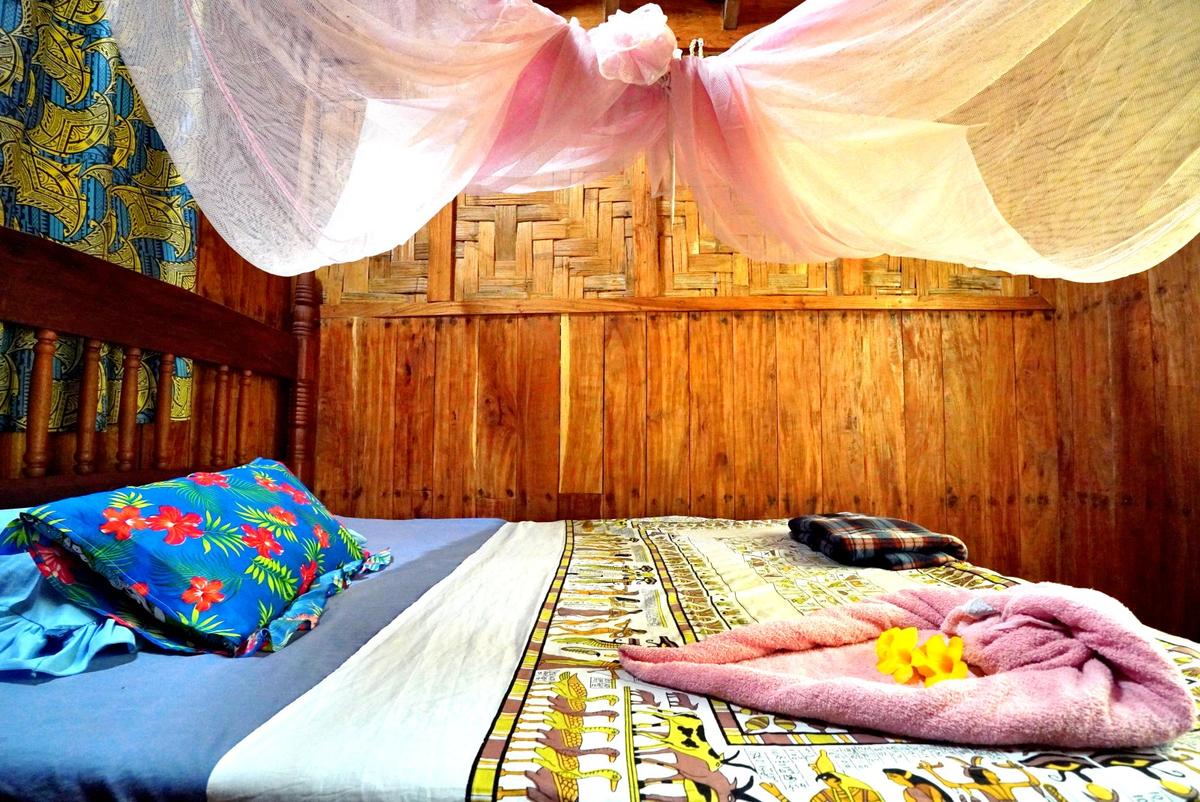
Island bungalows are where Vanuatu’s budget accommodation gets especially memorable. These are common on outer islands, offshore islands and village-based stays, with options ranging from traditionally constructed bungalows with shared facilities to beachfront rooms with an ensuite, meals and local activities arranged through your hosts.
This is a great option if you want your money to go toward a more local experience rather than a swimming pool you may or may not use. Expect simpler facilities, more personal hospitality, home-cooked meals, help arranging transport or tours and a stronger sense of place than you’ll usually get from a standard town stay.
Just ask about meals, transfers, electricity, charging points and bathroom facilities before you arrive. “Basic” can mean charmingly simple or “surprise, there’s no power tonight”, depending on the island.
Compare local stays in the 60 Best Bungalows & Guesthouses in Vanuatu.
Motels
Motels are a practical choice if you want affordability without going too rustic. You’ll find motel-style stays around Port Vila and Luganville, often with private rooms, fans or air conditioning, ensuite bathrooms, parking, WiFi, laundry or kitchen facilities depending on the property.
For travellers on a shoestring, the big win is self-catering. Some motels have rooms with kitchenettes or shared kitchens, which means you can stock up at markets and supermarkets instead of eating out for every meal.
Motels are also handy if you’re travelling between islands and need a straightforward night near town, the airport or transport connections.
Guesthouses
Guesthouses are another strong option for backpackers, solo travellers and anyone who prefers a more personal stay. These can include private rooms, shared rooms, dorm-style set-ups, shared bathrooms, communal areas and kitchen access, depending on the property.
Some guesthouses include breakfast, some have fruit from the garden, some offer WiFi at certain times of day and some are run by hosts who can help with local tips, transport and activities. In other words, guesthouses can be a budget win beyond just the room rate.
They’re especially useful around Port Vila, Santo, and Lakatoro. Tanna is a particularly good place to look beyond resorts. Around Lenakel, you’ll find simple guesthouses, including several with shared kitchens, while basic treehouses and bungalows closer to Mt Yasur give budget travellers another option. Breakfast is also included at a number of these local stays, which is one less meal to find and pay for.
Again, you can compare in the 60 Best Bungalows & Guesthouses in Vanuatu.
Other Accommodations in Vanuatu
Other accommodation in Vanuatu includes resorts, holiday homes, villas, self-contained lodges, treehouses, backpacker-style stays and homestays. Resorts are usually pricier but may work if you find a deal, while holiday homes and villas can be good value for groups, longer stays or travellers who want a kitchen.
For the widest overview of where to stay, see Where to Stay in Vanuatu: The Best Accommodations.
%20CREDIT%20VanuatuPocketGuide.com-900x601.webp?v=2026-08-08T19%3A33%3A28.732Z)
What is the Best Budget Accommodation in Vanuatu?
If you're not a fan of decision fatigue, here are a couple of our favourite stays to help you out.
Tanna Lava View Bungalows (Tanna)
Tucked into Isaka Village on the slopes of Tanna, Tanna Lava View Bungalows offers something you simply won't find at a resort: a genuine slice of village life, right beside one of the world's most active volcanoes.
Sleep in a handcrafted bungalow built from bamboo, coconut husk and palm, with a private ensuite, mosquito nets and a veranda looking straight out to Mt Yasur glowing on the horizon. The architecture is meticulous and clearly a labour of love; rustic, yes, but impressively so.
Two bungalows are available, each sleeping different group sizes. "Bungalow 1" has two single beds plus a twin, while "Bungalow 2" has one single and a twin, both with ensuite bathrooms and mosquito nets.
Breakfast is included each morning, with lunch and dinner available on-site for an extra cost. Free WiFi is also on hand, which is a welcome bonus given the remote volcano-side setting.
Nanwut Bungalows (Malekula)
For a private-island stay without the private-island price tag, Nanwut Bungalows puts you directly on the white sands of Uri Island. The stay includes simple bungalows with double or twin beds, mostly shared modern bathroom facilities and one ensuite option, with sand pathways linking everything together.
Breakfast is included, while lunch and dinner can feature fresh local dishes such as fish, taro and kumala. Kayaks, snorkelling gear, guided jungle walks and boat excursions can also be arranged. Solar lighting is provided, with charging in the communal dining area, but bring mobile data as there’s no WiFi.
JJ’s Bungalows (Port Vila and Efate)
For an affordable island escape near Efate, JJ’s Bungalows sits on the sandy shores of Pele Island. With just one large bungalow sleeping up to six people, it’s a simple but special option for groups, families or travellers who want a more local stay away from Port Vila. The rate includes accommodation and all meals, making budgeting refreshingly easy.
Expect basic facilities such as an outdoor shower, drinking water, tea and coffee facilities, plus complimentary kayaks for exploring the clear water. Host John can also show guests around the island, including local walks and surf spots for those with their own boards.

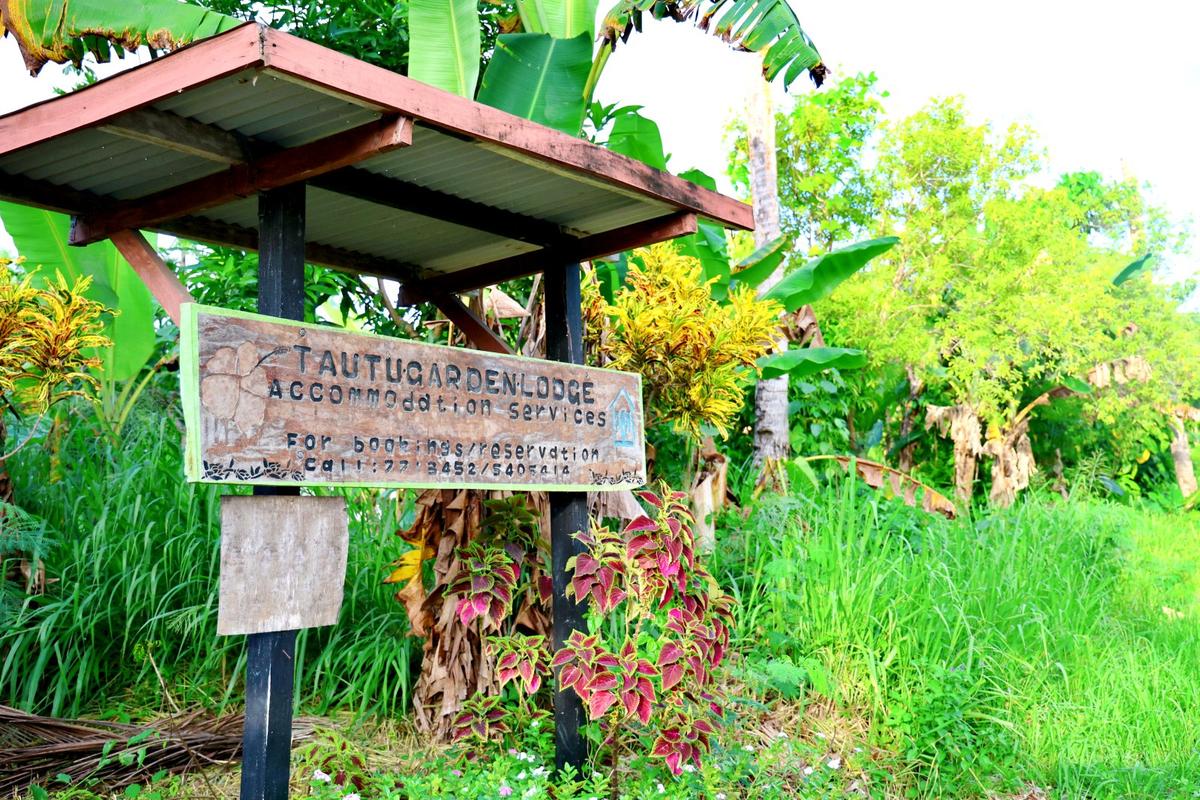
Tautu Garden Lodge
from AU$48/night
Things to Do in Vanuatu on a Budget
Contrary to what your bank account might fear, Vanuatu has plenty to do without throwing money at big-ticket tours every day. The highlights here are often the simple stuff: beaches, markets, snorkelling spots, blue holes, waterfalls, walks, villages and views that cost little or nothing to enjoy.
That said, “free” in Vanuatu can be a little different from what you might be used to. Natural attractions are often owned or maintained by local communities, so small entry fees are common, usually around 500-2,000 VT per person. Think of it less as a tourist tax and more as helping keep the place accessible, clean and locally managed.
Free and Cheap Activities in Vanuatu
When it comes to free and cheap experiences, you won’t be hard-pressed to fill your time in Vanuatu. Some of the biggest highlights can be enjoyed for a few hundred vatu or nothing at all, such as:
- Beaches - Relax on resort beaches, village beaches and quiet island shores where access is free or low-cost
- Snorkelling - Bring your own mask and explore lagoons, reef edges, offshore islands and sheltered coastal spots
- Blue Holes - Swim in clear freshwater pools, especially on Santo, with entry fees usually easier on the wallet than a full tour
- Markets - Browse fresh produce, island snacks, handicrafts and everyday local life in Port Vila, Luganville and outer-island centres
- Walking and Hiking - Take short coastal walks, jungle trails and village-area walks, checking whether a guide or access fee is needed
- Waterfalls - Visit cascades, swimming spots and limestone landscapes, often for a small local fee
- Museums and Historical Sites - Learn about Vanuatu’s culture, missionary history, World War Two sites and island stories
- Culture - Experience village life, weaving, sand drawing, fire walking, local food and kastom traditions, which are especially low cost if you're staying at an island bungalow.
Check out a complete list of budget-friendly ideas in the 50 Free & Cheap Things to Do in Vanuatu.
Other Activities in Vanuatu (If You Have the Budget)
Some Vanuatu experiences are worth budgeting for, especially if they’re the reason you came all this way in the first place. Consider keeping space in your spending plan for:
- Volcano Experiences - Visit dramatic volcanic landscapes, including Mt Yasur on Tanna or Mt Benbow and Mt Marum on Ambrym
- Scuba Diving - Dive reefs, underwater sites and the famous SS President Coolidge on Santo
- Kayaking and Outrigger Tours - Paddle through bays, rivers, lagoons, mangroves and island waters with local guides
- Boat Trips and Island-Hopping - Reach offshore islands, beaches, snorkelling spots and picnic locations
- Fishing - Join a charter or local-style fishing experience where available
- Sightseeing Tours - Explore island highlights with a guide, especially around Efate, Santo, Tanna and more
- Foodie Experiences - Try cooking classes, cacao tours, market tastings and local meals where available
- Guided Treks - Take on longer hikes, jungle routes or multi-day walks that require local guiding and transport
The budget move? Pick one or two paid experiences that really matter to you, then balance them with markets, beach days, self-guided walks and low-cost natural attractions. That way, you still get the big “wow, we’re in Vanuatu” moments without financially combusting by day three. Start making your bucket list with 101 Best Things to Do in Vanuatu.
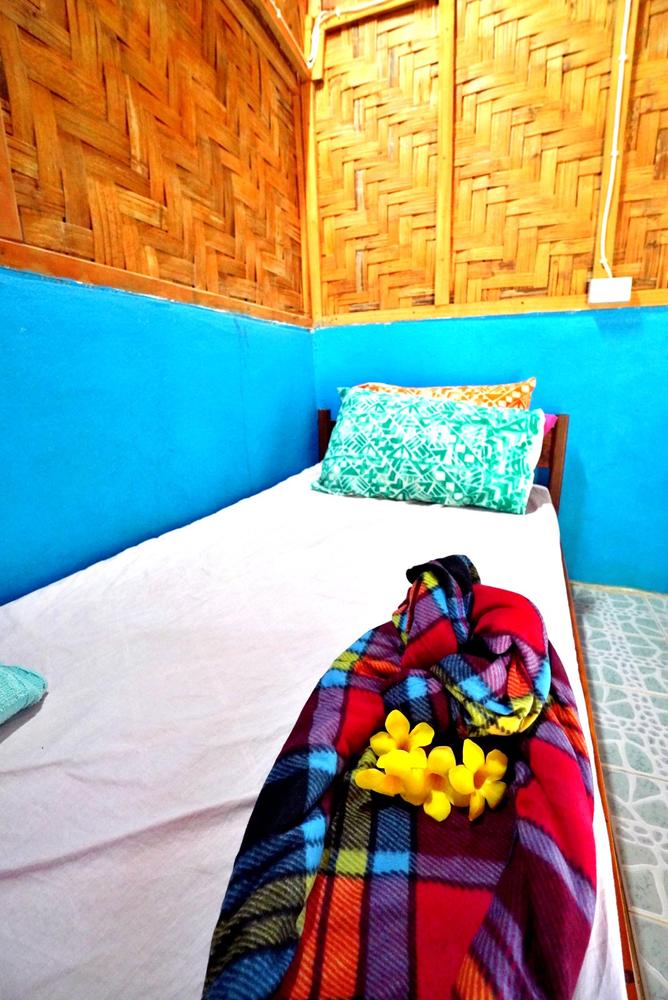
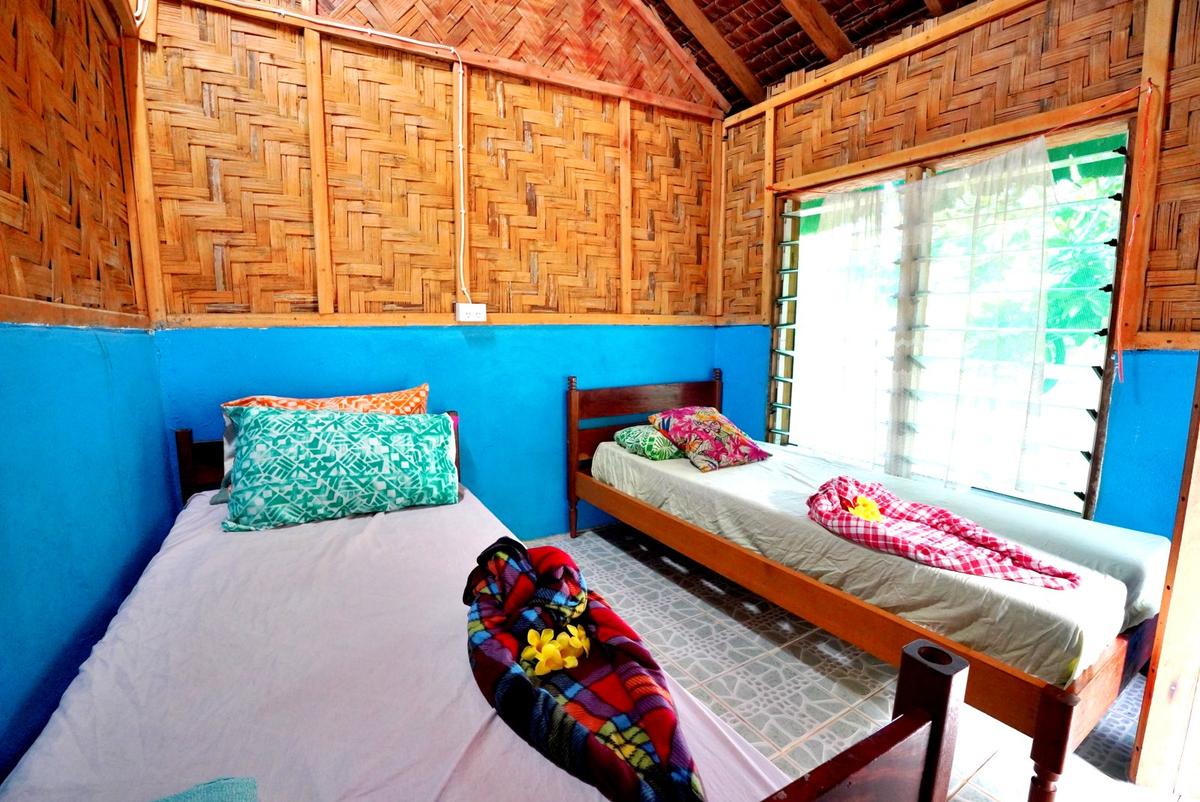
Where to Stay
Litzlitz Mangrove Lodge
Single Room (1 Single Bed) · Single Room (2 Singles) · Double Room
VT 2500/night
%20CREDIT%20VanuatuPocketGuide.com-900x601.webp?v=2026-03-07T22%3A43%3A35.442Z)
The Best Places to Eat in Vanuatu on a Budget
Food in Vanuatu changes a lot depending on where you are. In Port Vila, Efate and Santo, you’ll find the easiest budget food options, from markets and casual cafés to supermarkets, food parks, takeaway-style meals and accommodation with kitchen facilities.
On the outer islands, food is more often arranged through bungalow hosts, guesthouses, village stores, markets and local meals prepared with what’s fresh and available. In other words, don’t expect a late-night noodle run on Tanna or Malekula. Plan ahead and your stomach will remain your friend.
Everything you need to know about food in Vanuatu can be found in The Food Guide to Vanuatu: Places to Eat & Food Tours.
Markets and Cheap Eats
Markets are your best friend when travelling on a shoestring. Port Vila Central Market is the easiest place to start, with fresh fruit, vegetables, root crops, island greens, snacks and sometimes prepared foods. In Luganville, Luganville Market is handy for fresh produce and simple local ingredients, while Lakatoro Market is one of the more useful food stops on Malekula. On Tanna, Lenakel Market is another handy stop for fresh produce, while the town’s small grocery stores make self-catering realistic if your accommodation has a kitchen.
Restaurants and cafés come with the widest choice in Port Vila and around Efate, where you’ll find local-food-focused dishes, café favourites, casual eats, food parks and takeaway-style meals. Santo has a smaller but still useful dining scene in and around Luganville, including cafés, hotel restaurants, market meals and beachfront stops.
Find more dining options in the 20 Best Restaurants in Vanuatu and The Top Cheap Eats in Vanuatu.
Self-Catering
Self-catering is one of the easiest ways to save money in Vanuatu, especially if you base yourself in Port Vila, around Efate or in Luganville. Port Vila has the widest choice of supermarkets, markets and accommodation with kitchen facilities, while Luganville has workable grocery options and a market for fresh produce.
On the outer islands, self-catering becomes much more basic. Expect village stores, limited supplies, shared kitchens at some bungalows and whatever arrives with the next boat delivery. Translation: stock up before you decide that dinner will “just sort itself out”.
As self-catering is such a big topic to cover, we have a separate guide in A Guide to Supermarkets & Food Shopping in Vanuatu.
Special Diets
Special diets are easiest to manage in Port Vila, around Efate and in Santo’s main centres, where there are more restaurants, supermarkets and accommodation options with kitchens. Some restaurants and resort dining venues also offer stronger dietary options than you’ll usually find on the outer islands.
Further afield, the best approach is to contact your accommodation before arrival, explain your dietary requirements clearly and bring any specialist products you rely on. Fresh produce, root crops, rice, pasta, eggs, canned tuna, peanut butter and basic pantry staples are much easier to find than specialist allergy foods or vegan substitutes.
Check out Vanuatu for Vegans & Vegetarians + Best Restaurants and The Gluten-Free Guide to Vanuatu for more advice.
What Food to Try
Traditional Ni-Vanuatu food is often one of the best-value ways to eat, especially through markets, bungalow stays, local-hosted meals and cultural experiences.
Look out for laplap, often considered Vanuatu’s national dish, as well as tuluk, simboro, fresh fish, coconut-based dishes and local produce from the markets. You also can’t really leave Vanuatu without trying kava at a nakamal, although maybe start with a small shell unless you enjoy learning lessons the wobbly way.
Look out for the items listed in Traditional Ni-Vanuatu Food: 10 Foods to Try in Vanuatu, as well as 20 Best Foodie Experiences in Vanuatu.
Food and Water Safety
For food and water safety, the same practical travel advice applies: choose freshly cooked food, be sensible with market and roadside snacks, wash or peel produce if needed and ask your accommodation about drinking water before filling your bottle from the tap. Learn more about food and water safety in the Vanuatu Safety Tips: Is it Safe to Travel to Vanuatu?
For all things “food” in Vanuatu, including markets to visit, foodie tours, restaurant recommendations and self-catering advice, head to The Food Guide to Vanuatu: Places to Eat & Food Tours.
%20CREDIT%20VanuatuPocketGuide.com-900x601.webp?v=2026-03-08T01%3A22%3A13.066Z)
Typical Costs and Budget for a Trip to Vanuatu
We all travel very differently. Therefore, making a precise budget for everyone is an impossible task. Nevertheless, you can work out your own needs, thus budget, by simply looking at the typical prices listed below or in our article, Vanuatu Travel Budget: How Much Does a Trip to Vanuatu Cost?
The Cost of Accommodation
- Dorm bed/night - 2,000-4,000 VT
- Island bungalow/night - 3,500-10,000 VT
- Motel/budget accommodation ensuite room/night - 3,500-12,500 VT
- Mid-range resort ensuite room/night - 12,500-45,000 VT
- Luxury resort or villa/night - 40,000-230,000 VT
- Holiday home/night - 20,000-350,000 VT
The Cost of Food
- Main breakfast meal – 650-2,000 VT
- Main lunch meal – 1,200-3,200 VT
- Main dinner meal – 1,800-8,000 VT
- Small coffee – 280-500 VT
- Bottle of beer – 450-850 VT
- Bottle of wine – 2,500-12,000 VT
- Cocktail – 1,200-1,800 VT
- Mocktail or smoothie – 500-850 VT
- Soft drink – 200-450 VT
The Cost of Activities
- Natural attraction access - 500-2,000 VT
- Guided hike or cave tour - 9,500-20,000 VT
- Guided sightseeing tour - 4,500-15,800 VT
- Culture tour or cultural village experience - 3,500-10,000 VT
- Waterfall tour - 10,000 VT
- Sightseeing tour - 6,000-12,000 VT
- Snorkelling tour - 5,000-12,000 VT
- Kayak tour - 5,500-12,000 VT
- Scuba dive/single dive - 10,000-13,000 VT
- Fishing charter/half day - 50,000-70,000 VT
Road Transport Prices
- Car rental/day - 9,000-19,500 VT
- Bus/one-way trip - 150-500 VT
- Airport taxi transfer - 1,500-12,000 VT
- Outer island truck transport/person - 200-300 VT
Water and Air Transport Prices
- Domestic flight/Port Vila to Tanna - 17,600 VT
- Domestic flight/Port Vila to Santo - 19,320 VT
- Domestic flight/Port Vila to Malekula - 10,900-12,970 VT
- Ferry/Port Vila to Santo - 10,000 VT
- Ferry/Port Vila to Malekula - 8,000-8,500 VT
Spending Money for Vanuatu
Here are a few averages for a daily budget for Vanuatu. These include accommodation, food, local transport and take into account that you might participate in one paid activity each day. Each price is per person per day:
- Budget daily budget: 9,500 VT
- Mid-range daily budget: 34,000 VT
- Luxury daily budget: 121,000 VT
This does not include international flights, one-off interisland flights, ferries or any “we’ve come this far, let’s do it” extras.
More About Backpacking and Travelling on a Budget in Vanuatu
That's it for our complete backpacking and budget guide to Vanuatu, but it is by no means the end of our holiday advice! Check out the following guides for more essential budget tips:
- 20 Tips to Save Money in Vanuatu
- Vanuatu Itinerary: 14 Days / 2 Weeks (Port Vila, Tanna, Malekula & Santo)
- Vanuatu Itinerary: 10 Days (Port Vila, Tanna & Santo)
And if you simply can't get enough Vanuatu wisdom, head over to the 30 Tips for Travelling in Vanuatu.
Happy travels and thanks for checking out this budget and backpacking guide to Vanuatu!

-CUNL%20CREDIT%20VanuatuPocketGuide.com-900x600.webp?v=2026-03-08T01%3A22%3A10.914Z)