

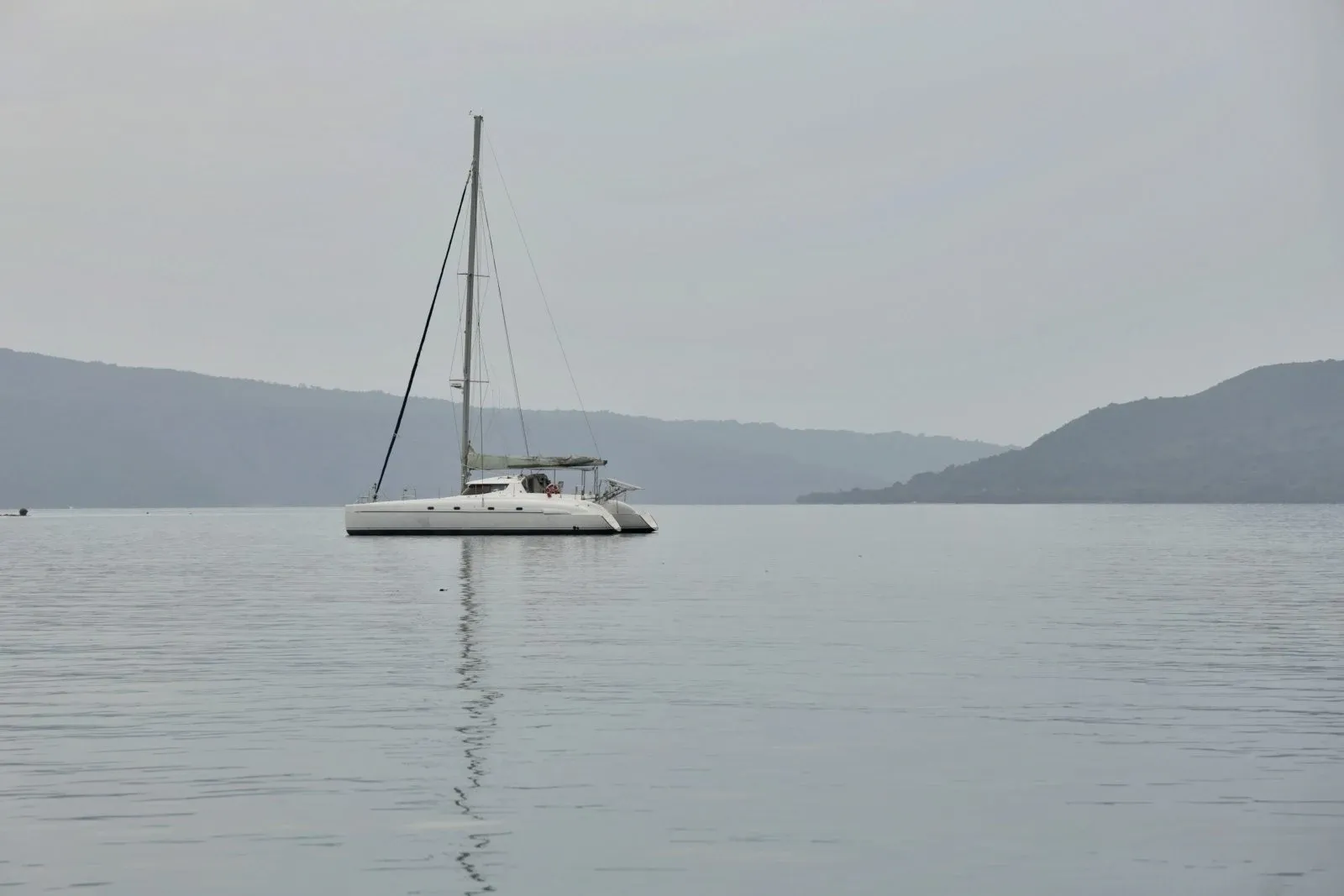
What You Need to Know About Sailing in Vanuatu
Located between New Caledonia and Fiji, the islands of Vanuatu offer a welcoming stop on the Transpacific journey for yachties.
With 83 islands scattered across the archipelago, Vanuatu makes for an extensive sailing ground with diverse experiences, from active volcanoes and traditional villages to vibrant reefs and secluded anchorages, offering far more variety than many other South Pacific destinations.
Furthermore, the country offers one of the most accessible landfalls if travelling west from French Polynesia or the Cook Islands, with excellent facilities and a well-established yachting community.
So, find out about the islands to visit, the clearance procedures and more in this complete sailing guide to Vanuatu.
This article is based on real on-the-ground research, not on AI scraping old content from the internet. Learn how we use AI!
Table of Contents
5 Quick Tips for Sailing in Vanuatu
- In-water hull cleaning is forbidden in Vanuatu waters. Ensure ballast water and holding tanks are empty before entering.
- The best time to clear in and out is within usual Government working hours (Monday to Friday, from 8 am to 5 pm - be aware of public holidays). There are extra fees for clearing in/out on weekends.
- Be strict with biosecurity rules throughout your stay, not just on arrival. Fresh fruit, vegetables, meat and foreign waste must not be taken ashore anywhere in Vanuatu unless explicitly permitted.
- Declare any gifts or donations you plan to give to locals in advance; there's a specific procedure and form for this.
- Be prepared for cyclone season (between November and April) when all vessels must vacate moorings during government cyclone warnings.
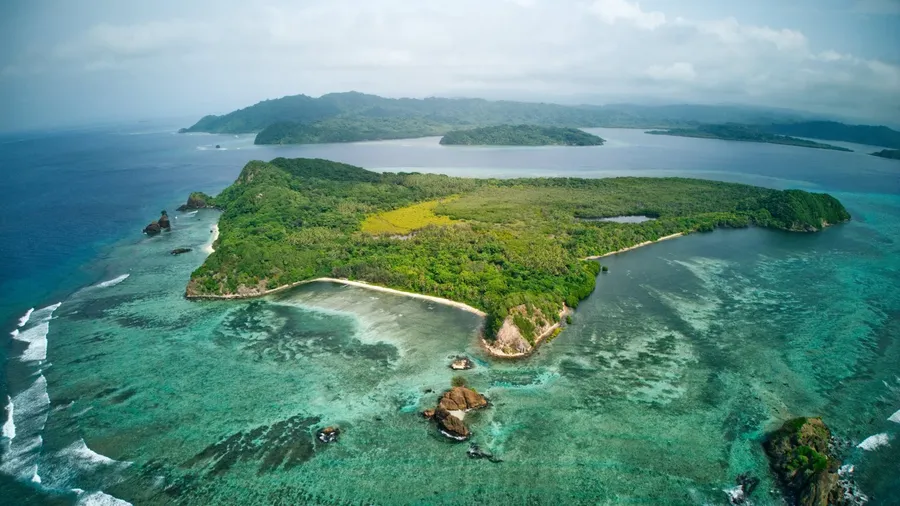
Where to Sail in Vanuatu
Vanuatu is made up of over 80 islands, with the main ones being Efate (home to the capital Port Vila), Espiritu Santo, Malekula, Erromango, Pentecost, Ambrym, Tanna and Ambae.
Logistically, Efate is the primary island for yacht visits, as it houses the capital Port Vila and the main harbour facilities. However, Luganville on Santo is also a very popular arrival point and well-equipped.
Find out more about the different islands in The Best Islands & Provinces to Visit in Vanuatu.
How Long Does it Take to Sail to Vanuatu?
Vanuatu can be included in South Pacific sailing itineraries, where most yachts approach from New Caledonia, Fiji or other Pacific islands. The journey from Nouméa to Vanuatu is approximately one to two days - see sailing times in How Long Does it Take to Sail to Vanuatu.
Sailing to Efate (Port Vila)
Efate is the most developed island in Vanuatu and the main service centre. Repair facilities and yacht services are primarily located on this island, such as Vila Marine and superyacht agents like Port of Call Vanuatu, so it's a good place to start and stock up before long voyages.
The island offers excellent provisioning options and marine services. Check out the Information, Shops & Services in Port Vila for services that might be helpful.
Berthing instructions for Lapeitasi Port, Port Vila's port of entry, can be obtained from Customs on VHF Ch.16 on arrival. See the "Clearing Customs for Yachts in Vanuatu" section below for more details.
As for experiencing Efate as a visitor, the island offers stunning natural beauty with a mix of sweeping beaches, cool (and hot) swimming holes, fascinating Melanesian culture witnessed through "culture villages" and museums, and excellent snorkelling and scuba diving opportunities around the coral reefs.
Head to The Complete Travel Guide to Efate and Port Vila to start planning your visit.
Sailing to Espiritu Santo (Luganville)
Espiritu Santo is Vanuatu's largest island, simply known as Santo, and offers good facilities for yachts. While not as developed as Efate, repair facilities and yacht services, like Total Marine Solutions, are available on this island, making it a suitable place to prepare for long voyages. The island also offers decent provisioning options; check out Information, Shops & Services in Luganville for services that might be helpful.
Note that some yachties have reported that you can't communicate with Customs via VHF radio in Luganville. Ensure to communicate via email prior to arrival for berthing instructions. See the "Clearing Customs for Yachts in Vanuatu" section below for more details.
As for experiencing Santo as a visitor, the island offers stunning natural beauty such as glorious beaches, freshwater swimming holes known as Blue Holes, captivating culture villages and WW2 museums, and world-class snorkelling and scuba diving opportunities, including the renowned SS President Coolidge wreck.
Head to The Complete Travel Guide to Espiritu Santo and Luganville to start planning your visit.
Sailing to Tanna (Lenakel and Port Resolution)
For yachties, Lenakel is particularly important as one of Vanuatu's four official ports of entry, where you'll find the primary customs facilities and basic services for yachts. If you're arriving in Vanuatu via Tanna, this is where you'll need to complete your clearance formalities before exploring more of the island.
Once cleared, Port Resolution, on the east side of Tanna, is the main anchorage used by visiting yachts. However, there's one important catch: Port Resolution is not recommended for anchoring in northerly winds, so keep a close eye on the forecast and local conditions before heading into the bay.
The Port Resolution Yacht Club is a useful shore base for yachties, monitoring VHF Channel 16 and helping visitors arrange transport to Lenakel, tours around Tanna and contact with the relevant authorities. There's no anchorage fee according to the Yacht Club, while activities that can be arranged locally include trips to Mt Yasur, custom villages, hot springs and nearby snorkelling spots.Permission to enter here can be granted by Customs for a fee.
Berthing instructions for Lenakel Port can be obtained from Customs on VHF Ch.16 on arrival. See the "Clearing Customs for Yachts in Vanuatu" section below for more details.
As for experiencing Tanna as a visitor, the island offers stunning natural beauty with active volcanic landscapes, traditional Melanesian culture witnessed through authentic village experiences, natural wonders like the giant banyan tree and the Blue Cave, and excellent opportunities to witness the dramatic lava displays at Mt Yasur volcano.
Provisioning on Tanna is more limited than in Port Vila, with Lenakel offering a market and general stores for everyday supplies. It's also worth noting that duty-free fuel is not available on Tanna, so plan your fuel stops accordingly before arriving.
Check out The Complete Travel Guide to Tanna to learn more.
Sailing to the Outer Islands
The northern islands (Malekula, Banks Islands and Pentecost) and southern islands (Erromango and Aneityum Island) are much less developed than Efate and offer a more traditional way of life.
It is possible to clear at Sola on Vanua Lava in the Banks Islands, as it is technically an official port of entry; however, you should check with customs before arrival, as there aren't always the proper authorities to clear you on the island.
Before anchoring at outer islands, you'll need to obtain proper clearance from Port Vila, Lenakel, Luganville or possibly Sola; see the section below for more details.
There are plenty of anchorages around Vanuatu with large sheltered bays found across all provinces. See the "Sailing Around American Samoa and Clearing Out" section below to check out anchorage options.
Once you have cleared in and are ready for domestic cruising, sail to Malekula for multi-day hiking through lush jungles to visit the Small Nambas tribes, or head to Ambrym for hiking up not one but two active volcanoes. Between April and June, don't miss the unique phenomena like the land diving on Pentecost.
Plan your visit starting with The Best Islands & Provinces to Visit in Vanuatu.
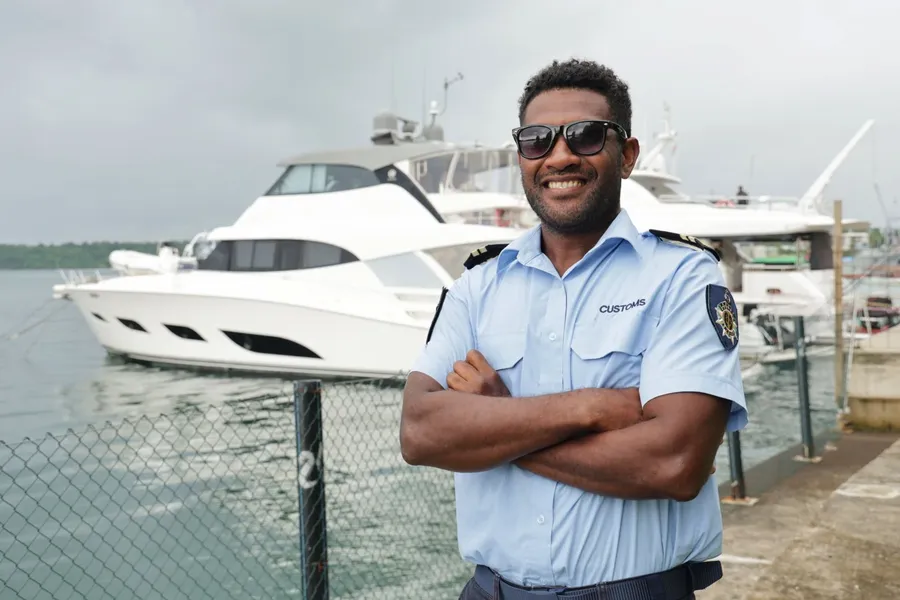
Clearing Customs for Yachts in Vanuatu
What are the Ports of Entry in Vanuatu?
There are four official ports of entry for visiting yachts and small craft in Vanuatu. These are Port Vila on Efate, Luganville on Espiritu Santo, Lenakel on Tanna, and Sola on Vanua Lava (when Customs officials are available).
You must clear into one of these ports first before heading anywhere else in the country. Even if your heart is set on visiting a gorgeous outer island or popular cruising spots like Mystery Island or Malekula, you'll need to tick this box first.
According to Customs officers we spoke with on our last visit, it is possible to contact Customs to clear at the gorgeous Port Resolution in Tanna for additional fees. This must be arranged at least 48 hours in advance and is subject to officials' availability.
Arriving anywhere other than an official port of entry without prior written permission from Customs can incur hefty fines or prosecution.
Vanuatu Yacht Arrival Procedure
All vessels heading to Vanuatu need to give Customs at least 24 hours' advance notice of arrival via email. You'll need to include your vessel name, the last three ports you've visited, estimated date and time of arrival, intended port of entry, skipper's name, contact details, full crew and passenger list, and a list of any goods you plan to land. See the "Essential Documents for Yacht Clearance Checklist" below for the full list.
Customs then arranges your clearance procedures with the appropriate authorities, including Customs, Immigration, Biosecurity and Health.
Once you enter Vanuatu's exclusive economic zone (roughly 200 nautical miles of any Vanuatu island), you're required to fly the yellow Q flag. When you arrive at Port Vila or Lenakel, you can call Customs on VHF Ch.16 to announce your arrival and await instructions.
Note that VHF communication is not currently operating in Lunganville, so you need to make alternative arrangements with the Customs team via email.
Customs will give you instructions on where to berth/anchor. For example, in the Port Vila Harbour, there is a yellow buoy set aside for Customs mooring.
Nobody goes ashore until you've completed Customs, Immigration and Quarantine clearance. The authorities in Vanuatu take this seriously, and arriving crew should expect thorough compliance checks.
Yacht Clearance Process in Vanuatu
All boarding (Customs, Immigration, Biosecurity and Health) usually happens together. The process typically takes 10-15 minutes if there are no complications.
Once you're cleared, you'll receive an Inter-Island Cruising Permit allowing domestic travel between islands. This allows you to move freely within the country without re-reporting to Customs until you either depart Vanuatu or apply for an extension.
Essential Documents for Yacht Clearance Checklist
Make sure you have these documents ready before arrival:
- Clearance from your last port
- Passports for all crew and passengers
- Completed crew and passenger lists
- Ship's registration papers
- Completed inward reporting form
- Completed passenger arrival forms
- List of goods to be landed or declared
- Inter-Island Cruising Permit (if you want to visit other islands in Vanuatu)
A list of the forms that can be completed in advance can be found on the Vanuatu Customs & Inland Revenues Department's website.
What Can't You Bring into Vanuatu on a Yacht?
Any firearms or ammunition on board must be declared on arrival and will be held at Customs until departure.
Certain goods are strictly prohibited, including narcotics, obscene materials and some types of firearms, with severe penalties for breaches.
We can attest that Vanuatu's biosecurity rules are also quite strict. Fresh meat, fruit, vegetables, animals and foreign garbage must not be taken ashore without permission, with honey specifically prohibited from entry. Fresh produce and plants must be declared upon arrival, and all rubbish must be disposed of for biosecurity purposes.
Other Biosecurity and Customs Restrictions
Additional restrictions include a prohibition on in-water hull cleaning while in Vanuatu waters, and ballast water and holding tanks must be empty before entering the country.
If you're planning to donate items to local communities during your visit, these must also be declared to Customs upon arrival, as there's a specific procedure and form for charitable donations regardless of their value.
What are the Port Dues and Fees for Yachts in Vanuatu?
All visiting yachts and small craft are required to pay port dues. The standard charge is 7,000 VT for the first 30 days or part thereof, with additional daily charges applying after this period.
Port dues are paid to the Ports and Harbours office, or to Customs at your final port of departure if the Ports office is unavailable.
How Long Can You Stay?
Visiting yachts arriving under their own power from a foreign port can remain in Vanuatu without paying import duty for up to 18 months within a 24-month period. For administrative purposes, an initial stay of six months is usually granted, with extensions required if you plan to stay longer - see Vanuatu Tourist Visa: Do You Need a Visa to Visit Vanuatu? to learn more about visa extensions.
During this time, the vessel must be for private use only and cannot be sold, hired, chartered or used commercially unless it meets specific superyacht criteria and has obtained the correct permissions.
While Vanuatu keeps things relatively straightforward for cruising sailors, the rules are crystal clear. Follow the process, clear in properly, and you'll find the country a rewarding and welcoming place to explore by yacht.
-SEB%20CREDIT%20VanuatuPocketGuide.com.webp?v=2026-03-07T23%3A48%3A10.010Z)
Sailing Around Vanuatu
Domestic Cruising
Once you've cleared Customs at your port of entry, you're free to explore Vanuatu's stunning islands by yacht, as long as you are provided the Inter-Island Cruising Permit by Customs officers.
You cannot visit places like Mystery Island, Port Resolution or any other anchorage outside the official ports of entry without proper clearance first.
Jumping the gun and visiting these spots before getting your permit or written permission from the Director of Customs is considered an offence. The potential fines and prosecution aren't worth the risk.
The same goes for going ashore anywhere in Vanuatu before completing your arrival formalities. Patience is key here.
What You Need to Know About Vanuatu's Inter-Island Cruising Permit
This handy permit is typically valid for up to six months and stays with the vessel's master throughout your journey. You can cruise between islands following your approved itinerary without constantly reporting back to customs.
The Inter-Island Cruising Permit can be completed before arrival and is typically processed on the same day as you clear in.
You'll only need to check in again when you're ready to depart Vanuatu for international waters or if you need to extend your permit.
Important Rules While Cruising in Vanuatu
Even with your permit in hand, all biosecurity rules remain in effect. Fresh produce, animals and foreign waste cannot be landed without permission, and any goods you plan to give away or donate must be declared to customs.
-SEB%20CREDIT%20VanuatuPocketGuide.com-900x600.webp?v=2026-03-08T02%3A04%3A38.300Z)
The Best Marinas and Anchorages for Yachts in Vanuatu
Malampa Province (Malekula, Ambrym, etc.):
- Maskelyne Islands: Calm, great snorkeling/diving, traditional villages.
- Lavrisi Yacht Club: In Maskelyne, offers meals and tours.
- Wala Island Yacht Club: Northern Malekula yacht club service island-style meals.
- South West Bay: Sheltered bay with local bungalows and the annual Nalawan Festival.
- Bamboo Bay: Well protected from southwesterlies.
- Tavendrua Bay: Another protected bay further north from Bamboo.
- Port Sandwich: Excellent cyclone hole/natural harbour.
- Port Stanley: Good SE shelter.
- Ambrym (Craig Cove/Nopul): Active volcanoes, culture (Rom Dance).
Tafea Province (Tanna):
- Port Resolution: Home to a village-run Yacht Club, nearby hot springs/caves.
Sanma Province (Espiritu Santo):
- Luganville (Segond Channel): Access to SS President Coolidge, Million Dollar Point, and town.
- Beachfront Resort Yacht Club, Luganville: Laundry, hot showers, water supply and garbage disposal.
- Ratua Private Island Resort Yacht Club: Two moorings and added services for yachties.
- Port Orly: Stunning eastern Santo anchorage.
- Champagne Beach: Another stunning eastern Santo anchorage, be prepared to pay access fees.
Shefa Province (Efate):
- Port Vila: Capital city hub.
- Yachting World: Marina in Port Vila with full facilities, including laundry and fuel dock.
Penama Province (Ambae, Pentecost):
- Ambae (Lolo Y Bay): Anchorage inside an extinct volcanic crater (coral pass needed).
Torba Province:
- Ureparapara Island: Unique volcanic caldera shape (northernmost).
It's important to note that you should anchor in sand or mud to protect coral reefs.
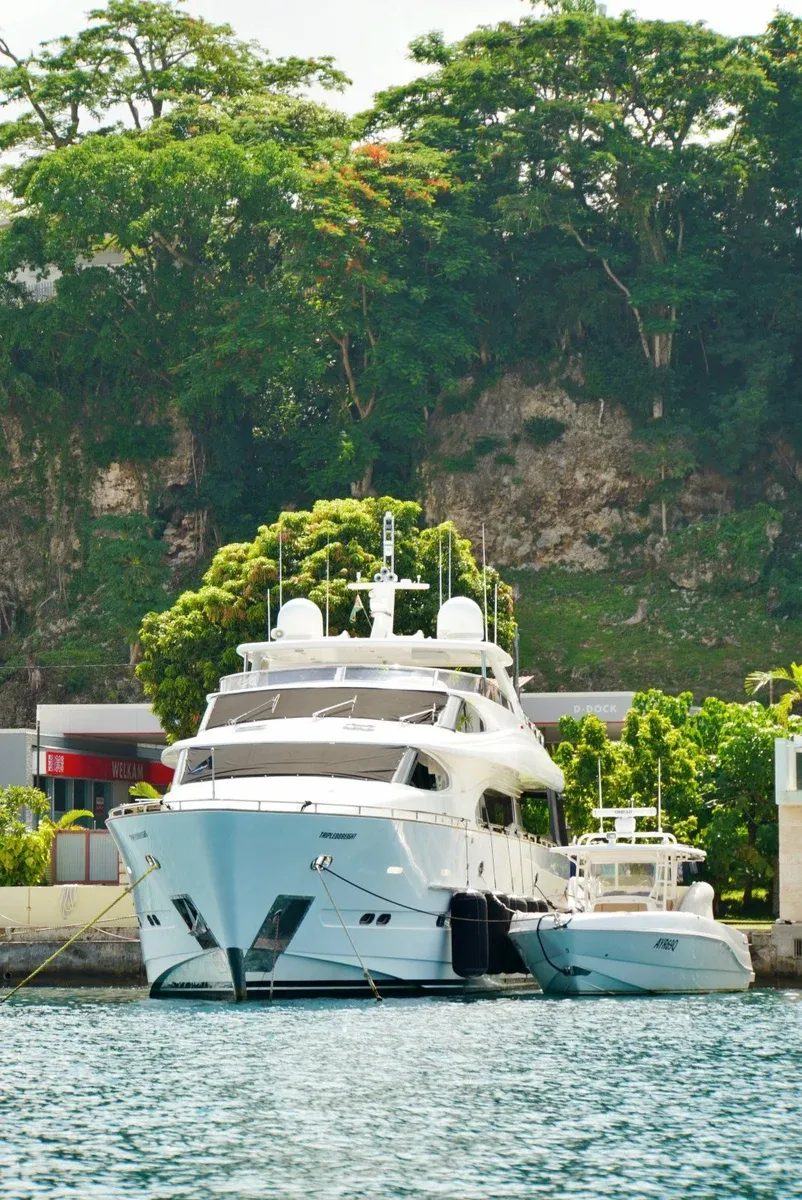
Clearing Out of Vanuatu
When it's time to say goodbye to Vanuatu, you'll need to officially clear out, once again, through Customs.
Again, you can only do this at one of four official ports: Port Vila, Luganville, Lenakel or Sola. Make sure you allow plenty of time for the paperwork, especially if you're departing near a weekend or public holiday.
Process for Yachts Before Departure
You'll need to give Customs a heads-up about your departure plans. Give them at least 48 hours' notice so they can sort everything out, but usually a week's notice is better.
Double-check that you've met all your temporary admission conditions and haven't overstayed your welcome without getting an extension first.
Final Checks and Payment
Before you can wave goodbye, you'll need to settle all your port dues. This includes any extra daily charges if you've stayed longer than the initial 30-day period.
Head to the Ports and Harbours office to make these payments, or pop over to Customs if the Ports office isn't available at your departure port. Customs will also make sure you're not taking anything you shouldn't be and that all your clearance requirements are sorted.
Learn more about departure fees in our guide, Vanuatu Tipping & Tax Guide for Travellers.
You're Free to Go
Once everything's cleared, you're free to head off to your next international destination.
Editor's Choice
Pacific Reef Sportfishing
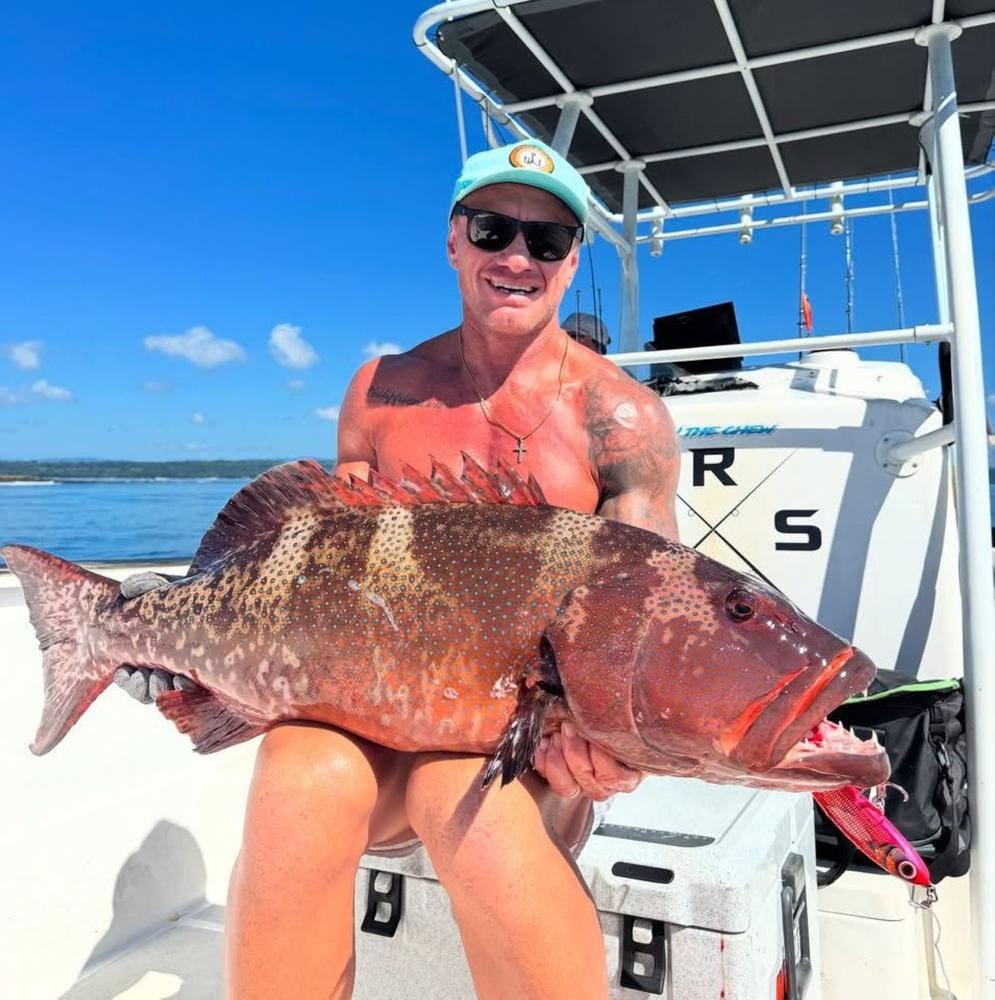
Spend eight hours on the water chasing some of Santo's most sought-after sport fish with Pacific Reef Sportfishing. From hard-fighting Dogtooth Tuna and Giant Trevally to Mahi Mahi, Wahoo, and...
More About Sailing in Vanuatu
That's it for our complete guide to sailing in Vanuatu. More tips for travellers arriving by yacht can be found in the following guides:
- The Duty-Free Allowances for Vanuatu
- Vanuatu Transport Guide: 10 Best Ways to Get Around Vanuatu
- Information, Shops & Services in Vanuatu
Finally, plan your whole trip to Vanuatu using The Complete Travel Guide to Vanuatu and the 30 Tips for Travelling in Vanuatu.

-%20BNCC%20CREDIT%20VanuatuPocketGuide.com-1-900x600.webp?v=2026-03-08T00%3A36%3A15.267Z)