

-SE%20CREDIT%20VanuatuPocketGuide.com.webp?v=2026-06-05T02%3A46%3A13.577Z)
Interesting Facts About Vanuatu
Want to know something fun about Vanuatu? We’ve compiled some of the quirkiest and most interesting facts about Vanuatu right here! Let’s not waste another second…
This article is based on real on-the-ground research, not on AI scraping old content from the internet. Learn how we use AI!
Table of Contents
1.The Word “Taboo” Comes from Tabu
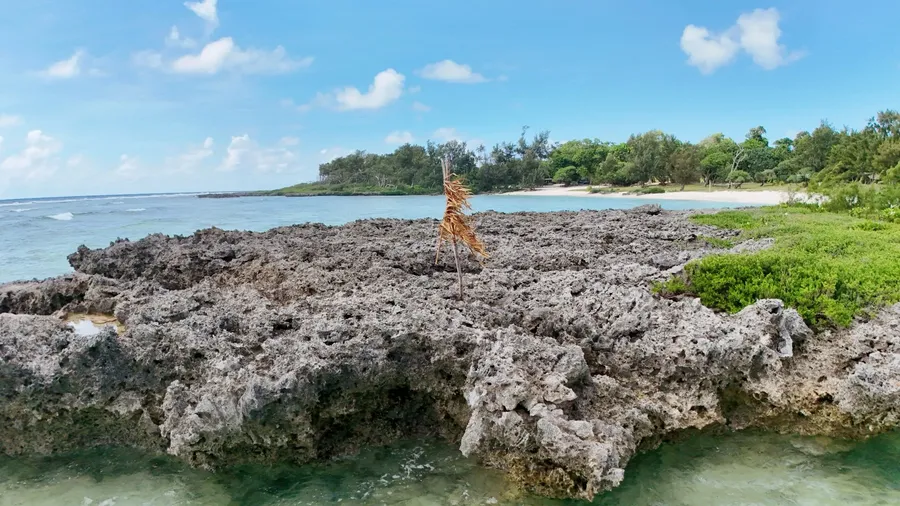
One of Vanuatu’s most interesting cultural words is tabu, which is where the English word “taboo” comes from. In Vanuatu and across parts of the Pacific, tabu can mean sacred, restricted or forbidden, depending on the context.
In its simplest form, you might see tabu used to mean “no entry”, such as when written across a doorway, path or area that people should not enter. But historically, tabu carried much deeper social and spiritual weight, marking things, places or behaviours that were protected by custom.
Ignoring tabu was not taken lightly. Depending on the place, time and seriousness of the breach, consequences could include compensation, such as the payment of pigs, while in more extreme traditional contexts, the punishment could be much more severe.
So, when you see a palm frond erected or tied to a post, gate, doorway or piece of land in Vanuatu, don’t treat it like casual decoration. It’s a traditional tabu marker, a cultural line in the sand, and one you should absolutely respect.
2.The Tanna Banyan Was Already Huge When Captain Cook Arrived
%20CREDIT%20VanuatuPocketGuide.com-900x633.webp?v=2026-08-08T19%3A16%3A18.810Z)
Legend has it that when Captain Cook reached Tanna in 1774, drawn by the glow of Mt Yasur, one of the island’s most remarkable banyan trees was already enormous.
Known as the Tanna Banyan, this giant tree is the kind of natural landmark that makes you feel delightfully small. Banyans grow by sending roots down from their branches, slowly creating a maze of trunks, aerial roots and shady chambers that can spread across an incredible area over time.
And that’s the fun part: if the legend is true, the tree wasn’t just standing there when Europeans first arrived, it was already old enough to be impressive. Talk about making an entrance by doing absolutely nothing for centuries.
3.Vanuatu Has Its Own Cargo Cult
-SEB%20CREDIT%20VanuatuPocketGuide.com-900x601.webp?v=2026-08-08T19%3A33%3A02.442Z)
Bamboo Bungalows Lonnoc Beach
from AU$102/night
One of Vanuatu’s more unusual cultural stories is the John Frum movement on Tanna, often described as a “cargo cult”. These spiritual movements emerged in parts of Melanesia around World War Two, when local communities saw huge amounts of Western military “cargo” arriving by ship and plane.
On Tanna, the John Frum movement blends traditional beliefs with American military imagery, flags and hopes for future abundance. It’s also seen by many as a symbol of resistance to colonialism and a way of preserving local identity.
The movement is still marked every year on 15 February with John Frum Day, featuring dancing, songs and parades. Learn more in the 10 Biggest Events & Festivals in Vanuatu.
4.There’s Also a Prince Philip Movement
-SEB%20CREDIT%20VanuatuPocketGuide.com-900x600.webp?v=2026-03-07T23%3A53%3A07.785Z)
As if the John Frum movement wasn’t fascinating enough, Tanna is also home to the Prince Philip Movement, centred around the belief that the late Prince Philip was a divine figure linked to an ancient mountain spirit.
The story goes that a spirit’s son travelled across the seas, married a powerful woman and would one day return. When villagers saw images of Queen Elizabeth II and Prince Philip during the colonial era, then later encountered the royal couple’s visit to Vanuatu in the 1970s, the connection became part of local belief.
Prince Philip even received a traditional nal-nal, or pig-killing club, as a gift, and later sent back a photo of himself holding it. After his death in 2021, followers said his spirit remained with them, with spiritual allegiance later shifting to King Charles III, who visited Vanuatu in 2018.
Only in Vanuatu can royal history, kastom, mountain spirits and a framed photo of a duke holding a ceremonial club all become part of the same extraordinary story.
Editor's Choice
Isles of Discovery Vanuatu Tours & Transfers
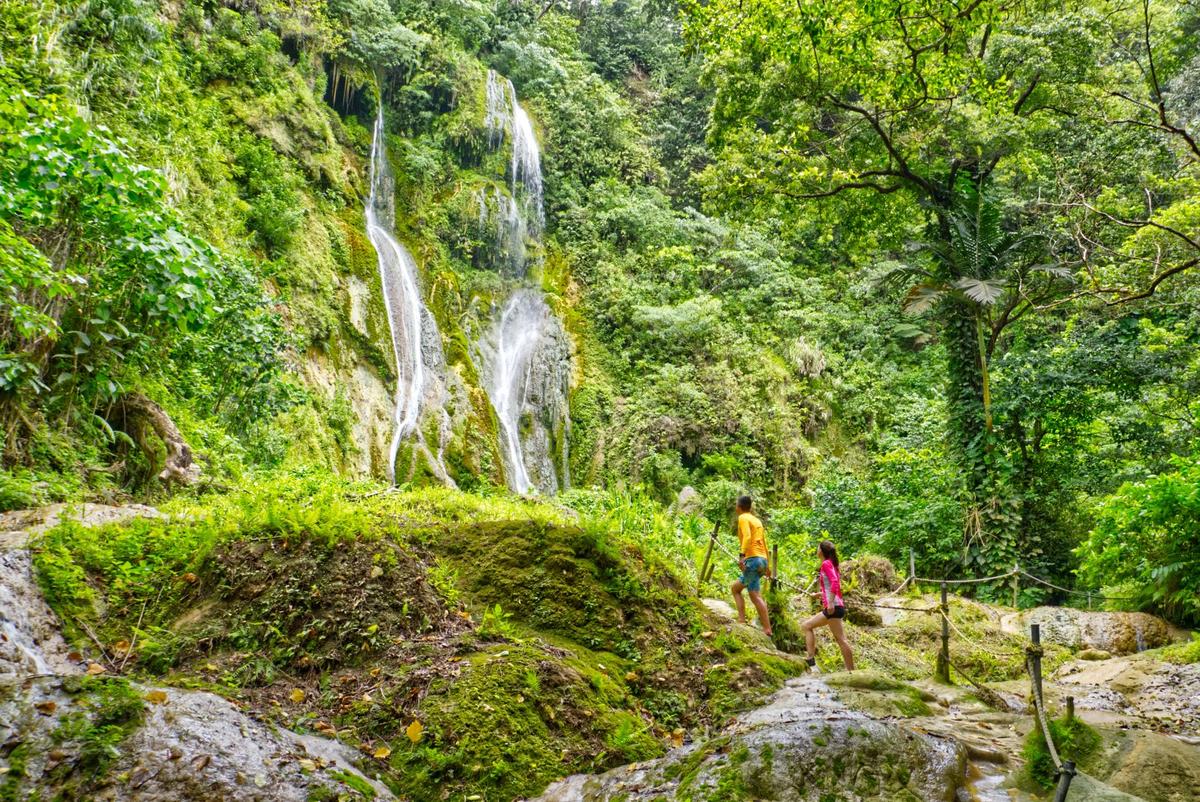
Hit three of Vanuatu's highlights in one easy morning. Walk the jungle paths and cool off in the tiered pools of Mele Cascades, savour a tasting of world-renowned Tanna Coffee, then browse...
5.Vanuatu’s Province Names are Island Mash-Ups
%20CREDIT%20VanuatuPocketGuide.com-900x601.webp?v=2026-03-07T22%3A49%3A27.444Z)
Here’s a neat little geography trick: most of Vanuatu’s province names are made from the first letters of their main islands. Once you know, you can’t unsee it.
Torba comes from the Torres Islands and Banks Islands, while Sanma is made from Santo and Malo. Then there’s Penama for Pentecost, Ambae and Maewo, Malampa for Malekula, Ambrym and Paama, and Tafea for Tanna, Aneityum, Futuna, Erromango and Aniwa.
The main exception is Shefa, the province that includes Efate, Port Vila and several surrounding islands. But overall, it’s a surprisingly tidy naming system for a country made up of so many islands.
Learn more in A Guide to the Provinces of Vanuatu & Best Islands to Visit.
6.Vanuatu Has the Highest Density of Languages on Earth
Isles of Discovery Vanuatu Tours & Transfers
from AU$110
For a country with a population of around 300,000, Vanuatu is wildly multilingual. The archipelago is home to around 138 indigenous languages, giving it one of the highest language densities on the planet.
That works out to roughly one language for every 2,000 people, or one language every 88 km² (34 mi²). Some islands are especially language-rich too, with Malekula alone home to dozens of distinct tongues.
All of Vanuatu’s local languages belong to the Oceanic branch of the Austronesian language family, while the country also has three official languages: Bislama, English and French. Bislama is the most widely used lingua franca, which is handy when your country has enough languages to make a dictionary cry.
Learn more in The Guide to Languages in Vanuatu.
7.You Can Walk to One of the World’s Most Accessible Shipwrecks
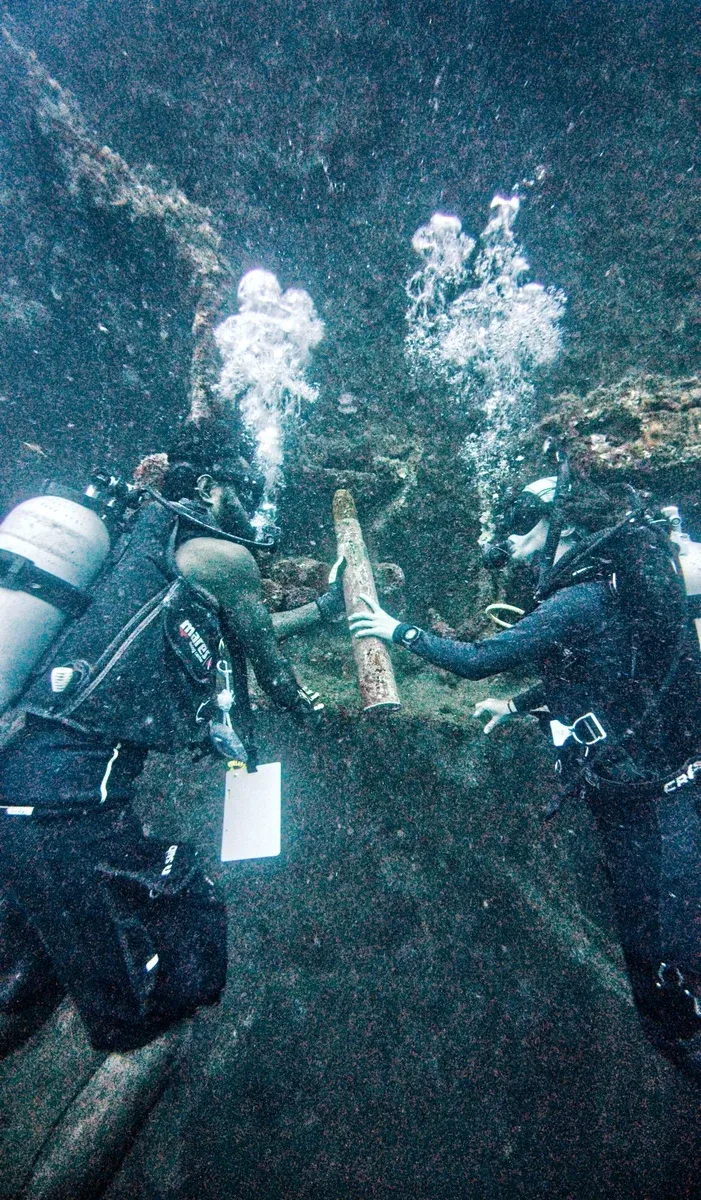
The SS President Coolidge off Espiritu Santo is one of Vanuatu’s most famous dive sites, and for good reason. This 200 m (656 ft) luxury liner turned troopship sank during World War Two and now rests just offshore near Luganville.
Here’s the fun part: you don’t need a boat to reach it. Divers can simply walk in from the shore and scuba dive the wreck, with parts of the ship sitting at depths of around 18 to 45 m (59 to 148 ft).
That makes the Coolidge one of the world’s most accessible major shipwrecks, which is not a sentence you get to say very often. One minute you’re standing on the beach, the next you’re exploring a massive underwater time capsule.
8.Vanuatu Inspired Bungy Jumping
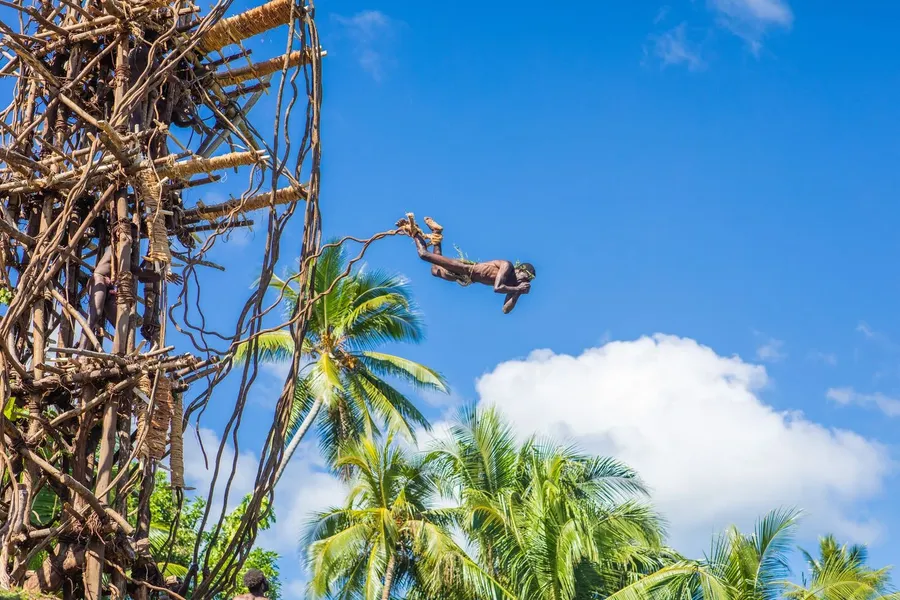
Whatever AJ Hackett says, the men of Pentecost were the real hardcore pioneers. Vanuatu’s famous land diving, or naghol, is the ancient ritual that inspired modern bungy jumping, except with wooden towers, ankle vines and absolutely none of the glossy adventure-tourism padding.
The ceremony is performed as a rite of passage and a blessing for the yam harvest, with local men leaping from tall wooden structures with vines tied to their ankles. Yes, actual vines. Suddenly that elastic cord back home looks a little less terrifying.
Land diving takes place seasonally from April to June, usually on Saturdays, and spots can book out quickly. Tours may include return flights from Port Vila or Luganville to Lonorore Airport, transfers and cultural village visits.
You can also visit Pentecost independently by flight or ferry and stay in basic local guesthouses or bungalows, but limited transport means you’ll need to plan ahead.
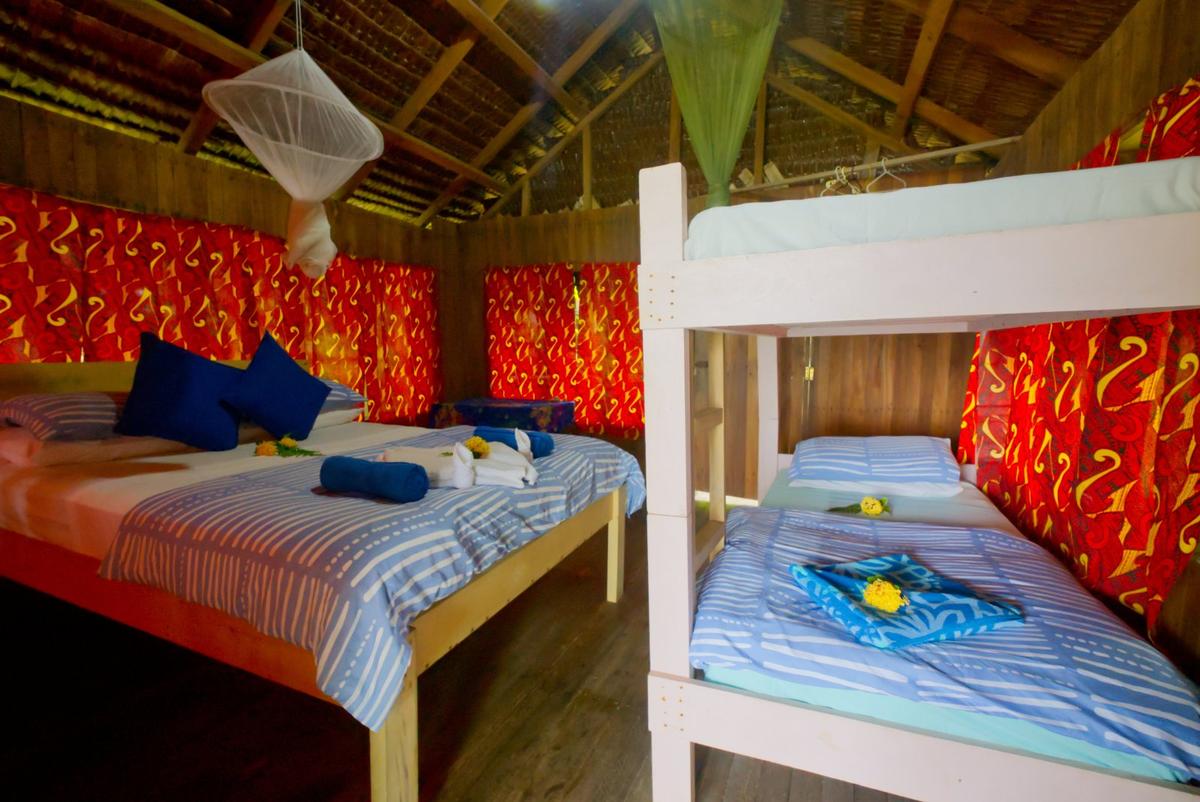
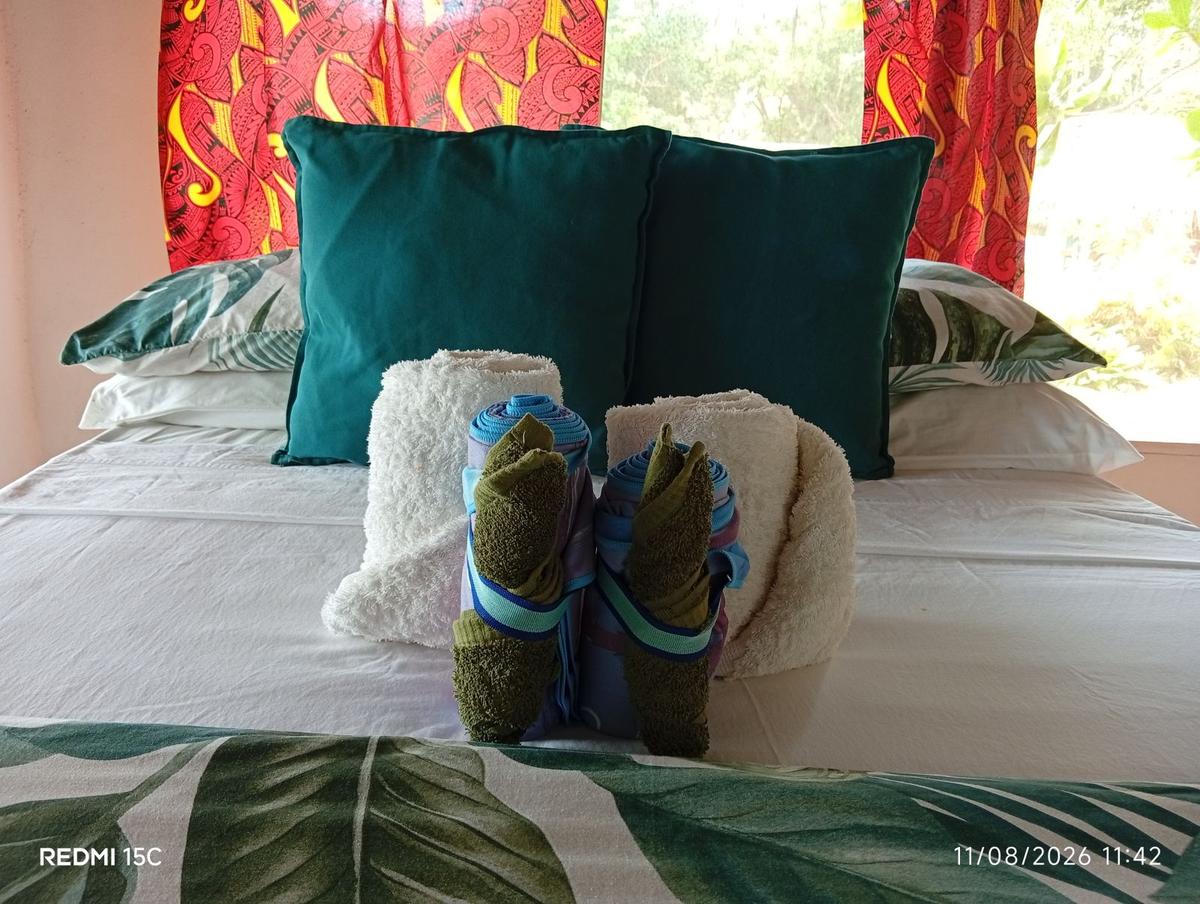
Where to Stay
Bamboo Bungalows Lonnoc Beach
Bamboo 2 & 3 (Family Rooms) · Bamboo 1 (Double Room)
AU$102/night
9.Cannibalism Continued into the 20th Century
-CUNL%20CREDIT%20VanuatuPocketGuide.com-900x600.webp?v=2026-03-08T00%3A56%3A52.688Z)
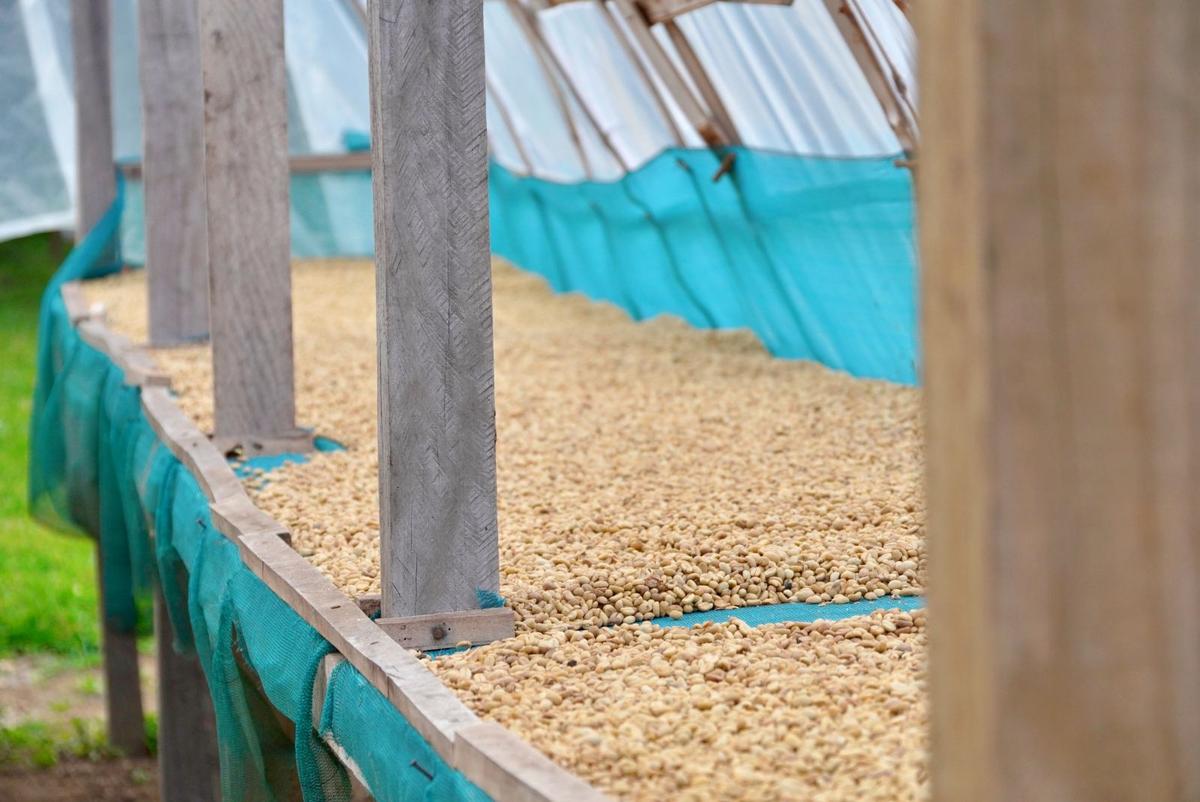
Tanna Gardens
from VT 600
Here’s one of Vanuatu’s darker historical facts: cannibalism was practised in some parts of the islands well into the 20th century, with the last widely cited documented case said to have taken place on Malekula in 1969.
But this wasn’t “people got hungry” cannibalism. In traditional contexts, it was usually tied to warfare, revenge, spiritual power and the belief that consuming an enemy could absorb strength, courage or life force. It was also used as the ultimate humiliation between rival groups.
The practice has completely ceased today, and modern Ni-Vanuatu communities generally regard it with a mix of cultural acknowledgement and taboo. It remains part of the country’s complex history, especially on islands where intertribal warfare, missionary contact, colonial pressure and blackbirding all shaped local stories in dramatic ways.
So, yes, Vanuatu has a cannibal history, but no, it’s not the cartoon version. As always, culture is more complicated than the travel-brochure headline.
10.Vanuatu Was Named the Happiest Country in the World Twice
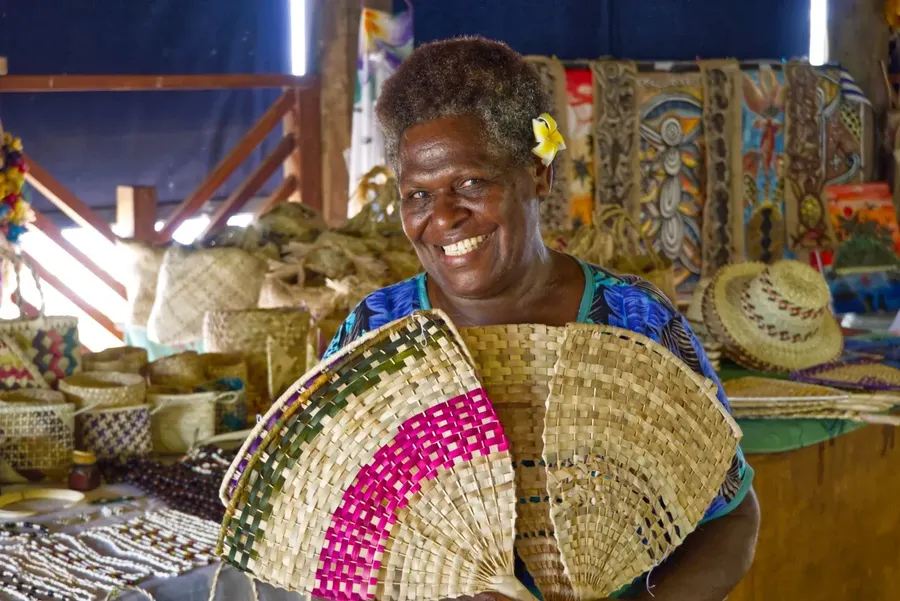
Vanuatu has twice been ranked as the happiest country in the world by the Happy Planet Index, which is a pretty good claim to fame for a nation of volcanoes, blue holes and very relaxed island time.
The first time was in 2006, when Vanuatu topped the inaugural index by the New Economics Foundation. It came out on top again in 2010, thanks to its strong mix of life satisfaction, life expectancy and a small ecological footprint.
The Happy Planet Index doesn’t just measure who is smiling the most on the beach (although Vanuatu would still have a decent shot). It looks at sustainable well-being, using factors like experienced well-being, life expectancy, ecological footprint and inequality of outcomes.
So, yes, Vanuatu has volcanoes, dugongs and beaches. But according to this index, it also has something even better: a lifestyle that once made it the happiest place on Earth.
More Fun Facts About Vanuatu
That's it for our list of fun facts about Vanuatu. For more interesting tidbits, check out more of our articles:
- 10 Things to Do in Vanuatu at Night
- Public Holidays in Vanuatu (& Other Important Dates)
- 15 Best Historical Sites in Vanuatu
Finally, learn more about the islands and a few quirks you need to be aware of when visiting in the 30 Tips for Travelling in Vanuatu.

%20CREDIT%20VanuatuPocketGuide.com-900x601.webp?v=2026-06-11T01%3A28%3A52.090Z)
-CUNL%20CREDIT%20VanuatuPocketGuide.com-900x600.webp?v=2026-03-08T01%3A22%3A10.914Z)