

%20CREDIT%20VanuatuPocketGuide.com.webp?v=2026-06-09T20%3A47%3A22.520Z)
Ni-Vanuatu Culture: A Guide to the Culture and Kastoms of Vanuatu
Beneath Vanuatu’s beaches, volcanoes, blue holes and palm-lined islands is one of the most diverse cultures in the South Pacific. Across 83 islands, Ni-Vanuatu culture is shaped by kastom, community life, traditional leadership, local languages, Christianity, ceremonies, food, dance, music and a deep connection to the land.
For visitors, culture in Vanuatu isn’t something kept behind glass or rolled out only for show. It’s in the sound of a tamtam, the first shell of kava at a nakamal, the hymns drifting from a village church, the woven baskets at the market, the stories behind sand drawings and the simple act of asking permission before visiting a beach or waterfall on kastom land.
The beauty of Vanuatu’s culture is that it changes from island to island, sometimes dramatically. This guide introduces the traditions, people, languages, customs and cultural experiences that help you understand Vanuatu beyond the holiday brochure, and travel with a little more respect, curiosity and appreciation along the way.
This article is based on real on-the-ground research, not on AI scraping old content from the internet. Learn how we use AI!
Table of Contents
10 Ways to Experience the Ni-Vanuatu Culture
Before we get into the traditions and customs of the Ni-Vanuatu culture, here are some ways to experience the culture as a visitor:
- Drink kava at a nakamal
- Experience the traditions of the Banks Islands at Leweton Cultural Village
- Witness the ultimate coming-of-age ritual of land diving on Pentecost
- Experience Pentecost traditions at Santo Fire Walks
- Take a tour of Wala Island with Nawori Sea View Bungalows
- Experience the Small Nambas at Rano
- Learn something new at the Vanuatu Cultural Centre
- Mingle with the locals at a produce market
- Browse local crafts at the handicraft markets
- Step back in time on the Chief Roi Mata’s Domain tour
All of these experiences are described in detail in the 20 Best Cultural Activities in Vanuatu. In the meantime, let’s dive deeper into the Ni-Vanuatu culture…
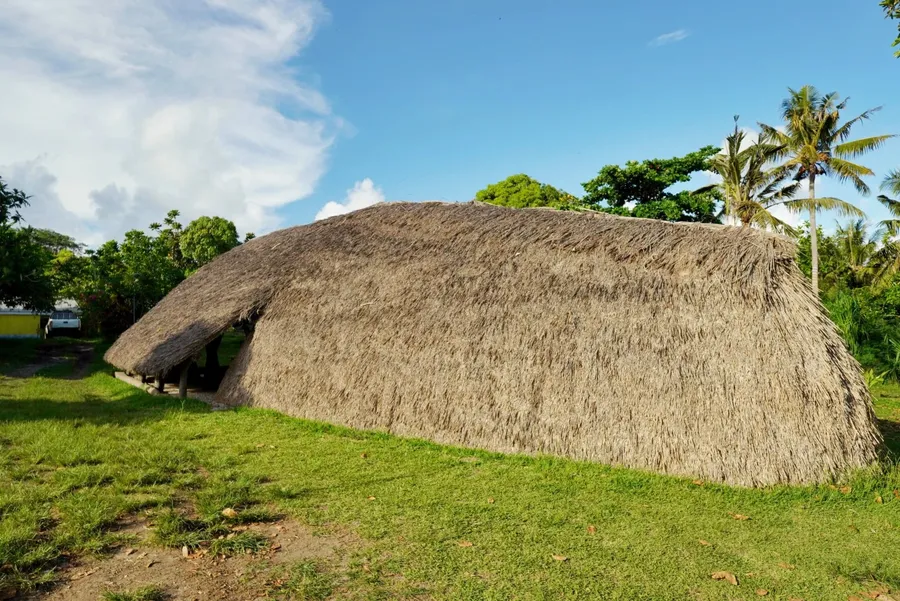
Ni-Vanuatu Societal Structure in Vanuatu
Vanuatu society puts great importance on community, family groups, village life and kastom (customary practices). While modern government, Christianity and everyday town life all play their part, traditional ways of organising land, leadership and social responsibility remain hugely important.
Land and Kinship: Belonging to Place
Land in Vanuatu is much more than real estate. More than 90% of land belongs to Indigenous custom owners and is tied to ancestry, identity and community responsibility.
People are often connected to land as man ples, meaning people of the place. This connection shapes who has rights to land, who has ceremonial responsibilities and how families support one another through life’s big events (and the small ones too).
Society is also organised through clans and family groups, where identity, obligations and rights are passed through kinship lines. In other words, the “we” often comes before the “I”.
Chiefs and Elders: Village Authority
Traditional chiefs and elders hold important authority in village life. They help manage social order, settle disputes and make sure that kastom laws are respected.
At a national level, the Malvatu Mauri (National Council of Chiefs) advises the government on matters relating to Ni-Vanuatu culture, heritage and language. So, while Vanuatu is a modern democratic country, traditional leadership is still very much part of the picture.
Regional Differences Across the Islands
With 83 islands, it’s no surprise that social structures vary across Vanuatu. A few broad patterns include:
- Northern Islands – Societies are often based around a graded system, where status is earned through exchanges and giving away wealth, including prized tusked pigs
- Central Islands – Social structures tend to follow more fluid Melanesian tribal systems
- Southern Islands – Leadership is often connected to hereditary titles and privileges
This is one of the reasons why Vanuatu’s culture feels so diverse from island to island. Just when you think you’ve understood one island, another one politely says, “Not so fast”.
Gender Roles in Vanuatu
Ni-Vanuatu society is largely patriarchal, with men traditionally holding much of the authority over land distribution, formal decision-making and village politics. That said, daily life relies on shared work, with both men and women contributing to gardening, fishing, family life and community obligations.
Women also play an important role in education, church life, markets and the wider economy, although representation in higher-level governance remains low compared with men.
The Nakamal and Exchange Economy
The nakamal is traditionally a central gathering place in village life, particularly for men. It’s where community matters are discussed, ancestors are honoured and kava is shared.
Vanuatu society is also shaped by reciprocal exchange rather than purely by cash. Ceremonies often involve giving food, goods or animals to strengthen relationships, mark milestones and keep social harmony ticking along nicely.
Modern Life and Kastom
Today, Ni-Vanuatu society blends kastom, Christianity, democratic government and the country’s British and French colonial legacy. In practice, this means ancestral traditions are not tucked away in the past; they continue alongside churches, schools, offices, markets and mobile phones.
That mix of old and new is a big part of what makes the Ni-Vanuatu culture so fascinating for visitors to understand.
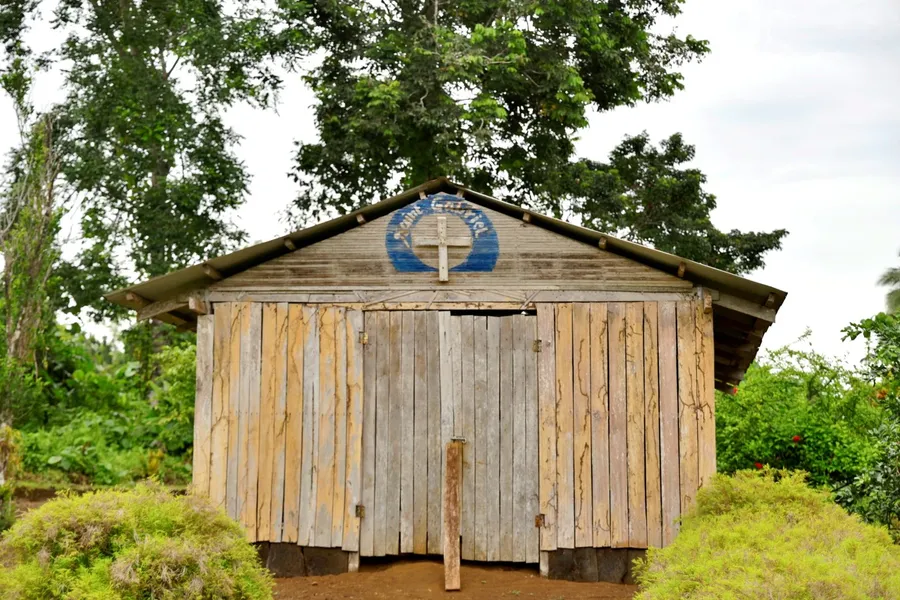
Religion in Vanuatu
Vanuatu is a religious country, with Christianity at the heart of community life. Introduced to the islands in the 19th century, Christianity still influences many everyday customs, from Sunday church services to prayers before meals and the church’s role as a community gathering place.
Churches are found in villages across the islands and visitors are often welcome to attend a Sunday service. Expect powerful a cappella singing, smart clothing and a strong sense of community (plus a useful reminder that “Sunday best” is not just a saying here).
Sunday is widely observed as a day of worship and rest, although Vanuatu doesn’t shut down as completely as some other Pacific islands. Many tourist activities, shops and restaurants still operate, but it’s respectful to keep noise levels down around churches and villages, especially during services.
The main Christian denominations include Presbyterian, Roman Catholic, Anglican, Seventh-day Adventist, Church of Christ and Assemblies of God. Traditional kastom beliefs also remain meaningful in some communities, often existing alongside Christian practices rather than replacing them.
Learn more about the history of Christianity in Vanuatu and which denominations are worshipped in The Guide to the Religions in Vanuatu.
%20CREDIT%20VanuatuPocketGuide.com-900x601.webp?v=2026-03-07T23%3A07%3A59.031Z)
Lonnoc Beach Lodge
from AU$168/night
Ni-Vanuatu Dance and Music
If there’s only one aspect of Vanuatu’s culture to witness or experience, it has to be Ni-Vanuatu dance and music.
Kastom Dance and Traditional Music
Traditional Ni-Vanuatu dance is deeply tied to kastom, storytelling, spirituality and the land. Across Vanuatu’s 83 islands, performances vary hugely, from sacred masked ceremonies to community dances that celebrate harvests, mark rituals or pass down legends.
Some of the most striking examples include the "Rom Dance" of Ambrym, an elaborate masked ceremony honouring ancestors, and the "Snake Dance" of the Banks Islands, where men paint their bodies and recreate the movements of snakes.
On Pentecost, dance and song are also part of the build-up to land diving, one of Vanuatu’s most famous rites of passage. Some of these performances can also be experienced at Santo Fire Walks, which brings the traditions of Pentecost to Santo.
Traditional instruments play a big role too. Large slit gongs, known as ating or tamtam, are carved from hollowed tree trunks and struck to create deep, resonant beats used in ceremonies, communication and performances (the kind of sound you feel in your chest before your ears catch up).
One of Vanuatu’s most unique traditional music forms is water music, or ëtëtung, from the northern islands of Gaua and Merelava in the Banks Islands. Performed by women, it uses the surface of the water itself as an instrument, with slaps, scoops and splashes creating complex rhythms and harmonies. For those of you that can't make it all the way to the Banks Islands, Leweton Culture Village brings these traditions to Espiritu Santo.
Witness traditional performances for yourself with the 20 Best Cultural Activities in Vanuatu.
Modern Music in Vanuatu
Like with many cultures, music in Vanuatu doesn’t stay in the past. Today, stringband music is one of the most popular local styles, usually featuring guitars, ukuleles, improvised percussion and rich vocal harmonies sung in Bislama or local languages.
In towns like Port Vila, you’ll also hear plenty of reggae, pop and hip-hop, often blended with local lyrics and Melanesian rhythms. For visitors, one of the best ways to experience Vanuatu’s modern music scene is at local festivals, especially Fest Napuan, where local and regional artists take to the stage.
Find more events worth timing your trip around in the 10 Best Festivals in Vanuatu.
%20CREDIT%20VanuatuPocketGuide.com.webp?v=2026-03-07T22%3A51%3A19.594Z)
Ni-Vanuatu Arts and Crafts
While traditional crafts were once made mainly for practical, ceremonial or spiritual purposes, today, Ni-Vanuatu arts and crafts are also a meaningful part of gifts, souvenirs and cultural demonstrations.
Sand Drawing
Sand drawing is one of Vanuatu’s most remarkable cultural art forms. Recognised by UNESCO as a masterpiece of intangible heritage, it involves artists using a single finger to trace continuous, symmetrical geometric patterns in the sand.
Far more than decorative doodling (although, yes, it will make your sand castles look extremely basic), sand drawing has traditionally been used as a form of communication, storytelling and cultural knowledge-sharing between islands. Visitors can sometimes see demonstrations at cultural villages such as Santo Fire Walks, as well as at the Vanuatu Cultural Centre in Port Vila on cruise ship days.
Wood Carving
One of the defining images of Ni-Vanuatu culture is wood carving, especially pieces inspired by kastom. These include miniature tamtam slit drums, masks, guardian figures and ancestor-inspired pieces, many of which represent spirits, sacred ceremonies or social rank.
Tamtam slit drums are among the most recognisable carvings in Vanuatu. Traditionally, they stand in sacred village clearings and are used to signal important events, so there is often much more meaning behind a carving than simply “that would look nice on the bookshelf”.
Weaving
Both men and women in Vanuatu create woven crafts using natural materials, especially pandanus fibre. Baskets, bags, fans, hats and other practical items are common at local markets and handicraft centres.
Long-strap pandanus bags are especially popular with visitors, not only because they’re lightweight and useful, but also because they come in plenty of patterns, colours and finishes. You’ll find them at places like Haos Blong Handicraft Market, Mahitahi Handicraft Market House, Malampa Handicraft Centre and Sanma Creative Hub. Check out the 10 Best Markets in Vanuatu.
Handmade Jewellery and Island Dress
Handmade jewellery is another easy-to-pack craft to look out for, often made with natangora pods, coconut shells, seashells and woven pandanus. Necklaces, bracelets and earrings are widely sold at markets, supporting local makers while giving you a much better souvenir than a fridge magnet.
The island dress is also an important cultural item in modern Vanuatu. Strongly associated with Ni-Vanuatu women, it reflects ideas of respectability, motherhood and stret fasin, meaning proper behaviour or appropriate manners. Travellers can have dresses, shirts or other garments made from vibrant kaleko fabric at local tailor shops.
For more ideas on what to look out for, check out the 10 Best Souvenirs & Gifts From Vanuatu.
Editor's Choice
Tobowon Tours & Transfers
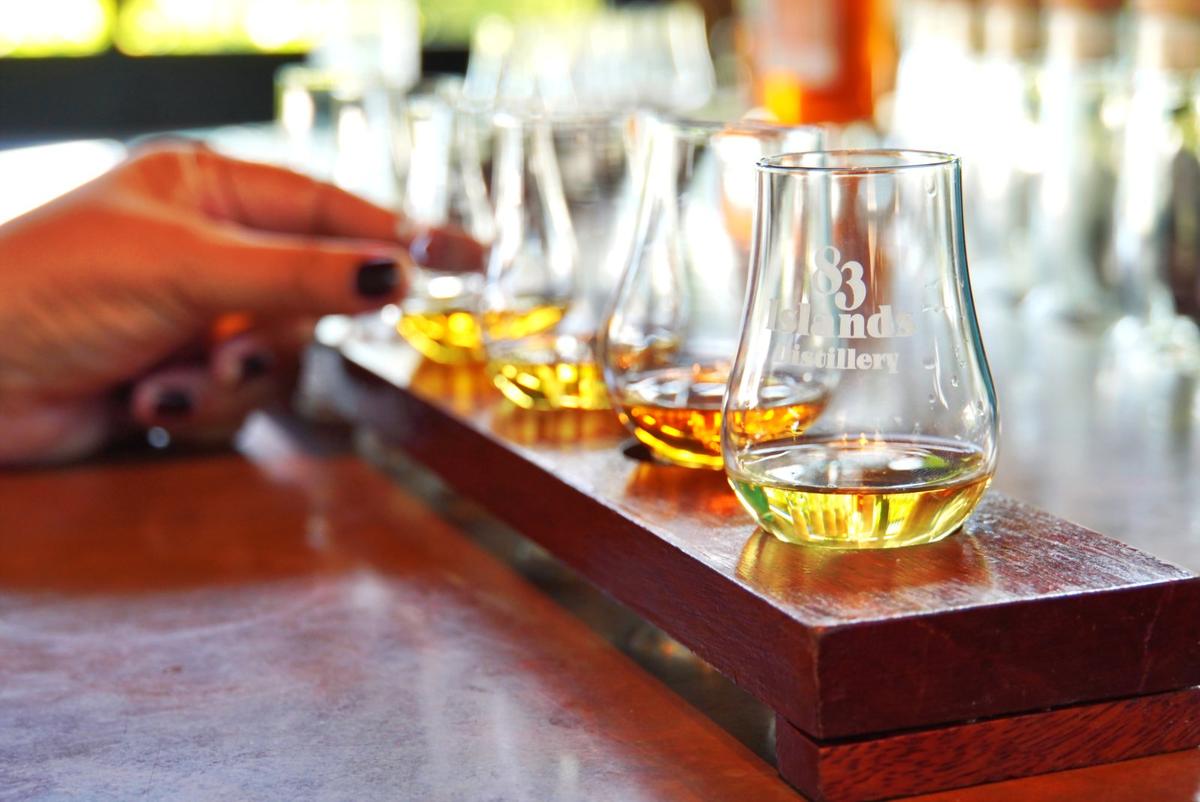
Three of Efate's most talked-about experiences rolled into one unforgettable day out. Start with a behind-the-scenes look at artisanal rum-making at 83 Islands Distillery, then head to Pepeyo...
%20CREDIT%20VanuatuPocketGuide.com-900x601.webp?v=2026-03-07T22%3A43%3A45.171Z)
Ni-Vanuatu Traditional Food and Drink
Like most cultures, food plays an important role in the Ni-Vanuatu lifestyle. While nowadays, Ni-Vanuatu enjoy a variety of international foods, especially in towns like Port Vila and Luganville, there are a few traditional snacks, meals and drinks that still hold strong at markets, roadside stalls, village visits, cultural tours and local bungalows.
For your complete bible to all things “food”, check out The Food Guide to Vanuatu: Places to Eat & Food Tours.
Ni-Vanuatu Food
One of the most iconic foods in Vanuatu is laplap, a hearty dish made with grated root crops, often yam, taro, breadfruit or cassava, then cooked with coconut milk in banana leaves. It’s the kind of meal that doesn’t need fancy plating to impress, although eating it by the ocean certainly doesn’t hurt.
Another must-try is tuluk, a speciality commonly found around Mele. Think of it as Vanuatu’s local burrito: grated cassava wrapped in banana leaves, filled and cooked until dense, warm and satisfyingly filling.
You may also come across simboro, which is similar to tuluk but wrapped in cabbage or local greens, giving it more of a leafy island spring roll personality. It’s often found at roadside stalls and cultural food demonstrations.
At nakamals, look out for wos-em mout snacks, literally “wash your mouth”, eaten after drinking kava to help with the earthy aftertaste. Fresh fruit, nangai nuts, yam, taro, breadfruit, seafood and coconut crab also all feature in Vanuatu’s traditional food scene, depending on the island, season and setting.
There’s a lot more where that came from, so head to our guide, Traditional Ni-Vanuatu Food: 10 Foods to Try in Vanuatu for more meals.
Ni-Vanuatu Drinks
The most important traditional drink in Vanuatu is kava. Made from the root of the kava plant, it’s served in coconut shells or small bowls and is deeply tied to social life, ceremony and evening gatherings at nakamals.
For visitors, drinking kava is one of the easiest ways to experience everyday Ni-Vanuatu culture. Just start small, follow local etiquette and don’t feel pressured to keep going unless you want to find out exactly how heavy your legs can feel.
For more on where to try it, see the 10 Best Kava Bars (Nakamals) in Vanuatu.
Tobowon Tours & Transfers
from AU$130
Languages in Vanuatu
Vanuatu is one of the most linguistically diverse countries on earth. Across the islands, there are around 138 Indigenous languages, plus three official languages: Bislama, English and French.
Bislama is the national language and the one that connects communities across Vanuatu’s many islands. It developed from an English-based pidgin during the 19th century, when Ni-Vanuatu workers from different islands needed a shared way to communicate. Over time, it became a stable creole language with English and French vocabulary, as well as Melanesian grammar and pronunciation.
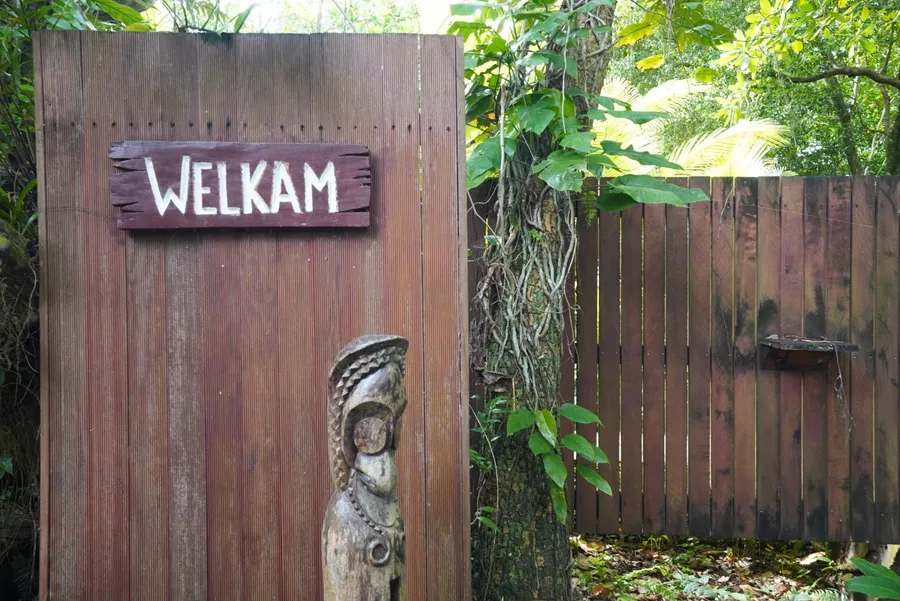
Many Ni-Vanuatu speak at least three languages: their local island language, Bislama and either English or French. For visitors, English is widely useful in tourism settings, but learning a few Bislama phrases is a simple way to show respect. You’ll hear words like kastom, nakamal, blong and lukem yu throughout your travels (and yes, Bislama is much easier to pick up than 138 local languages).
For useful phrases, pronunciation tips and more on how Bislama came to be, check out What is the Vanuatu Language? + Basic Phrases in Bislama.
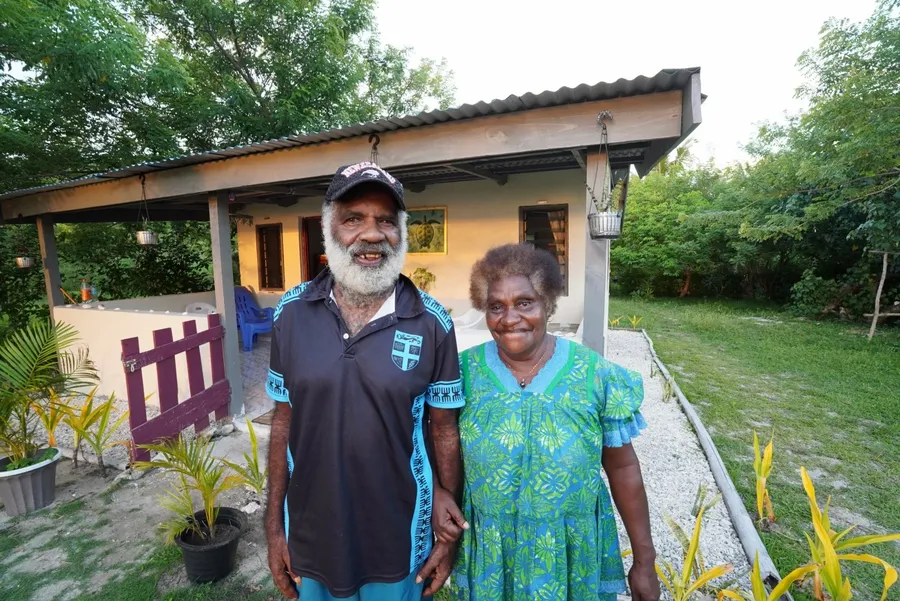
People and the Population of Vanuatu
What is the Population of Vanuatu?
According to the 2020 National Population and Housing Census, the population of Vanuatu was 300,019 in November 2020.
Vanuatu has a largely rural population, with 233,266 people living in rural areas and 66,753 living in urban areas. The main urban centres are Port Vila on Efate and Luganville on Santo.
What is the Ethnic Makeup of Vanuatu?
The ethnic makeup of Vanuatu, according to the 2020 census, is overwhelmingly Ni-Vanuatu. For people living in private households, the census records the following ethnic groups:
- Ni-Vanuatu: 291,035 (99.0%)
- Part Ni-Vanuatu: 534 (0.2%)
- Other Melanesian: 641 (0.2%)
- Polynesian: 135 (0.05%)
- Micronesian: 55 (0.02%)
- European, Australian and New Zealander: 800 (0.3%)
- Asian: 672 (0.2%)
- Other: 91 (0.03%)
This makes Vanuatu one of the more ethnically homogenous countries in the South Pacific, with Ni-Vanuatu culture shaping everyday life, village structures, land ownership, language, ceremony and community values.
Where Do People Live in Vanuatu?
The most populated province is Shefa, home to 103,987 people, or 34.6% of the national population. This is largely because Shefa includes Port Vila, Vanuatu’s capital and busiest urban centre.
The next most populated province is Sanma, with 60,884 people, followed by Tafea with 45,714, Malampa with 42,499, Penama with 35,607 and Torba with 11,330.
Vanuatu also has a young population. In 2020, 38.6% of the population was younger than 15, while the median age was 20.9 years. In other words, this is a country where family life, schools, village youth and the next generation are very much part of the cultural picture.
Learn more about Vanuatu's provinces mentioned above, check out The Best Islands & Provinces to Visit in Vanuatu.
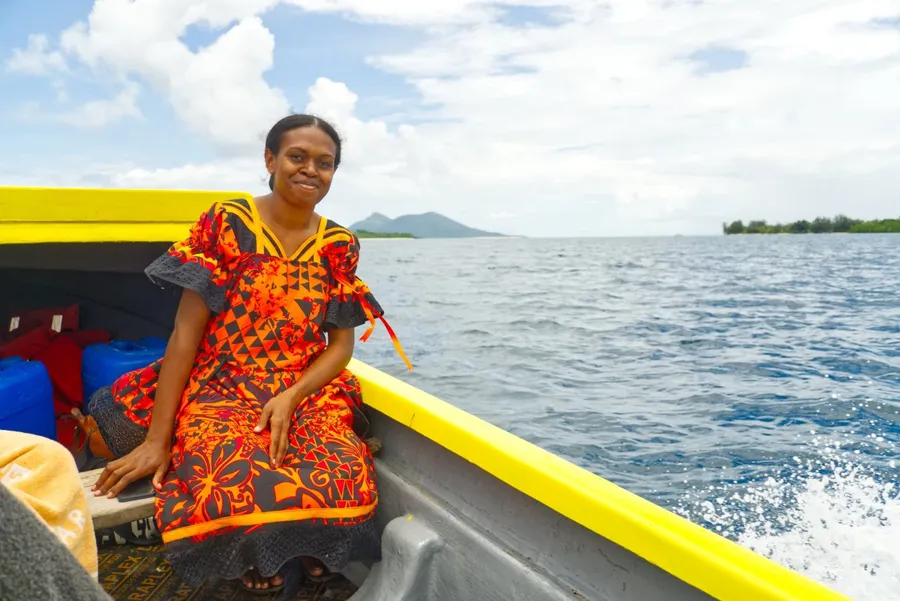
Ni-Vanuatu Customs
As discussed throughout this guide to the Ni-Vanuatu culture for travellers, Vanuatu is wonderfully welcoming but comes with a few important customs that should be kept in mind when visiting.
Clothing Etiquette in Vanuatu
When it comes to clothing, modesty is appreciated, especially in towns, villages and when visiting local communities. Swimwear should stay at the beach, pool or resort, so always have a lavalava (sarong) handy to cover up after a swim.
There is also some clothing etiquette to keep in mind for going to church, including that women should cover their knees, while men should dress smartly; a collared shirt is usually the done thing. Think “Sunday best”, but with island heat in mind.
Other Ni-Vanuatu Customs and Etiquette
Possibly the biggest thing for travellers to understand is that many beaches, waterfalls, blue holes and other natural attractions are on kastom land. Always ask permission, pay the entry fee and bring cash. Don’t pick fruit or plants without permission either, as they almost certainly belong to someone.
There’s also etiquette around nakamals (kava bars), where it’s customary to pour a little kava onto the earth before drinking as a gesture of respect. Around churches and villages, keep noise levels down on Sundays, and on Saturdays near Seventh-day Adventist churches.
In social situations, introduce yourself when walking on community land or visiting villages, especially where chiefs are present. Limited eye contact and curious stares are not usually signs of rudeness, while bargaining is not generally customary outside places like the handicraft market in Port Vila.
Go into all of the details of these customs in the Ni-Vanuatu Etiquette: Vanuatu Customs & Traditions.
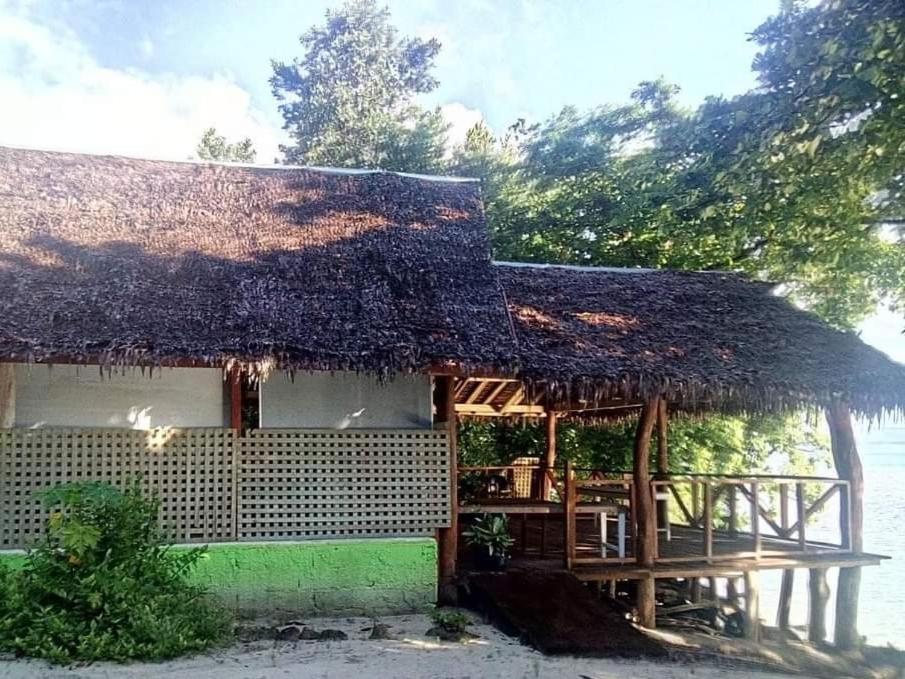
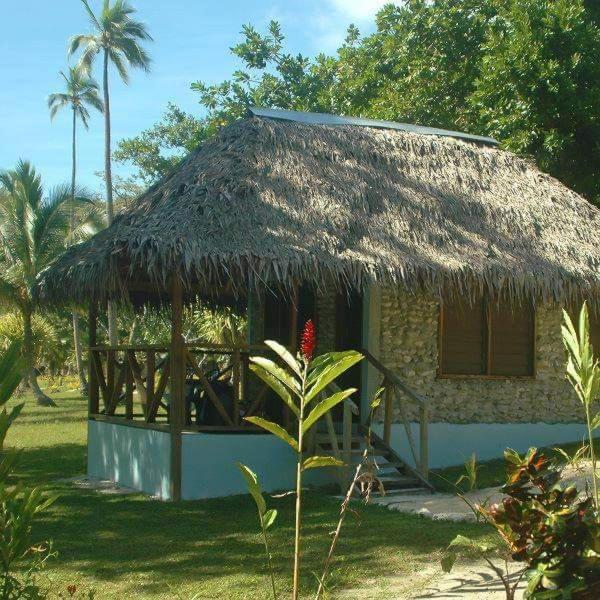
Where to Stay
Lonnoc Beach Lodge
Dormitory · Bungalows · Family Room
AU$46/night
More About the Ni-Vanuatu Culture
That's it for our guide to the Ni-Vanuatu culture, but the culture is so complex that we certainly have more to say on the matter! Check out our other guides concerning the culture of Vanuatu:
- Vanuatu Etiquette: Vanuatu Customs & Traditions
- 20 Best Cultural Activities in Vanuatu
- 10 Best Historical Sites in Vanuatu
Finally, don't miss a thing about planning a trip to Vanuatu by checking out The Complete Travel Guide to Vanuatu and 30 Tips for Travelling in Vanuatu.

%20CREDIT%20VanuatuPocketGuide.com-900x601.webp?v=2026-06-11T01%3A28%3A52.090Z)
-CUNL%20CREDIT%20VanuatuPocketGuide.com-900x600.webp?v=2026-03-08T01%3A22%3A10.914Z)