
Where to Find Museums in Vanuatu
Before you go galavanting around the islands of Vanuatu, educate yourself about the history and culture of this fascinating South Pacific nation at its local museums.
Not only can Vanuatu’s museums provide fascinating context to the sights you discover on your travels but, well, they’ll also provide relief from the sweltering heat, or rain, as the case may be. That said, we've also included some outdoor attractions that feel similar to a museum.
From museums showcasing Vanuatu's breadth of cultural artefacts to relics from World War Two, Vanuatu's museums strike the perfect balance of culture and history.
Discover the best museums in Vanuatu with this comprehensive list.
This article is based on real on-the-ground research, not on AI scraping old content from the internet. Learn how we use AI!
Table of Contents
1.Vanuatu Cultural Centre (Port Vila & Efate)
If there's only one museum that you manage to visit in Vanuatu, make it the Vanuatu Cultural Centre, unofficially known as the "National Museum of Vanuatu".
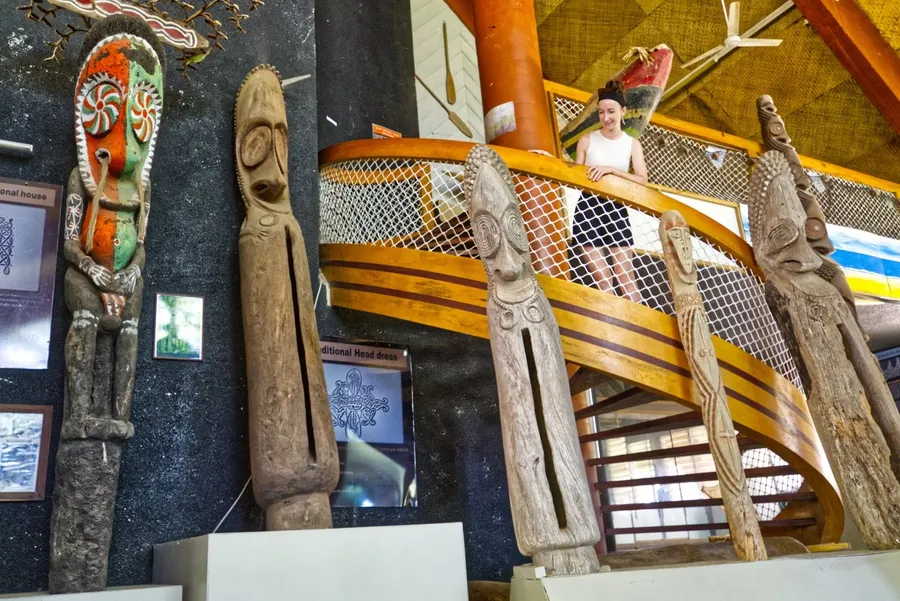
Housed in a stunning traditional building right across from the parliament, the museum beautifully displays its collection of traditional artefacts, including tamtam (slit drums), outrigger canoes, ceremonial headdresses, shell jewellery and examples of Lapita and Wusi pottery.
The museum features several fascinating displays that bring Vanuatu's history to life. Look out for the striking painting depicting Vanuatu's first animals, and the powerful blackbirding display documenting the tragic period when people from Queensland kidnapped Ni-Vanuatu people. The sacred headdresses from Malekula are particularly impressive – these ceremonial pieces were traditionally worn when electing or promoting leaders.
The guided tours are definitely worth considering, with knowledgeable staff available to help visitors understand the cultural significance of the displays. When cruise ships arrive, the museum also hosts extended presentations in its dedicated area, such as sand drawing demonstrations that used to be as communication between communities.
Located right in the entrance hall, the museum shop is a treasure trove with an excellent selection of exclusive gifts, carved souvenirs, locally designed t-shirts, posters and books. All proceeds support the museum's ongoing collection development.
The Vanuatu Cultural Centre is open from 9 am to 4:30 pm, Monday to Friday, with Saturday hours from 9 am to 12 pm.
Rue d'Atrois, Port Vila, Efate. Opposite the Parliament House.
2.The South Pacific WWII Museum (Espiritu Santo)
Over on Vanuatu's largest island, Santo, take a look at some tangible relics from the past at the ever-expanding South Pacific WWII Museum in Luganville.
Your visit kicks off with the museum's significant location in Unity Park, where tranquil coconut plantations were once transformed into the largest military base in the South Pacific during World War Two. Between 1942 and 1945, around half a million personnel passed through Espiritu Santo on their way to and from the front lines.
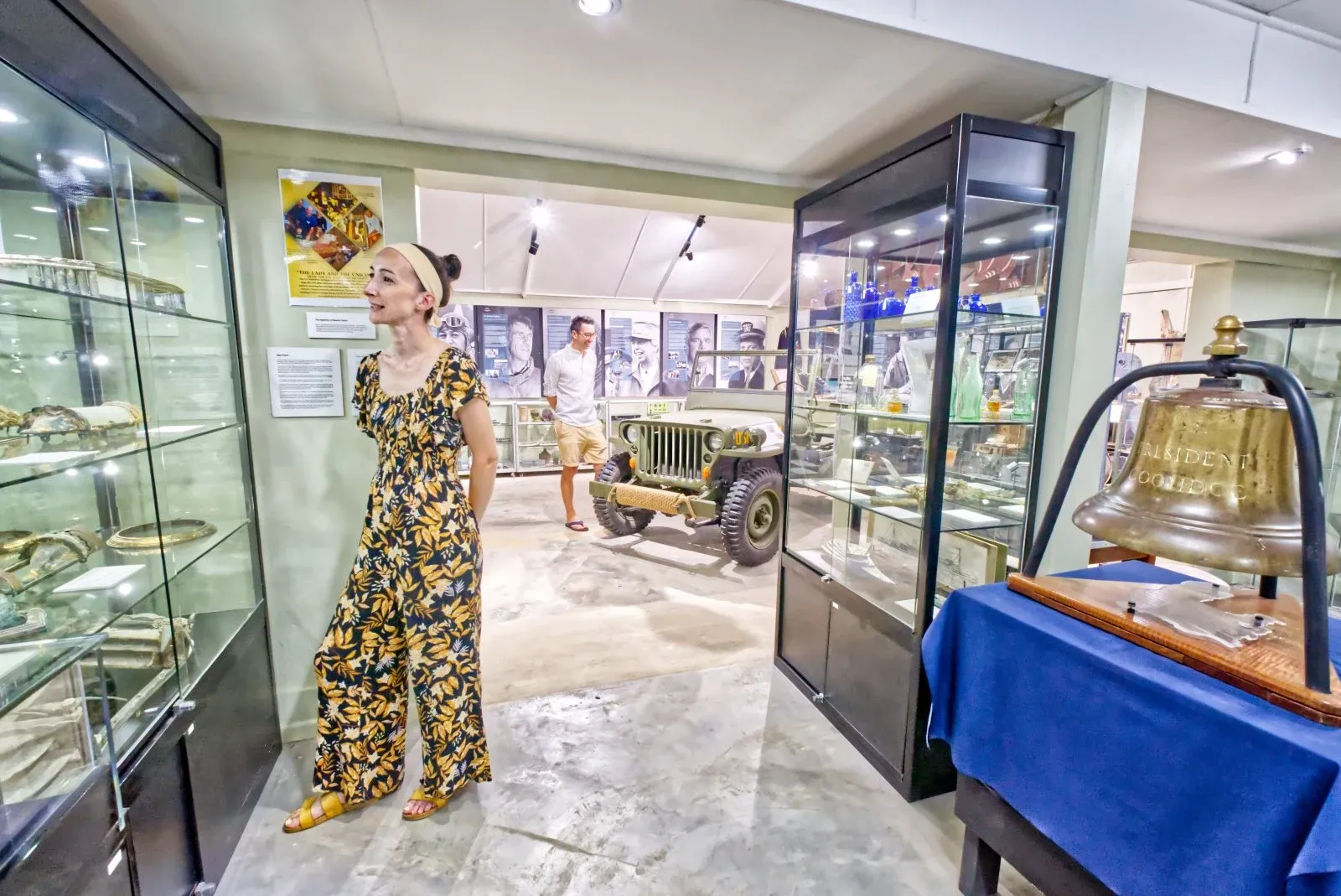
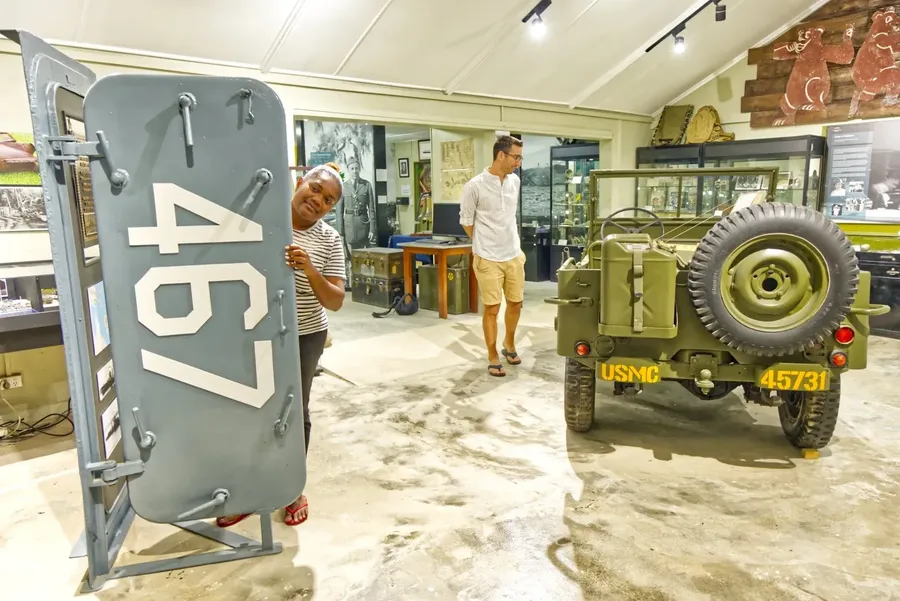
This small museum preserves its legacy, showcasing the world's largest collection of SS President Coolidge artefacts, including the ship's bell and main whistle. The extensive displays feature authentic memorabilia recovered from Santo: uniforms, hats from various military branches, weapons, gas masks, eating utensils, and instructional pamphlets from the war era. A door from the USS Strong shipwreck adds to the maritime history, while detailed dioramas recreate the seaplane bases and bomber airfields that once dominated the landscape.
Wall displays share stories of significant military figures and local wartime history, including tales of the infamous Dancing Bear Club that operated on Luganville's Main Street. The collection also includes a "Culture Corner" with indigenous Lapita pottery, connecting the island's ancient heritage with its pivotal role in Pacific military history.
For some historical landmarks to scout out while visiting Santo, check out the 10 Best Historical Sites in Vanuatu.
Unity Park, Main Street, Luganville, Espiritu Santo.
3.World War II Memorabilia Mini-Museum (Port Vila & Efate)
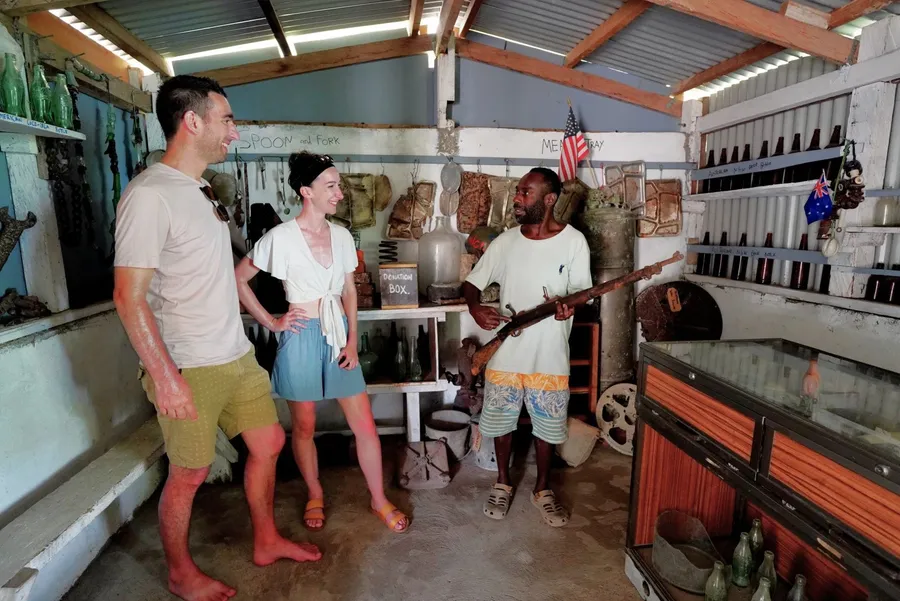
For those of you only visiting the main island, Efate, but don't want to miss out on the WW2 action, the World War II Memorabilia Mini-Museum is an unofficial collection of artefacts that's worth a quick peruse.
This heartfelt tribute to Vanuatu's WW2 history feels more like visiting a passionate friend than a traditional museum. Open daily from 7:30 am to 4:30 pm, this intimate one-room collection showcases evocative wartime memorabilia lovingly curated by local Mark, who continues his grandfather's remarkable 40-year collecting legacy with genuine enthusiasm and deep knowledge.
You'll discover fascinating artefacts recovered from local reefs and wrecks, including Mark's prized recent finds like the guns he discovered in 2017. The museum's charm lies in its personal touch and unique stories, particularly the impressive collection of American Coca-Cola bottles that Mark's grandfather specialised in gathering. Each bottle bears different city and state names on the bottom, from New York to Fayetteville, North Carolina, and Eureka, California, creating an unexpected window into wartime America.
Mark's passion for preserving his country's history is palpable, and his intimate knowledge of each piece's origin makes every visit captivating. Whether you're circumnavigating Efate or staying in the Havannah area, this grassroots museum offers a deeply personal glimpse into Vanuatu's wartime past that you'll struggle to find elsewhere on Vanuatu's main island.
For more affordable stops like this, check out the 20 Free & Cheap Things to Do in Vanuatu.
Efate Ring Road, Tanoliu, Havannah, north coast of Efate. Look out for the small building with "Rust in Peace" painted on its walls.
4.Malekula Cultural Centre (Malekula)
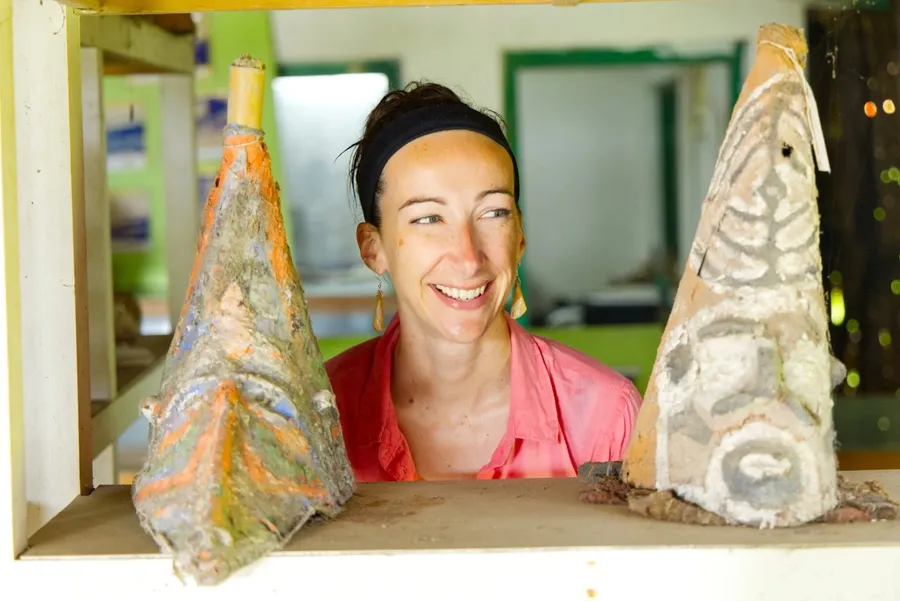
Step into the fascinating history of modern Vanuatu at the Malekula Cultural Centre, where the remarkable story of Lakatoro's founding comes to life.
This cultural gem has a significant focus on the legacy of Darvall Wilkins, the British District Agent who transformed an overgrown coconut plantation into what became the administrative heart of Malekula in 1963.
The centre offers visitors an immersive journey through Vanuatu's colonial period and path to independence, featuring exhibits about Wilkins' extraordinary 20-year service and his deep connection to the local community. The exhibits highlight the transformation of Lakatoro from wilderness to a bustling district station that housed over 250 families by 1971, complete with schools, markets and the popular Metmet Club.
Beyond the Darvall Wilkins tribute, museum-goers can check out historical outrigger canoes, headresses from the Small Nambas and other historical tools and weapons once used (and some still are) by Malekula's kastom communities.
Outside, don't miss the tomb of Darvall Wilkins, who was buried next to some significant ceremonial (nasara) stones.
The Malekula Cultural Centre is open from 8 am to 12 pm, then 1 pm to 5 pm, Monday to Friday. Note that there is a very small entry fee.
Combine this experience with much more from the 20 Best Things to Do on Malekula.
Lakatoro Back Road, Lakatoro, Northeast Malekula. Next to the Chief's Nakamal.
Editor's Choice
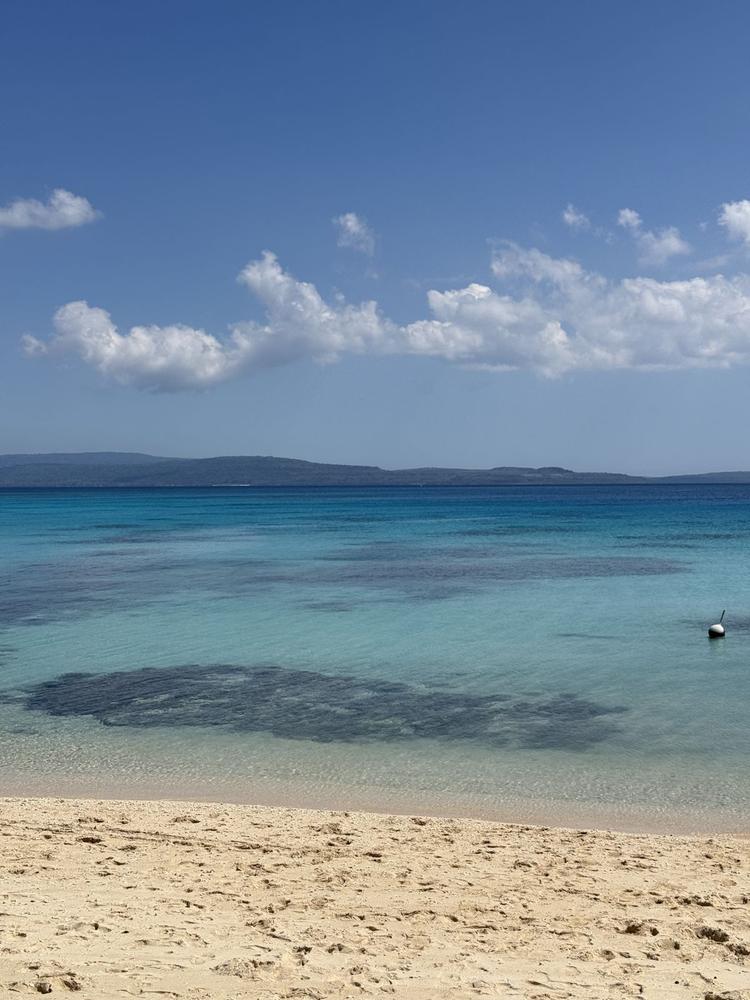
Pele Island Beach & Snorkeling Tour
Just a short boat ride from Emua Wharf, Efate, Pele Island is one of those places that reminds you why you came to Vanuatu. This family-run day tour takes you straight to the good stuff,...
5.Volcano Museum (Tanna)
%20CREDIT%20VanuatuPocketGuide.com-900x601.webp?v=2026-08-09T05%3A31%3A49.821Z)
Tucked near the crater gate on Tanna Island, the Volcano Museum (known locally as Haos Blong Volkeno, or "Volcano House") is a small but surprisingly rich educational stop that pairs perfectly with a visit to Mt Yasur.
Also known as the Maison des Volcans, the museum covers the science behind Yasur's two eruption styles: Strombolian (glowing magma bombs) and Vulcanian (blocked-vent explosions with ash showers), alongside data on magma temperatures of around 1,000°C and its status as one of the world's highest degassing volcanoes.
Beyond the geology, it also explores the traditional knowledge and stories of the communities that have lived beside Yasur for generations, giving you a cultural lens to go with the scientific one.
We'd recommend visiting before heading up to the crater; the context it provides genuinely changes how you experience the eruptions.
Mt Yasur area, East Tanna.
6.SS President Coolidge (Espiritu Santo)
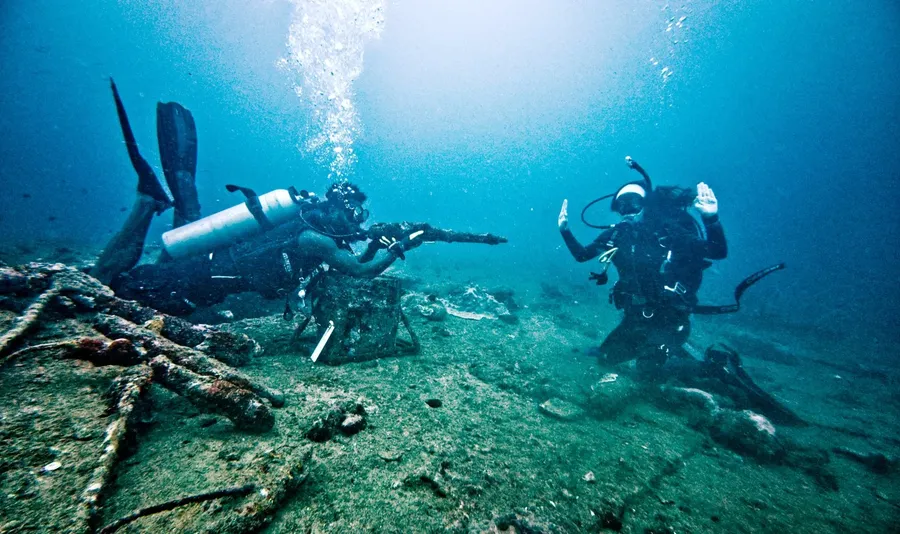
For something completely different, dive into Vanuatu’s wartime history.
This 200 m (656 ft)-long luxury liner turned warship offers an extraordinary underwater adventure with depths ranging from 18 to 45 m (59-148 ft), making different areas accessible to divers from Open Water to Deep certification levels.
The shipwreck houses remarkable wartime artefacts across its various compartments, including military jeeps, 30-foot cannons, medical supplies like morphine and codeine vials, the famous Lady Statue, and unique finds such as a barber's chair, doctor's equipment, and the ship's post office with original pigeonholes still intact. Advanced divers can explore penetration sites like the engine room with its massive machinery, gauges and levers, or navigate the A-B-C deck swim-through spanning multiple levels.
Marine life thrives throughout the artificial reef, with schools of flashlight fish creating magical displays during night dives as they flash like stars in the darkness. The wreck also hosts reef fish, barracuda, sea turtles, and during night missions, bioluminescent plankton illuminate the water around divers when torches are switched off.
Accessible with dive operators off Canal Road, Luganville, Espiritu Santo.
7.Dram Dram Cannibal Tour (Malekula)
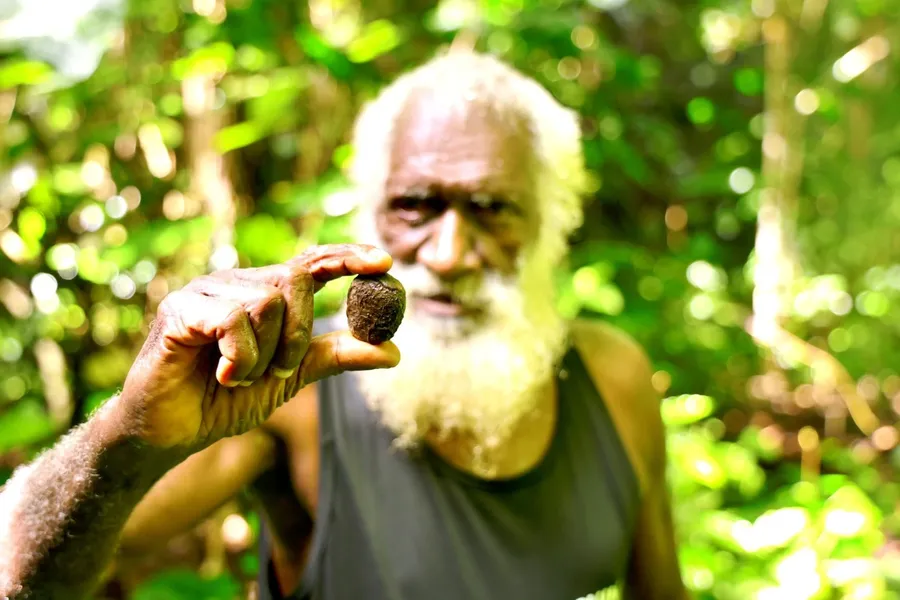
Step into a darker chapter of Malekula’s past, where local guides lead you through an old ceremonial site filled with stone features, historic artefacts and stories of traditional practices.
The "Cannibal Tour" takes visitors through an authentic historical site where you'll encounter genuine artefacts, including the bones of a New Zealand man and traditional stone files once used for preparation.
The highlight of this unique tour is exploring the ancient nasara, a ceremonial area characterised by imposing large stones that were historically used for pig sacrifices.
Lasting less than an hour, this immersive experience provides an unfiltered look at Vanuatu's historical practices. Knowledgeable local guides share stories and insights that bring these ancient traditions to life, making this a truly memorable cultural encounter.
Guides can be arranged through Dram Dram Bungalows, easily spotted with a green "Lawsinwe Kastom Forest Conservation" sign along the main road.
Dram Dram Bungalows, Brenwe, east coast of Malekula. Take the cross-island from Lakatoro to Lambubu, but turn right at the intersection and follow the road down to the coast, where Dram Dram Bungalows are signposted.
8.Culture Villages in Vanuatu: Vanuatu's Living Museums
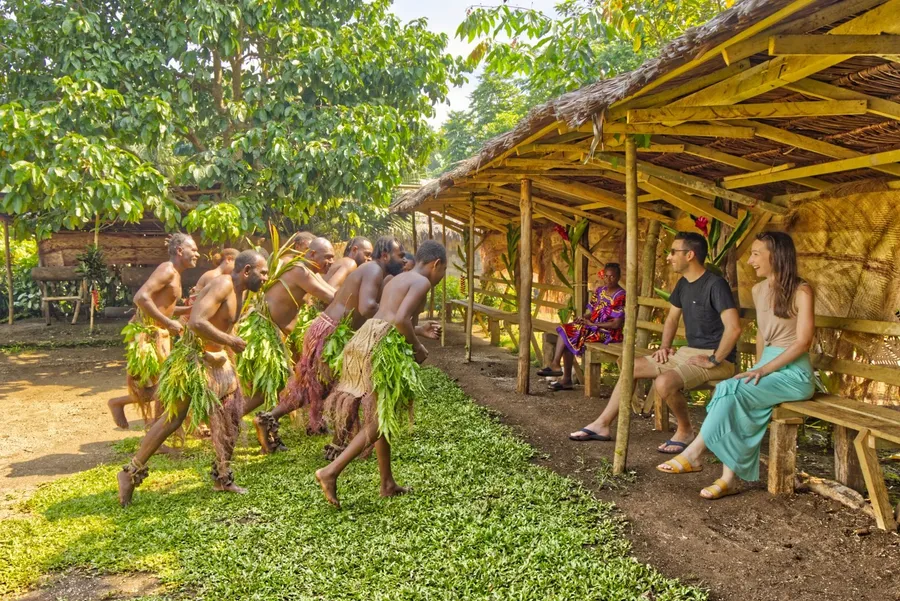
We can't complete this list of museums in Vanuatu without mentioning the "living museums" of Vanuatu, which are its culture villages.
"Culture Villages" are the name given to attractions that are set up for tourists to showcase some of the traditions of specific communities in Vanuatu.
Some excellent examples of culture villages include:
- Imaio Cultural Village (Tanna) offers a heartfelt introduction to kastom life deep in the jungle, with Nabannaban dancing, traditional fire-making, coconut demonstrations and local food tasting, all with views towards Mt Yasur when the weather is clear.
- Lowinio Cultural Village (Tanna) is a genuinely living kastom community where visits include garden walks, changing food demonstrations, children's games and kastom dancing beneath a banyan tree, with local traditions continuing around everyday village life.
- Jiarofa Agritourism Village (Port Vila) takes you through four to five different stations from plantation workshops to harvesting and preparing crops, culminating with firewalking and an upbeat music show.
- Ekasup Culture Village (Port Vila) offers what we'd call the full Melanesian experience. You'll get hands-on with traditional cooking methods (we're talking earth ovens and coconut husking), discover intricate local crafts, and gain a real understanding of the beliefs and customs that shape daily life for the Ni-Vanuatu people.
- Pepeyo Culture Village (Port Vila) showcases the culture of the people of Futuna Island in the south of Vanuatu. Learn about various hunting methods and watch a vibrant show and firewalking.
- Leweton Cultural Village (Santo) is where villagers will show you unique water dances, intricate wood carvings, and the famous sand drawing art form that's unique to Vanuatu.
- Santo Fire Walks (Santo) brings the traditions of Pentecost to the big island with energetic dancing, kava-tasting, food-preparation, sand drawing and more!
Learn more about these villages, as well as kastom villages (see below) in the 10 Best Cultural Villages in Vanuatu.
Locations: All over Vanuatu! See the link above for recommendations and their locations.
Price Range: $$
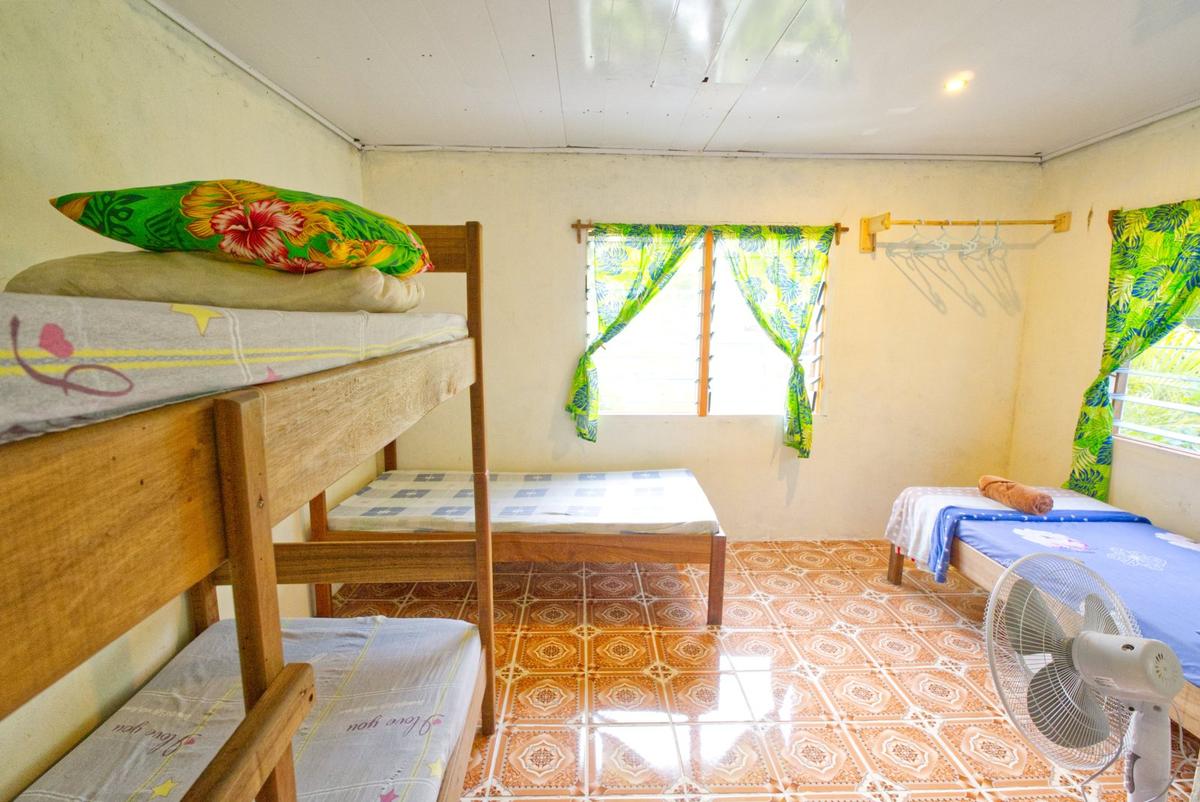
Where to Stay
Anata Traveller's Inn
Dormitory · Family Room
AU$36/night
9.Kastom Villages in Vanuatu
-%20BNCC%20CREDIT%20VanuatuPocketGuide.com-900x600.webp?v=2026-03-07T23%3A57%3A56.672Z)
Finally, something slightly different to "Cultural Villages" but still worth mentioning, are the "Kastom Villages" or more villages where life is lived more traditionally in Vanuatu.
Kastom villages are a bit more down-to-earth than "Cultural Villages", as they are places where locals genuinely live. Experiences range from a simple walking tour to hands-on activities like basket weaving, cultural dancing and kava ceremonies.
- Naversa Small Nambas Cultural Village (Malekula) brings the history of the Small Nambas people to life through bird, fish and paddle dances, traditional food tasting, Namaki ceremony songs and a visit to the sacred men's nakamal.
- Small Nambas Cultural Village at Rano (Malekula) showcases local history through warrior and flower dances, sand drawing, fire-making, weaving and traditional lap lap preparation, with visitors invited to try some of the demonstrations themselves.
- Imaio Cultural Village (Tanna) offers a heartfelt introduction to kastom life deep in the jungle, with Napan Naban dancing, traditional fire-making, coconut demonstrations and local food tasting, all with views towards Mt Yasur when the weather is clear.
- Lowinio Cultural Village (Tanna) is a genuinely living kastom community where visits include garden walks, changing food demonstrations, children's games and kastom dancing beneath a banyan tree, with local traditions continuing around everyday village life.
- Yakel Cultural Village (Tanna) offers an immersive look at a self-sufficient kastom community, with guided stops covering traditional houses, fire-making, kava preparation, taro gardens, handicrafts and ceremonial dancing, plus the unusual option to stay overnight in the village.
- Pui Lodge & Tours (Santo) takes you to kastom villages in Santo through their day and multi-day hikes like the Fanafotua Manbush Trail.
- Fanla Kastom Village (Ambrym) is a remote and authentic village who are known for their legendary Rom Dance Festival.
- Motalava Kastom Village (Motalava) makes exploring an authentic Vanuatuan village accessible through guided walking tours.
For more cultural experiences, don't miss the 10 Best Cultural Activities in Vanuatu.
Locations: All over Vanuatu! See the 10 Best Cultural Villages in Vanuatu for recommendations and their locations.
Price Range: $$
More About Museums in Vanuatu
Now that you know some of the best museums in Vanuatu, how about finding more historical and cultural experiences through the following guides:
- 10 Best Cultural Activities in Vanuatu
- 10 Best Historical Sites in Vanuatu
- 10 Best Cultural & Kastom Villages in Vanuatu
Finally, complete your itinerary with the 101 Best Things to Do in Vanuatu: The Ultimate List.

%20CREDIT%20VanuatuPocketGuide.com-900x507.webp?v=2026-03-07T23%3A05%3A23.408Z)