

The Best Payment Methods in Vanuatu
So you’re going through the “essentials” planning stage for your trip to Vanuatu? Don’t worry, it’s pretty simple when it comes to figuring out what payment method you’re going to choose.
Cash is king in Vanuatu, so having enough of the local currency, Vanuatu Vatu, to pay your way is essential. In between, some merchants also accept Visa and MasterCard should you want to pay with a credit or debit card. Other forms of payment in Vanuatu are either limited, location-specific or not worth relying on for most travellers.
Regardless, we compare all of the ways to pay in Vanuatu in this guide.
This article is based on real on-the-ground research, not on AI scraping old content from the internet. Learn how we use AI!
Table of Contents
Currency in Vanuatu
First things first, you need to know the currency in Vanuatu. Vanuatu uses the Vanuatu Vatu. Prices in Vanuatu are usually written as “VT”, while internationally, the currency is displayed as “VUV”.
Unlike many currencies, the vatu does not have cents or smaller units.
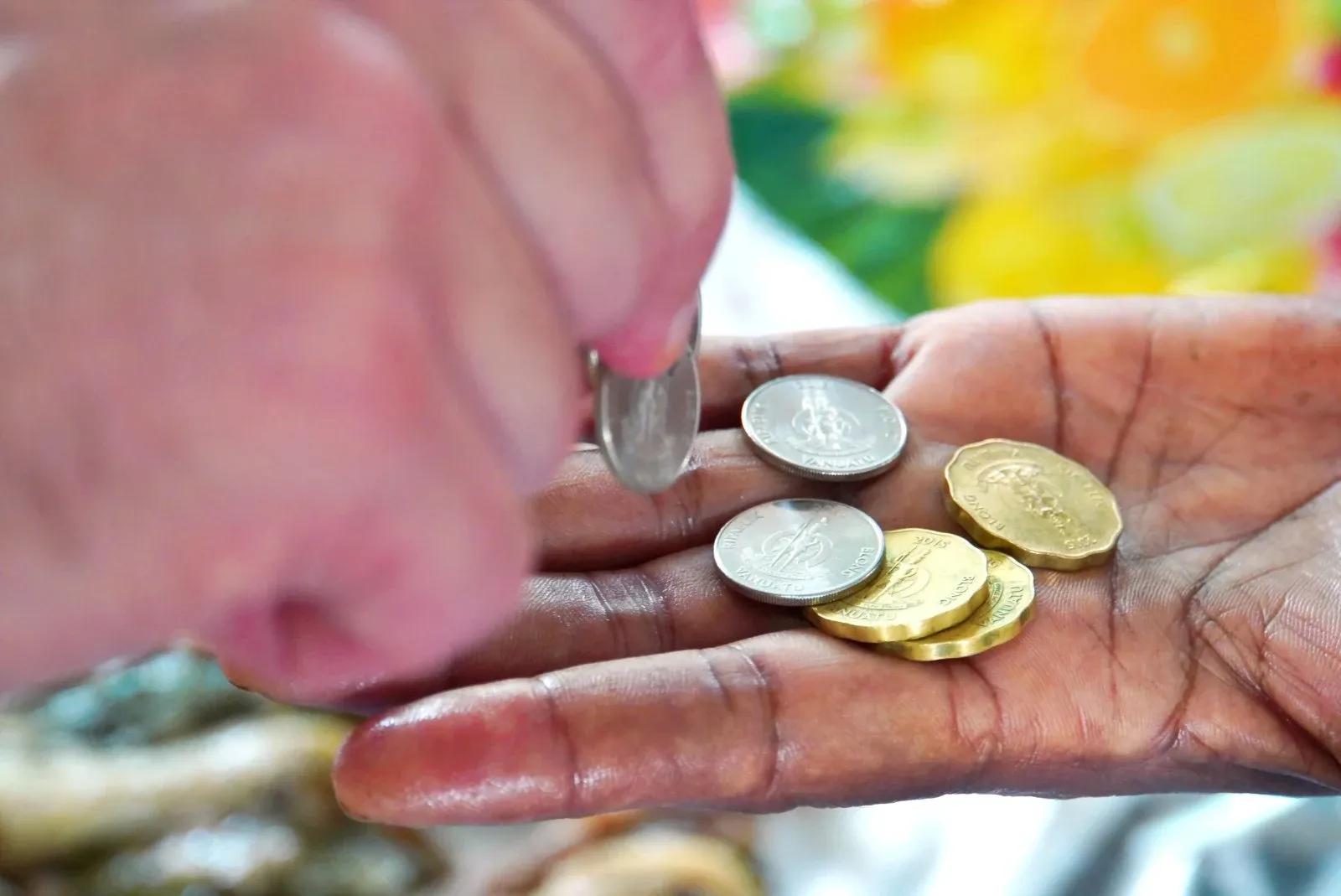
Coins come in values of 1, 2, 5, 10, 20, 50 and 100 VT.
Notes come in values of 200, 500, 1,000, 2,000, 5,000 and 10,000 VT.
See our complete article on What is the Currency of Vanuatu? for more information.
-CUNL%20CREDIT%20VanuatuPocketGuide.com-900x600.webp?v=2026-03-08T01%3A22%3A05.450Z)
Cash (Vatu)
Cash is by far the most accepted payment method in Vanuatu. There are many instances where cash is the only accepted payment method, such as markets, roadside stalls, buses, taxis and trucks, boat transfers, tour guides, the domestic departure tax when travelling between islands by plane or boat, and entry fees for natural attractions like blue holes, waterfalls and beaches.
Cash is also essential for many accommodations, especially local bungalows on the outer islands. In short, once you’re outside the main tourist businesses in Port Vila and Luganville, it’s best to assume that cash is the only way to pay.
However, like anywhere in the world, most travellers don’t like to travel with all the cash they will need for one holiday for obvious security reasons. We recommend withdrawing cash from ATMs every few days where possible, but not making lots of small withdrawals if you want to save on ATM fees. It’s a balancing act, and unfortunately, your wallet does not come with a crystal ball.
Get an idea of how much money to have available each day by using our guide, Vanuatu Travel Budget: How Much Does a Trip to Vanuatu Cost?
How to Get Vatu in Vanuatu
ATMs in Vanuatu are mostly found outside banks, larger supermarkets and Port Vila Airport around Port Vila on Efate, as well as in Luganville on Santo. On the outer islands, ATMs are much more limited. For example, on Malekula, the only ATM on the entire island is located at Tautu Shopping Centre.
You can withdraw vatu from ATMs using many overseas debit and credit cards. BRED Bank ATMs accept Visa, MasterCard, Maestro, Cirrus and UnionPay, while Bank South Pacific (BSP) ATMs accept MasterCard, Cirrus, Visa, UnionPay, PLUS, JCB and American Express. National Bank of Vanuatu ATMs accept Visa, MasterCard, PLUS, Maestro, UnionPay and Cirrus cards.
Note that ATM withdrawal fees apply when using foreign cards in Vanuatu, usually ranging from around 490 to 800 VT per withdrawal, depending on the bank operating the machine. Most Vanuatu ATMs also have a maximum withdrawal limit of around 25,000-50,000 VT per transaction.
Check ATM locations for each island in Information, Shops & Services in Vanuatu, and read more about card use in Can You Use Your Credit or Debit Card in Vanuatu?
-CUNL%20CREDIT%20WallisandFutunaPocketGuide.com-900x601.webp?v=2026-04-12T02%3A49%3A32.733Z)
Credit and Debit Cards
For ease and security, paying by credit or debit card (or “EFTPOS” as some people call it on this side of the world) is a handy payment option at major hotels and resorts, as well as some restaurants, supermarkets, retail stores, car rental companies, and phone network outlets, particularly in Port Vila and Luganville. However, there are many instances where vendors do not accept credit or debit cards, so it’s best to always have enough cash available.
Again, get an idea of how much money to have available each day by using our guide, Vanuatu Travel Budget: How Much Does a Trip to Vanuatu Cost?
Which Credit and Debit Cards are Accepted in Vanuatu?
Visa and MasterCard cards are the most accepted brands of credit and debit cards in Vanuatu. Some ATMs and EFTPOS terminals also accept Maestro, Cirrus, UnionPay and American Express.
Note that some vendors, such as car rental companies, may have specific card requirements. For example, some only accept Visa and MasterCard, while EFTPOS (debit cards) may not be accepted.
Credit and Debit Card Charges
Your credit or debit card’s issuing bank will likely have a fee for a “foreign currency service”, which is typically 1-3% of the transaction in your home currency. This fee is often also applied when using an ATM in Vanuatu.
Many businesses in Vanuatu also apply a card surcharge, commonly around 3.5-5% for credit and debit card payments. On top of that, ATM withdrawal fees for foreign cards usually range from 490 to 800 VT per transaction, depending on the bank operating the machine.
Learn more about using a bank card to pay your way through Vanuatu in our complete guide, Can You Use Your Credit or Debit Card in Vanuatu?

Bamboo Bungalows Lonnoc Beach
from AU$102/night
Travel Money Cards
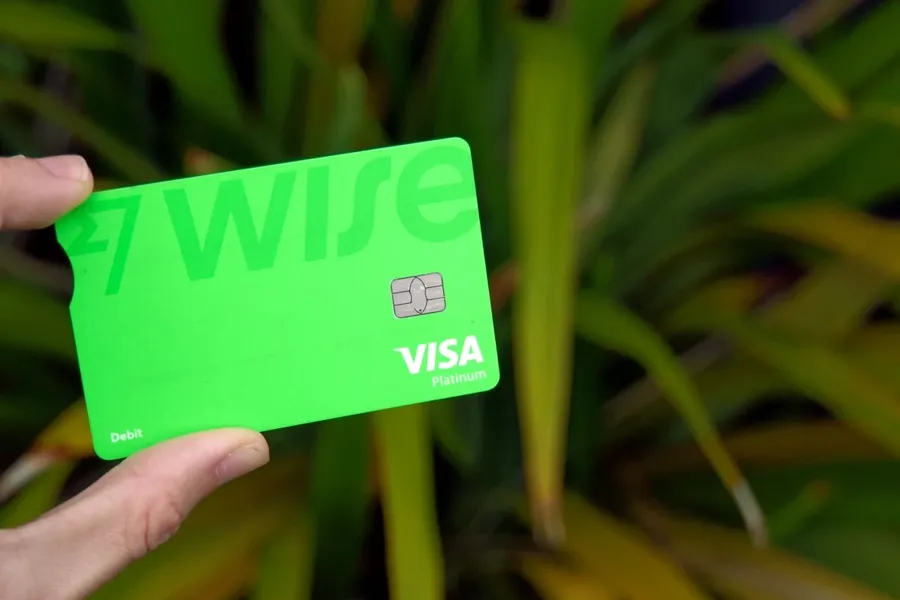
In short, you will struggle to find a travel money card, otherwise known as a travel prepaid card, that has Vanuatu Vatu as a currency choice.
Most travel money cards do not hold VUV directly. Instead, if your card is accepted, it will usually convert money from your loaded currency, such as NZD or AUD, at the card provider’s exchange rate when you pay or withdraw cash.
That might sound convenient, but travel money cards are not the most reliable way to pay in Vanuatu. Card acceptance is limited outside Port Vila and Luganville, and some vendors specifically do not accept prepaid or travel cards.
The next best alternative is a credit or debit card where cards are accepted, plus enough vatu cash for everything else (the less glamorous but much safer option).

Online Transfers (Telegraphic Transfers)
Online transfers, otherwise known as telegraphic transfers or bank deposits, are another way to pay in Vanuatu, but they are mostly used for pre-arranged payments rather than day-to-day spending.
This payment method is popular with some local accommodations, with some displaying bank deposit details at reception or providing them to you upon booking. It can be useful for paying deposits or settling accommodation bills, especially where card payments are not accepted.
That said, international bank transfers can come with fees from your bank, fees from the receiving bank and unfavourable exchange rates (banks do love to sneak in a little extra drama). Transfers can also take a few business days to clear, so this is not the best option for last-minute payments.
If you're set on using online transfers, we'd recommend skipping your bank and using a foreign exchange broker instead. These money transfer services offer much better exchange rates and lower fees because they specialise in currency trading.
We're big fans of Wise for their competitive rates and transparent pricing. XE Money is another solid choice that sometimes charges no fees at all. Most transfers arrive within a week, which is pretty speedy.
Of course, Western Union remains the most well-known option if you prefer sticking with a household name.

Editor's Choice
Naversa Small Nambas Cultural Tour
Step into the living traditions of Malekula's Small Nambas people with this immersive two-hour cultural experience in the village of Narworu on Wala Island. From the moment the tamtam drum sounds...
Digital Wallets
Digital wallets, such as Apple Pay and Google Pay, are not a payment method to rely on in Vanuatu. Contactless terminals are available at some large hotel and resort chains, particularly around Port Vila, but they are not widely used or advertised.
In other words, if you’re hoping to tap your phone everywhere, Vanuatu may gently remind you that cash still rules the roost.
M-Vatu
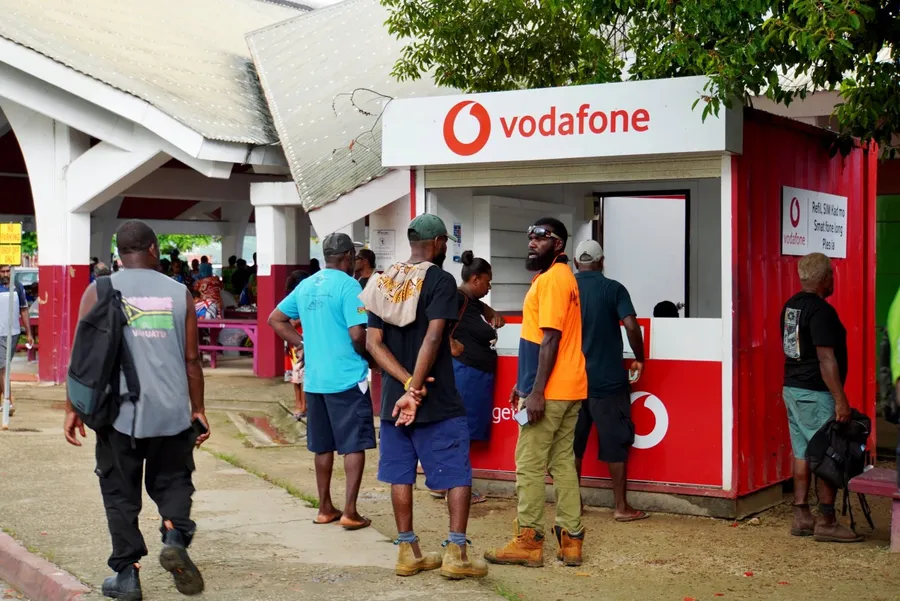
Vanuatu also has a local digital wallet through Vodafone called M-Vatu, directed at locals. It can be used to buy mobile recharges, shop at participating local merchants and official M-Vatu agents, send and receive funds, pay utility bills and withdraw cash.
Quite a few local retailers accept it. However, it’s not especially useful for most short-term visitors, as it can be fiddly to set up for a short stay.
To register, you need to visit a Vodafone shop or M-Vatu agent with at least one form of ID, such as a passport, VNPF card, driver’s licence or national ID card. Once registered, you receive an activation code on your mobile phone, then dial 120 or *120# to activate your account and set a four-digit PIN.
M-Vatu is better for local transfers than cash withdrawals, as transfer fees are 0 VT, while withdrawal fees apply.
For most travellers, digital wallets are best treated as a possible bonus rather than a payment plan. Bring a bank card for major businesses and enough vatu cash for everything else.
More About How to Pay in Vanuatu
That's it for our complete guide on the best ways to pay in Vanuatu. For more money tips, check out our other awesome guides:
- 20 Tips to Save Money in Vanuatu
- Vanuatu Travel Budget: How Much Does a Trip to Vanuatu Cost?
- Vanuatu Tipping & Tax Guide for Travellers
Finally, plan your entire trip with frugality in mind with The Backpacking & Budget Travel Guide to Vanuatu.

%20CREDIT%20VanuatuPocketGuide.com-900x601.webp?v=2026-06-11T01%3A28%3A52.090Z)
-CUNL%20CREDIT%20VanuatuPocketGuide.com-900x600.webp?v=2026-03-08T01%3A22%3A10.914Z)