

-%20BNCC%20CREDIT%20VanuatuPocketGuide.com.webp?v=2026-06-09T19%3A39%3A16.289Z)
What are the Customs in Vanuatu?
When welcomed into a new country, it’s only fitting to respect the local customs and traditions. Vanuatu’s etiquette is all about showing respect, whether that’s dressing modestly in towns and villages, keeping things quiet around church times, paying entry fees on kastom land or pouring a little kava to the earth before drinking at a nakamal.
On the other hand, everyday interactions can be wonderfully relaxed, from friendly waves on the road to curious conversations on community land. We go over them all in this guide to Vanuatu’s customs and traditions!
If you were looking for the other type of “customs”, head to Arriving in Vanuatu: Airport Customs, Biosecurity & Arrival Process...
This article is based on real on-the-ground research, not on AI scraping old content from the internet. Learn how we use AI!
Table of Contents
10 Dos and Don'ts in Vanuatu
- DO seek permission when visiting beaches, waterfalls, blue holes and other natural attractions
- DO pay the entry fee, usually around 500 VT to 1,500 VT per person, and bring cash
- DON’T pick fruit or plants without permission, as they almost certainly belong to someone
- DO wear respectable clothing in towns, villages and to church
- DON’T wear just your swimmers anywhere other than the beach, pool or resort
- DO keep noise levels down around churches on Sundays, and on Saturdays near Seventh-day Adventist churches
- DO wait for meal prayers when eating with locals
- DO introduce yourself when walking on community land or visiting a village, especially where chiefs are present
- DON’T mistake limited eye contact or curious stares for rudeness
- DO follow nakamal etiquette by pouring a little kava onto the earth before drinking as a gesture of respect.
-SEB%20CREDIT%20VanuatuPocketGuide.com-900x600.webp?v=2026-03-08T00%3A57%3A07.649Z)
What to Wear in Vanuatu
As a religious country, wearing modest clothing is appreciated in Vanuatu, especially in towns, villages and when visiting local communities. While visitors aren’t expected to dress like locals, taking a cue from Ni-Vanuatu women wearing the “island dress” (a post-colonial dress that covers the shoulders and usually comes down to the knees) is a good reminder to avoid anything too revealing.
A sarong or lavalava is the most practical and acceptable way to cover up while exploring remote villages, such as kastom villages, especially for women. In some villages, women should not wear pants and are expected to wear a lavalava tied around the waist. Shorts can be acceptable but should still be covered with a lavalava. Showing shoulders and wearing singlets is generally fine, but modesty around the lower half is the main thing to keep in mind.
For more tips on what to wear, take a look at What to Wear in Vanuatu: Clothes Packing List.
Swimwear in Vanuatu
An important rule for wearing swimwear in Vanuatu is that swimwear should stay at the beach, pool or your resort. You should definitely not walk around any village, town or public area in your swimwear. Be sure to cover up any swimwear or take the time to get changed after visiting the beach.
Needless to say, being nude at the beach (or anywhere in public) is also not acceptable in Vanuatu.
What to Wear for Church in Vanuatu
When going to a church service, wear respectable and, if possible, formal clothing. Women should cover their knees, while men should also dress smartly; a collared shirt is usually the done thing. Think your “Sunday best”, but with island heat in mind!
Find out more about church etiquette in The Guide to Religions in Vanuatu.
%20CREDIT%20VanuatuPocketGuide.com-900x601.webp?v=2026-03-08T01%3A22%3A15.868Z)
Visiting Natural Attractions and Beaches: Asking Permission and Paying Your Entry Fees
Possibly one of the most important cultural etiquettes for visitors to understand in Vanuatu is that many natural attractions and beaches are on kastom land. They are looked after by kastom owners, families or communities, so it’s normal to ask permission and pay a small entry fee before visiting waterfalls, blue holes, beaches and other natural sites.
Entry fees in Vanuatu usually range from 500 to 1,500 VT per person. In return, many sites are developed with visitors in mind, with walking trails, toilets, seating areas, decks at swimming holes and other simple facilities.
Always bring cash, as card payments are not usually an option at these attractions. If no one is there to collect the fee, there may be an honesty box. Otherwise, it’s generally fine to enjoy the site and pay the owner or attendant if they show up later (no need to sprint guiltily out of the water).
For more ideas for places to visit, check out The Best Natural Attractions in Vanuatu.
Also, don’t pick fruit or plants without permission, as they almost certainly belong to someone, even if they look temptingly “wild”.
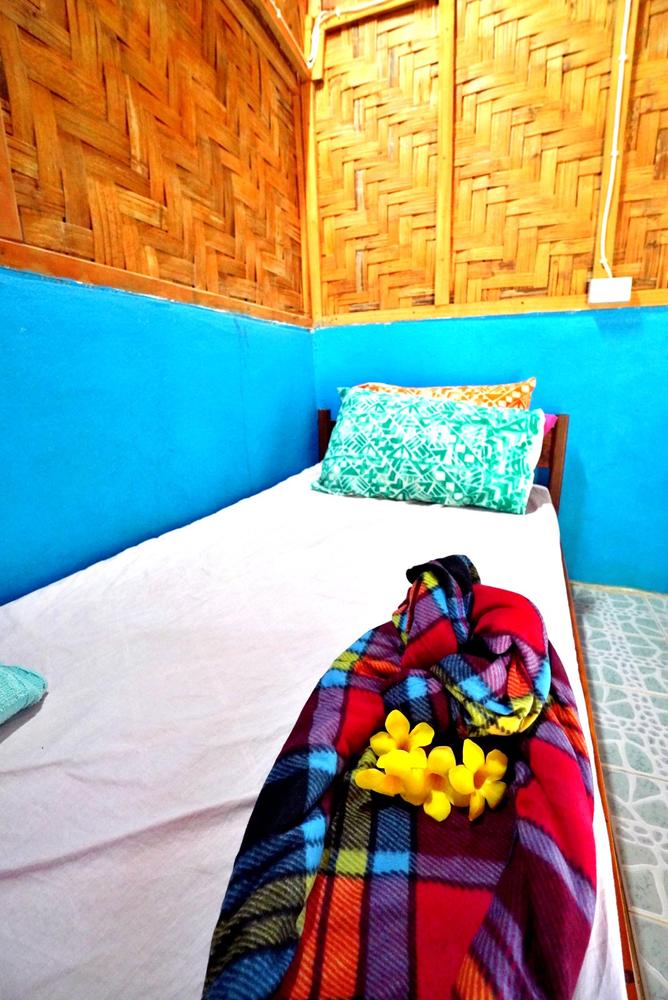
Litzlitz Mangrove Lodge
from VT 2500/night
Nakamal Etiquette in Vanuatu
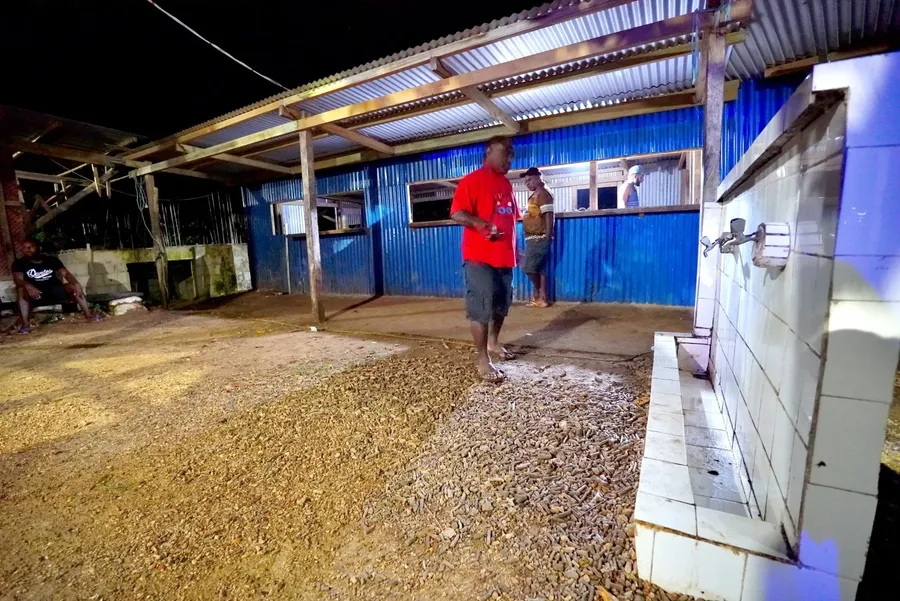
One of the most local experiences you can have in Vanuatu is visiting a nakamal, or kava bar. These are social spaces where Ni-Vanuatu gather after work to drink kava, unwind and talk, so a little respect goes a long way.
Most nakamals open from around 3 pm or 4 pm, once the fresh kava has been prepared for the day. Look for coloured lights outside buildings, as these usually signal a nakamal; when the lights go off, the kava has often run out.
When drinking kava, it’s customary to pour a small amount onto the ground before you drink as a gesture to the earth. Then, drink your shell over the designated tap or draining area. You’ll often find food available afterwards to “wash your mouth”, which is exactly what it sounds like (and yes, you’ll probably want it).
Start small, don’t feel pressured to drink more than you’re comfortable with and avoid day-old kava if you have the option. For first-time visitors, choose a well-known nakamal with fresh kava and a good reputation.
For where to go, see the 10 Best Kava Bars (Nakamals) in Vanuatu.
Religious Observances in Vanuatu
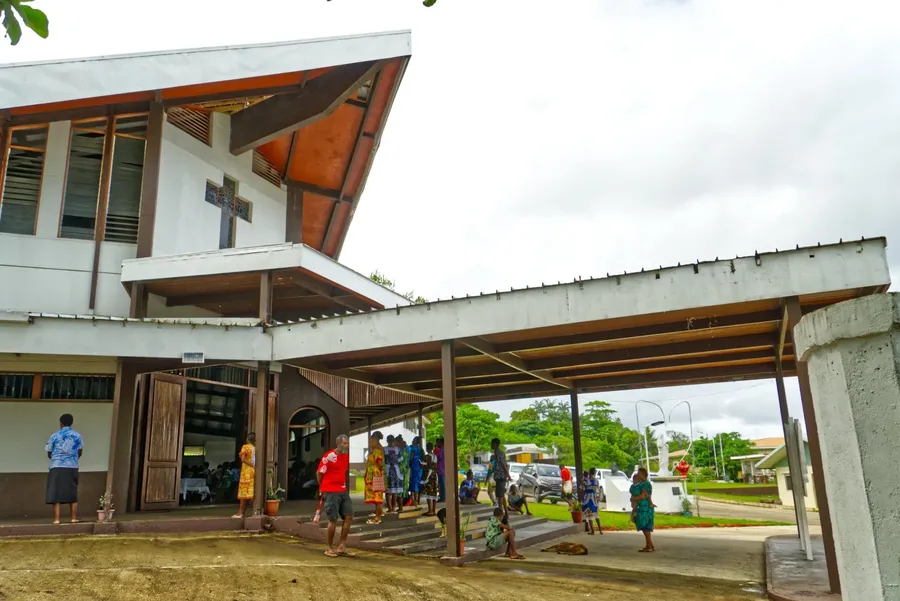
Vanuatu is quieter on Sundays due to Christian observances, but it’s not a “whole country shuts down” situation. Many tourist activities, shops and restaurants still operate, so check opening hours rather than assuming everything is closed.
The main thing is to keep noise levels down around villages and churches, especially during services. Around Seventh-day Adventist churches, Saturday is also observed as a quiet day, something particularly common in Santo.
When sharing meals with locals, wait before eating, as prayers are often said before meals. It’s a small pause that shows respect (and stops you from being the person who dives in too early).
Editor's Choice
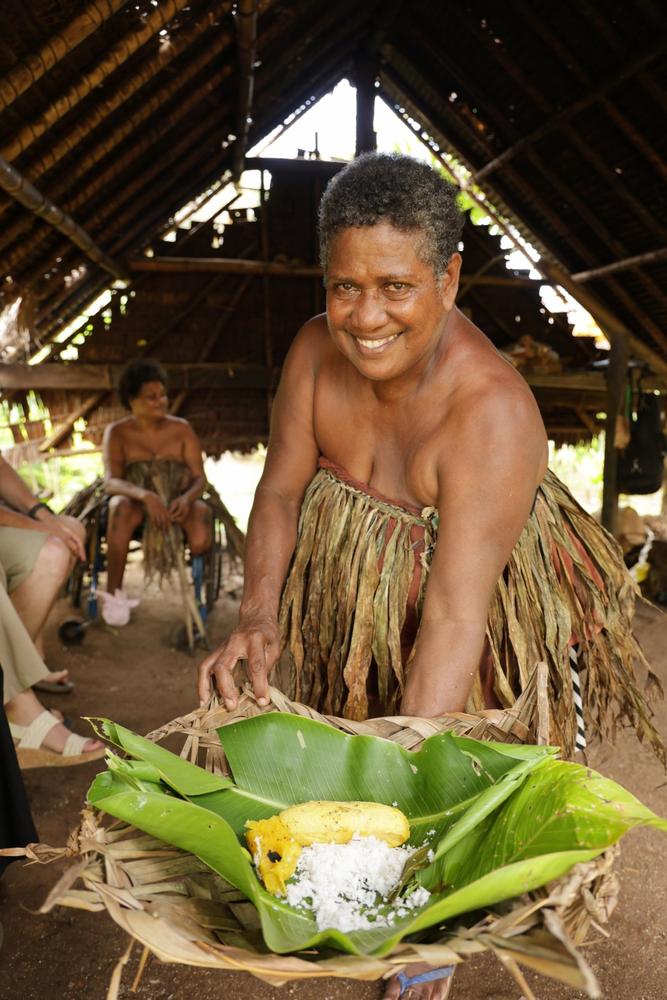
Leweton Cultural Experience
Step into a living, breathing piece of Vanuatu's cultural story at Leweton Cultural Experience on Santo. Built entirely using traditional methods, not a nail or modern tool in sight, this...
Social Interactions in Vanuatu
Social interactions in Vanuatu are generally friendly, curious and relaxed, but there are a few cultural cues worth knowing before you start wondering, “Did I do something weird?” (Probably not.)
- Limited eye contact is normal in Vanuatu culture, so don’t be surprised if someone looks down or away during a conversation. This shouldn’t be taken as rude or disinterested; it’s simply a respectful way of interacting.
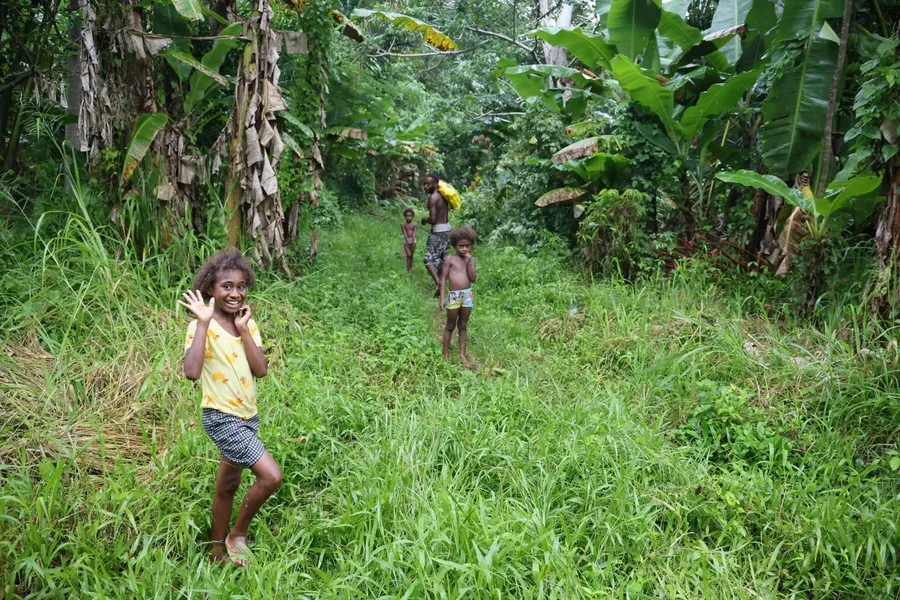
- When walking on community land or passing close to locals, it’s polite to introduce yourself rather than just wandering past. People may stare, especially in quieter areas, but this is usually curiosity about who you are and why you’re there, not hostility.
- You may also be offered gifts such as coconuts, manioc or garden produce, particularly if you’re travelling from town. A simple and sincere “thank you” is enough; there’s no expectation to give something in return.
- In villages with traditional chiefs, pay your respects by introducing yourself and explaining your purpose for visiting. Your guide will usually let you know when this protocol applies, so follow their lead.
- On the road, don’t be alarmed if drivers flash their headlights during the day; it’s often a friendly greeting. Waving to other drivers is also common, so feel free to return the gesture (your royal wave will do nicely).
- At markets, price negotiation is not usually customary. The main exception is the handicraft market in Port Vila, where cruise ship tourism has made bargaining more common.
More About Vanuatu Customs and Traditions
That's it for our guide to Vanuatu etiquette and how to respect Vanuatu's customs and traditions. For more advice regarding the local culture, check out the following guides:
- The Guide to the Religions in Vanuatu
- A Traveller's Guide to the Vanuatu Culture
- 10 Best Cultural Activities in Vanuatu
Finally, for all your other essential travel tips for the islands, head to The Best Vanuatu Travel Guide and 30 Tips for Travelling in Vanuatu.

%20CREDIT%20VanuatuPocketGuide.com-900x601.webp?v=2026-06-11T01%3A28%3A52.090Z)
-CUNL%20CREDIT%20VanuatuPocketGuide.com-900x600.webp?v=2026-03-08T01%3A22%3A10.914Z)