

%20CREDIT%20VanuatuPocketGuide.com.webp?v=2026-03-07T22%3A45%3A24.786Z)
The Complete Guide to Health and Safety in Vanuatu for Travellers
Crime levels in Vanuatu are low and violent crime involving visitors is rare, making it one of the safer destinations in the world.
However, mosquitoes can be a pain and spread diseases, drinking tap water can leave your stomach feeling funny, and being swept away by strong currents whilst swimming is never fun.
In this guide on how to stay safe in Vanuatu, we outline the health and safety issues to be aware of in Vanuatu and how you can reduce the risks.
This article is based on real on-the-ground research, not on AI scraping old content from the internet. Learn how we use AI!
Table of Contents
10 Health Tips for Vanuatu
Before we go into our in-depth health and safety tips for Vanuatu, here are a few quick tips to keep in mind while travelling:
- If you are feeling ill, be proactive and see a doctor in Vanuatu. They are more likely to know the local illnesses than your doctor back home.
- Go heavy on the sun protection.
- Be serious about avoiding mosquito bites.
- Make sure your travel vaccinations are up-to-date. See a doctor four to six weeks before travel at the latest.
- Know what water is safe to drink.
- Focus on hand hygiene and wash your hands regularly.
- Pack a first aid kit specifically for Vanuatu.
- If you get cut, act quickly to clean the wound, disinfect and place an adequate band-aid.
- If you have pre-existing conditions, such as asthma or diabetes, see your doctor a few weeks before your trip and ask them to make a note of your medication and condition.
- Know the emergency numbers in Vanuatu: 111, 1111 or 2222 (Police), 112 (Hospital), 113 (Fire), 114 (Ports), Promedical (115).
Now, let's get onto our health and safety advice for Vanuatu.
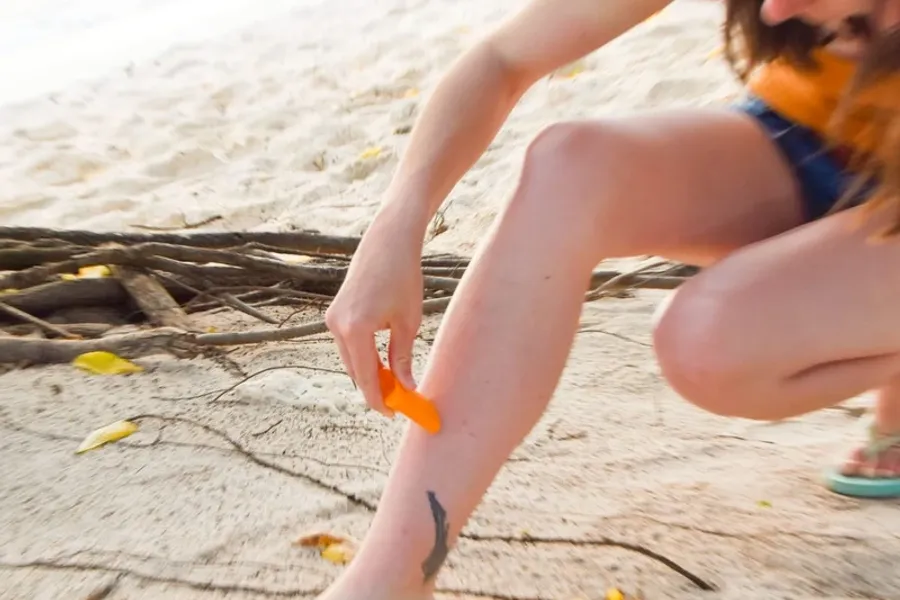
Health Tips for Vanuatu
Vanuatu presents a few environmental hazards but very few diseases. Like travelling anywhere in the world, it's smart to have your travel vaccinations up-to-date and to prepare a first aid kit for injuries or minor health issues that might occur. See our advice in What Medication to Pack in Your First Aid Kit for Vanuatu and Do You Need Vaccines to Travel to Vanuatu?
Medical Issues That Can Occur in Vanuatu
The most common medical issues that can occur in Vanuatu are sunburn, heatstroke, mosquito bites and coral cuts. These are very easy to keep in check with simple precautions.
Other medical issues may occur when it comes to drinking water and food, which we cover in our "Food and Water Hygiene" section.
Heat Stroke
Overexposure to the sun and high humidity can lead to heatstroke. Symptoms include exhaustion, confusion, headache and vomiting. To avoid, wear high-factor sunscreen, reapply every three hours or straight after swimming, and drink plenty of water. If symptoms occur, move out of the sun immediately and try to cool the victim down by wrapping a wet towel around them. See a doctor as soon as possible.
For more sun protection tips, check out The Best Sunscreens for Vanuatu + Sun Protection Tips.
Mosquito Bites
Mosquitos can leave a nasty itchy bite, which is enough to ruin an evening under the stars. What's more, day-biting mosquitoes transmit dengue fever (see below) and, more rarely, malaria, chikungunya and Zika.
Check out 10 Best Insect Repellents for Vanuatu + How to Treat & Avoid Bites for ways to avoid bites.
Ciguatera
Ciguatera is fish poisoning caused by eating reef fish that have eaten particular types of toxic algae. Symptoms occur within 24 hours of eating contaminated reef fish and include vomiting, diarrhoea and numbness in the fingers.
The best way to prevent it is to avoid eating reef fish altogether; eating deep-sea fish, like tuna, wahoo and mahimahi, is fine.
Coral Cuts
Cuts from live coral can leave prolonged infections, so if you are injured by live coral, get out of the water immediately and cleanse the wound. Take out all of the bits of coral, apply antiseptic cream, and cover with a dressing.
You should have all this stuff in your Vanuatu First Aid Kit!
Diving Decompression
Scuba diving is a popular activity in Vanuatu, but neglecting the strict depth and timing precautions of scuba diving can result in decompression illness, otherwise known as "the bends".
Vanuatu has limited hyperbaric chamber facilities, with the main facility located at ProMedical Vanuatu in Port Vila.
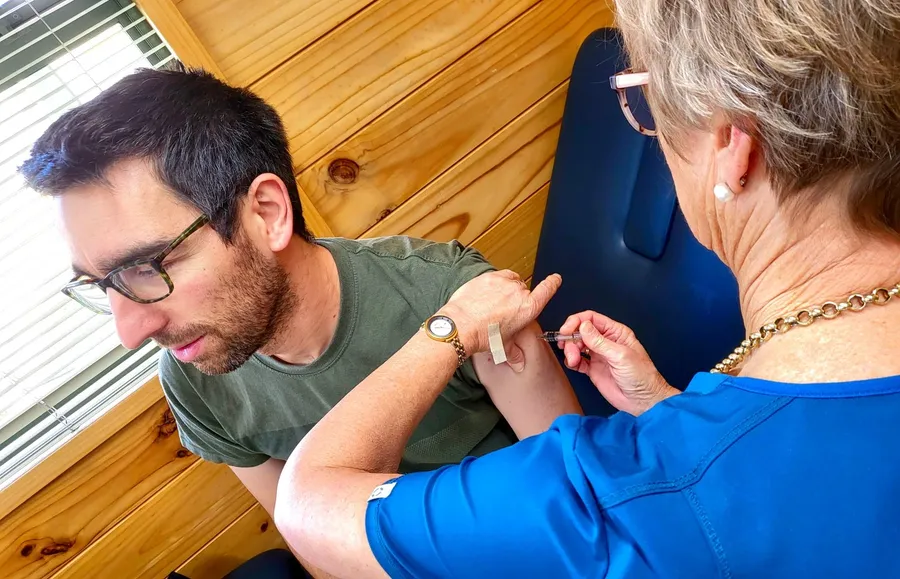
Infectious Diseases
Dengue Fever
Dengue fever is a mosquito-transmitted disease that has regular outbreaks in Vanuatu. It is only the day-biting mosquitoes (black and white striped) that cause the infection, so take a precaution by preventing mosquito bites. Take your own mosquito repellent because the options are typically limited to chemical-rich aerosol sprays.
See the How to Treat & Avoid Mosquito Bites for tips.
Chikungunya
Similar to dengue fever, chikungunya is another mosquito-transmitted disease also spread by day-biting mosquitoes. Outbreaks have been known to occur in Vanuatu.
There is no vaccination or specific treatment for the disease, so, again, sensible mosquito avoidance is recommended.
Malaria
Another mosquito-transmitted disease, malaria is a parasitic infection transmitted by mosquitoes that feed in dull light, such as at dusk, on overcast days or in forests. Take a precaution by preventing mosquito bites. Anti-malarial medication, while not 100% effective, is also available.
Malaria has been present in the northern islands, like Santo, Malekula and Epi. Islands in Tafea, like Aneityum and Futuna, are malaria-free. It is rare in Port Vila.
E. coli (Traveller's Diarrhoea)
E. coli is a bacterium, resulting from food and water that is contaminated with faecal matter, for instance.
Precautions to take include boiling water for at least 10 minutes if the water is not from a safe source and washing hands regularly. See Is the Water Safe to Drink in Vanuatu? for more tips.
Symptoms include fever, drowsiness and diarrhoea. If symptoms occur, hydrate by taking small sips of fluids continuously, alternating between electrolytes and water. If you don't have an electrolyte solution, drink Coca-Cola or salty broth.
In most cases, you will need to wait out the symptoms, as antibiotics rarely treat E. coli effectively.
Giardiasis
A parasite in contaminated water, a risk especially after cyclones, Giardia produces bloating and persistent diarrhoea. Drink treated water, avoid raw foods and practice strict handwashing to prevent it. Treatment involves antibiotics like metronidazole if infected.
COVID-19
The COVID-19 virus has been present in Vanuatu. Symptoms are flu-like, including fever, cough, tiredness and loss of taste or smell.
It is recommended that you are fully vaccinated before travelling to Vanuatu. See Do You Need Vaccines to Travel to Vanuatu? for more details.
Typhoid Fever, Meningitis, Measles, Hepatitis A and Hepatitis B
While rare, typhoid fever, meningitis, measles, hepatitis A and hepatitis B outbreaks do occur in Vanuatu.
It is recommended by the World Health Organisation (WHO) to be up-to-date with routine vaccinations and to get travel vaccinations, such as diphtheria, tetanus, measles, mumps, rubella and polio, regardless of where you are travelling to.
Find out more in Do You Need Vaccines to Travel to Vanuatu?
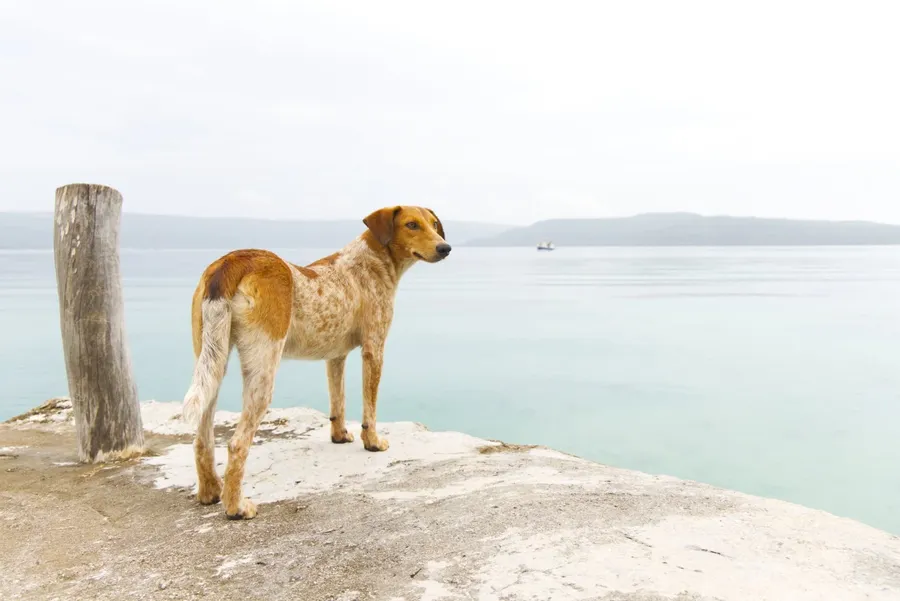
Dangerous Animals in Vanuatu
Vanuatu is home to lush rainforests, vibrant reefs and an incredible variety of wildlife. While there are no large land predators to worry about, there are a few animals and marine creatures you should be cautious around, especially when swimming, hiking or spending time outdoors. These include:
- Mosquitoes (Aedes species) - Common across Vanuatu, particularly in humid and coastal areas. These day-biting mosquitoes can transmit dengue fever and other mosquito-borne illnesses, so insect repellent is essential.
- Centipedes - Found in gardens, forests and sometimes around accommodation. Their bite is not deadly but can be extremely painful and cause swelling.
- Feral and village dogs - Generally more bark than bite, but it’s best to avoid provoking dogs, especially at night or in rural villages.
- Stonefish - One of the most venomous fish in the world and well camouflaged on sandy or rocky seabeds. Always wear reef shoes when wading or snorkelling.
- Crown-of-thorns starfish - Covered in long, venomous spines that can cause severe pain and infection if stepped on or handled.
- Cone snails - Beautiful shells but potentially dangerous; some species can deliver a venomous sting. Never pick up live cone shells.
- Fire coral - Often mistaken for regular coral due to its bright yellow or green colour. Contact can result in painful stings, rashes or burns.
- Box jellyfish & other jellyfish - Occasionally found in Vanuatu waters, particularly after storms. Stings can range from mild to serious, so heed local warnings.
- Lionfish - Striking in appearance but equipped with venomous spines that can cause intense pain if touched.
For most travellers, these animals pose little risk as long as basic precautions are taken, watch where you step, avoid touching marine life, and listen to local advice.
For a broader look at the wildlife you’re likely to encounter, check out 20 Animals & Birds Found in Vanuatu.
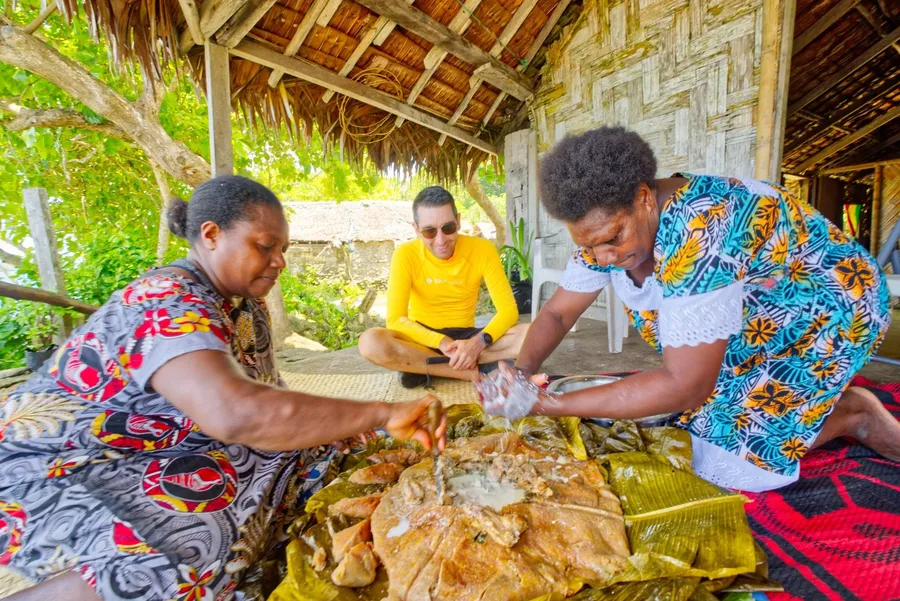
Food and Water Hygiene
Food and water in Vanuatu are generally safe, especially in towns and at established resorts, but travellers should still take sensible precautions. Infrastructure and water treatment can vary between islands and rural areas, so following basic travel-health rules will help you avoid unnecessary illness. Here are a few key food and water hygiene tips for Vanuatu.
Know What Water Is Safe to Drink
Tap water in Vanuatu is generally not always safe to drink, particularly outside of Port Vila and Luganville. Some hotels and resorts provide filtered or treated water and will clearly advise guests if their tap water is drinkable. In many cases, you’ll be provided with bottled water in your room or access to refill stations.
To be safe, it’s a good idea to bring your own water purification solution, such as purification tablets or a Lifestraw bottle. Bottled water is widely available in supermarkets, small shops and resorts across the main islands, though availability can be limited on more remote islands.
See Is the Water Safe to Drink in Vanuatu? for much more of a deep dive into the subject.
Kava Bar Safety
While experiencing local kava culture is a worthwhile experience, there are a few things to keep in mind when choosing where to enjoy your shell.
According to locals, timing is everything when it comes to kava quality. Visiting kava bars around 4 pm when the kava is freshly prepared, rather than later in the evening when it's been sitting around.
That said, not all kava bars maintain the same standards. Some places store their water in containers that sit in the sun for days (you'll know to avoid these if the water looks green), whilst others may not follow the best hygiene practices.
We've also heard stories of visitors overindulging; kava can be surprisingly potent, especially if you're not used to it. One visitor reportedly had to be hospitalised after drinking several strong servings in quick succession.
The good news? By choosing reputable spots and visiting during optimal hours, you'll have a much better experience enjoying this traditional Pacific drink. Check out the 5 Best Kava Bars (Nakamals) in Vanuatu to see which ones we recommend for tourists.
Focus on Hygiene
Travelling in Vanuatu often means adjusting to different conditions than you’re used to at home, particularly in villages and outer islands where facilities can be basic.
Make hand hygiene a priority by washing your hands regularly with soap or using hand sanitiser, especially before eating. This simple habit significantly reduces the risk of stomach bugs and other infections.
If you begin to feel unwell, seek medical help early, especially if symptoms worsen. Medical facilities are available in Port Vila and Luganville, but access can be limited elsewhere, so it’s best not to delay treatment.
Be Aware of Food Safety
Eating at restaurants, cafés, resorts and hotels in Vanuatu is generally very safe, particularly in Port Vila and Luganville. Local food is fresh, flavourful and a highlight of any trip. However, if you’re eating street food or village meals, a little extra caution goes a long way.
Avoid raw or uncooked foods that may have been washed in untreated water, such as salads. Choose meals that are freshly cooked and served hot, and don’t hesitate to watch food being prepared. Vegetarian dishes are often a safer option in rural areas.
To reduce the risk of gastro, use hand sanitiser before meals and stick to cooked food. If you develop diarrhoea, stay hydrated by alternating between clean water and electrolyte drinks. If symptoms persist or are accompanied by fever or pain, see a doctor.
Finally, avoid food poisoning by steering clear of undercooked meat, seafood and runny eggs. If you experience severe symptoms such as blood in your stool, seek medical attention immediately.
With a bit of awareness and common sense, most travellers enjoy Vanuatu’s food and water without any issues and get to fully savour the country’s incredible local cuisine.
Travellers with gluten intolerance can get advice from The Gluten-Free Guide to Vanuatu.
%20CREDIT%20VanuatuPocketGuide.com-900x601.webp?v=2026-03-07T22%3A45%3A22.673Z)
Hospitals, Medical Centres and Pharmacies in Vanuatu
Healthcare in Vanuatu
If you have health issues or suffer an injury while in Vanuatu, there are hospitals, private medical centres and pharmacies available in the main islands. Port Vila (Efate) and Luganville (Espiritu Santo) have the best-equipped facilities, while smaller islands tend to have basic clinics and dispenseries. Port Vila, in particular, has a pharmacy seemingly around every corner.
Basic over-the-counter medical supplies can also be purchased at supermarkets, convenience stores and some resorts.
In case of emergency, dial 115 (Promedical paramedics) for urgent medical assistance.
Pharmacies in Vanuatu
- The Pharmacy, Rue Dartois, Port Vila
- Healthwise Pharmacy, Kumul Highway, Port Vila (opposite The Grand Hotel)
- Inhouse Pharmacy, Pango Road, Port Vila
- Pacific Health Limited, Pango Road, Elluk, Port Vila
- Unichem Pharmacy Vanuatu, Kumul Highway, Port Vila
- Villa Pharmacy, Melcofee Building, Kumul Highway, Port Vila (opposite Moorings)
- Pharmacie de Vanuatu, Kumul Highway, Port Vila
- Tana Pharmacy Tabage Mall, Tagabe, Port Vila
- The Drugstore Santo, Main Street, Luganville, Espiritu Santo (next to Uncle Bill's and the fuel station)
Medical Centres and Hospitals in Vanuatu
- The Medical Centre, Wantok House Nambatu, Rue d'Artois corner, Rue Languedoc, Port Vila
- Port Vila Central Hospital, Rue De Wales, Port Vila
- Vanuatu Family Health Association, Rue Mercet, Port Vila
- Novo Medical Centre, Novo House, Lini Highway, Port Vila
- Medical Options Vanuatu, D'Auvergne Street, Nambatu, Port Vila
- Medical Santo, Luganville, Espiritu Santo (behind Northern District Police Headquarters, Higginson Boulevard)
- Northern Provincial Hospital, Luganville, Espiritu Santo
- Lenakel Hospital, Tanna
- Lolowai Hospital, East Ambae
- Nduindui Hospital, Ambae
- Norsup Hospital, Malekula
- Lamap Health Centre, Lamap, Malekula
For the services offered, check the Vanuatu Ministry of Health website.
For other essential services, including shops and utilities, see our guide: Information, Shops & Services in Vanuatu.
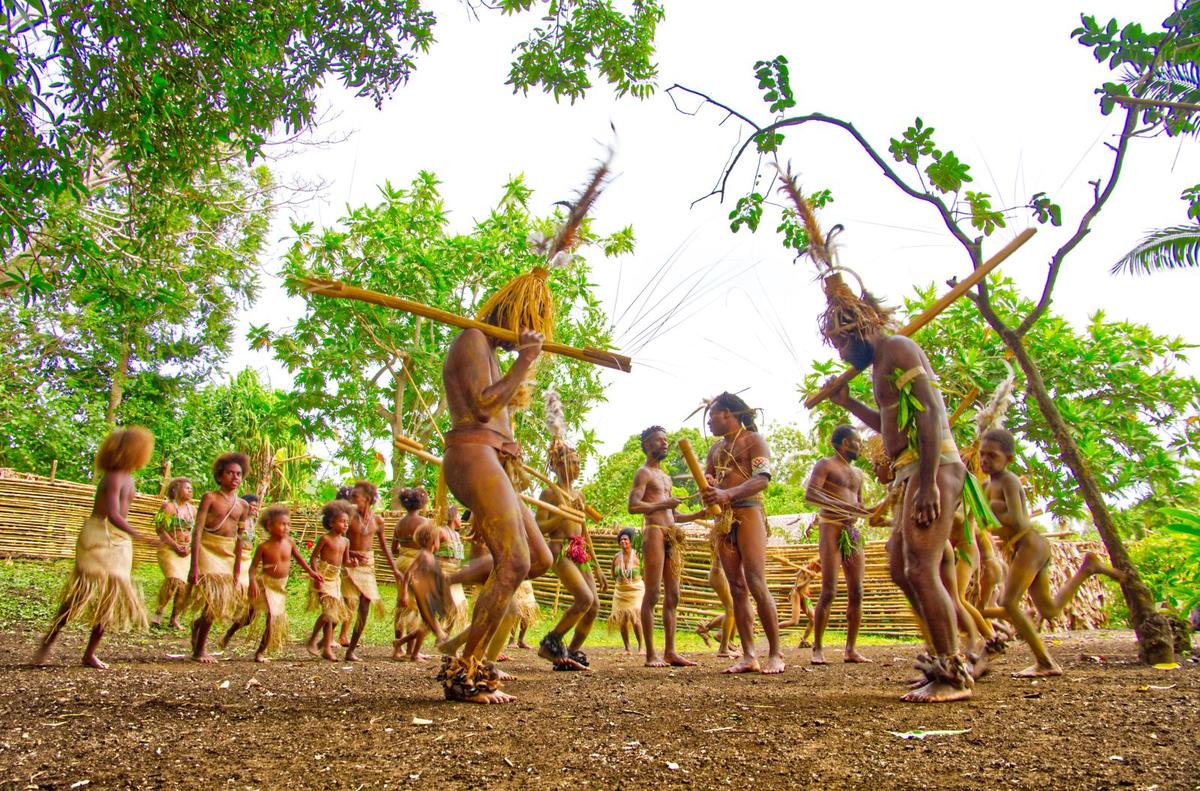
Editor's Choice
Naversa Small Nambas Cultural Tour
Step into the living traditions of Malekula's Small Nambas people with this immersive two-hour cultural experience in the village of Narworu on Wala Island. From the moment the tamtam drum sounds...
Crimes Against Tourists in Vanuatu
Vanuatu is generally considered a safe destination for travellers, with crime rates relatively low compared to many other countries in the region. Most visits are trouble-free, but tourists should still take basic precautions to ensure their safety.
Common Risks
The most common crime affecting tourists is petty theft, including pickpocketing or theft from vehicles, particularly in busy areas of Port Vila and Luganville.
Be wary of scams involving unofficial taxi services or unlicensed tour operators; always confirm prices in advance to avoid any unpleasant surprises.
Additionally, some alcohol-related incidents occur around bars or nighttime venues, so exercise caution and avoid leaving drinks unattended. When talking to locals, we were told that it's not recommended for tourists, especially females, to go to the nightclubs in town.
Emergency Contacts
- Police Emergency: 111 (Digicel), 1111 (TVL)
- Fire Emergency: 113 / 36333
- Medical Emergencies: 112 (Hospital), 115 (Promedical)
For more details about essential services and safety while in Vanuatu, see our guide: Information, Shops & Services in Vanuatu.
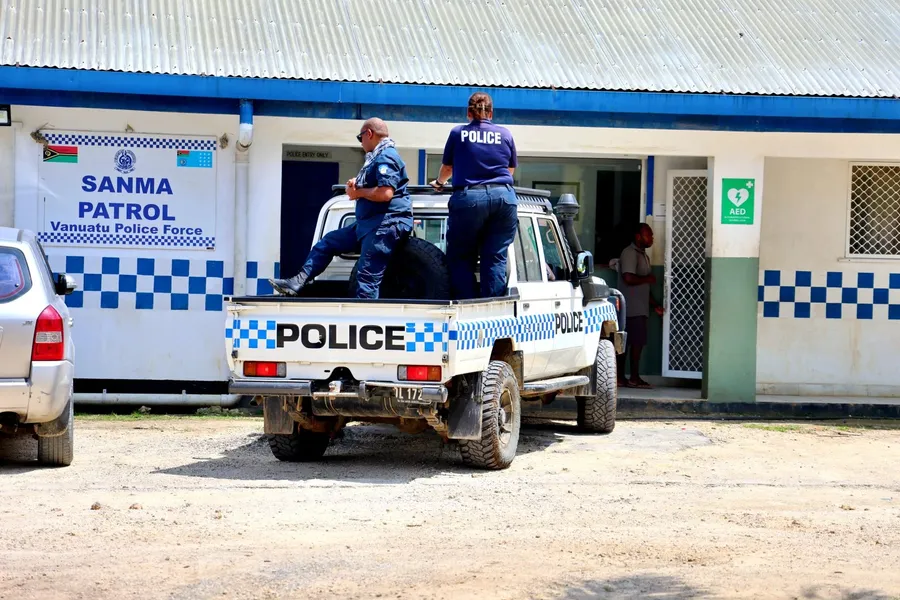
Vanuatu Police Stations
If you need to contact the police, these are the Vanuatu police station phone numbers and their approximate locations:
- Police Station, Port Vila (located behind Port Vila Mall) - 222222
- Mala Base, Port Vila - 22 860 / 22718
- Sanma Patrol, Main Street, Luganville (on the west end near Sunshine Shopping) - 36222
- Police College & Professional Standards Unit, Port Vila - 23048
- Police Maritime - Commander - 26570
- Crime Prevention & Family Protection - Luganville
- Police Boat - Technical Adviser, RVS Tukoro - 22930
- Joint Command Headquarters, Port Vila - 26570
- Northern District Headquarters, Luganville - 36064
Water Safety in Vanuatu
Water activities are one of the highlights of visiting Vanuatu, from snorkelling on coral reefs to swimming at picturesque beaches. However, it’s important to take precautions when heading into the water.
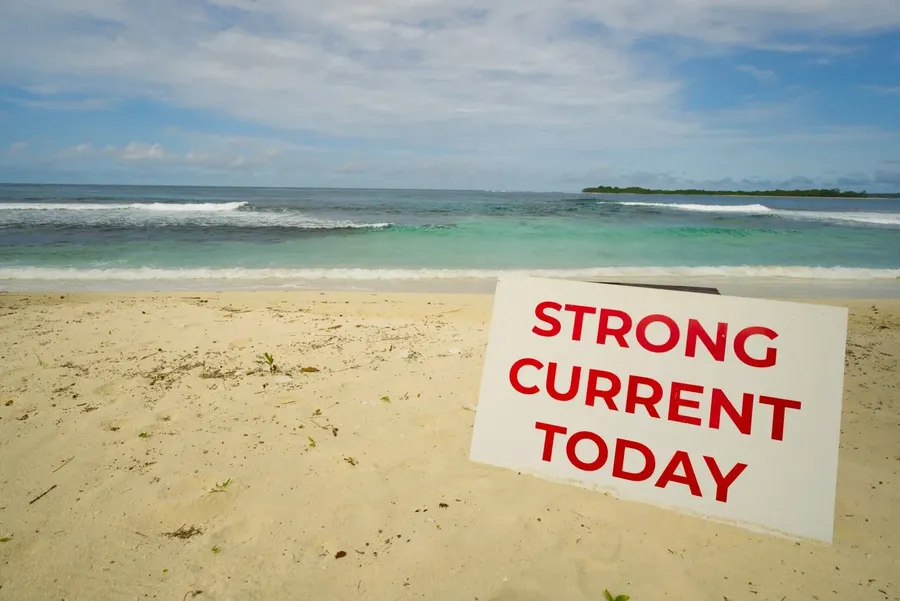
Not all beaches are safe for swimming, and conditions can vary widely depending on tides, currents and reef formations. Always ask locals, your accommodation or tour guides for advice before entering the water.
For snorkelling, mid-tide or slack tide is usually the safest, especially around popular spots like Hideaway Island (Efate) or Mele Reef. At low tide, some coral can be exposed, increasing the risk of cuts, while high tide can create stronger currents over the reef.
Swimmers should be especially cautious of currents and tidal flows, particularly around reef passes/channels. From the shore, reef passages can often be identified by darker strips of water extending toward the reef. These areas can have strong, fast-moving water, so plan your swim accordingly.
Finally, never swim alone and always check local conditions before entering the water. Lifeguards are not available, so following local advice is essential for a safe and enjoyable experience.
Road Safety in Vanuatu
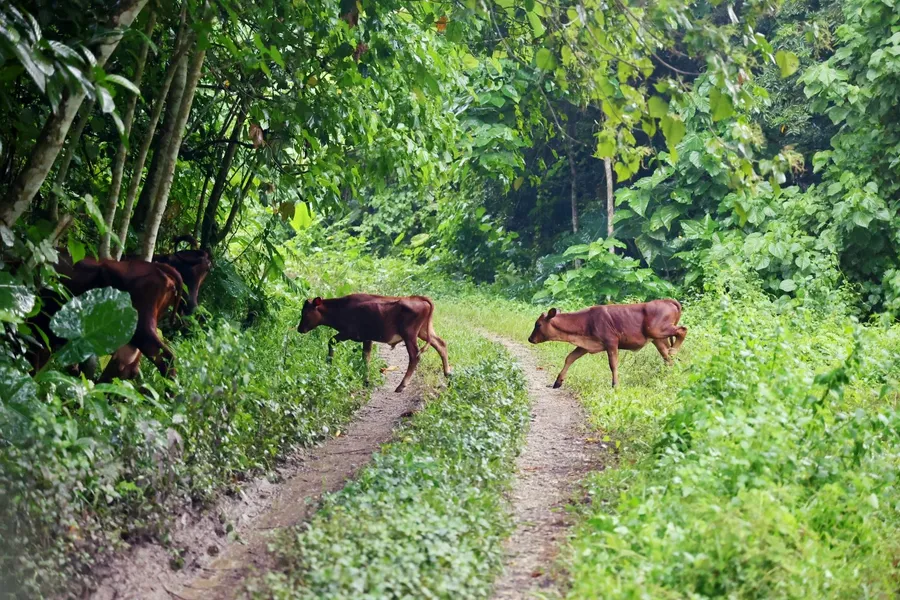
We won't lie, the roads in Vanuatu can be a hazard for travellers. While speed limits exist and road rules are in place, the road rules are not widely known, even between locals, and road conditions vary widely across the islands. Potholes are identified as the biggest safety hazard, with tourists frequently having accidents when hitting potholes while not watching the road carefully.
Traffic in Port Vila and Luganville can be busy, and many outer islands have narrow, winding or unsealed roads. Accidents do occur, so exercising caution is essential.
As a business owner who has lived in Vanuatu for three years noted: "I'm a nervous wreck now... the amount of head-ons I've nearly had on a bend, because they just overtake willy nilly, okay? And they speed."
With that in mind, defensive driving is essential to have a good time on the roads in Vanuatu.
Here are some practical road safety tips for driving in Vanuatu:
- Stick below the speed limit, as potholes can creep up at any time
- Watch out for children and animals on the road
- Be mindful of the buses and taxis stopping often
- Wear a helmet when riding a scooter, quad bike or buggy
- Take extra care when driving on unsealed roads
- Don’t park under coconut trees
- Wear your seatbelt (even if the locals don’t).
For more detailed guidance, see our full guide, How to Drive in Vanuatu + 10 Road Rules You Need to Know.
%20CREDIT%20TongaPocketGuide.com-900x600.webp?v=2026-06-25T23%3A01%3A43.387Z)
Medical and Travel Insurance for Vanuatu
Healthcare in Vanuatu is generally reliable in Port Vila and Luganville, but the more remote islands have limited medical facilities, often only basic clinics or rural health posts. If you have health insurance that does not cover international travel, it’s highly recommended to purchase travel insurance before visiting Vanuatu.
Good travel insurance for Vanuatu should include coverage for theft, illness, and injury as standard. You may also want to add options for medical evacuation and coverage for adventure activities, which typically includes snorkelling, scuba diving, surfing, trekking, and volcano visits, popular activities throughout the islands.
Travel Protection Membership
The most comprehensive travel protection we've found is Global Rescue, which not only acts as a personal assistant for your health and safety, handling everything from expediting replacement of a lost passport to medical guidance, but even manages rescue and medical evacuation, should the worst occur.
Check out our Exclusive Deal with Global Rescue to gain one of the world's most comprehensive travel protection memberships.
Where to Stay
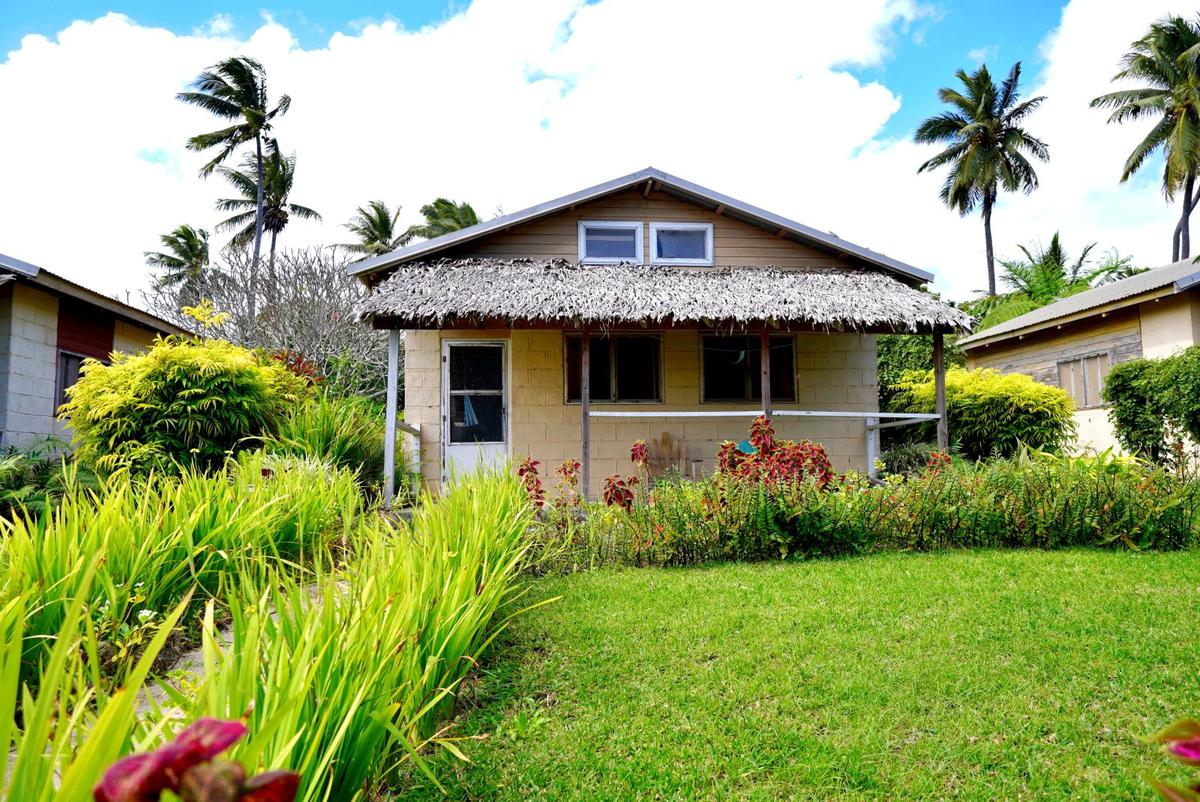
Apera Beach Front Bungalows
Bungalow
VT 3500/night
More About Health and Safety in Vanuatu
That's it for our complete guide to health and safety in Vanuatu. For more Vanuatu safety tips, check out the following guides:
- The Best Reef-Safe Sunscreens for Vanuatu
- 15 Tips for Your Family Vanuatu Vacation with Kids
- 30 Ways to Travel More Sustainably in Vanuatu
Finally, get all the travel tips you need for Vanuatu from The Complete Travel Guide to Vanuatu and the 30 Tips for Travelling in Vanuatu.

%20CREDIT%20VanuatuPocketGuide.com-900x601.webp?v=2026-06-11T01%3A28%3A52.090Z)
-CUNL%20CREDIT%20VanuatuPocketGuide.com-900x600.webp?v=2026-03-08T01%3A22%3A10.914Z)