

%20CREDIT%20VanuatuPocketGuide.com.webp?v=2026-03-07T22%3A30%3A25.745Z)
The Complete Guide to Taking the Bus in Vanuatu
If you're looking for an authentic way to get around Vanuatu whilst mixing with the locals, hopping on a bus is your best bet. Using public transport is not only budget-friendly but gives you a real taste of everyday life in Port Vila and Santo.
From our experience, catching a bus here is straightforward once you know the basics. You'll discover everything from bus etiquette to fares, plus what to expect when it comes to routes (spoiler alert: they're a bit more flexible than you might think).
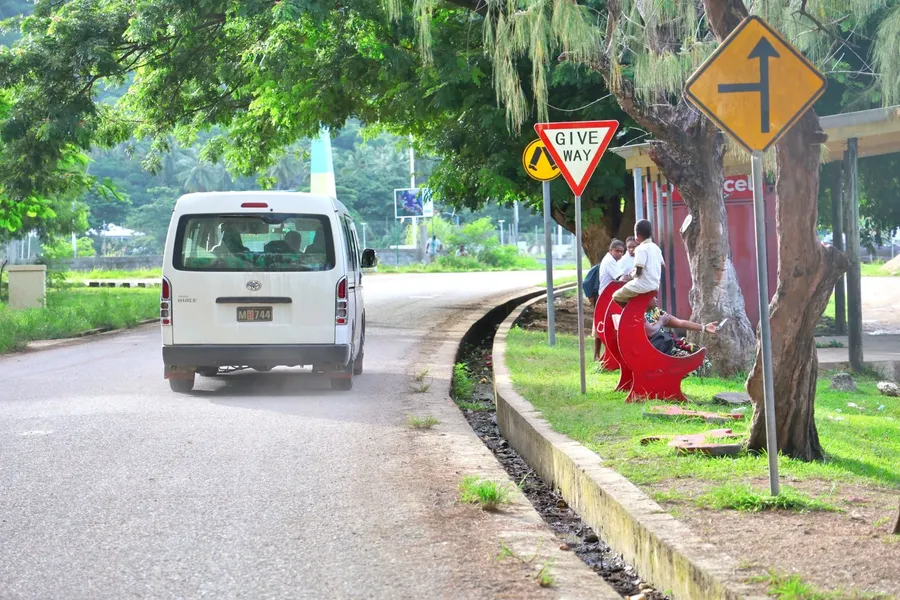
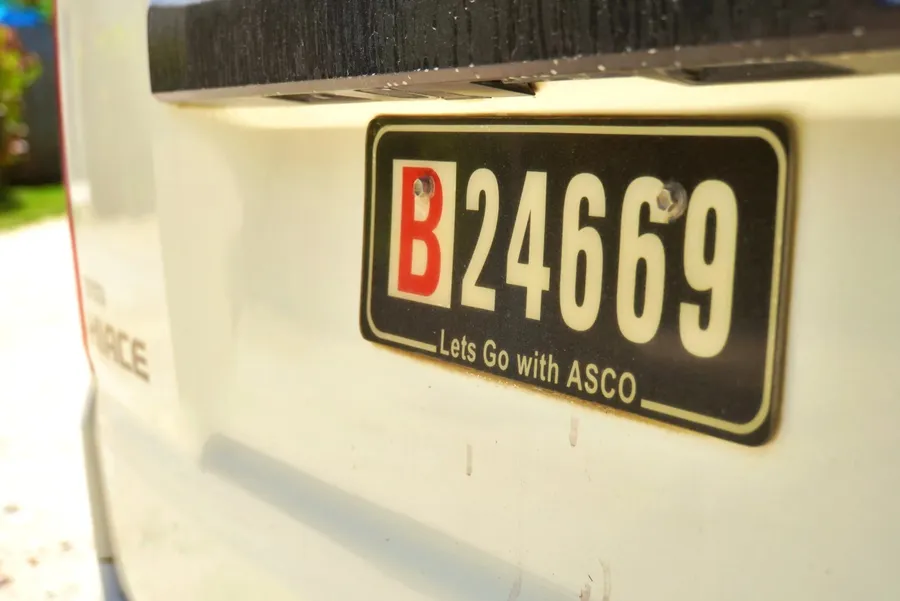
Buses in Vanuatu are easy to spot by their licence plates, which start with a "B" (for "Bus"). They're usually minibuses or vans, rather than large coach buses.
So without further ado, let's dive into the complete guide to taking the bus in Vanuatu!
This article is based on real on-the-ground research, not on AI scraping old content from the internet. Learn how we use AI!
Table of Contents
5 Tips for Taking the Bus in Vanuatu
- Look for "B" plates on minivans to identify buses - these vehicles usually hold 10-15 people.
- It’s better to use the bus stops. But you can simply wave or thumb when you see a "B" plate vehicle approaching.
- Buses stop almost anywhere and drivers adapt routes based on passenger requests - just tell them your exact destination.
- Have small notes ready for your fare. In Port Vila, the official adult fare is 150 VT within the Port Vila Municipal Council boundary and nearby approved 150 VT zones.
- Roads can be bumpy and vehicles aren’t always air-conditioned, so don’t expect luxury coach travel here.
%20CREDIT%20VanuatuPocketGuide.com-900x601.webp?v=2026-03-07T22%3A30%3A18.718Z)
Where to Catch the Bus in Vanuatu
You'll find regular bus services operating in Port Vila (Efate), Luganville (Santo) and northeast Malekula.
Where to Catch a Bus in Port Vila and Efate
Buses are everywhere in and around Port Vila. You don't have to wait long before you can wave your hand to hail down a bus, which can be more reliable than catching (or booking) a taxi. If there is a bus stop nearby, it's best to use it, as this makes it safer for the bus drivers to pull over.
Around Efate, buses also connect with Port Vila with the north of the island, such as the wharves where boats transport passengers between Pele and Nguna. You can catch buses north from the car park infront on Au Bon Marché Manples.
Where to Catch a Bus on Santo
On Santo, there's something quirky about the bus routes that caught us off guard during our last visit. The buses to Santos' northeast coast operate on what locals call the "wrong way around" for tourists.
Here's how it works: buses come down from Port Olry in the early morning to bring local people to town for work and errands. Then they head back up north after 3 pm from the Unity Shell petrol station (also known as Paradise Station).
This means if you're planning to visit Hog Harbour, Champagne Beach or Lonnoc Beach, you'll want to time your journey accordingly. According to locals, the best strategy is to catch an early morning bus or wait until mid-afternoon for the return journey.
Are There Bus Stops in Vanuatu?
Yes. Due to frequent accidents on the roads with buses stopping in the middle of the road for passengers, the government has introduced more bus stops where buses can safely pull over. It's best to use these bus stops when available.
Otherwise, it is customary to flag these minibuses with a "B" number plate down on the roadsides when you see one coming.
Can I Take a Bus on the Outer Islands of Vanuatu?
Not really, at least not in the same way you can in Port Vila or around Santo. On the outer islands, public transport is usually more “island-style”, with 4WD trucks, pick-up trucks or utes used as local transport instead of the minivans marked with “B” plates.
On islands like Malekula and Tanna, these vehicles are often called trucks or “transport”, and some are marked with “CT” for common transport. They may pick up passengers from the roadside, but services are usually built around local work schedules, with a morning run into town and an afternoon run back out. In other words, handy if you’re flexible, less handy if you’re expecting a timetable and a bus stop sign.
For more on how this works, see our guide to Taxis & Trucks in Vanuatu: Taxi Fares, How to Use & More.
Does Vanuatu Have Bus Routes?
Buses in Vanuatu don't follow fixed routes or timetables.
Instead, drivers adjust their routes on the fly based on where passengers want to go. Simply flag down a bus and tell the driver your destination, and they'll work it into their route, which is much speedier than your average bus journey overseas (unless you're in central Port Vila, where heavy traffic means they stick to more predictable paths).
When Do Buses Operate in Vanuatu?
In Port Vila, most buses operate from 7 am to 9 pm, but this can vary depending on the area, how much demand there is, and, of course, the driver.
Outside of Port Vila, buses operate from 5/6 am but don't return to their respective villages until 5/6 pm.
We'd recommend planning your trips with plenty of time to spare, as you don't want to be stranded somewhere remote when the sun goes down.

Bus Fares: How to Pay for the Bus in Vanuatu
As mentioned, buses in Vanuatu are incredibly affordable. Always pay in cash directly to the driver as you leave the bus. Also, make sure you’ve got small change ready, as drivers won’t always have enough change for large notes.
Bus Fares in Port Vila and Efate
In Port Vila, the official adult bus fare within the Port Vila Municipal Council boundary is 150 VT. This covers the main town area, with distances measured from the former Post Office building in town.
There is a tiered fare system set by the Public Land Transport Authority. Passengers travelling within 13 km (8 mi) of town pay 150 VT, with key stop points including Prima Bridge, Blacksand, the Switi area near Erangrango, Les Alizes near Belle View, Pango SDA near Nambanga, Malapoa Estate, Stella Marie entrance, roads near Klab Hippique, Tuna Fishing Road and Erakor Round House.
Trips beyond this zone cost 200 VT for many adults and commuters travelling from areas farther from town. For longer journeys around Efate and into rural areas, fares increase by distance, with signposted fares from 150 VT through to 500 VT on roads leading out of town.
This official fare system is designed to make the prices clearer and easier to enforce, which is handy if you don’t fancy negotiating bus fares before your morning coffee.
Bus Fares in Luganville and Santo
On Santo, the pricing is somewhat similar to Port Vila, with a flat fare of 150 VT around the Luganville area.
For longer trips, you’ll pay around 400 VT from Luganville to Hog Harbour, Champagne Beach and Lonnoc Beach. If you’re heading all the way to or from Port Olry, the fare jumps to 500 VT.
Here’s something we discovered during our last trip: buses to the north-east coast of Santo operate on what locals call the "wrong way around" schedule for tourists. They come down from Port Olry early in the morning, bringing locals to town for work and errands, then head back north after 3 pm from the Unity Shell petrol station (also known as Paradise Station).
This timing can actually work in your favour if you plan accordingly, but it’s worth knowing about before you set off exploring.
Vanuatu Bus Etiquette
Like travelling anywhere new, there are customs to bear in mind when taking the bus in Vanuatu. A few bus etiquette tips include:
- To catch a bus, use a bus stop if there is one.
- If there is no bus stop, stand by the roadside and give a friendly wave (or raise your thumb) at any vehicle sporting a "B" plate.
- Tell the driver exactly where you'd like to go when entering the van.
- You'll need to pay the driver directly in cash, so have some small notes before you board.
- Pay your fare as you leave the bus.
- Wear modest clothing, knowing that you’re sharing the bus with locals.
For more customs to respect while visiting Vanuatu, check out Vanuatu Etiquette: Ni-Vanuatu Customs & Traditions.

Editor's Choice
Mount Marou Adventure Tours
Head to Nguna Island and take on Mount Marou with a local guide from the community-based team at Mount Marou Adventure Tours. This guided hike brings you to the summit where sweeping views stretch...
More About the Buses and Getting Around Vanuatu
That's it for our complete Vanuatu bus guide. For more tips on travelling and transport around Vanuatu, take a look at the following guides:
- How to Catch Boats & Water Taxis in Vanuatu
- Taxis & Trucks in Vanuatu: Taxi Fares, How to Use & More
- Vanuatu Ferry Guide: How to Use the Ferry for Interisland Travel in Vanuatu
Finally, if there's anything we've missed, you're likely to find it in our Vanuatu Transport Guide: 10 Best Ways to Get Around Vanuatu.


-%20BNCC%20CREDIT%20VanuatuPocketGuide.com-1-900x600.webp?v=2026-03-08T00%3A36%3A15.267Z)