

What You Need to Know About Cyclones in Vanuatu
Tropical cyclones that develop in the South Pacific have a risk of affecting Vanuatu.
The cyclone season runs from November to April, and if you’re travelling during this period, there is a chance that a tropical storm or cyclone may pass near or over the islands. Due to the danger of this type of extreme weather event, it’s best to know how to prepare for a cyclone and know what to do if a cyclone occurs while you’re visiting.
Vanuatu has well-established monitoring and warning systems, with regular weather updates, alerts and community preparedness measures in place to help keep both locals and visitors safe during severe weather events.
Don't let the cyclone risk deter your trip; simply stay alert and follow safety guidelines if a warning is issued.
In this guide to cyclones in Vanuatu, we go through the emergency procedures for cyclones and how you can prepare as a traveller. For more detailed seasonal insights, check out our Vanuatu Weather, Seasons & Climate + Weather by Month guides.
This article is based on real on-the-ground research, not on AI scraping old content from the internet. Learn how we use AI!
Table of Contents
When is the Cyclone Season in Vanuatu
Cyclone Warnings in Vanuatu
Vanuatu’s tropical cyclone season runs from November to April, and a network of national and regional agencies closely monitors developing weather systems.
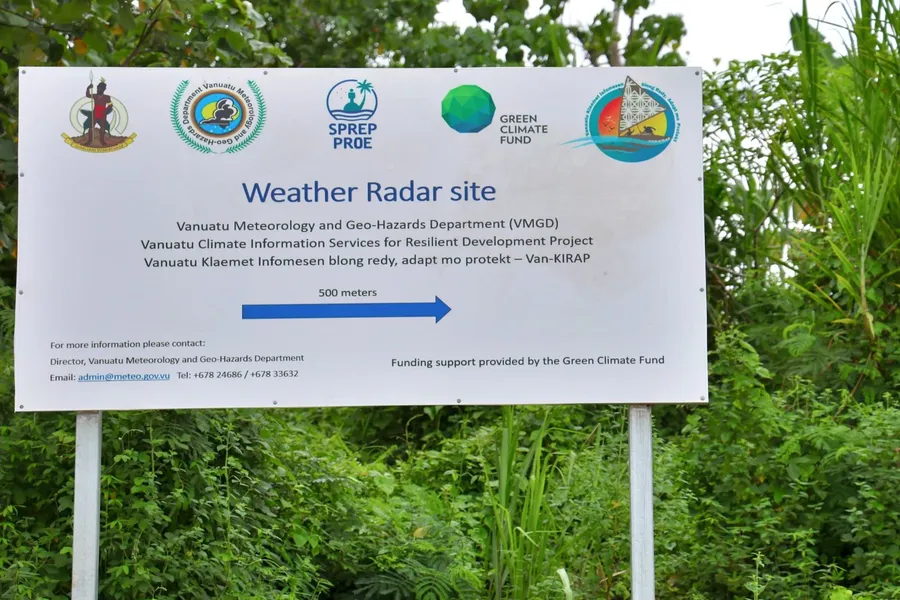
The Vanuatu Meteorology and Geo-Hazards Department (VMGD) works alongside the Regional Specialised Meteorological Centre (RSMC) in Nadi, as well as other Pacific meteorological services, to track storms and issue cyclone watches and warnings.
Thanks to this coordinated system, developing cyclones are usually detected early, giving locals and travellers valuable time to prepare.
How Cyclones Are Reported
Cyclones typically begin as tropical depressions. Once sustained winds reach 63–118 kph (39-73 mph), the system is classified as a tropical storm.
When wind speeds increase further, it is upgraded to a tropical cyclone and given a name (such as Cyclone Pam or Cyclone Harold). Cyclones are categorised from Category 1 (88-125 kph/55-78 mph) up to Category 5 (over 250 kph/155 mph) based on intensity.
Meteorologists track each system closely and issue multi-day forecasts showing its projected path. While tracks can change, early warnings are widely shared via radio, mobile alerts and official advisories, ensuring communities and visitors have time to act.
Local Weather Signs
While not an official way to monitor cyclones, locals told us that when hornets build nests close to the ground, a cyclone may be approaching. A cool fact, even if not always the most useful way to scout a cyclone.

The Dangers of Cyclones
Why do you need to prepare for a cyclone?
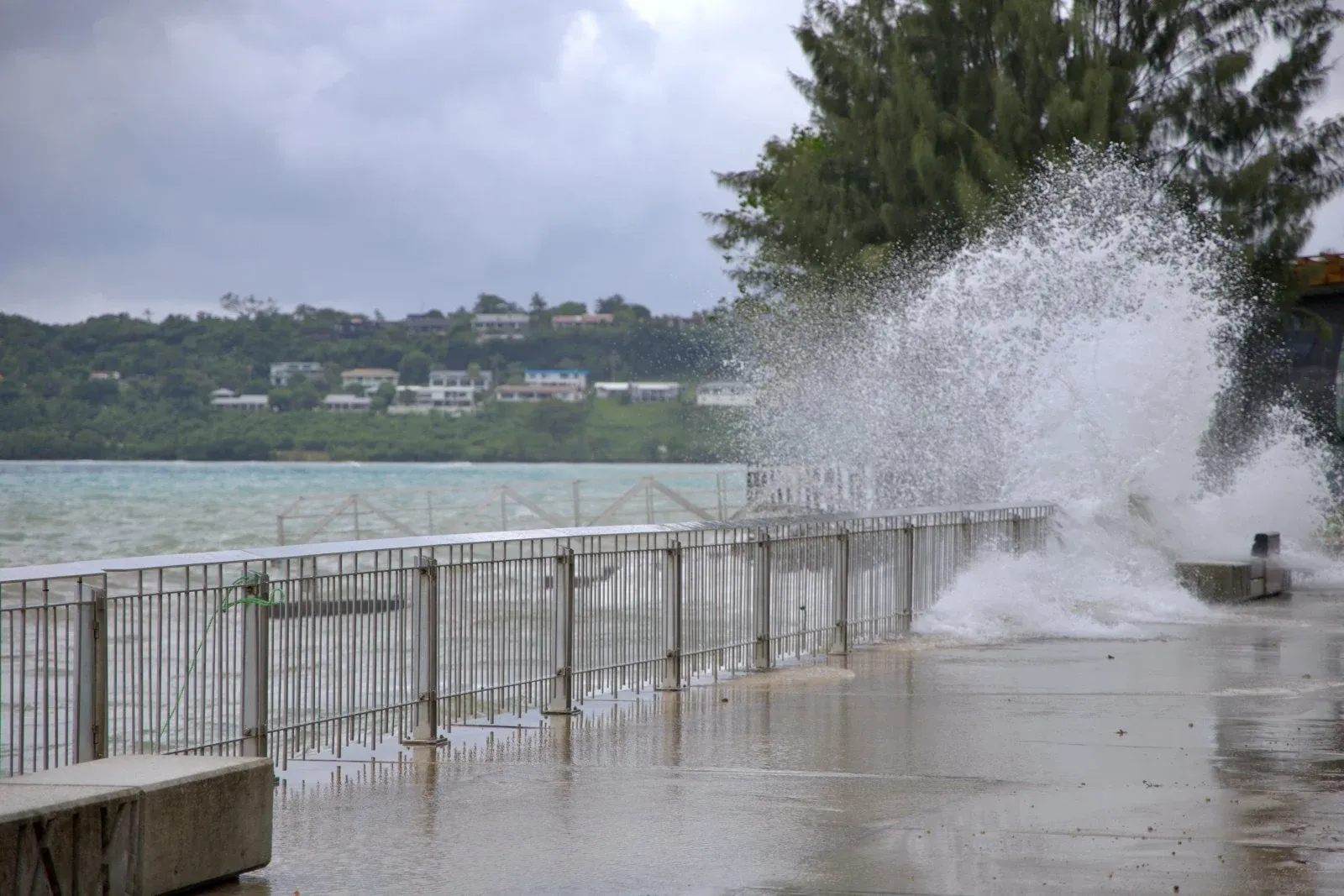
Higher category cyclones (3-5) are expected to cause significant to extremely dangerous damage to ground conditions. What's more, the severe gale-force winds can cause significant damage to weaker structures in Vanuatu, for instance, buildings in villages. There may also be damage to power lines causing blackouts, damage to crops and trees, and dangerous airborne debris.
Another danger can be contaminated tap water, although we recommend that you always filter (with a Lifestraw bottle, for instance) or boil tap water in Vanuatu unless you know your accommodation is treating the water - see Is the Water Safe to Drink in Vanuatu?
It’s important to note that cyclone damage is quite localised, significantly affecting the areas in its path rather than the entire country.
How to Prepare for a Cyclone
If you’re visiting Vanuatu during cyclone season (November to April), one of the smartest things you can do is stay on top of local weather alerts. The VMGD issues real-time cyclone watches and warnings in coordination with regional agencies such as RSMC Nadi and other Pacific meteorological services.
You can find updates through VMGD’s official website, social media channels and local news channels. Multiple radio stations also broadcast cyclone updates, including Radio Vanuatu (MW 1125 KHZ, SW frequencies), Capital FM107 (FM 107), Buzz FM (FM 96), and others covering different regions.
Government agencies also share alerts and safety information during severe weather events.
Given how unpredictable cyclones can be, it’s always better to be overprepared rather than underprepared.
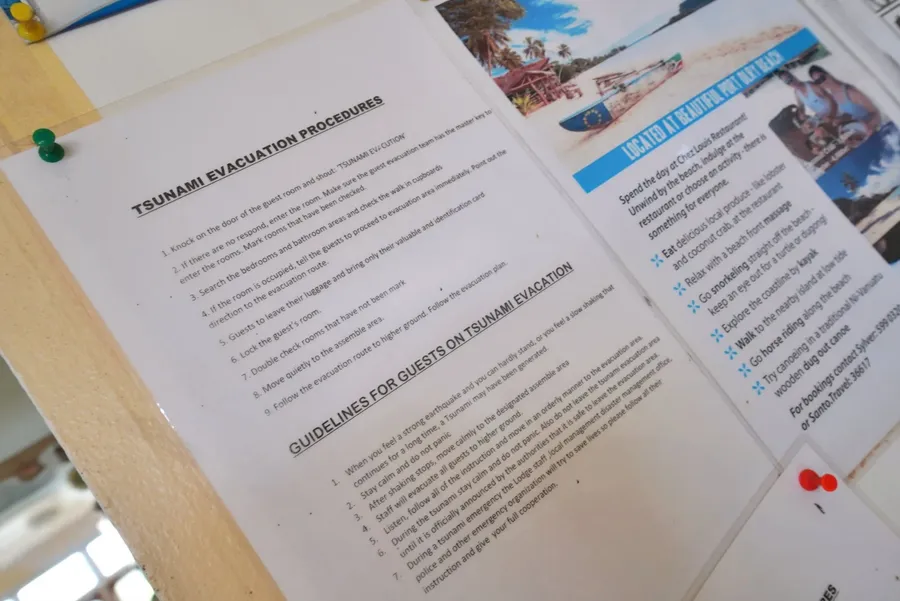
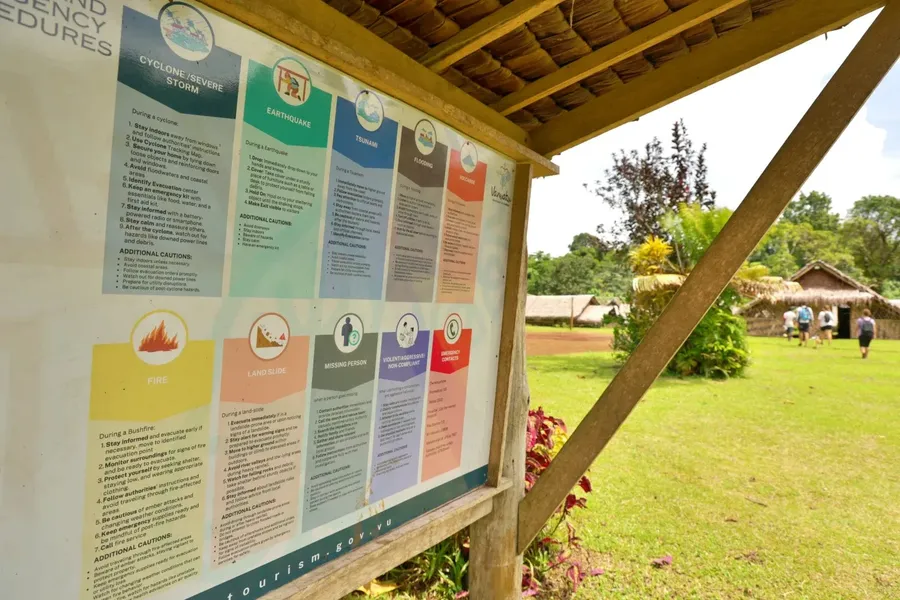
If you’re staying in a hotel or guesthouse, ask the staff about their cyclone procedures. They’ll be able to advise you on the safest areas of the building if you need to shelter in place. This information may even be in the hotel's compendium or noticeboard.
Prepare a basic emergency kit with food, drinking water, clothing and medication for at least three days. A battery-powered radio or a fully charged power bank is useful for staying informed if power or mobile networks are disrupted.
A flashlight and spare batteries are also essential. Key emergency numbers include VMGD Weather Focus Division (22932, 33632), National Disaster Management Office (22699), and Police (111, 1111, or 22222).
Continue monitoring cyclone updates via radio, TV, mobile alerts and online news. You’ll be informed if evacuation is required and where designated evacuation centres are located. Official advice is communicated through local radio, television and government alerts.
A History of Cyclones in Vanuatu
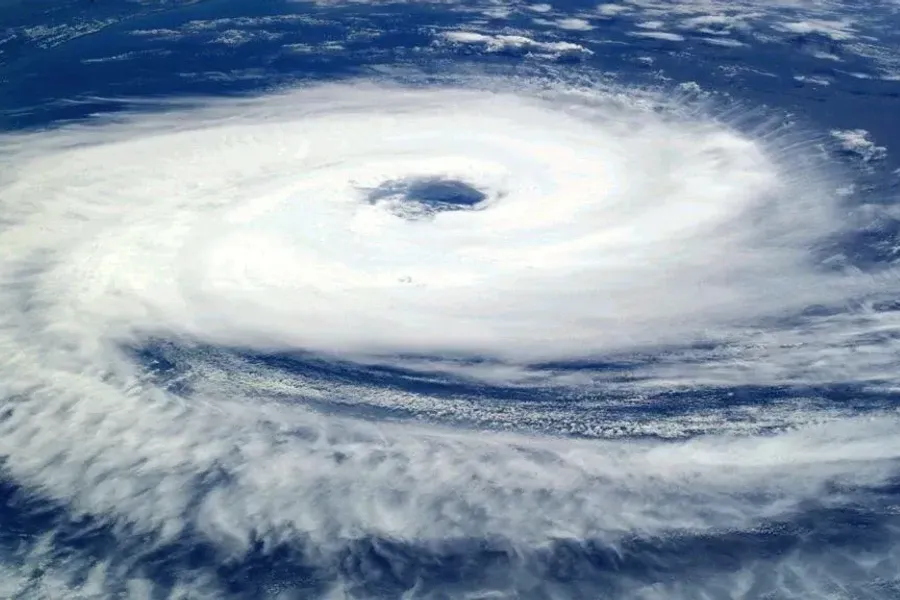
While tropical cyclones form in the South Pacific every year, only a portion of them directly affect Vanuatu. Based on historical storm tracks and long-term climate data from NIWA, Vanuatu experiences the extremes of cyclones around 1-2 times per decade, meaning there is a moderate but ongoing risk of cyclones impacting or passing close to the islands over time.
Below is a record of some cyclones that have affected Vanuatu.
Cyclone Pam
Cyclone Pam struck Vanuatu in March 2015 as a powerful Category 5 cyclone, bringing winds exceeding 250 kph (155 mph). It caused catastrophic damage across multiple islands, particularly Efate, Tanna and outer islands, destroying homes, crops and infrastructure. Pam is considered one of the most destructive cyclones in Vanuatu’s history.
Cyclone Harold
Cyclone Harold impacted Vanuatu in April 2020 as a Category 5 system, delivering destructive winds, storm surge and widespread flooding. Espiritu Santo and Pentecost were among the hardest-hit areas, with thousands displaced and extensive damage to housing, agriculture and essential services.
Cyclone Ivy
Cyclone Ivy affected Vanuatu in February 2004, bringing heavy rain, flooding and landslides. The storm damaged crops, roads and homes across several islands, particularly in the central and southern regions.
Cyclone Uma
Cyclone Uma struck Vanuatu in February 1987, causing severe damage on Efate and nearby islands. High winds and heavy rainfall led to widespread destruction of buildings, infrastructure and vegetation, with long-term impacts on local communities.
Cyclone Dani
Cyclone Dani passed near Vanuatu in January 1999, bringing strong winds and heavy rain that caused flooding and agricultural damage, particularly on southern islands.
Cyclone Prema
Cyclone Prema impacted northern Vanuatu in March 1993, producing destructive winds and flooding that damaged homes, crops and coastal infrastructure.
Cyclone Nigel
Cyclone Nigel passed close to Vanuatu in January 1985, generating heavy rainfall, rough seas and flooding, especially in low-lying coastal areas.
Cyclone Anne
Cyclone Anne affected Vanuatu in January 1988, bringing strong winds and rain that caused damage to housing, crops and transport links.
Cyclone Beni
Cyclone Beni influenced weather conditions across Vanuatu in January 2003, producing heavy rainfall and rough seas that disrupted transport and coastal communities.
Cyclones in Vanuatu, Month-by-Month
- January: 1847, 1854, 1859, 1861, 1862, 1868, 1869, 1873, 1877, 1878, 1879, 1880, 1890, 1901, 1911, 1916, 1936, 1937, 1947, 1948, 1948, 1955, 1963, 1965, 1968, 1985 (Eric and Nigel), 1988 (Anne), 1992 (Betsy), 1994 (Rewa), 1997 (Drena), 1998 (Katrina and Susan), 2002 (Beni), 2008 (Funa), 2011 (Yasi), 2016 (Ula), 2020 (Tino)
- February: 1848, 1849, 1852, 1854, 1867, 1869, 1872, 1874, 1891, 1892, 1907, 1922, 1928, 1932, 1937, 1940, 1941, 1942, 1944, 1946, 1947, 1948, 1954, 1955, 1956, 1962, 1965, 1967, 1969, 1992 (Esau), 2004 (Ivy), 2012 (Jasmine), 2016 (Winston), 2018 (Gita), 2022 (Dovi), 2023 (Gabrielle)
- March: 1847, 1849, 1860, 1861, 1871, 1889, 1891, 1893, 1903, 1910, 1946, 1949, 1953, 1956, 1957, 1963, 1964, 1966, 1985 (Gavin), 1988 (Bola), 1992 (Fran), 1993 (Prema), 1998 (Yali), 2001 (Paula), 2010 (Ului), 2014 (Lusi), 2015 (Pam), 2018 (Hola), 2023 (Judy and Kevin)
- April: 1868, 1907, 1932, 1933, 1941, 1952, 1970, 2001 (Sose), 2017 (Cook), 2020 (Harold)
- May: 1868, 1911, 2017 (Donna)
- June: 1875
- October: 1874, 2006 (Xavier), 2023 (Lola)
- November: 1918, 1921, 1952, 1956, 1963, 1991 (Tia)
- December: 1848, 1873, 1881, 1922, 1923, 1927, 1935, 1947, 1951, 1992 (Kina), 1996 (Fergus), 2020 (Yasa).
Editor's Choice
Entani Company Ltd.
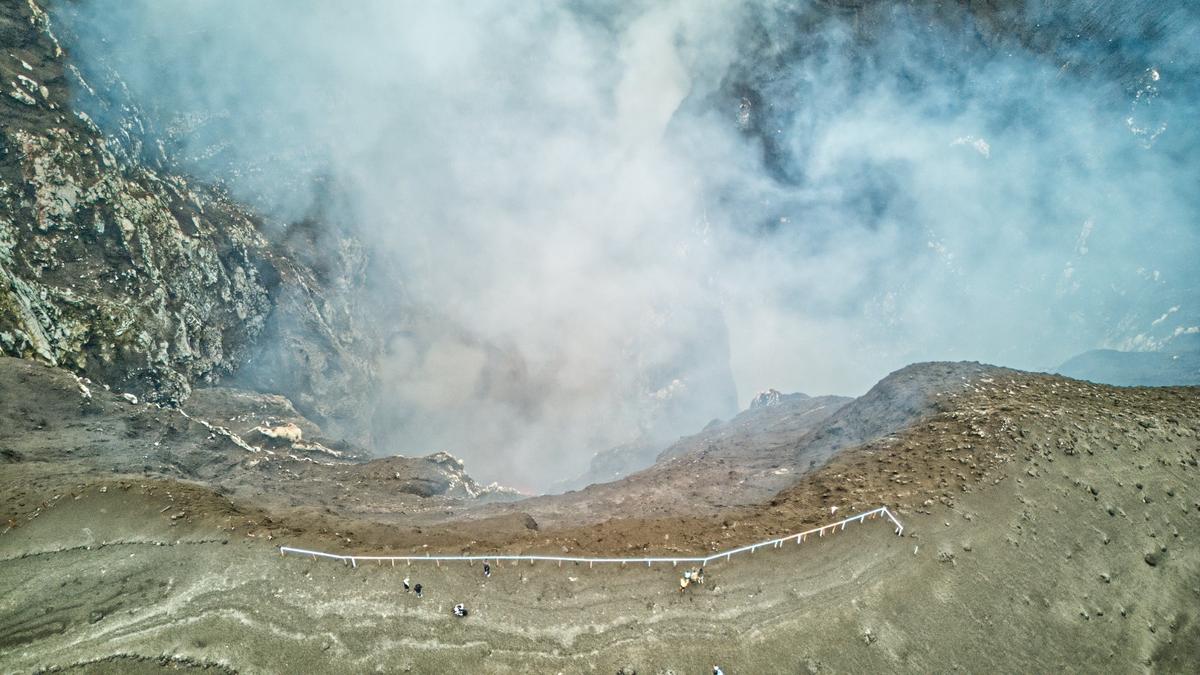
Standing at the edge of one of the world's most accessible active volcanoes is something you won't forget. Mt Yasur on Tanna Island has been erupting almost continuously since Captain Cook...
Frequently Asked Questions About Cyclones in Vanuatu
Now that you know about cyclone preparedness in Vanuatu, here are the answers to the internet's frequently asked questions about staying safe during cyclone season!
When is hurricane season in Vanuatu?
Hurricane season in Vanuatu generally runs from November through April. This is when tropical cyclones are most likely to form in the South Pacific, bringing strong winds, heavy rainfall, rough seas and possible flooding, particularly between January and March.
What should I include in my cyclone emergency kit?
Your cyclone emergency kit should include at least three days' worth of water (4 litres per person per day), non-perishable food, a battery-powered radio, torches, first aid supplies, medications, important documents in waterproof containers, cash and mobile phone chargers. Don't forget items for infants, elderly family members, and pets if applicable.
How are cyclones monitored and warnings issued in Vanuatu?
Cyclones affecting Vanuatu are monitored by Vanuatu Meteorology and Geo-Hazards Department (VMGD) in coordination with RSMC Nadi (Fiji) and regional meteorological agencies. VMGD issues cyclone alerts, watches and warnings based on a storm’s intensity and expected impact. These alerts are shared through radio, official announcements, and local authorities to give communities time to prepare.
How do I stay informed during a cyclone in Vanuatu?
The most reliable way to stay informed is by following VMGD updates, listening to local radio stations, and paying attention to announcements from local authorities or accommodation providers. Mobile coverage can be disrupted during severe weather, so having a battery-powered radio is strongly recommended. Hotels and guesthouses will usually advise guests on safety procedures and shelter areas if conditions worsen.
More About Cyclones in Vanuatu
That's it for our complete guide to cyclones in Vanuatu and how to prepare. For more about natural disasters and safety in Vanuatu, take a look at the following guides:
- The Guide to Tsunamis & Earthquakes in Vanuatu
- Vanuatu Safety Tips: Is it Safe to Travel to Vanuatu?
- Vanuatu Weather, Seasons & Climate + Vanuatu Weather by Month
Finally, get all of the tips required for a smooth getaway to the islands from our 30 Tips for Travelling in Vanuatu.
%20CREDIT%20VanuatuPocketGuide.com-900x601.webp?v=2026-06-11T01%3A28%3A52.090Z)
-CUNL%20CREDIT%20VanuatuPocketGuide.com-900x600.webp?v=2026-03-08T01%3A22%3A10.914Z)