

A Guide to Passing Through Immigration, Customs and Biosecurity in Vanuatu
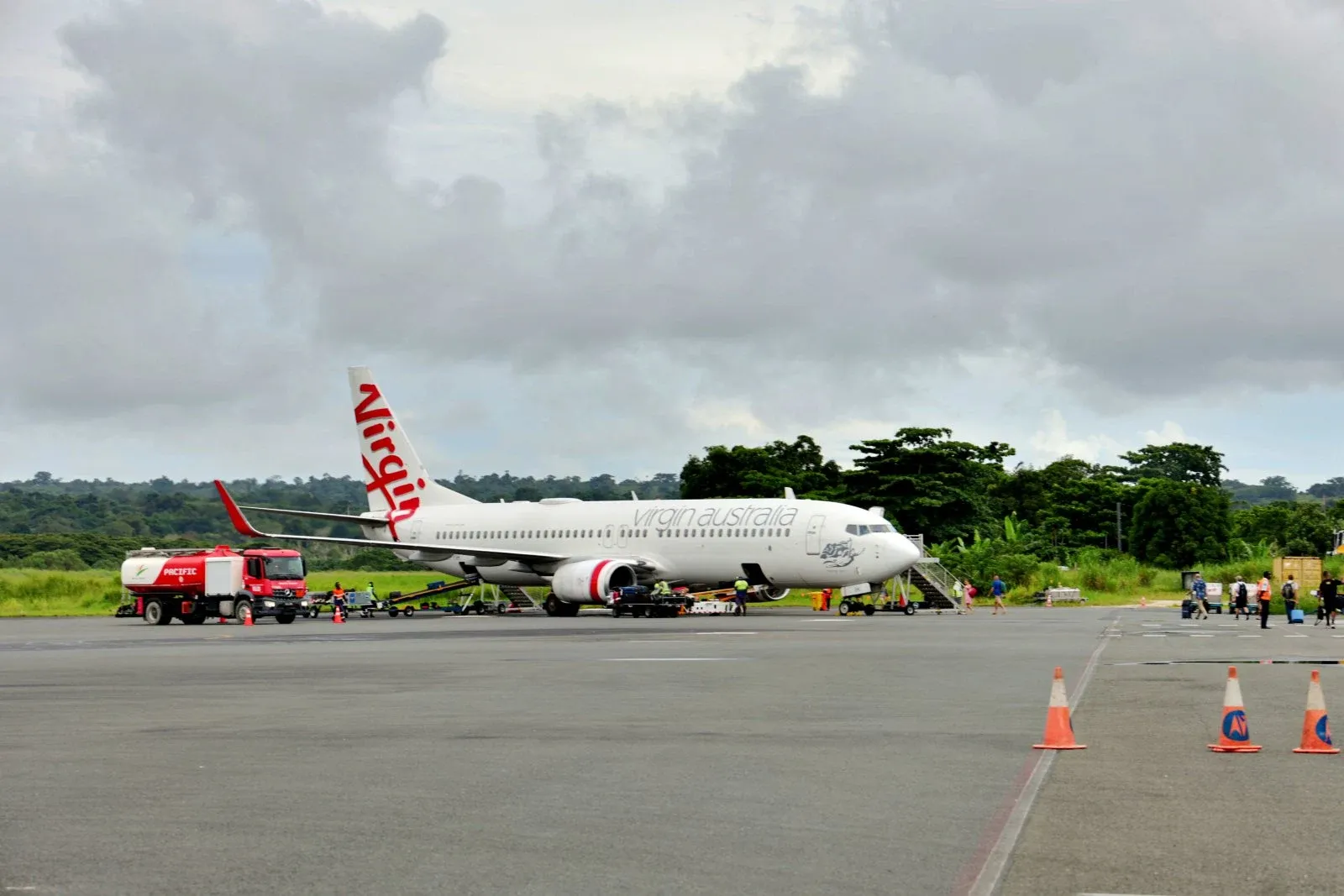
Your final hurdle to an island adventure in Vanuatu is getting through Immigration, Customs and Biosecurity when you arrive at Bauerfield International Airport in Port Vila or Santo-Pekoa International Airport on Espiritu Santo.
With tropical forests, reefs, farms and village gardens to protect, Vanuatu takes biosecurity seriously. Travellers need to arrive with a valid passport, complete the Passenger Arrival Card, declare restricted or high-value items honestly and be ready for a few questions from border officials. Nothing dramatic, just not the time to pretend that “snacks” don’t count as food.
The good news? The international airports are small, the process is straightforward when you know what to expect and you’ll soon be on your way to blue holes, volcanoes, beaches and kava bars.
Make your arrival in Vanuatu as smooth as possible by following the advice in this guide to airport customs, biosecurity, and the arrival process. For more trip-planning goodness, check out The Complete Travel Guide to Vanuatu.
This article is based on real on-the-ground research, not on AI scraping old content from the internet. Learn how we use AI!
Table of Contents
Passport and Outbound Travel Confirmation for Vanuatu
The first thing you will need to organise for your travels to Vanuatu is your passport. Your passport needs to have at least six months’ validity remaining, so give it a quick check before you get too deep into dreaming about blue holes and active volcanoes.
As well as a valid passport, visitors are also required to have:
- A return or onward travel ticket from Vanuatu
- Sufficient funds for the length of stay, typically around 60,000 VT per month
- A stay of less than 120 days
- Written consent from parents or legal guardians if the traveller is under 18 years of age.
As long as you meet the above entry requirements and are from a visa-exempt country, you will be granted a visitor visa on arrival. Check out Vanuatu Tourist Visa: Do You Need a Visa to Visit Vanuatu? to learn more about the entry requirements.
Do You Need a Vaccine to Visit Vanuatu?
There are no current vaccination mandates stated in the Vanuatu visa guide for the standard visitor visa entry requirements, but it’s still worth checking health advice before you travel.
We list the recommended and/or mandatory vaccines for a visit to Vanuatu in Do You Need Vaccines to Travel to Vanuatu?
%20CREDIT%20VanuatuPocketGuide.com-900x601.webp?v=2026-03-07T22%3A27%3A17.242Z)
Packing for Vanuatu
Before you depart for Vanuatu, it’s a good idea to check what items are restricted or prohibited so that you don’t risk the item being confiscated at Biosecurity on arrival. On top of that, you will need to check that any outdoor gear, used equipment or sports equipment that you pack is clean. After all, your hiking shoes don’t need to bring half your home country with them.
Biosecurity Vanuatu has strict border procedures to prevent unwanted pests and diseases from entering the country, so expect food, plant products, animal products and used gear to be taken seriously. Vanuatu Customs & Inland Revenue Department also has some restrictions.
What You Can’t Bring into Vanuatu
- Certain foods without declaring them or meeting import requirements, such as fresh fruit and vegetables, dried mushrooms, raw nuts, spices, herbs, seeds, meat, eggs, seafood, dairy products, cooked or preserved fruit and vegetables, and honey products
- Meat, seafood and dairy products without a provisional import permit
- Honey and honey products without a health certificate from the country of origin
- Plants and plant products without declaration, inspection and, where required, treatment or permits, including fresh and dried flowers, seeds, cuttings, bamboo, cane, coconut items, wooden carvings, masks, tools, straw hats, necklaces and herbal medicines
- Some animal products without inspection or permits, including feathers, eggs, meat, honey products and souvenirs made with animal fibres, hides or skins
- Soil or articles with soil attached
- Used equipment and used materials that have not been declared, such as farm machinery, camping equipment, tools, vehicle parts, recreational equipment and second-hand clothes
- Shells that have not been declared
- Prohibited goods, such as absinthe, copra, obscene material and offensive weapons
- Firearms, ammunition, explosives, dangerous drugs, pesticides, animals, biological products, fauna and flora without the relevant permit or licence
- Alcohol and tobacco over the duty-free allowance for Vanuatu
- Other dutiable goods over the personal allowance of 50,000 VT
- Currency or negotiable bearer instruments of 1,000,000 VT or more without following the relevant requirements.
If you do want to bring some of these items, then make sure you declare them. More on that in the “Passing Through Customs and Biosecurity” section below.
Cleaning Your Gear for Arrival in Vanuatu
Although you may be able to bring sports, camping and recreational gear into Vanuatu, used equipment must be declared and should be free from soil, plant material, seeds and other contaminants. Otherwise, the item may need inspection, treatment, storage or could be confiscated if it poses a biosecurity risk.
So, before you zip up your bag, give the following a good clean:
- Used footwear
- Camping equipment
- Hiking gear
- Snorkelling gear
- Scuba diving gear
- Surfboards
- Fishing equipment
- Bicycles
- Golf clubs
- Tools and recreational equipment, etc.
If you realise you’ve packed a risk item, you can declare it and ask a Biosecurity Officer for help on arrival or dispose of it in the amnesty bin provided. Declaring is always better than hoping nobody notices the suspicious mango rolling around in your carry-on.
More Packing Advice for Vanuatu
For more tips on what to pack for Vanuatu, check out What to Pack for Vanuatu: A Full Vanuatu Packing List.
%20CREDIT%20VanuatuPocketGuide.com-900x601.webp?v=2026-03-07T22%3A28%3A42.569Z)
The Vanuatu Passenger Arrival Card
Skipping to your final flight into Vanuatu, the first part of the Customs, Immigration and Biosecurity process is completing the Passenger Arrival Card. This is usually completed before landing, so it’s worth having your passport, flight details, Vanuatu contact or hotel name, and a pen handy.
The form asks for your personal details, passport number, nationality, occupation, flight or ship details and where you boarded. Visitors who do not live in Vanuatu will also need to state how long they intend to stay, their main reason for visiting and the country where they last lived for 12 months or more.
The Passenger Arrival Card also asks a series of Yes/No questions concerning Customs, Biosecurity, Health, currency and restricted goods. You’ll need to declare things like food, plant products, animal products, used tools, camping equipment, soil, farm visits, medicines, weapons, goods carried for someone else, business goods, cash over 1 million VT, alcohol or tobacco over the personal concession, and new or used items over 50,000 VT. So yes, it’s a little more involved than ticking “holiday” and hoping for the best.
Answer all of these questions honestly. The Arrival Card is a legal document and false declarations can lead to penalties, including confiscation of goods, fines, prosecution and imprisonment. If you are unsure whether an item needs to be declared, tick “Yes” and you’ll be able to explain yourself to a Customs, Immigration or Biosecurity Officer once you arrive in Vanuatu.
A separate Passenger Arrival Card must be completed for each passenger, including children. The form should be completed in English, in capital letters, and both sides need to be filled in.
Keep ahold of your Passenger Arrival Card until you are asked for it after landing in Vanuatu and going through the border process.

Anata Traveller's Inn
from AU$36/night
Immigration / Passport Control
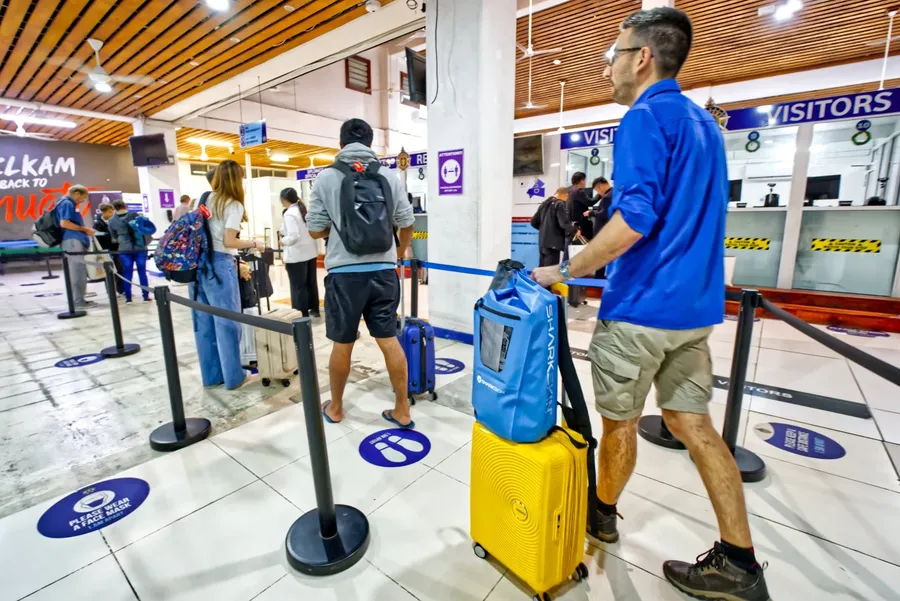
Once you’ve landed in Vanuatu, you won’t be jumping into the Blue Lagoon just yet. First up, you’ll need to pass through Immigration.
Showing Your Passport and Passenger Arrival Card
At Immigration, an officer will ask to see at least your valid passport and will most likely ask for your Passenger Arrival Card too. They may also ask questions about the answers you have given on your Arrival Card, such as your reason for visiting, how long you intend to stay and where you are staying in Vanuatu.
You’ll also need to make sure your face can be clearly seen by the Immigration official, as a photo of your face will be taken as part of the arrival process.
Once everything is checked, you’ll continue on to the Baggage Claim area.
For Cruise and Sailing Yacht Visitors
For cruise passengers, most of the Immigration side of things is usually handled by the cruise company, so the process is different from arriving by international flight.
For yachties, the arrival and clearance process is more involved, so check out The Sailing Guide to Vanuatu for the full step-by-step process.
Passing Through Customs and Biosecurity in Vanuatu
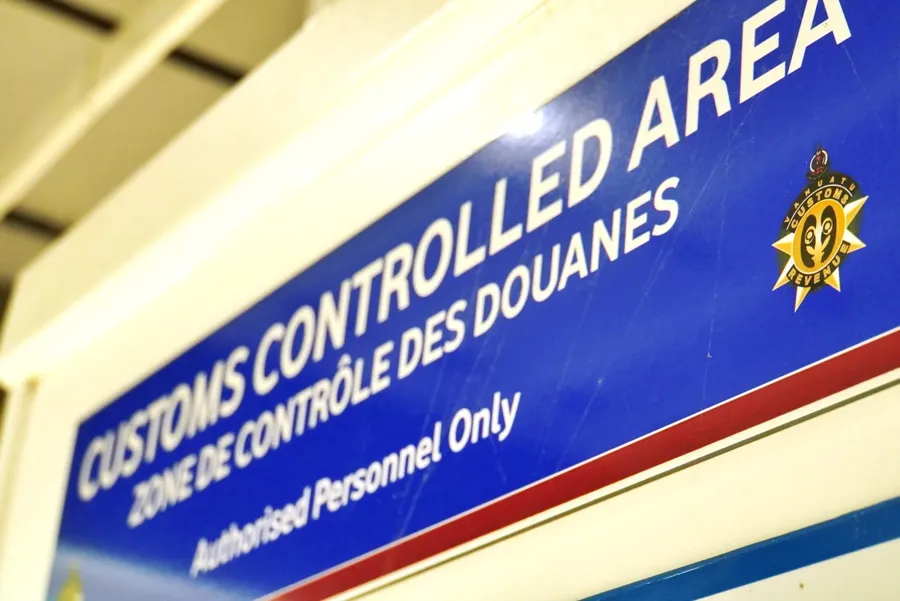
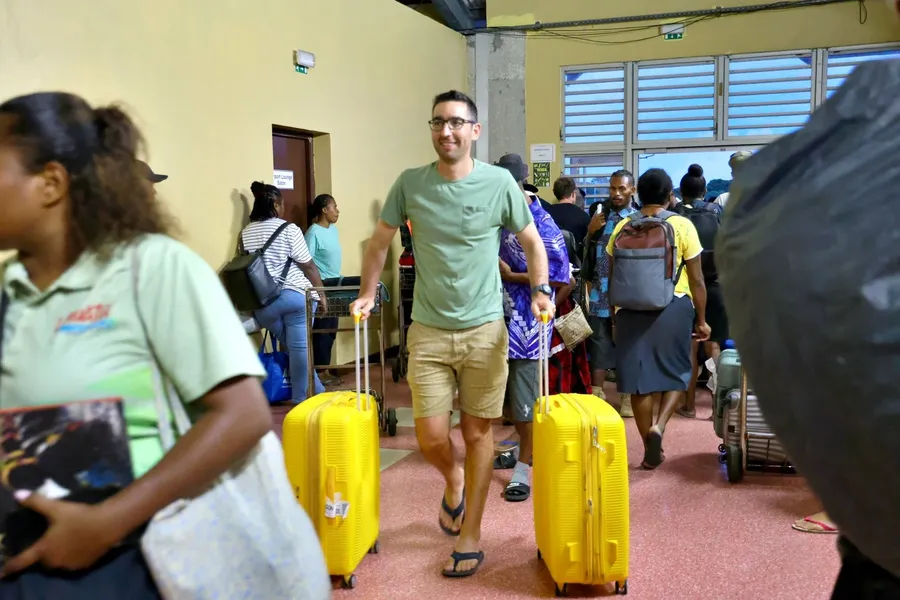
Once you have picked up your bags from Baggage Claim, you will finally go through the Customs and Biosecurity process.
Declaring Risk Goods
This is your last chance to declare a “risk good” that you might have in your possession or packed in your baggage. Declarable items include:
- Goods that may be prohibited or restricted, such as medicines, illicit drugs, drug paraphernalia, firearms, weapons, pornographic materials or obscene items
- Alcohol or tobacco above the duty-free allowance for Vanuatu
- More than 100 ml of perfume or 250 ml of toilet water
- New or used goods, including gifts and duty-free purchases, worth more than 50,000 VT
- Goods for business or commercial purposes
- Goods carried on behalf of other people
- Cash or negotiable bearer instruments with a combined value of more than 1 million VT
- Food of any kind
- Animals, animal products, fish or seafood products
- Plants, fruit, seeds, spices, vegetables, flowers, raw nuts, straw, bamboo, wooden articles, artefacts, cuttings and other plant products
- Farm machinery, camping equipment and equipment used with animals, plants or insects
- Soil or articles with soil attached
- Used materials, such as second-hand tools, used tools and other used equipment
- Whether you have visited a farm, abattoir, meat-packing plant or been in contact with farm animals outside Vanuatu in the last 30 days.
Note that not all “declarable items” are prohibited, but you still need to declare them so that a Customs or Biosecurity Officer can check the item.
Customs in Vanuatu can be a little more particular than what we’ve experienced in some other Pacific island nations. They may look more closely at high-value goods and, if you are travelling with a drone, for example, may ask for the serial number or to see the drone itself before letting you pass through. So, if you declare anything, have it somewhere easy to access rather than buried under three weeks’ worth of island shirts.
A Customs or Biosecurity Officer will ask you questions based on the answers given on your Passenger Arrival Card. There are X-ray machines at the airport, and your bag may or may not go through one depending on your conversation with the officers. Luggage may also be X-rayed or inspected as you pass through Customs.
Nothing to be scared of, though. Just be honest, declare what you need to declare and make anything that might need checking easy to take out of your bag.
Editor's Choice
Valeva Cave Post
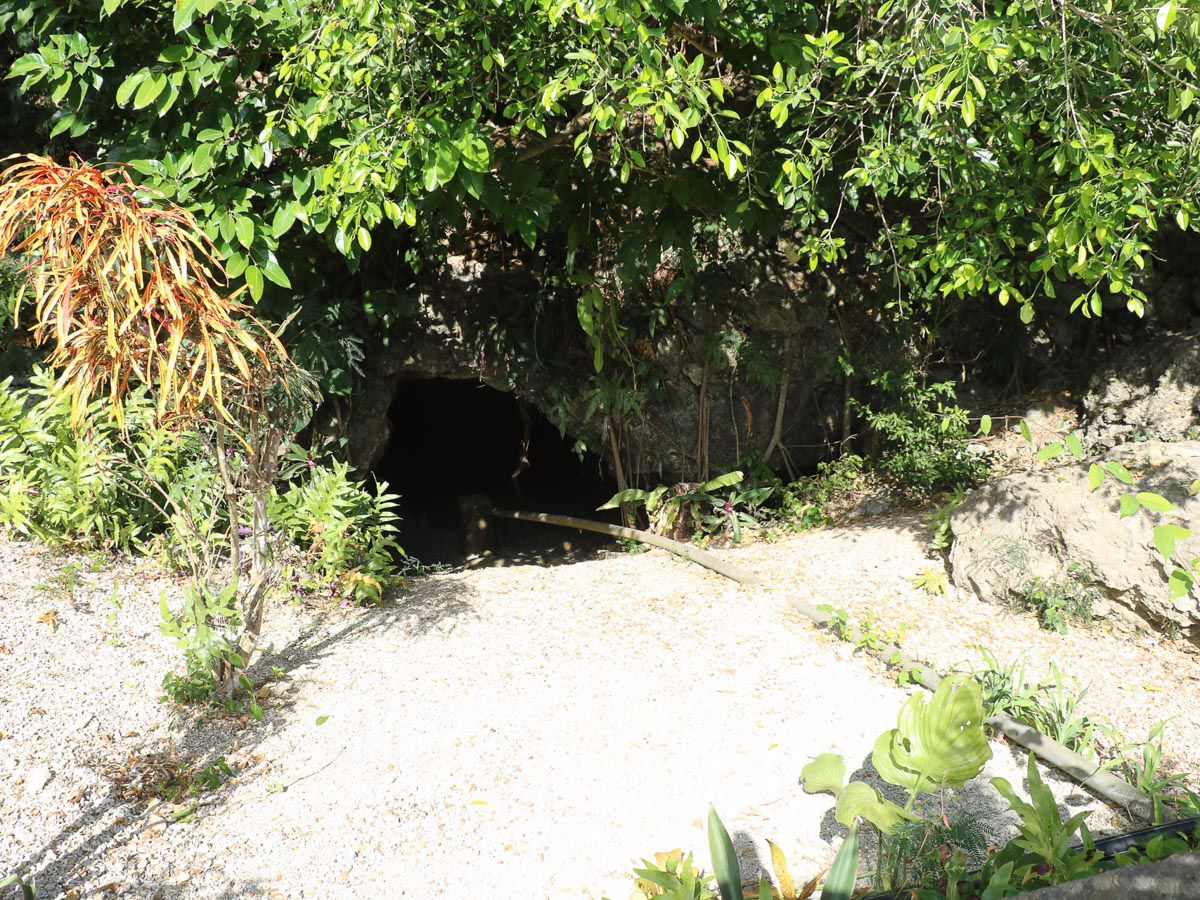
Tucked along the shores of Siviri on Efate, Valeva Cave is one of those stops that genuinely surprises you. Home to the second cave post in the world and the first in the South Pacific, this...
What Happens if Risk Goods Are Found in Your Baggage
If completing your Passenger Arrival Card made you realise that you packed something that might not pass Biosecurity, don’t panic. You can declare the item and ask a Biosecurity Officer for assistance on arrival, or dispose of it in the amnesty bin provided.
If you declare an item and it is not restricted or prohibited, you’ll usually be allowed to continue without further action. If it poses a biosecurity risk, it may need to be inspected, detained for assessment, treated, stored or, in the case of prohibited goods, confiscated and destroyed.
What Happens to Undeclared Risk Items?
When passing through Biosecurity, if any restricted, prohibited or declarable items are found in your luggage or in your possession and you have not declared them on your Passenger Arrival Card, you may face penalties. The Passenger Arrival Card is a legal document, and false or incorrect declarations can lead to fines and further action.
What if You Declare an Item and it is Prohibited or Restricted?
If you have declared an item that is deemed unsafe to enter the country, the item may be confiscated, destroyed, treated or detained for further assessment. For goods that duty needs to be paid on, you’ll need to pay the duty and complete the relevant Customs process.
The golden rule is simple: declare first, explain second, relax after.
Naniu Pele Island Tours & Transfers
from AU$65/night
After Customs and Biosecurity
This is it! You have officially entered Vanuatu! After completing Customs and Biosecurity, you’ll step into the small arrivals area of Bauerfield International Airport in Port Vila. And we do mean small, which is actually great when you’ve just spent several hours folded into an aeroplane seat.
Santo-Pekoa International Airport is even smaller, so don’t expect a maze of terminals, travelators and shopping malls there either. The arrival process is usually straightforward once you’re through the border formalities.
Port Vila Airport Facilities
The next steps to get you started on your Vanuatu holiday are all close by. As you come out of Customs and Biosecurity at Port Vila Airport, you’ll find car rental company offices and currency exchanges to your right.
Phone network desks are ahead of you, which is handy if you want to get connected before leaving the airport. Learn more in The Best SIM Cards in Vanuatu for Travellers.
Tour and transfer company booths are also to the right, although these are typically only open when they have bookings. If you keep heading straight, you’ll find the information desk.
There are ATMs outside of the arrivals area, as well as taxis waiting outside. If you booked a rental vehicle in advance, car rental companies may also be waiting for you outside the arrivals area. Learn more about booking wheels in What You Need to Hire a Car in Vanuatu.
As for Santo-Pekoa Airport, a representative from booked car rentals and airport transfers simply waits to greet you outside of the arrival area.
Information on all of these facilities and services can be found in our guide, Vanuatu Arrival Airport: Which Airport to Fly into Vanuatu.
Domestic Flight Connections
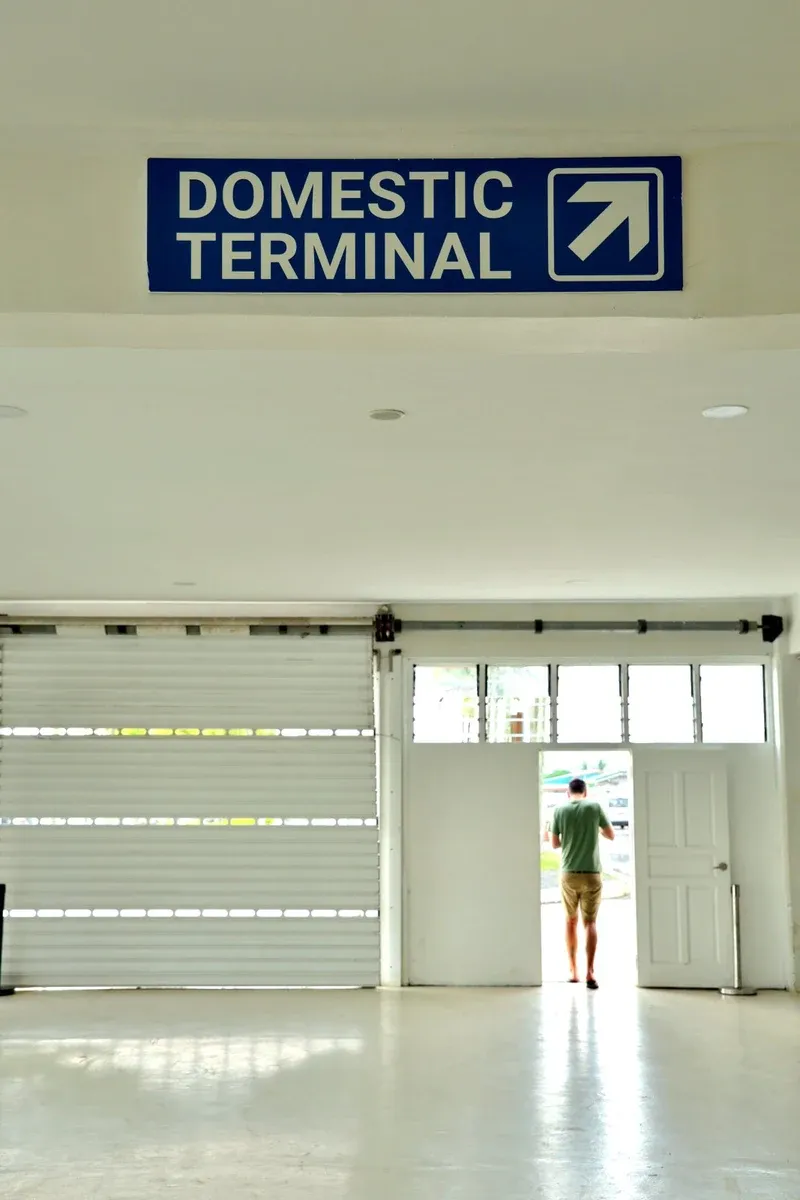
If you’re connecting to a domestic flight, the domestic terminal is at the far end of the terminal area at Port Vila Airport. Follow the domestic terminal signs and continue into the next building.
On the way, you’ll pass cafés and souvenir shops, so it’s not a bad place to pause if you have time between flights. For more on island-hopping by air, check out Domestic Flights in Vanuatu: Your Guide to Interisland Flights.
Airport Transfers
Finally, taxis and booked airport transfers wait outside the arrivals area, so you don’t have far to go once you’re ready to leave the airport. If you’ve arranged a transfer through your accommodation or tour company, look out for your name or the company booth after arrivals.
Now, transition into “island time” and enjoy your holiday! Need stuff to do? Check out 101 Best Things to Do in Vanuatu: The Ultimate List.
More About Vanuatu Airport Customs, Biosecurity and the Arrival Process
That's it for our complete guide to the Vanuatu airport arrival process, along with what you need to do to pass through customs and quarantine. For more on the subject, check out our other arrivals guides:
- The Duty-Free Allowances for Vanuatu
- Which Airlines Fly Directly to Vanuatu?
- Vanuatu Transport Guide: 10 Best Ways to Get Around
Finally, don't miss a thing about planning a trip to Vanuatu by checking out The Complete Travel Guide to Vanuatu.

%20CREDIT%20VanuatuPocketGuide.com-900x601.webp?v=2026-06-11T01%3A28%3A52.090Z)
-CUNL%20CREDIT%20VanuatuPocketGuide.com-900x600.webp?v=2026-03-08T01%3A22%3A10.914Z)