
A Complete Guide to Drones in Port Vila Vanuatu
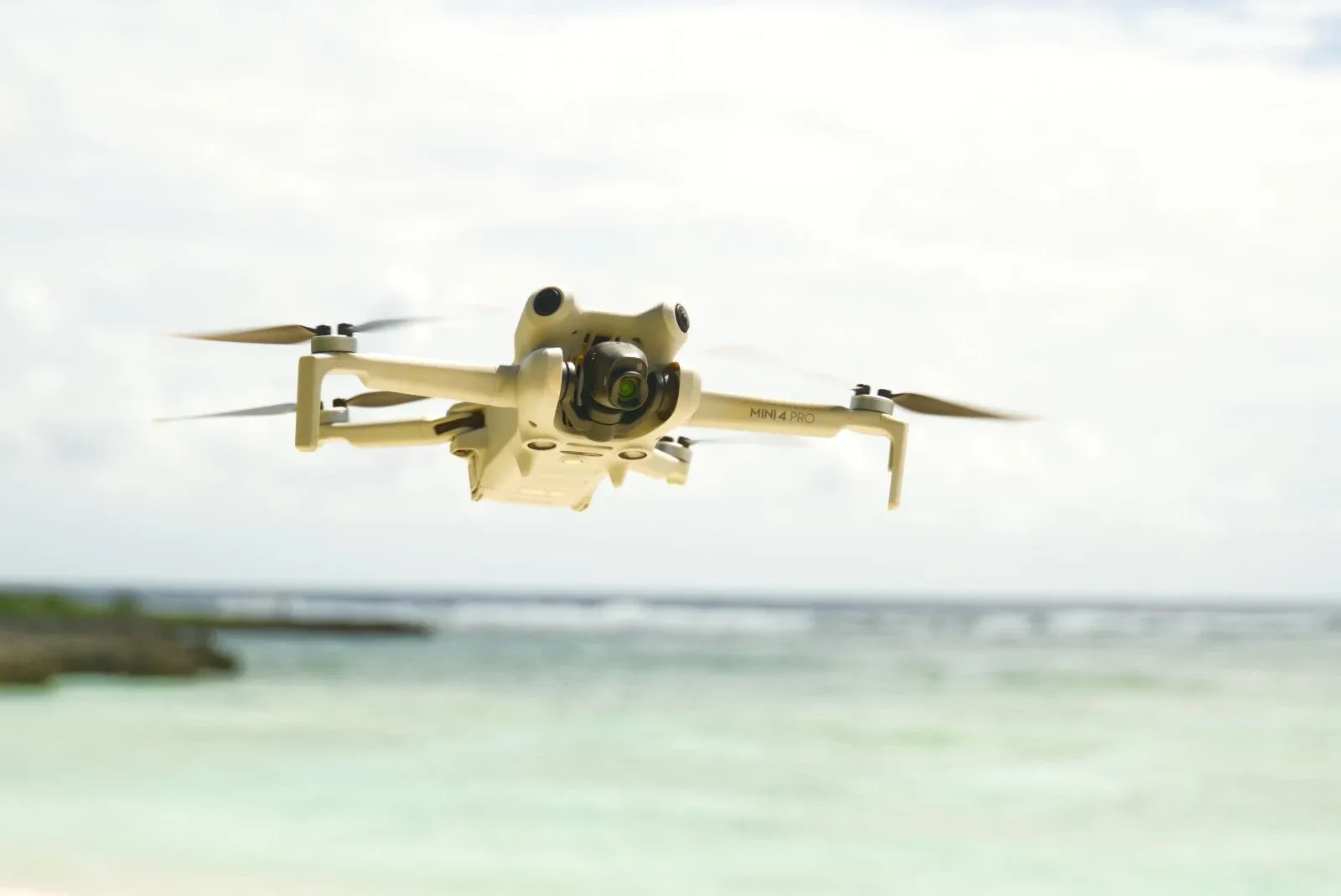
Thinking of capturing Vanuatu's breathtaking landscapes from above? Needless to say, the aerial perspective a drone can provide of this Pacific paradise is unmatched.
However, before you pack your drone for the trip, there are some essential requirements you need to sort out first. According to our very own travel manager, Robin, who's gone through the entire drone registration process, failing to register your drone beforehand will result in customs confiscating it upon arrival. Definitely not the start to your holiday you're hoping for!
The registration process requires detailed flight plans, and if you're planning to film cultural activities or ceremonies, you'll also need to obtain specific filming permits. If flying a drone in Vanuatu is really important to you, it may be worth the hassle.
Otherwise, experiencing Vanuatu through your own eyes is also pretty magical. But if you're determined to take your drone to Vanuatu, this guide will tell you everything you need to know.
This article is based on real on-the-ground research, not on AI scraping old content from the internet. Learn how we use AI!
Table of Contents
Can You Bring Your Drone to Vanuatu?
Yes, you can bring your drone to Vanuatu. However, registration with the Civil Aviation Authority of Vanuatu (CAAV) is mandatory for all drones. You'll need to submit your drone details, identification and intended use before arrival.
If you don't complete this registration beforehand, customs will confiscate your drone at the border and you won't be able to bring it into the country. Trust us, they take this pretty seriously, even checking the drone serial number with the paperwork before allowing it through the border.
Learn more about what to declare in Arriving in Vanuatu: Airport Customs, Biosecurity & Arrival Process.
How to Pack Your Drone for Vanuatu
Note that you may want to pack your drone in your carry-on luggage, rather than checking it in, as airlines are usually only liable for up to a certain amount of goods per person; i.e. less than what a drone usually costs. Furthermore, lithium-ion batteries are not permitted in checked luggage, as they are classified as “dangerous goods”.
You should, therefore, at least pack your drone batteries in your carry-on. For more packing tips, head to What to Pack for Vanuatu: Vanuatu Packing List.
Do You Need a Permit to Fly Your Drone in Vanuatu?
Yes, you do need a permit to fly your drone in Vanuatu. All drones and flying cameras flown in Vanuatu by any visitor or resident, whether amateur or professional, must be registered with the CAAV. They're the governing authority that regulates any remotely controlled flying device. More importantly, they take it seriously.
Upon review of your application, CAAV will issue a valid permit to fly prior to use.
What You’ll Need for Drone Registration in Vanuatu
The registration process is a bit more official than just ticking a few boxes online. You’ll need to gather and submit the following:
- A copy of your current ID (your passport works just fine)
- Your drone’s serial number and details
- A formal request letter explaining what you'll use the drone for
- A detailed flight plan (more on that below)
The whole package should be emailed to info@caav.vu, and make sure you plan ahead; CAAV processing times are known to take a few weeks. According to our very own travel manager, Robin, it’s best to get started as soon as your travel dates are locked in.
How Much Does Drone Registration Cost in Vanuatu?
Don't forget the fees; it’s 5,500 VT per person and another 5,500 VT per drone. So yes, if you're travelling with two drones, expect to fork out 16,500 VT.
What Goes in the Flight Plan?
Your flight plan is more than just "I want to fly my drone on the beach at sunset." CAAV expects a proper rundown, including:
- The exact location you’ll be flying (a Google Maps link is ideal)
- GPS coordinates
- Date and time of flight
- Maximum height and radius of operation
- Your RPAS licence (if you have one)
- A copy of the drone operator’s ID
You don't need to be a cartographer, but your plan should be clear and well-structured. Think of it as convincing your drone’s future babysitter (aka CAAV) that you're a responsible flyer.
Where to Send It All
When you're ready, send your complete application via email. If you have already arrived in Vanuatu, you can also go to the CAAV office in person.
Civil Aviation Authority of Vanuatu (CAAV) Contact Details
Stade, Teouma Street
PMB 9068, Port Vila
Vanuatu
Phone: +(678) 22819
Email: info@caav.vu
What Happens if You Don't Have a Drone Permit in Vanuatu?
If you don't have a drone permit on arrival, your drone will be confiscated at customs and you can only retrieve it once your permit is approved.
You can sort this out on the ground in Vanuatu at the CAAV office, but note that office hours are Monday to Friday only 8 am to 12 pm and then 1 pm to 5 pm.
Customs operates the same hours, which means if you arrive on a weekend, you'll be waiting until Monday to even start the process. In short, it's far better to get everything sorted before you travel!
%20CREDIT%20VanuatuPocketGuide.com.webp?v=2026-03-07T23%3A07%3A18.129Z)
Other Permits and Requirements for Flying a Drone in Vanuatu
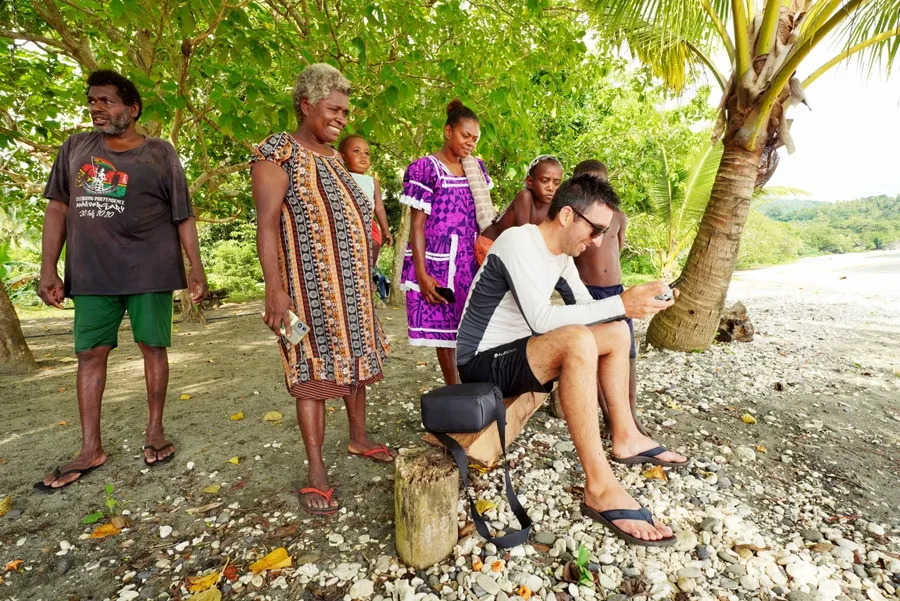
If you're planning to capture cultural scenes or footage featuring local people during your drone flights in Vanuatu, you'll need additional permits beyond standard drone registration. The Vanuatu Cultural Centre (VCC) oversees all foreign media production in the country, including drone footage that involves cultural subjects.
When You Need a Filming Permit
Any drone footage that captures cultural subjects requires approval from the Vanuatu National Cultural Council.
How to Apply for a Filming Permit
The application process involves several steps that should be completed before your trip:
- Create an Account
Register for a free account at vfad.media to begin the application process. - Submit Your Application
Complete the media production permit application with detailed information about your planned drone filming. The application fee is US$179 and must be paid via PayPal when submitting. - Await Approval
Once approved, you'll receive notification of your permit details, including any additional fees and special conditions for your specific filming activities.
Important Requirements Upon Arrival
Before you can start any cultural filming with your drone, you must visit the Vanuatu Cultural Centre in person to pay your permit fees. No filming can commence until this step is completed.
Archive Bond and Footage Requirements
As part of the permit conditions, you'll need to provide a copy of your finished footage to the National Film and Audio Archive. This requires paying an archive bond of VT$50,000, which is fully refundable.
Vanuatu Flight Operations Guidelines
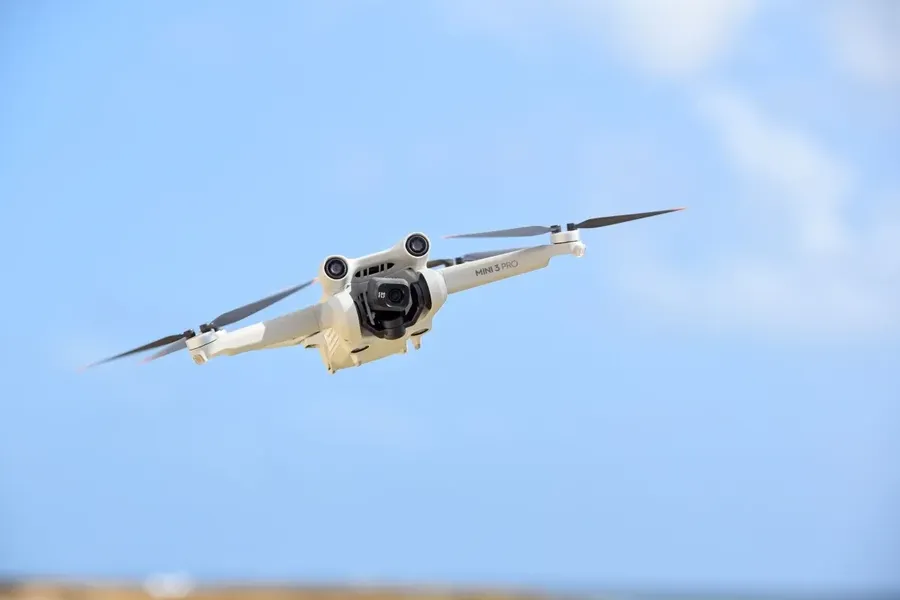
If you're operating a drone in Vanuatu, you're considered a pilot and share responsibility for everyone's safety and security. According to the CAAV, drones aren't toys; they're aircraft that can create hazards to people and property if not flown responsibly.
Your Pre-Flight Checklist
Just like any pilot, you'll need to complete a thorough pre-flight check before taking off.
- Check Your Tech - Make sure your battery is fully charged and your controls are secure and undamaged. Ensure your software is up to date.
- Scan the Area - Your flying area must be completely clear of hazards and people. Keep well clear of powerlines, trees and any loose items that might cause problems (even something as simple as towels can be troublesome). If you plan to fly near people or private property, get permission first or stay well away.
- Maintain Visual Contact - You must always be able to see your drone with your own eyes. Fly no higher than 120 m (400 ft) above ground level and only during daylight hours, avoiding clouds or fog.
- Check for No-Fly Zones - There are many areas where drone flying is prohibited, particularly zones around airports. Know where you're allowed to fly and where you need to ask for clearance first.
- Be Ready to Land Immediately - If you spot another aircraft or emergency vehicles in action, land your drone immediately.
Essential Flight Rules in Vanuatu
Here are the key regulations you must follow to fly safely and legally:
- Visual Line of Sight: You must be able to see your aircraft with your own eyes (not through binoculars, monitors or smartphones) or have a second person with you as an observer.
- Daylight Only: Fly only during daylight hours.
- Height Restrictions: Keep your aircraft no higher than 120 m (400 ft) above ground level.
- People and Property: Avoid flying over people without their consent, and always get permission from landowners before flying over private property.
- Airspace Awareness: Stay clear of controlled airspace, which normally extends upwards from controlled aerodromes to the ground. Fly no closer than 4 km (2.5 mi) from any aerodrome.
- Right of Way: Always give way to manned aircraft.
- Special Areas: Get permission from administering authorities before flying in special use airspace, such as the Port Vila Harbour area.
- Weight Restrictions: If your aircraft weighs more than 15 kg (33 lbs), you'll need CAAV inspection. Aircraft over 25 kg (55 lbs) require additional approvals.
Required Documentation
You must be able to provide these documents if requested:
- Third-party insurance (minimum 1,000,000 VT for aircraft 25 kg/55 lbs and under)
- Any flight approvals you have
- Aircraft approvals
- Photo identification
The CAAV recommends wearing fluorescent pilot and observer vests whilst flying for added visibility and safety.
Editor's Choice
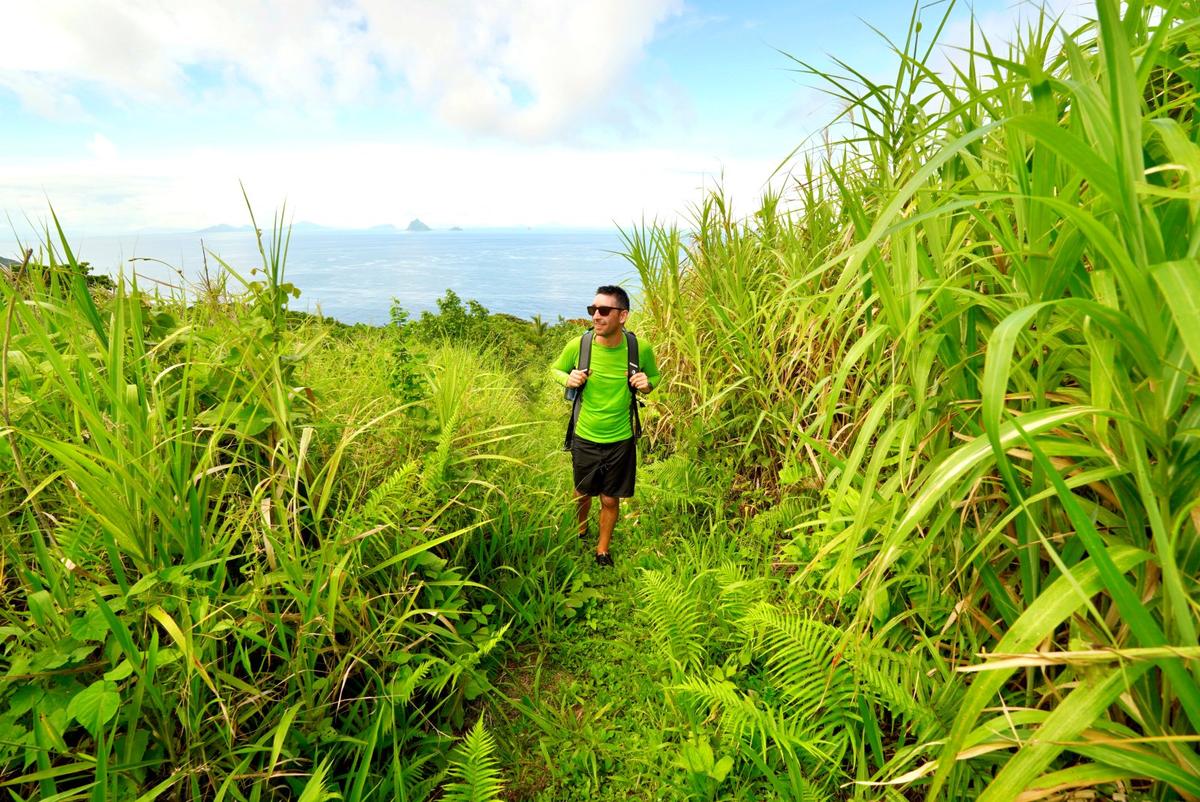
Mount Marou Adventure Tours
Head to Nguna Island and take on Mount Marou with a local guide from the community-based team at Mount Marou Adventure Tours. This guided hike brings you to the summit where sweeping views stretch...
More About Drones in Vanuatu
That's it for our complete guide to flying drones in Port Vila and Vanuatu. For more about drones and specifically ground photography, however, take a look at the following guides:
- Airports in Vanuatu: Where Can You Fly to in Vanuatu?
- What to Pack for Vanuatu: Vanuatu Packing List
- Sightseeing in Vanuatu: Top 10 Sights in Vanuatu
Finally, for more tips on bossing it in Vanuatu, see the 30 Tips for Travelling in Vanuatu.

%20CREDIT%20VanuatuPocketGuide.com-900x601.webp?v=2026-06-11T01%3A28%3A52.090Z)
-CUNL%20CREDIT%20VanuatuPocketGuide.com-900x600.webp?v=2026-03-08T01%3A22%3A10.914Z)