

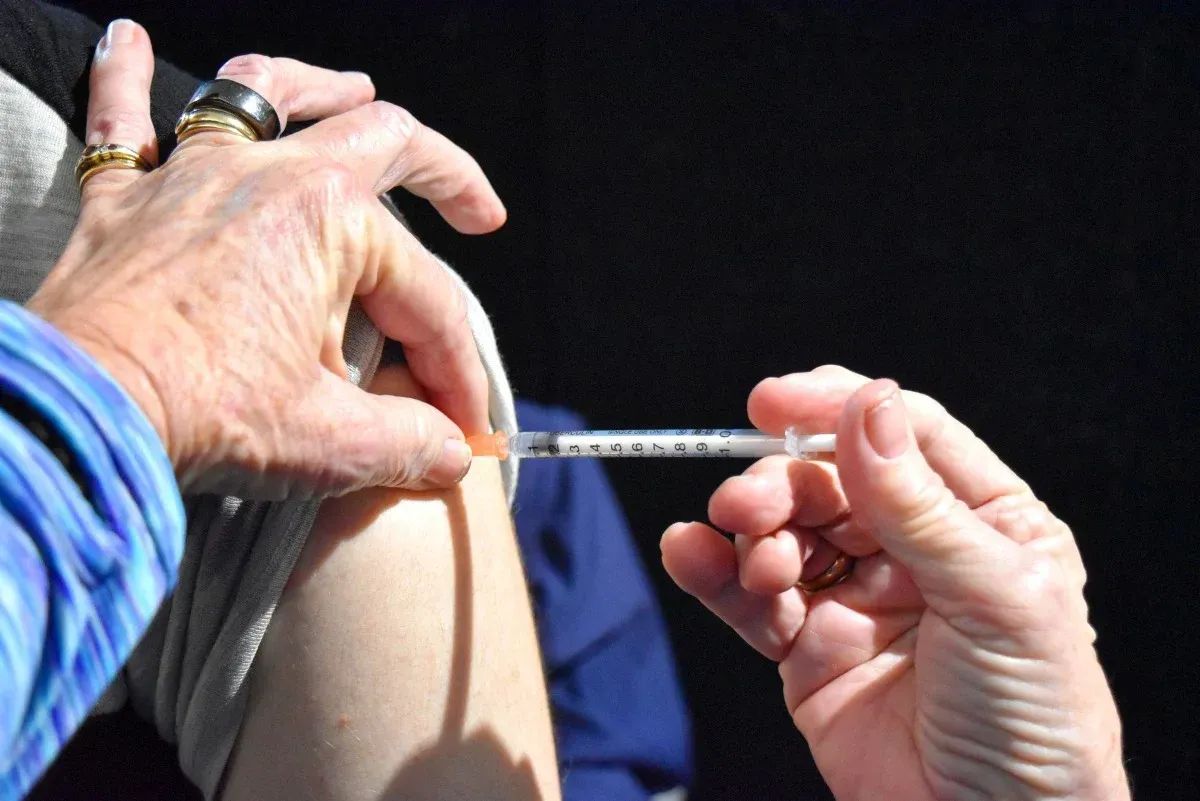
Travel Vaccination Advice for Vanuatu
Let’s get straight to it: there’s currently no need for a vaccination certificate to enter Vanuatu, regardless of your country of origin. The islands do not have any mandatory vaccination requirements for visitors.
That said, it’s still wise to be up to date with routine and recommended vaccines before travelling. Health authorities, including the CDC and WHO, suggest vaccinations such as Hepatitis A and B, typhoid, polio, and standard immunisations like MMR (measles, mumps, rubella) and tetanus for all international travel, including to Vanuatu.
In the rest of this guide, we cover what’s recommended and why, so you can enjoy your trip safely and stay healthy while exploring the islands.
This article is based on real on-the-ground research, not on AI scraping old content from the internet. Learn how we use AI!
Table of Contents
What Vaccinations Do You Need to Enter Vanuatu?
Currently, there are no mandatory vaccinations required to enter Vanuatu.
While not required, a few vaccines are recommended to ensure a safe and healthy trip. In the guide below, we break down all the suggested vaccinations for visiting Vanuatu so you can travel with peace of mind.

Do You Need a COVID-19 Vaccination to Enter Vanuatu?
As of late 2022, travellers to Vanuatu no longer need to show proof of COVID-19 vaccination, recovery or a negative test result. However, completing online travel registration before arrival is still required.
In the event of any policy change, we will update this page as well as our full guide on What Documents Do I Need to Travel to Vanuatu?
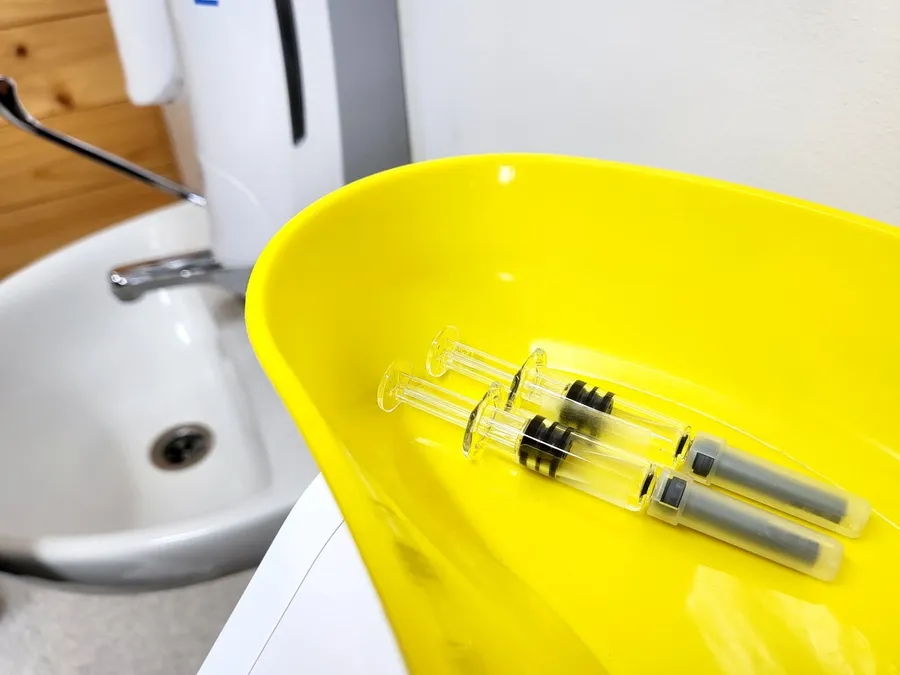
Recommended Vaccinations for Vanuatu
Although the risk of contracting an infectious disease while visiting Vanuatu is low, some illnesses have been reported in rare cases among travellers. Mosquito-borne diseases such as dengue fever, chikungunya and malaria are possible, but no vaccines are currently available for prevention.
It’s still wise to ensure that your routine vaccinations are up to date, including boosters for adults, and to consider recommended travel vaccines for Vanuatu to stay protected. Schedule a visit to your travel clinic or GP 4-6 weeks before departure to get tailored advice.
When receiving vaccines for yourself or your children, keep a record. Many clinics provide a “Travel Vaccination Passport” for convenience and proof.
Very importantly, ensure you have eaten before you get a vaccination.
Travel Vaccinations for Vanuata
Hepatitis A Vaccine
Hepatitis A spreads through food and water. While most people recover completely from hepatitis A, the vaccine is close to 100% protective.
Hepatitis B Vaccine
Hepatitis B spreads through blood and body fluids and is much more serious than hepatitis A. While treatment is complex, the prevention vaccine is highly effective.
Typhoid Vaccine
Typhoid is a disease spread through food and water, where there have been minor typhoid outbreaks in Vanuatu in recent history. The typhoid vaccine typically lasts two years.
COVID-19 Vaccine
Although most of the population in Vanuatu is vaccinated against COVID-19, it can still be prevalent in travellers to and from the country. It's best to be vaccinated to prevent/decrease symptoms.
Routine Vaccinations
Measles Mumps Rubella (MMR) Vaccine
The MMR vaccine is given to children as routine in many countries. The vaccine is recommended for anyone unvaccinated, as Vanuatu has experienced a measles epidemic in recent history. An adult booster is also recommended.
Tetanus, Diphtheria and Pertussis (TDAP) Vaccine
These airborne diseases are also spread through wounds. While this is a routine vaccination in children in many countries, an adult booster is recommended, particularly for pertussis.
Polio Vaccine
Polio spreads through food and water. The polio vaccine is considered routine for children in many countries. A single adult booster vaccine is recommended.
Meningitis Vaccine
Meningococcal disease, which causes meningitis, is an airborne disease that has been an issue in local communities in Vanuatu in recent years. The vaccine is recommended for anyone unvaccinated or at an increased risk.
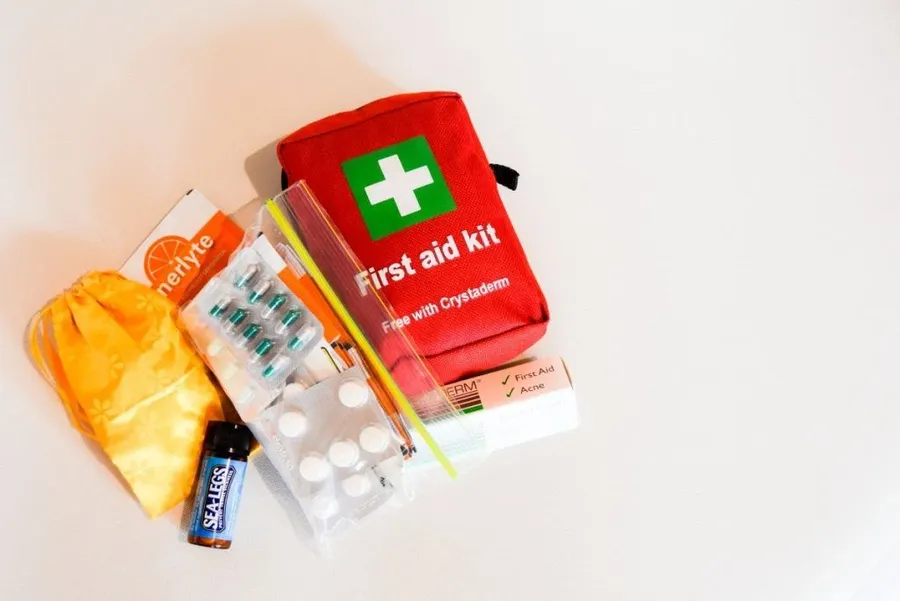

Health Issues to Be Aware of in Vanuatu
While Vanuatu is generally safe for travellers, there are a few health issues that are slightly more common among visitors. Take a look at the list below to know what to watch out for during your trip. For more information on symptoms, see Vanuatu Safety Tips: Is it Safe to Travel to Vanuatu?
Dengue Fever
Dengue fever is a mosquito-transmitted disease that has regular outbreaks in Vanuatu. While there is no vaccine for dengue fever, the best way to prevent it is to avoid being bitten by day-biting mosquitoes. See the 10 Best Insect Repellents for Vanuatu + How to Treat & Avoid Bites.
Malaria
Malaria is a mosquito-borne disease spread by night-biting Anopheles mosquitoes that carry the malaria parasite. Symptoms usually appear between 10 and 15 days after being bitten by an infected mosquito and can start with fever, chills and flu-like illness. The best prevention is to avoid mosquito bites, especially at night. Prescription medication to prevent malaria is advised by the CDC for those visiting areas in Vanuatu with malaria cases, especially the northern provinces, like Sanma (Santo) and Torba (Torres and Banks Islands).
Chikungunya
Another mosquito-transmitted disease, chikungunya, has also had outbreaks in Vanuatu. There is no vaccine for chikungunya, but the best way to prevent it is to avoid mosquito bites. Again, see the 10 Best Insect Repellents for Vanuatu + How to Treat & Avoid Bites for prevention methods.
Zika Virus
Zika virus is a mosquito-transmitted disease that, although producing mild symptoms, can be severe for pregnant or breastfeeding women who can pass on the infection to their child with a risk of serious brain anomalies and microcephaly. Again, see the 10 Best Insect Repellents for Vanuatu + How to Treat & Avoid Bites for prevention methods.
Heatstroke
Heatstroke is caused by long periods of sun exposure. It can be prevented by applying high-factor sunscreen every three hours, covering up exposed skin, staying in the shade at midday, and drinking plenty of water. Check out our recommended sunscreens and sun protection advice in The Best Sunscreens for Vanuatu + Sun Protection Tips.
E. coli (Traveller’s Diarrhoea)
E. coli is a bacterium resulting from contaminated food and water. Precautions to take include boiling water for at least 10 minutes if the water is not from a safe source and washing hands regularly. See more tips for making sure you have access to safe drinking water in our guide, Is the Water Safe to Drink in Vanuatu?
Ciguatera
Ciguatera is fish poisoning caused by eating reef fish that have eaten particular types of seaweed. The best way to prevent it is to avoid eating reef fish; most restaurants and accommodations serve bluewater fish, which are not susceptible to carrying the disease.
Get more tips for staying safe and healthy using our Vanuatu Safety Tips.

Editor's Choice
Sulfur Bay Hot Springs & Cultural Tour
At the base of Mt Yasur, Sulfur Bay's natural hot springs offer one of Tanna's most unique and hands-on experiences. Walk with local guide Isaac from the cool coastal shallows up to the steaming...
More About Vaccines to Travel to Vanuatu + More Health Tips
That's it for our guide on vaccines required to travel to Vanuatu. For more health advice, check out the following guides:
- What Medication to Pack in Your First Aid Kit for Vanuatu
- Vanuatu Safety Tips: Is it Safe to Travel to Vanuatu?
- Cyclone Safety in Vanuatu: How to Prepare for a Cyclone in Vanuatu
Finally, for more essential advice for Vanuatu, check out the 30 Tips for Travelling in Vanuatu.

%20CREDIT%20VanuatuPocketGuide.com-900x601.webp?v=2026-06-11T01%3A28%3A52.090Z)
-CUNL%20CREDIT%20VanuatuPocketGuide.com-900x600.webp?v=2026-03-08T01%3A22%3A10.914Z)