

What are the Religions in Vanuatu?
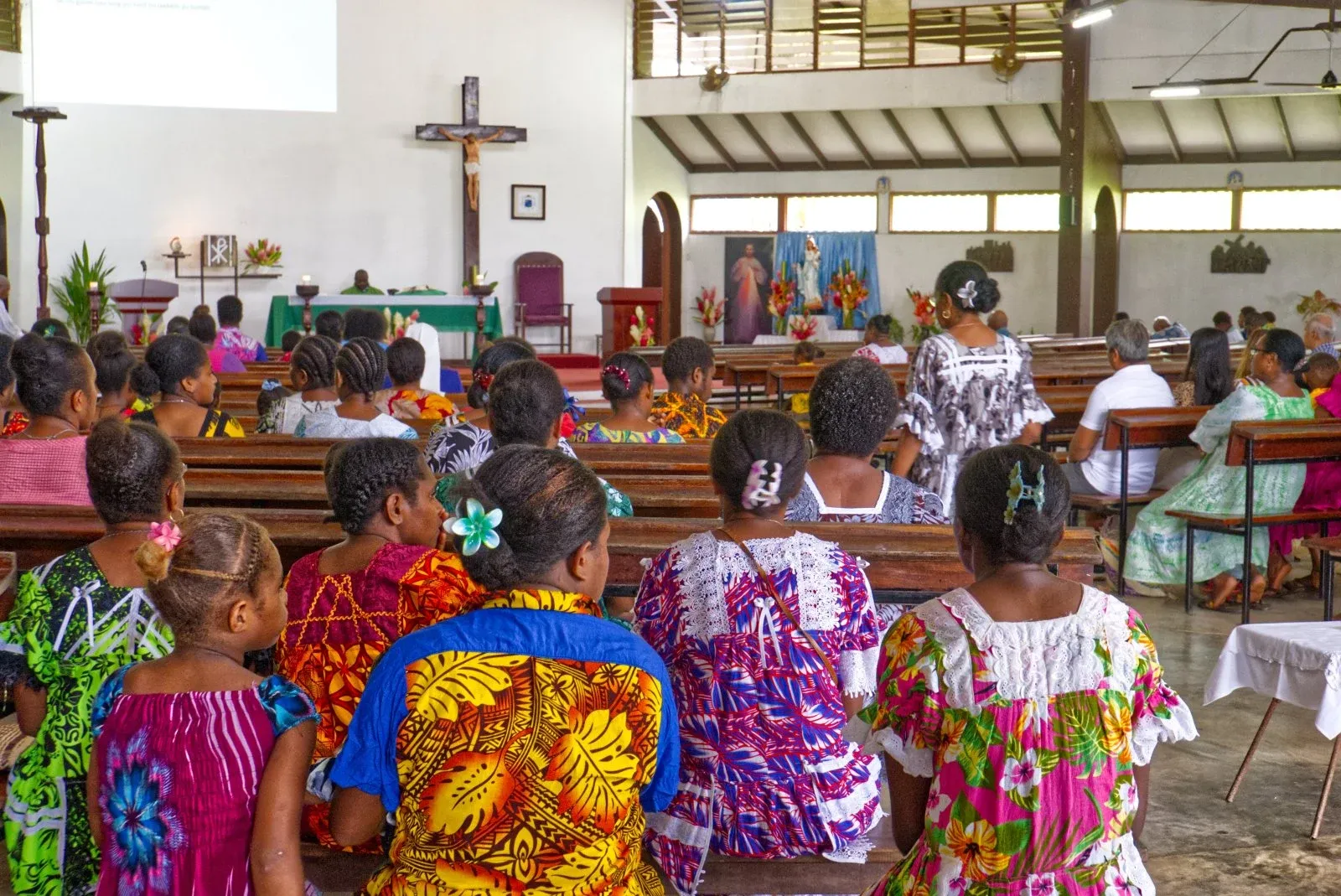
Vanuatu is a religious community with Christianity at its core. Christianity was introduced to the islands in the 19th century and has remained a powerful influence ever since. It shapes many aspects of daily life, from observing Sunday as a day of worship and rest to the church’s important role in community gatherings, social support and local leadership.
As a visitor, attending a church service or experiencing local religious festivals offers a meaningful way to connect with Ni‑Vanuatu culture and values.
Learn more about religion in Vanuatu in the guide below.
This article is based on real on-the-ground research, not on AI scraping old content from the internet. Learn how we use AI!
Table of Contents
A (Quick) History of the Religions in Vanuatu
Christianity was introduced to Vanuatu in the 19th century through the efforts of missionaries, primarily Presbyterians, Anglicans, Methodists and Roman Catholics. These early missions laid the foundation for the widespread adoption of Christianity across the islands.
One of the earliest recorded missionaries in the region was John Williams of the London Missionary Society, who sailed through parts of what is now Vanuatu in the 1830s while expanding missionary work across the South Pacific. However, the first sustained missionary efforts in the New Hebrides, as Vanuatu was then known, began in the 1840s and 1850s and were often dangerous. In 1839, the missionary John Williams was killed on the island of Erromango shortly after landing.
The Presbyterian Church later became one of the most influential missionary groups in the archipelago. In the mid 19th century, missionaries such as John Geddie, a Canadian Presbyterian, established missions on the island of Aneityum. Geddie arrived in 1848 and is often remembered as one of the first missionaries to achieve lasting success in Vanuatu. When he died in 1872, a plaque was reportedly placed near his grave stating: “When he landed in 1848 there were no Christians here, and when he left in 1872 there were no heathens,” demonstrating how dramatically Christianity had spread on the island during that period.
Anglican missions also played an important role, particularly through the Melanesian Mission, which trained local converts in places such as Norfolk Island before returning them as teachers and clergy. Methodists and Roman Catholics later expanded missionary networks throughout other islands of the group.
Starting in the late 19th and early 20th centuries, other denominations began to arrive, including Seventh-day Adventists, various Pentecostal groups such as the Assemblies of God, the Church of the Nazarene, Jehovah's Witnesses, and The Church of Jesus Christ of Latter-day Saints (LDS).
Over time, Christianity became deeply embedded in Ni‑Vanuatu society, and it remains the dominant religion in Vanuatu today.
Christianity in Vanuatu
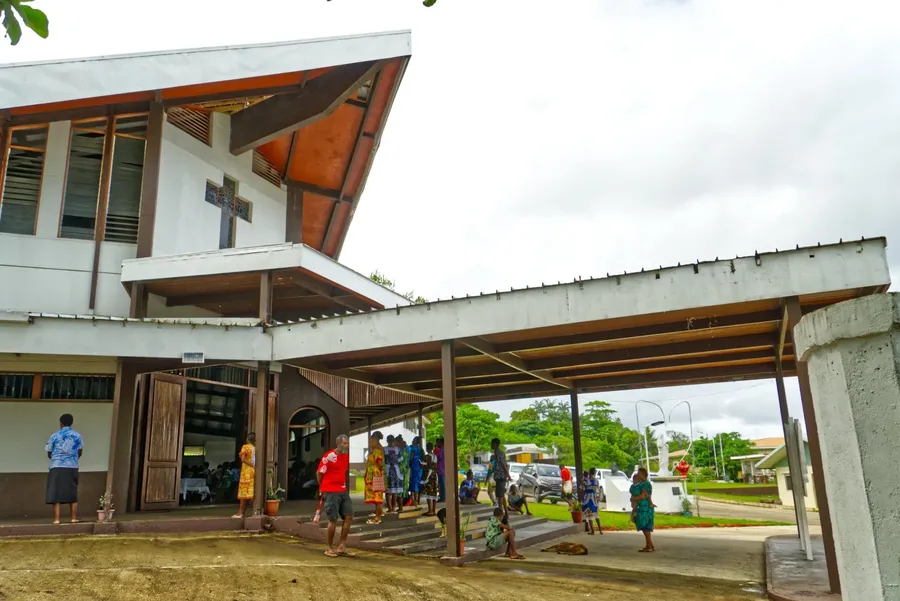
Christianity is the dominant religion in Vanuatu, with nearly the entire population identifying with a Christian denomination. Religion plays a central role in daily life, and Sundays are widely observed as a sacred day of worship and rest.
Where to Experience Christianity in Vanuatu as a Tourist
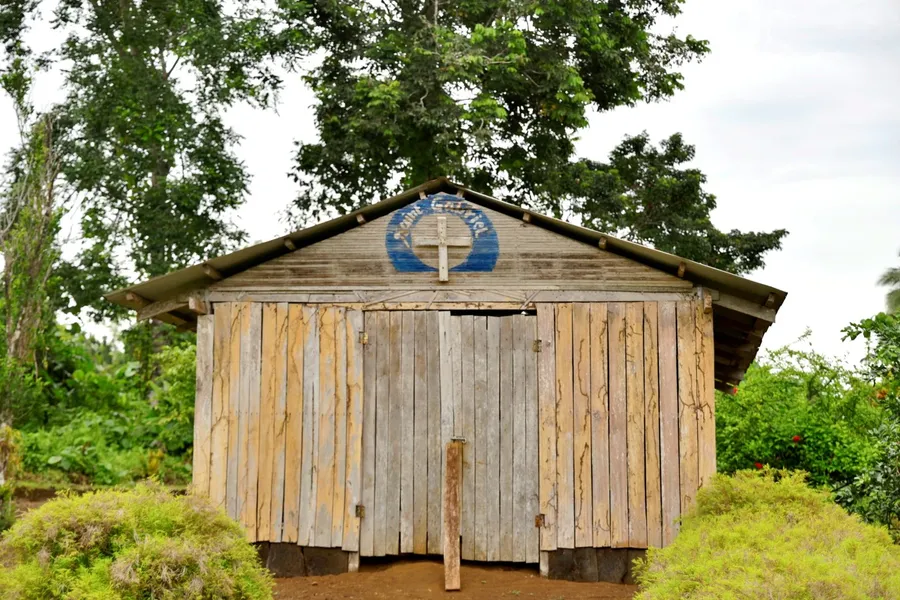
Visitors are welcome to attend Sunday church services, which are held in nearly every village across the islands. Churches often serve as community centres, and attending a service is a great way to experience local culture, from the powerful a cappella hymns to the traditional attire worn by locals.
On Efate, for example, Port Vila has several historic churches, including the Sacred Heart Cathedrale Du Croix (Cathedral of the Sacred Heart), where Sunday mass starts at 8:30 am and evening masses also take place at 6 pm daily.
Note that anyone going to a church in Vanuatu needs to dress respectfully, covering their knees and shoulders. Think your Sunday best!
Many public holidays and celebrations in Vanuatu are linked to Christianity, including Christmas, Easter and Ascension Day, which you can learn more about in our guide to Public Holidays in Vanuatu (& Other Important Dates).
Christian Denominations Represented in Vanuatu
According to the Vanuatu Bureau of Statistics and the Association of Religion Data Archives (ARDA), approximately 81.5% of the population identifies as Christian, broken down into:
- Presbyterians: 27.2% (largest Protestant group, part of the Presbyterian Church of Vanuatu)
- Roman Catholics: 12.1%
- Anglican: 12.1%
- Seventh-day Adventist: 14.8%
- Church of Christ: 4.9%
- Assemblies of God: 4.9%
- Apostolic: 2.3%
- Neil Thomas Ministry / Inner Life Ministry: 3.2%
The Presbyterian Church of Vanuatu, introduced by missionaries from the London Missionary Society in the 19th century, remains highly influential, especially in rural areas, and is closely linked to traditional community structures.
The Catholic Church has multiple dioceses across the islands, including the Diocese of Port Vila and the Diocese of Luganville, overseeing dozens of parishes with local clergy serving urban and rural congregations.
Other Christian groups, such as Anglicans, Seventh-day Adventist, Church of Christ, Assemblies of God, Apostolic, Neil Thomas Ministry also have a growing presence, reflecting the diversity of Christian practice in Vanuatu today.
%20CREDIT%20VanuatuPocketGuide.com-900x601.webp?v=2026-03-07T23%3A07%3A24.707Z)
Other Religions in Vanuatu
The remaining percentage of religions in Vanuatu is composed of smaller affiliations, including followers of other faiths, non-religious individuals, and those practicing customary beliefs.
Other Religion Denominations Represented in Vanuatu
- Customary beliefs: 3% - Some communities continue to practice traditional indigenous customs and spirituality, often alongside Christian practices.
- Minor religions: 13.8% - This includes small communities of Bahá’ís, Buddhists, and other faiths.
- Non-religious / no religion / refused to answer: 1.7% - A small segment of the population identifies as agnostic, atheist, or chose not to state a religion.
While Christianity dominates Vanuatu, these smaller groups reflect the diversity of beliefs across the islands. Customary beliefs remain significant in certain communities, often intertwined with local traditions and cultural practices.
Non-religious individuals represent a very small proportion of the population, and other faiths, including Bahá’ís, Buddhists, or other minor groups, have only a limited presence.
Visitors may encounter these practices mainly in remote or rural areas, where ancestral and local traditions continue to play an important role in daily life.
Frequently Asked Questions About Religion in Vanuatu
Now that you know about the religious landscape in Vanuatu, here are the answers to the internet's frequently asked questions about religion in Vanuatu!
What is the main religion in Vanuatu?
Christianity is the predominant religion in Vanuatu, with approximately 81.5% of the population identifying as Christian. The largest denominations include Presbyterian, Anglican, Catholic and various evangelical churches.
Are there traditional beliefs still practised in Vanuatu?
Yes, traditional kastom beliefs remain influential alongside Christianity. Many ni-Vanuatu combine Christian practices with ancestral worship, traditional ceremonies and beliefs in spirits connected to the land and sea.
What is the John Frum movement in Vanuatu?
The John Frum movement is a cargo cult that began on Tanna island in the 1930s. Followers believe that an American figure named John Frum will return bringing prosperity and cargo (goods). The movement combines traditional beliefs with elements inspired by American military presence during World War Two.
Can tourists visit religious sites in Vanuatu?
Yes, many churches and some traditional sacred sites welcome respectful visitors. However, always ask permission before photographing religious ceremonies or entering sacred areas, and dress modestly when visiting religious sites.
Are there religious festivals in Vanuatu?
Vanuatu celebrates both Christian holidays like Christmas and Easter, as well as traditional festivals that often combine Christian and kastom elements. The most famous is the Nekowiar festival on Tanna, which combines traditional dancing, feasting and spiritual ceremonies.
Is Vanuatu religiously tolerant?
Yes, Vanuatu generally demonstrates religious tolerance. The constitution guarantees freedom of religion, and different Christian denominations, traditional beliefs and even smaller religious minorities coexist peacefully throughout the archipelago.
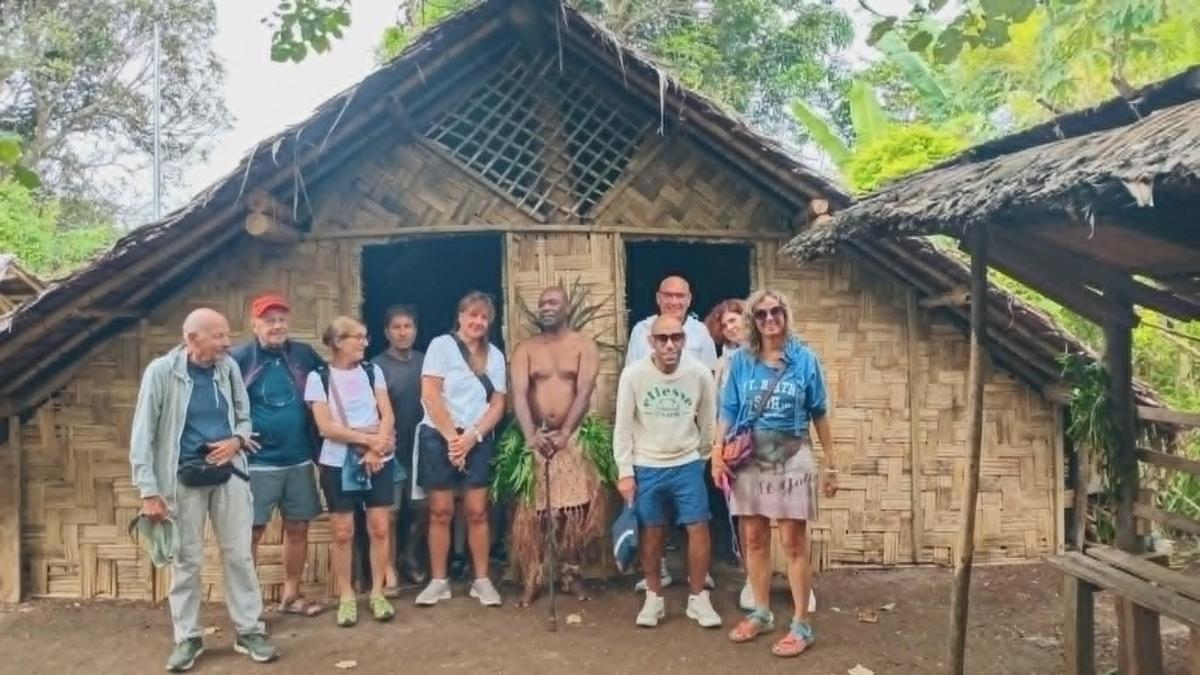
Editor's Choice
Santo Firewalks and Cultural Tours
Experience the heart of Vanuatu's living culture with this immersive half-day experience hosted by Chief Bule. From sand drawings and kava tasting to bamboo cooking, weaving and the electrifying...
More About Religion in Vanuatu
That's it for our guide to the religions in Vanuatu. To learn more about the culture of Vanuatu, check out our other guides:
- A Traveller's Guide to the Vanuatu Culture
- Ni-Vanuatu Etiquette: Vanuatu Customs & Traditions
- 10 Best Cultural Activities in Vanuatu
Finally, get the full picture of planning a trip to Vanuatu using The Complete Travel Guide to Vanuatu.

%20CREDIT%20VanuatuPocketGuide.com-900x601.webp?v=2026-06-11T01%3A28%3A52.090Z)
-CUNL%20CREDIT%20VanuatuPocketGuide.com-900x600.webp?v=2026-03-08T01%3A22%3A10.914Z)