


Is it Safe to Hitchhike in Vanuatu?
Hitchhiking is a fun and popular way to travel through a country. Getting around somewhere for free and meeting interesting locals? Why not?! Vanuatu is one of the rare places in the world where you don't hear horror stories of hitchhiking.
Although Vanuatu is one of the safest places to hitchhike, there is still a small but potentially serious risk. What's more, the only place you're likely to need a ride is in the more remote outer islands, but with such a small population, you could be waiting all day for a ride.
We go over the hitchhiking culture in Vanuatu, as well as a few pros, cons and safety tips in this complete guide to hitchhiking in Vanuatu!
This article is based on real on-the-ground research, not on AI scraping old content from the internet. Learn how we use AI!
Table of Contents
Do People Hitchhike in Vanuatu?
Yes, hitchhiking is relatively common in Vanuatu, but only away from centres with public transport. Locals are generally happy to pick up hitchhikers in their pick-up trucks/utes (so you're likely to be sitting out in the fresh air at the back).
On the other hand, traffic can be pretty light outside the main areas, so you might find yourself waiting longer than you'd expect.
In Port Vila and around Efate, as well as Luganville, Lenakel and Lakatoro, there's an interesting twist. Since many vehicle owners make their living by transporting people and goods, any intentions to hitchhike often turn into catching public transport, meaning you'll likely need to pay for your ride. Check out Taking the Bus in Vanuatu: Bus Fares, Routes & More and Taxis & Trucks in Vanuatu: Taxi Fares, How to Use & More to learn more about how public transport works.
Another thing to keep in mind is that covering longer distances can take considerably more time than you might initially plan for, due to the poor road conditions and the fact that you may need to catch multiple rides. Our advice? Build in extra time for your journeys and enjoy the unexpected conversations you'll have along the way.
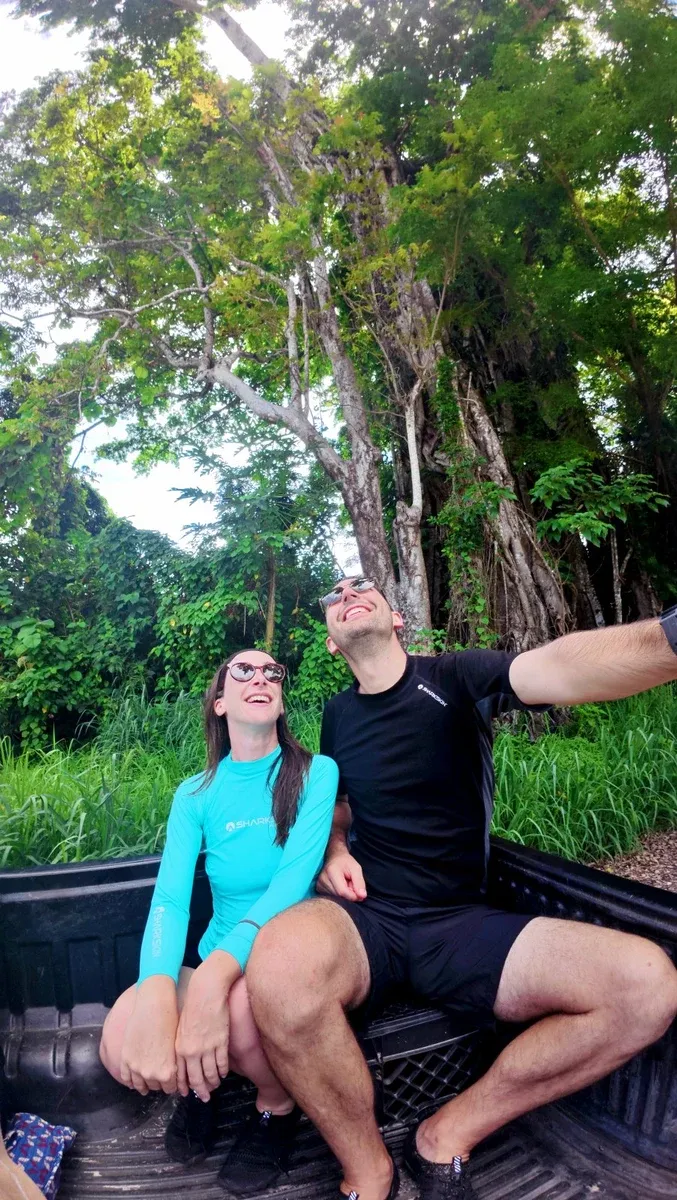
The Pros and Cons of Hitchhiking in Vanuatu
Like all ways of getting around, there are pros and cons of hitchhiking in Vanuatu.
The Pros of Hitchhiking
- It's free (or you can offer to contribute a small amount for petrol, usually 500-1,000 VT is fair, although offers of payment will normally be refused).
- It might be your only option if you're outside where buses operate, don't have the phone number of a taxi, or you're on one of the outer islands.
- You will likely meet some interesting people.
- It's more eco-friendly than using a vehicle all to yourself.
- It's an adventure!
The Cons of Hitchhiking
- It is usually time-consuming trying to get a lift.
- You might have to take several lifts to get to your destination, therefore taking more time.
- You sometimes can't tell it's a public bus until it's too late, and you'll end up paying anyway.
- There is an element of risk.
- Someone else is in charge – so you can't spontaneously stop for photos, for example.
- You have far less flexibility than having your own rental car.
Getting a taxi is more reliable, while taking a bus shared with other passengers is safer and very inexpensive, so why not use those?

Hitchhiking Safety in Vanuatu
There's no sugar-coating it: when you're hitchhiking anywhere in the world, you're taking a risk, as you don't know who you could end up in a vehicle with.
Although there have been no public cases of hitchhikers having negative experiences in Vanuatu, if you are going to do it, be sure to be savvy by following the following tips…
7 Safety Tips for Hitchhiking in Vanuatu
- Never hitchhike alone.
- Don't hitchhike at night – taxis operate until pretty late, though not 24/7.
- Engage in conversation before getting in the car, allowing time for your instinct to determine whether you should wait for the next car or not.
- Don't accept a lift if you get bad vibes from the driver.
- If you start to feel uncomfortable, come up with an excuse to be dropped off immediately. Saying that you're going to be sick is a good one.
- Take a picture of the vehicle registration before you get in (ask first and only get in if they accept) and message it to a trusted contact. Even if you have no network to send the picture, it's more to show the driver how cautious you're being.
- Have a "Plan B" – if you are unsuccessful at hitchhiking, have an alternative transport; check out Vanuatu Transport Guide: 10 Best Ways to Get Around Vanuatu for your options.
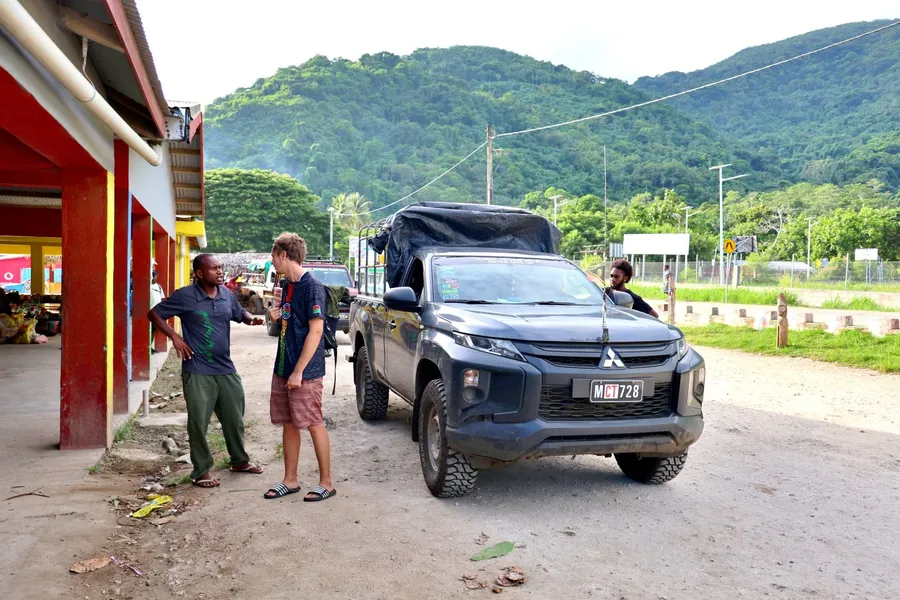
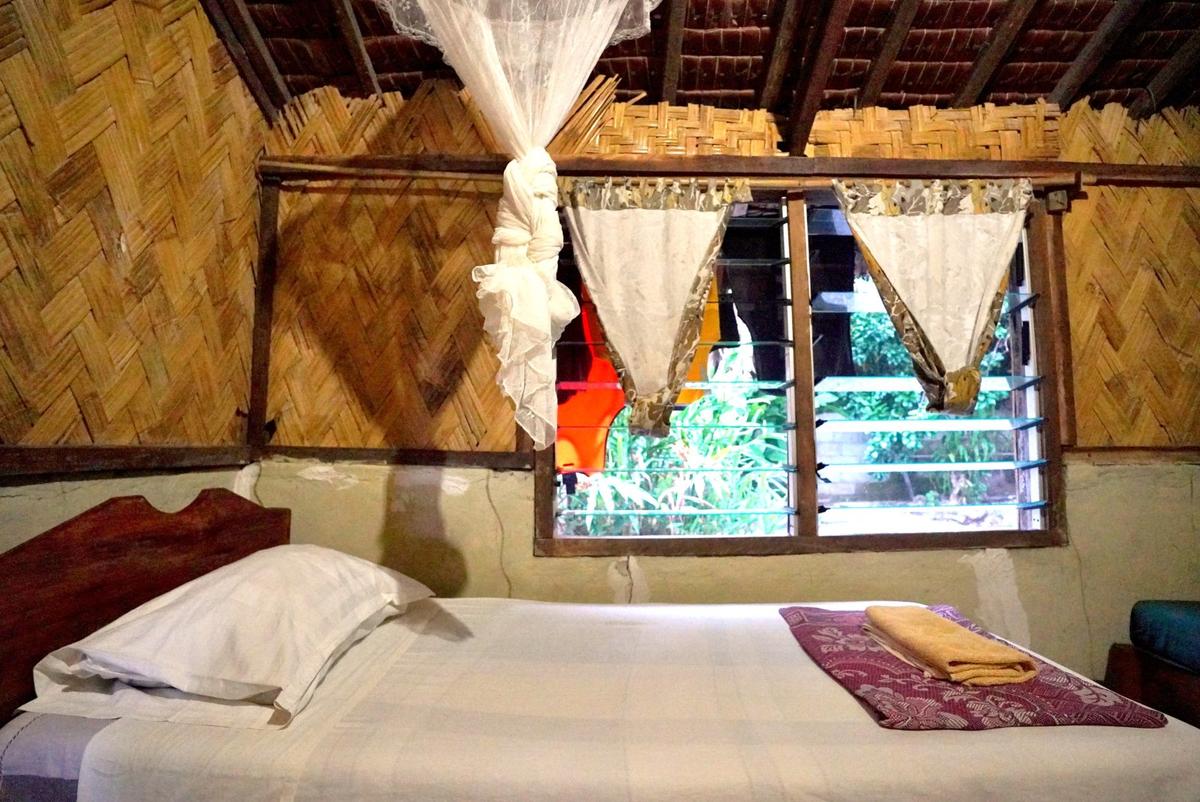
Frequently Asked Questions About Hitchhiking in Vanuatu
Now that you know about hitchhiking in Vanuatu, here are the answers to the internet's frequently asked questions about getting around Vanuatu by thumb!
Is hitchhiking safe in Vanuatu?
Yes, hitchhiking is generally considered safe in Vanuatu. Locals are typically friendly and helpful to travellers. However, it's always wise to trust your instincts and avoid hitchhiking alone at night. For more information, check out our Vanuatu Safety Guide.
Do people in Vanuatu pick up hitchhikers?
Absolutely! Vanuatuans are known for their hospitality and many locals are happy to give hitchhikers a lift. Truck drivers, in particular, are often willing to help travellers get around the islands. However, many drivers in Vanuatu pick up passengers for a living, so sometimes you find yourself having to pay anyway. For more information, check out Getting Around Vanuatu.
What's the best way to hitchhike in Vanuatu?
Stand in a visible spot along the road, smile, and give a friendly wave or thumbs up. It's helpful to have your destination written down or to know some basic Bislama phrases. Being polite and patient will go a long way.
Which islands in Vanuatu are best for hitchhiking?
While Efate and Santo have a higher traffic volume, hitchhiking tends to happen more away from the main centres, where transport is not made up of drivers who provide transport for a living. For more information, check out Best Islands & Provinces to Visit in Vanuatu.
Should you pay for hitchhiking rides in Vanuatu?
While not mandatory, offering a small contribution for fuel (around 500-1,000 VT) is appreciated, especially for longer distances. Some drivers may expect payment, particularly truck/bus/taxi drivers who regularly transport passengers.
Can you hitchhike at night in Vanuatu?
Hitchhiking at night is not recommended in Vanuatu. Traffic is significantly reduced after dark, and visibility can be poor on rural roads. It's safer to arrange accommodation and travel during daylight hours. For more information, check out Where to Stay in Vanuatu.
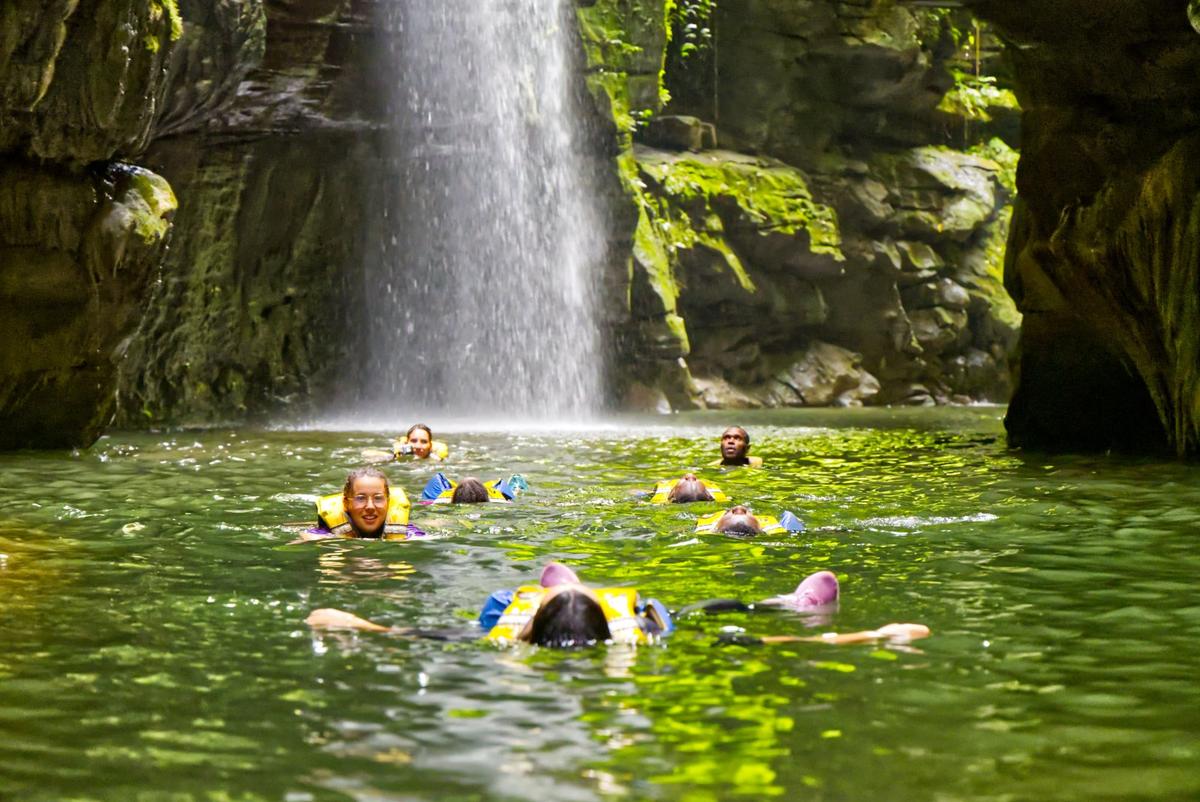
Editor's Choice
Millennium Cave Tour
Deep in the heart of Santo, the Millennium Cave Tour is one of Vanuatu's most rewarding full-day adventures. Trek through jungle trails, explore a vast cathedral-like cave, canyon through rocky...
More About Getting Around Vanuatu
That's all we have to say about hitchhiking in Vanuatu. If you're wondering about some more reliable but cheap ways of getting around, check out our other transport guides:
- Taking the Bus in Vanuatu: Bus Fares, Routes & More
- Taxis in Vanuatu: Taxi Fares, How to Use & More
- 10 Best Car Rentals in Vanuatu
Finally, compare all your travel options in our Vanuatu Transport Guide: 10 Best Ways to Get Around Vanuatu.


-%20BNCC%20CREDIT%20VanuatuPocketGuide.com-1-900x600.webp?v=2026-03-08T00%3A36%3A15.267Z)