

A Traveller’s Guide to Earthquakes and Tsunamis in Vanuatu
Vanuatu lies along the Pacific Ring of Fire, one of the most seismically active regions on Earth. The country is exposed to natural hazards including earthquakes, volcanic activity, tsunamis and tropical cyclones. And, let's be honest, one of those is exactly the reason you are visiting...
Nods to Mt Yasur aside, while major natural disasters are relatively infrequent, travellers should remain informed and prepared. Visiting Vanuatu is generally safe, with established disaster response systems in place, including earthquake and tsunami warnings, evacuation routes and community-based preparedness programmes.
This guide offers essential tips for staying safe during earthquakes or tsunamis whilst exploring the islands.
For advice on weather-related risks, see our guide: Cyclone Safety in Vanuatu. You can also check out Is It Safe to Travel to Vanuatu? for more general safety tips.
This article is based on real on-the-ground research, not on AI scraping old content from the internet. Learn how we use AI!
Table of Contents
5 Facts About Earthquakes, Tsunamis and Volcanic Activity in Vanuatu
- Vanuatu sits along the New Hebrides Trench, where the Australian Plate is subducting beneath the Pacific Plate, making it one of the most tectonically active regions in the world.
- Many earthquakes affecting Vanuatu occur offshore or along the trench, which means some seismic events carry a potential tsunami risk, particularly for coastal and low-lying communities.
- Vanuatu is home to several active volcanoes, including Mt Yasur (Tanna), Ambrym and Ambae, which are among the most active in the South Pacific and are closely monitored by local and international agencies.
- Volcanic activity in Vanuatu can trigger secondary hazards such as ashfall, gas emissions, landslides and, in rare cases, tsunami-generating eruptions or submarine landslides.
- Because of its high exposure to earthquakes, volcanoes and tsunamis, Vanuatu has developed strong community-based disaster preparedness systems, supported by seismic monitoring, early warning networks and regular public awareness programmes.
Earthquakes in Vanuatu
Vanuatu is located within the Pacific Ring of Fire and sits along the New Hebrides Trench, one of the most seismically active zones in the South Pacific. According to ThinkHazard.org, the earthquake hazard in Vanuatu is classified as high, with more than a 20% chance of a potentially damaging earthquake occurring within the next 50 years.
Many earthquakes affecting Vanuatu occur offshore along the trench system, beneath the ocean floor. Because of this, the country faces not only strong ground shaking but also an elevated risk of tsunamis, particularly for coastal communities and low-lying islands. As a result, disaster preparedness, resilient building practices and tsunami awareness remain key parts of national safety planning.
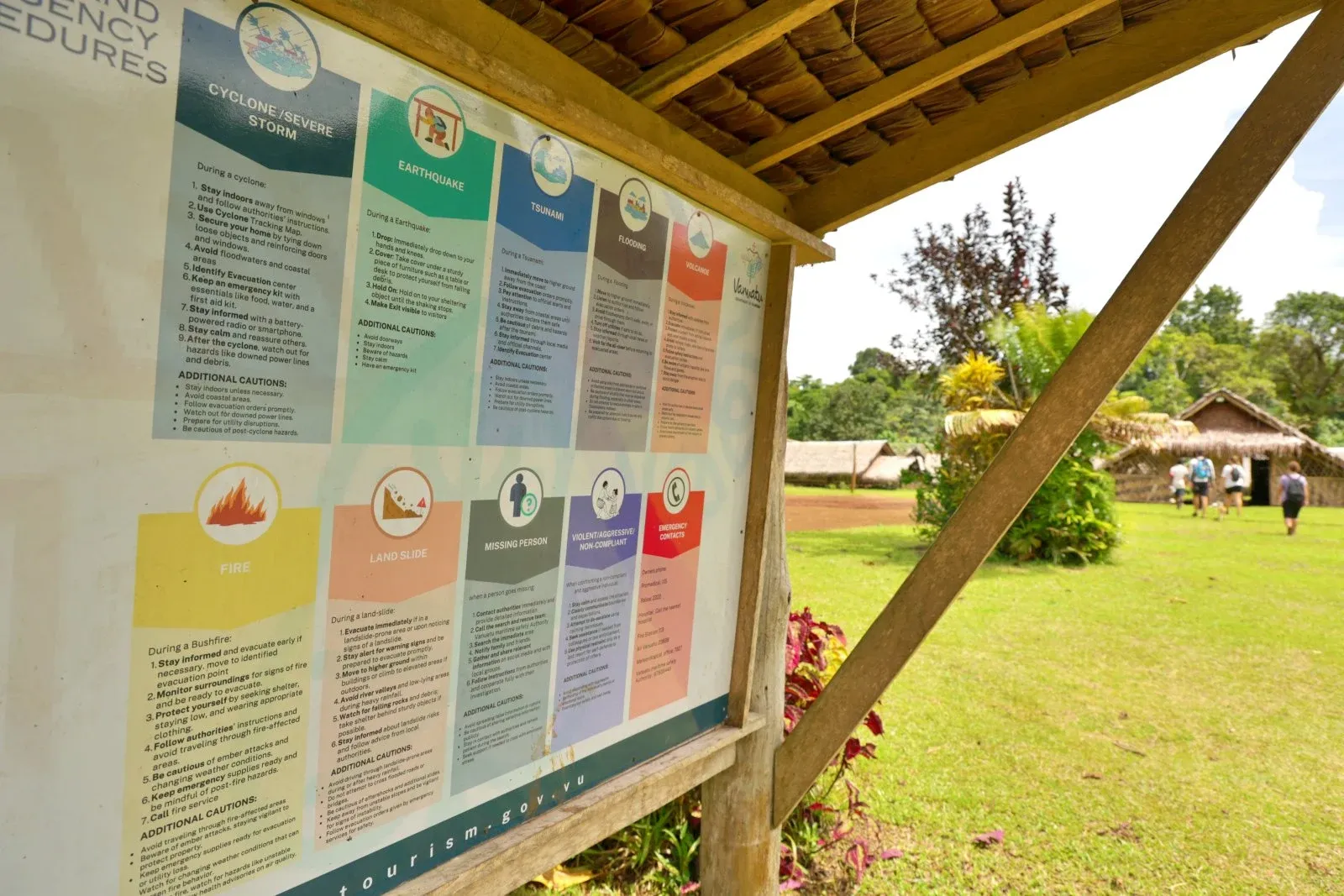
What to Do During an Earthquake
During an Earthquake:
- Drop: Immediately drop down to your hands and knees.
- Cover: Take cover under a sturdy piece of furniture such as a table or desk to protect yourself from falling debris.
- Hold On: Hold on to your sheltering object until the shaking stops.
Additional Cautions:
- Avoid doorways.
- Stay indoors.
- Beware of hazards.
- Stay calm.
- Have an emergency kit.
2024 Port Vila Earthquake
The most recent major earthquake to strike Vanuatu occurred on 17 December 2024, just off the coast of Efate near Port Vila. Measuring magnitude 7.3, the earthquake struck about 30 km (19 mi) west of the capital at a depth of roughly 54–57 km (34–35 mi) and lasted around 30 seconds.
The shaking caused widespread damage across Port Vila, particularly in the central business district, where buildings collapsed or were deemed unsafe, and large sections of the waterfront were closed. At least 14 people were killed and more than 200 injured, while thousands were displaced as homes, roads and infrastructure were damaged across Efate. The earthquake also generated a small tsunami of around 25 cm, and more than 300 aftershocks were recorded in the days that followed.
The disaster significantly disrupted life in the capital. Bridges and roads were damaged, government buildings and diplomatic missions suffered structural damage, and electricity and water services were temporarily interrupted. Many people were forced into evacuation centres or stayed with relatives while recovery efforts began. The earthquake was considered one of the most destructive disasters to hit Port Vila in recent decades and evidence of the earthquake can still be seen in the capital.
Other notable earthquakes in Vanuatu’s history
Several other notable events have shaped the country’s history:
2002 Port Vila Earthquake
A strong earthquake struck near Port Vila in 2002, causing structural damage in the capital and highlighting the vulnerability of the city’s buildings and infrastructure. While casualties were limited, the event reinforced the need for improved building standards in seismic zones.
2010–2013 earthquake sequence
During the early 2010s, several earthquakes measuring magnitude 7 or higher occurred in the region. Most were offshore along the trench and caused limited damage, but they triggered tsunami warnings across the South Pacific and demonstrated how active the surrounding tectonic boundary is.
2023–2024 regional earthquakes
Large earthquakes in the magnitude 7 to 7.7 range have also occurred in the broader Vanuatu region in recent years. Many of these earthquakes were deep or located offshore, which reduced the level of damage on land but occasionally generated small tsunami waves and strong shaking across the islands.
Tsunamis in Vanuatu
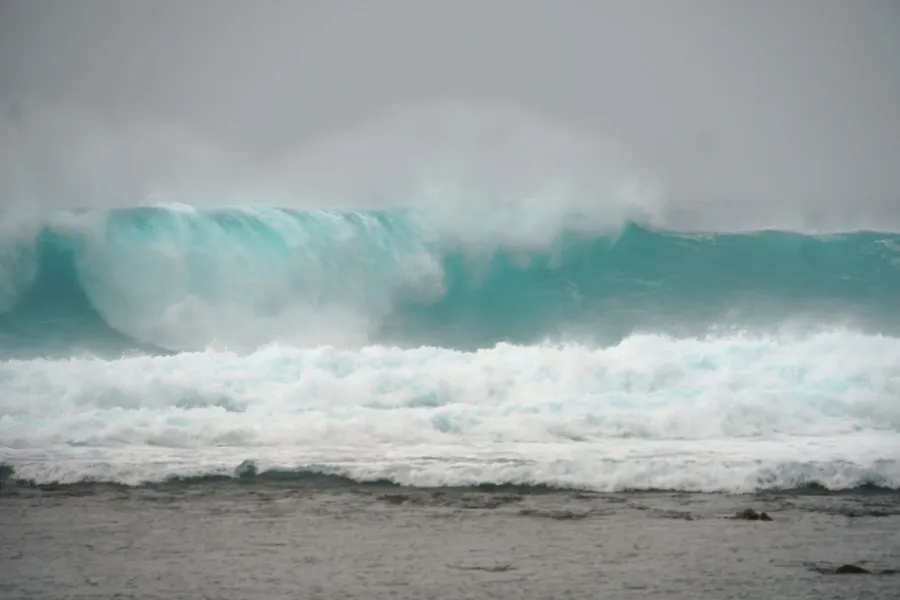
Tsunamis are a major natural hazard in Vanuatu, most often triggered by offshore earthquakes, though undersea landslides and volcanic activity can also generate dangerous waves.
Vanuatu has a long history of tsunami events, with records dating back to the 19th century. The country sits in a highly active seismic zone, and the tsunami hazard is classified as high, with a greater than 40% chance of a potentially damaging tsunami occurring within the next 50 years.
Because many communities are located along low-lying coastlines, tsunamis pose a serious risk, particularly as rising sea levels linked to climate change may increase the areas exposed to inundation in the future.
How to Prepare for a Tsunami in Vanuatu
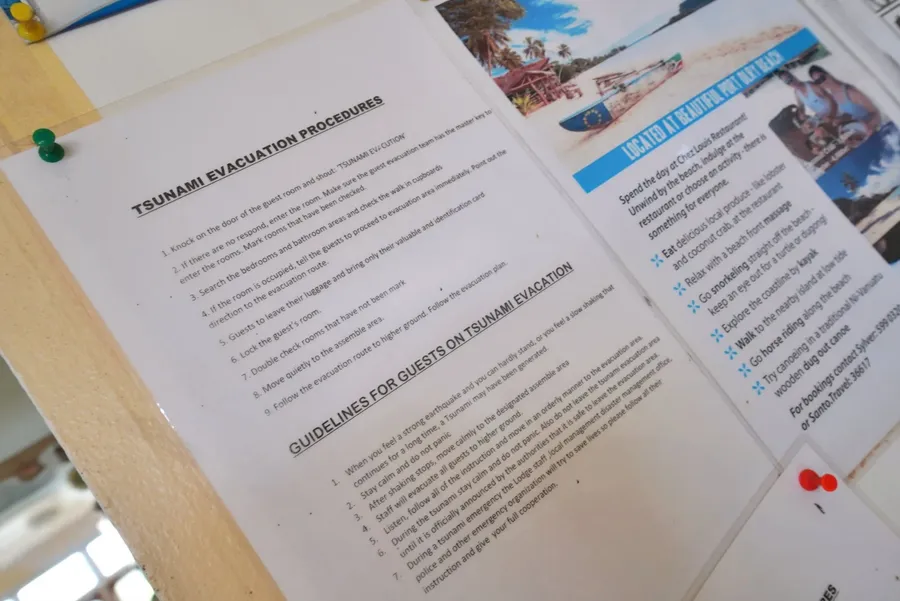
Vanuatu operates tsunami monitoring and warning systems through regional and national agencies, with alerts broadcast via radio and official channels. Even so, travellers should take extra precautions:
- Pay attention to local advisories issued by the Vanuatu Meteorology and Geo-Hazards Department
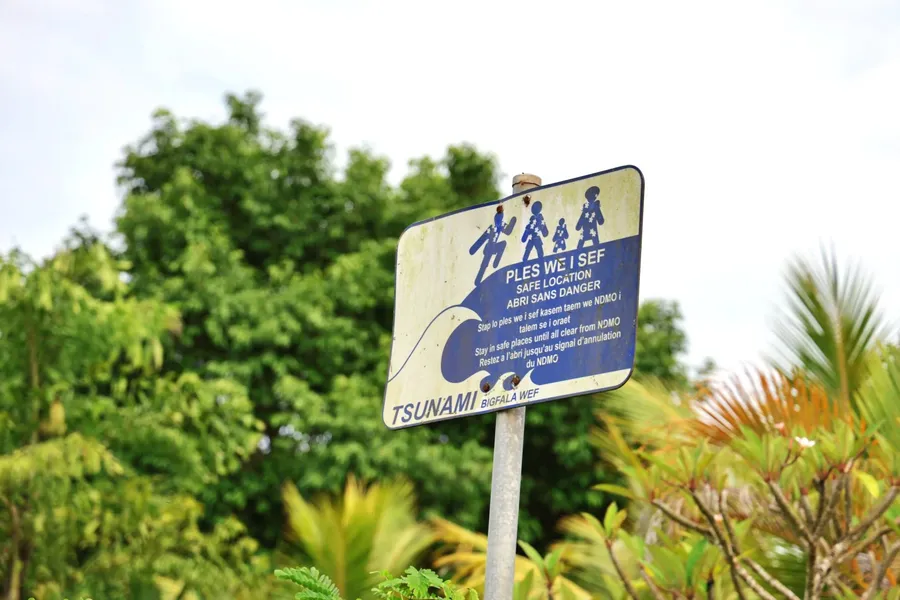
- Familiarise yourself with tsunami evacuation routes where you are staying and note evacuation signage in coastal areas
- Monitor radio, television and official online updates for tsunami warnings and safety instructions
What to Do if a Tsunami Warning is Issued
Tsunami warnings can be issued through news media in the South Pacific. Other signs of a tsunami could be a strong earthquake, seeing the ocean recede and/or hearing unusual roaring sounds from the ocean. If any of these signs occur, follow the steps:
- If you see signs of a tsunami before a tsunami warning is issued, act immediately
- If you’re on the coast, move inland and to higher ground immediately
- Head to areas as advised on tsunami evacuation maps and or follow tsunami evacuation signage.
After a tsunami, continue listening to the media for announcements. Only move back into the affected areas when authorities have said it is safe to do so.
Frequently Asked Questions About Earthquakes, Tsunamis and Natural Disasters in Vanuatu
Now that you know about natural disasters in Vanuatu, here are the answers to the internet's frequently asked questions about earthquakes, tsunamis and natural disasters in Vanuatu!
Are earthquakes common in Vanuatu?
Yes, earthquakes are very common in Vanuatu as the country sits on the Pacific Ring of Fire where multiple tectonic plates meet. The islands experience hundreds of small earthquakes each year, with larger ones occurring regularly due to the active volcanic and seismic activity in the region.
What is the risk of tsunamis in Vanuatu?
Vanuatu faces a moderate to high tsunami risk due to its location in the seismically active Pacific region. Tsunamis can be triggered by underwater earthquakes, volcanic eruptions or landslides, and the country's extensive coastline makes it particularly vulnerable to these ocean waves.
When was the last major earthquake in Vanuatu?
Major earthquakes occur regularly in Vanuatu, with significant events happening every few years. The most recent major earthquake will depend on when you're reading this, but the one that caused the most significant damage was on 17 December 2024. Saying that, the country typically experiences earthquakes of magnitude 6.0 or higher several times per year.
How do I prepare for natural disasters in Vanuatu?
Preparation for natural disasters in Vanuatu includes having an emergency kit with water, food, first aid supplies and a battery-powered radio. Stay informed about local warning systems, know evacuation routes, and register with your embassy if you're visiting. Hotels and resorts typically have emergency procedures in place.
Are there volcano risks in Vanuatu?
Yes, Vanuatu has several active volcanoes, with Mt Yasur on Tanna being one of the world's most accessible active volcanoes. While volcanic activity is monitored closely, eruptions can occur with little warning. The Vanuatu Geohazards Observatory provides regular updates on volcanic activity levels.
What should I do during an earthquake in Vanuatu?
During an earthquake in Vanuatu, immediately drop to your hands and knees, take cover under a sturdy desk or table, and hold on until the shaking stops. If you're near the coast, move to higher ground immediately after the shaking ends due to potential tsunami risk. Avoid doorways and windows, and stay away from heavy objects that could fall.
Editor's Choice
Allan Power Dive Tours
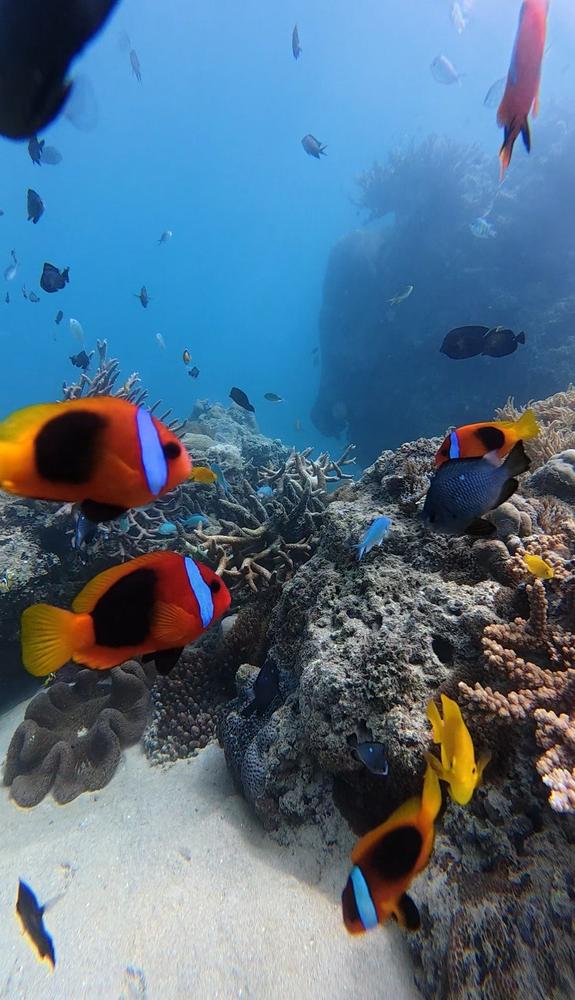
Drift a kilometre through history along Santo's most rewarding snorkel route, from Million Dollar Point to the SS President Coolidge. With the current doing most of the work, you'll glide past...
More About Earthquakes and Tsunamis in Vanuatu
That's it for our guide to earthquakes and tsunamis in Vanuatu. For more about natural disasters and safety tips, head to the following articles:
- Cyclones in Vanuatu: A Guide to Cyclone Safety in Vanuatu
- Vanuatu Safety Tips: Is it Safe to Travel to Vanuatu?
- Is the Water Safe to Drink in Vanuatu?
For more tips for travelling in Vanuatu, head to our 30 Tips for Travelling in Vanuatu.

%20CREDIT%20VanuatuPocketGuide.com-900x601.webp?v=2026-06-11T01%3A28%3A52.090Z)
-CUNL%20CREDIT%20VanuatuPocketGuide.com-900x600.webp?v=2026-03-08T01%3A22%3A10.914Z)