

-CUWL%20CREDIT%20VanuatuPocketGuide.com.webp?v=2026-03-08T01%3A57%3A22.591Z)
Tips for a More Eco-Friendly Trip to Vanuatu
Vanuatu is home to extraordinary natural beauty, from lush rainforests and active volcanic landscapes to turquoise lagoons, coral reefs and rich marine ecosystems. If you’re not already environmentally conscious, chances are you will be after experiencing the country’s unspoilt islands and strong connection to nature.
Vanuatu has a way of inspiring travellers to become guardians of the environment, even as it faces growing challenges such as waste management on outer islands, increasing plastic use, and marine debris washing ashore from regional shipping and fishing activity.
Get a head start on protecting this Pacific island nation by following our tips for travelling more sustainably in Vanuatu.
This article is based on real on-the-ground research, not on AI scraping old content from the internet. Learn how we use AI!
Table of Contents
1.Travel in the Low Season to Prevent Overtourism
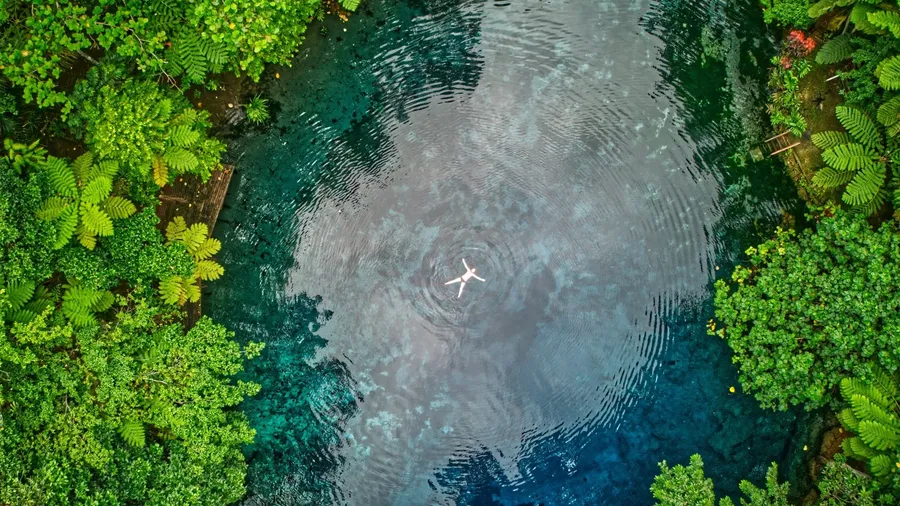
Travelling during the low season offers a more sustainable, affordable and peaceful experience in Vanuatu.
Plan your trip between November and April to enjoy fewer crowds, lower prices and reduced strain on local resources.
2.Explore Malekula
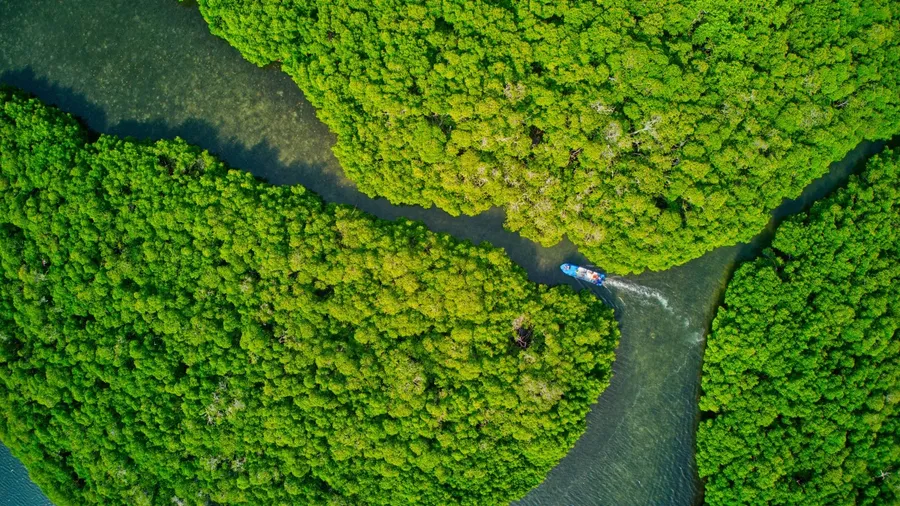
Most travellers to Vanuatu base themselves on Efate, home to Port Vila and the country’s main international gateway. While Efate offers plenty to see and do, concentrating tourism in one area can put pressure on local infrastructure and resources.
To travel more sustainably, consider exploring less-visited islands and regions such as Espiritu Santo beyond Luganville, Malekula, Pentecost or Ambrym. These areas offer equally breathtaking landscapes, from active volcanoes and blue holes to kastom villages and remote beaches, while helping spread tourism income more evenly across the country and reducing overcrowding in popular hubs.
3.Stay Longer to Make the Most of Your Carbon Footprint
%20Couple%20Selfie%20CREDIT%20VanuatuPocketGuide.com-900x507.webp?v=2026-03-08T01%3A57%3A45.643Z)
It is no secret that your flight to Vanuatu will have the largest carbon impact of your trip.
Consider extending your stay (or waiting until you can) to make the most of the heavy environmental cost of your flight.
Plan a longer trip with the help of our Vanuatu Itinerary: 14 Days / 2 Weeks.
4.Pack Reusable Items

Reusables, such as metal straws, water bottles and shopping bags, can help save dozens of plastic from going into landfills. By packing your own (and making sure you use them), you'll help reduce the need for single-use items during your trip and keep your waste to a minimum.
You'll find that traditional kastom values in Vanuatu beautifully emphasise preserving natural resources. Many locals still rely on these resources for daily life, from cooking to crafting. For this reason, many parts of Vanuatu are litter-free, but the same cannot be said for the more urban centres, like Port Vila and Luganville or the roadsides.
More advice on using reusable water bottles can be found toward the end of this listicle!

Editor's Choice
Mount Marou Adventure Tours
Head to Nguna Island and take on Mount Marou with a local guide from the community-based team at Mount Marou Adventure Tours. This guided hike brings you to the summit where sweeping views stretch...
5.Use Shampoo Bars Instead of Your Resort’s Shampoo Bottles
-CUNL%20CREDIT%20VanuatuPocketGuide.com-900x600.webp?v=2026-03-08T01%3A58%3A27.817Z)
Shampoo bars are both a great way to save money on haircare (they last much longer) and reduce the amount of plastic used. Plus, this will also help you avoid the use of mini-toiletries in your resort that are extremely plastic-inefficient.
We like New Zealand-made Ethique shampoo bars.
You'll easily find brands all over the world and even in Vanuatu.
6.Take Your Rubbish with You
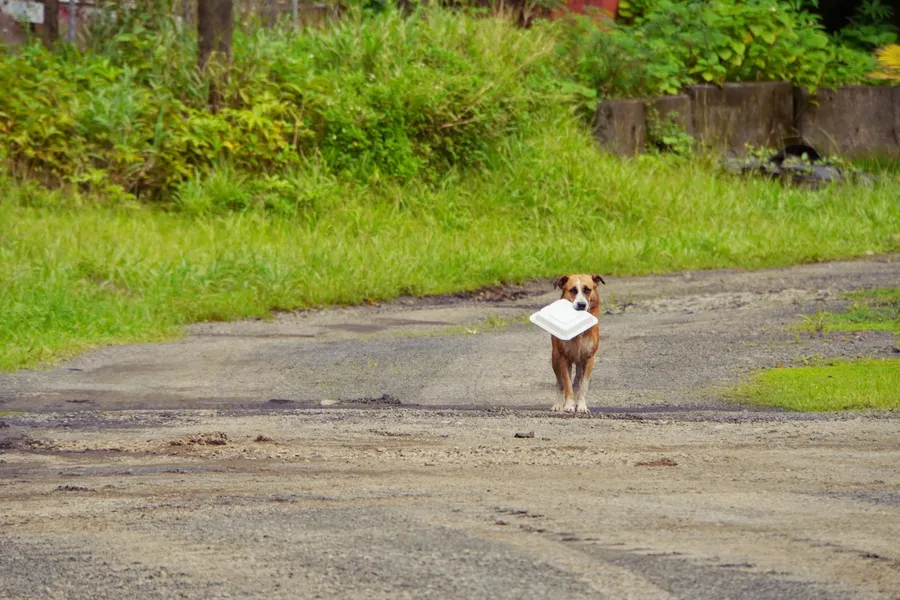
When exploring Vanuatu, avoid littering by packing a small bag to take your rubbish with you.
Know that aerosol sprays, batteries and many plastics, for example, are not properly recycled in Vanuatu, so take them back home where you are more likely to recycle them properly (or avoid bringing them at all).
7.Use Reef-Safe Sunscreen
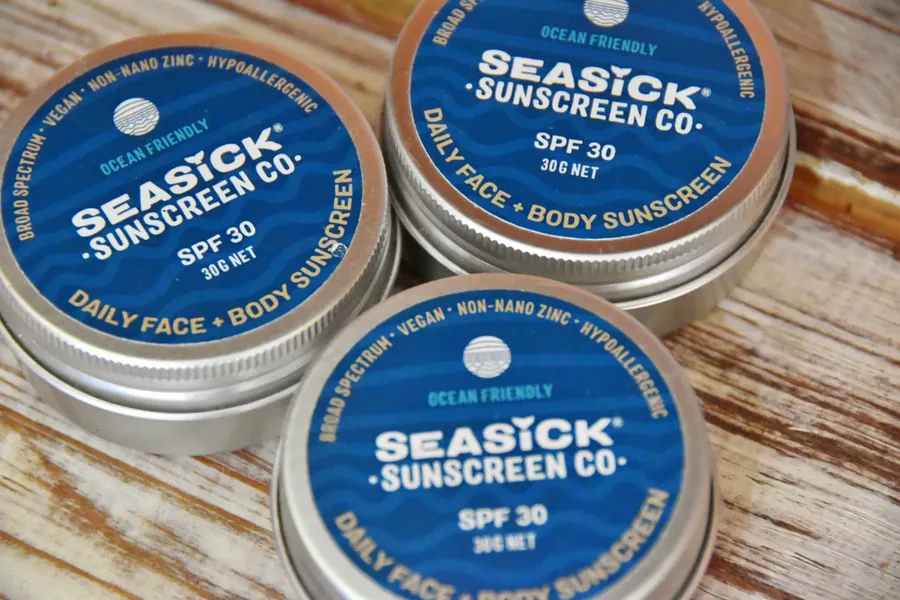
Standard sunscreens are made with oxybenzone and octinoxate which are harmful to Vanuatu's coral ecosystems. Use reef-safe sunscreen to enjoy Vanuatu's amazing coral reefs without damaging them.
Check out our favourites in The Best Sunscreens for Vanuatu + Sun Protection Tips.
8.Use Natural Mosquito Repellent
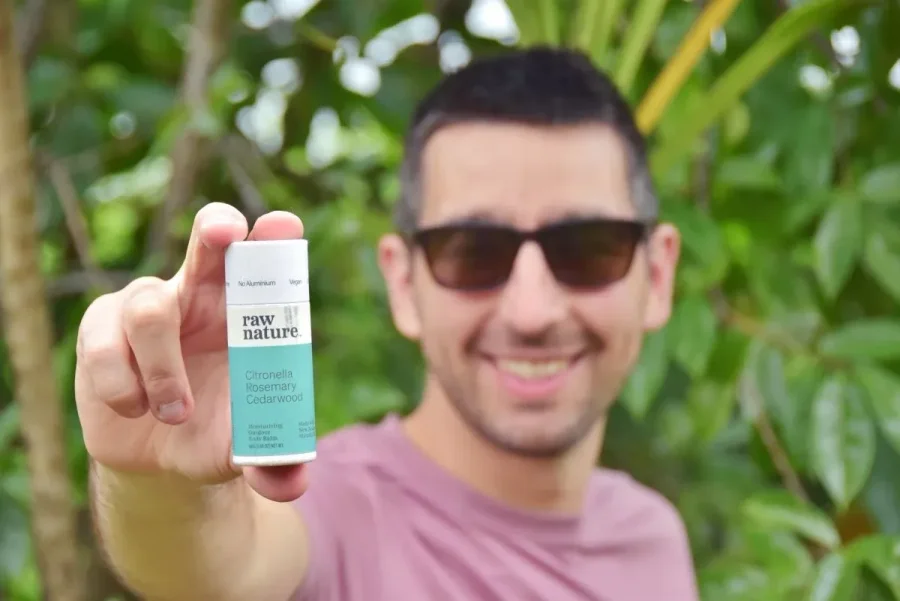
DEET is the main component of standard insect repellents that contaminate soil and waterways and isn’t all that great for you either. Use lemon and eucalyptus sprays, and cover your arms and legs.
You can check our 10 Best Natural Insect Repellents for Vanuatu for our recommendations.
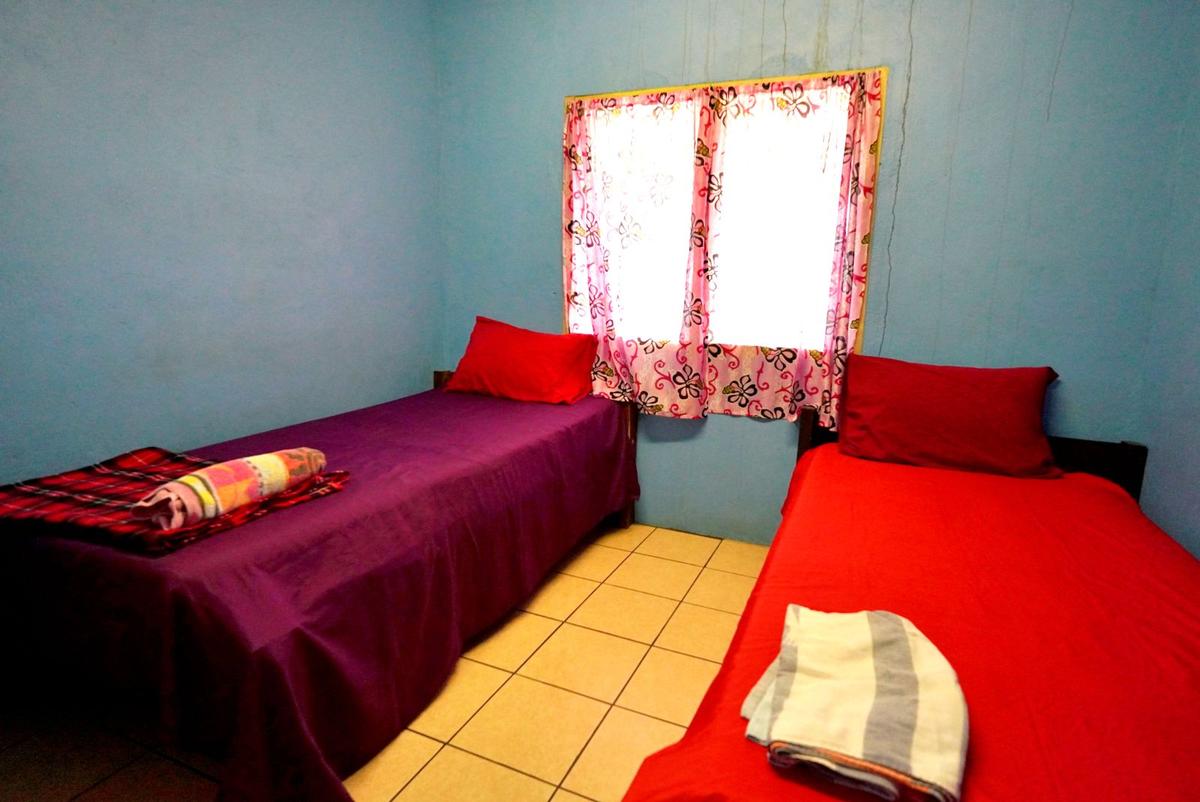
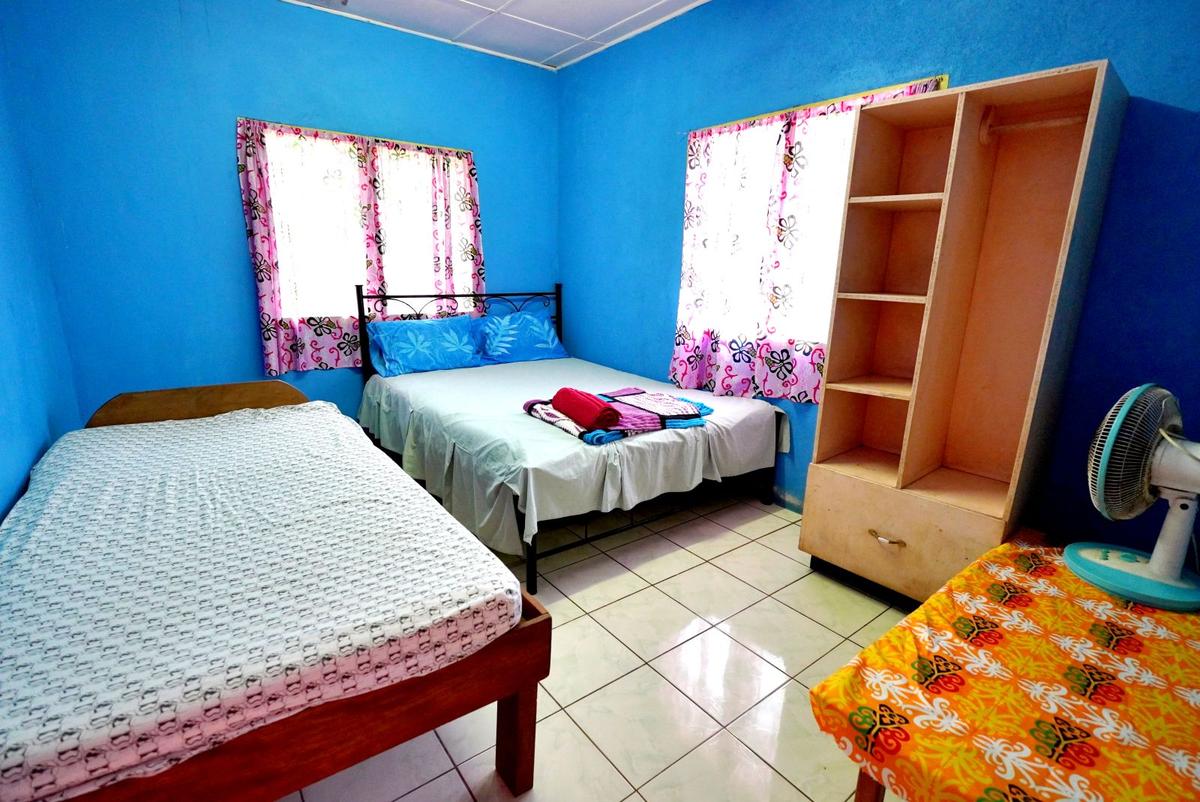
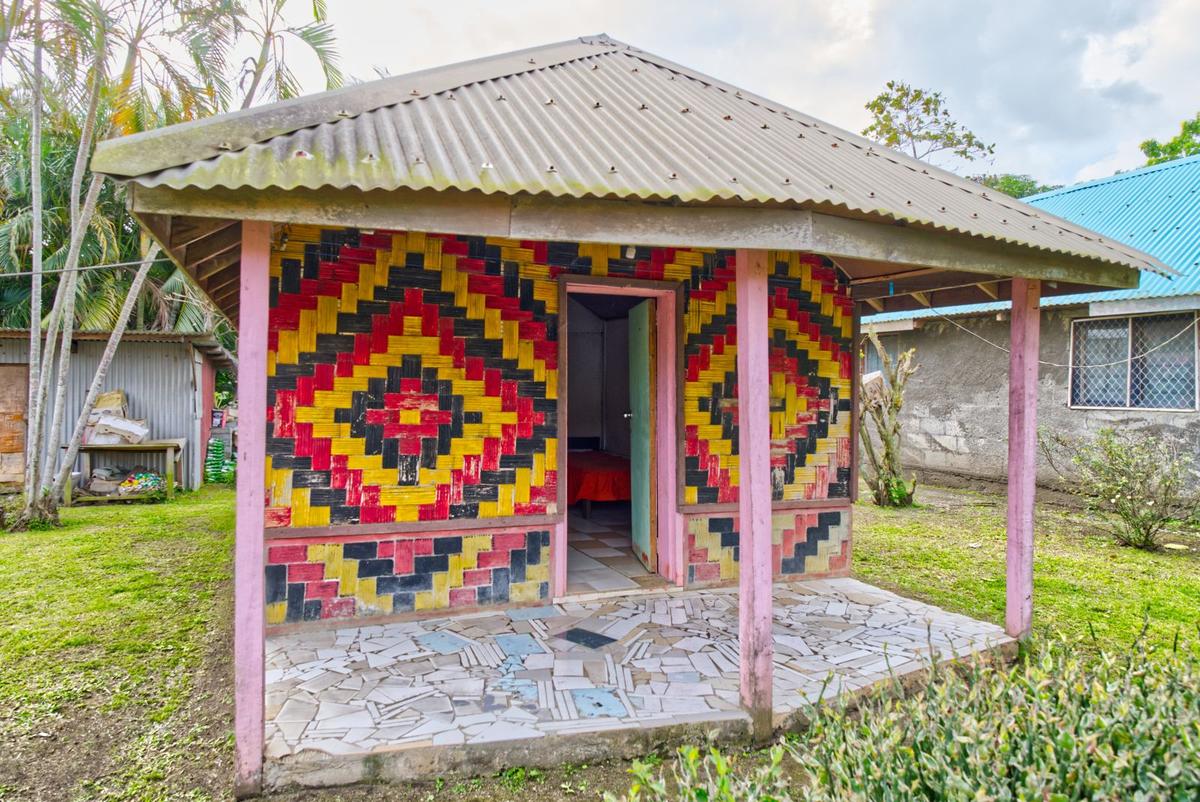
Where to Stay
Talapoa View Lodge
Standard Room · Standard Double Room · Bungalows
AU$30/night
9.Pass On or Return Brochures, Guides and Maps
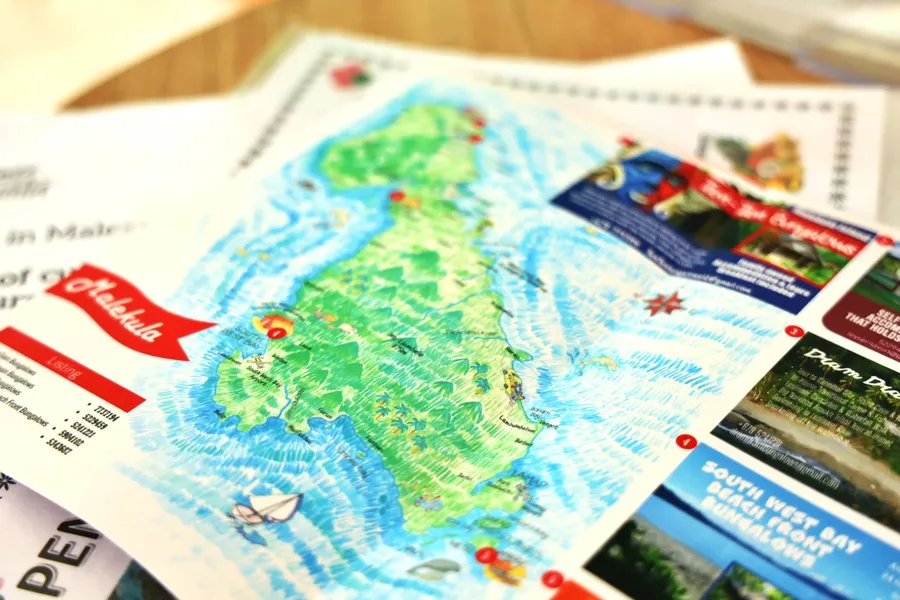
Travel pamphlets, maps and brochures are everywhere in Vanuatu, and many of them are super useful.
On departure, what about leaving them behind in your accommodation’s lobby, for example, so they can be used a second time?
10.Use Public Transport Wherever Possible
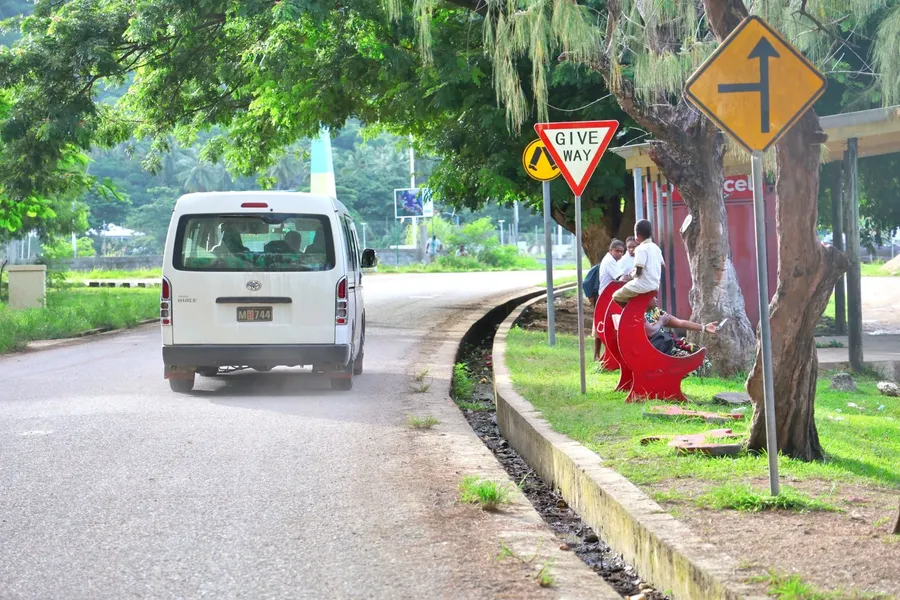
Vanuatu has a range of public transport options that are both affordable and a more sustainable way to get around. Local buses (minivans) and trucks/utes connect villages on Efate, Malekula, Santo and Tanna, offering a chance to experience local life while reducing your carbon footprint.
Even though vehicles may be older and less modern than private cars, they still produce fewer emissions per passenger than individual car or taxi travel. For longer distances between islands, consider ferries and banana boats, which are often more eco-friendly than small aircraft.
See all of your options for travelling in the Vanuatu Transport Guide: 10 Best Ways to Get Around Vanuatu.
11.Use Shared Airport Transfers Instead of Taxis
While private taxis are convenient for getting around Efate and Santo, especially from Bauerfield Airport (Port Vila) or Santo-Pekoa International Airport (Espiritu Santo), booking a shared shuttle service with your accommodation or through shared shuttle operators, like Adventures in Paradise, is a more sustainable choice.
Shared transfers reduce carbon emissions per passenger by grouping travellers together, while still getting you to your hotel comfortably.
Learn more about your airport transfer options in the 10 Best Airport Transfers in Vanuatu.
12.Offset the Carbon Cost of Your Flight
-SEB%20CREDIT%20VanuatuPocketGuide.com-900x675.webp?v=2026-03-08T00%3A36%3A35.704Z)
Pretty much every airline offers options to offset the carbon footprint of your flight, however, most are not so transparent and are questionable in how much real "carbon off-setting" they actually achieve.
We always recommend looking into your own choice of carbon off-setting. If you haven't got the time, we recommend myclimate.org or flygrn.com which offer better options than those offered by most airlines.
Editor's Choice
Allan Power Dive Tours
Drift a kilometre through history along Santo's most rewarding snorkel route, from Million Dollar Point to the SS President Coolidge. With the current doing most of the work, you'll glide past...
13.Non-Stop Flights are Less Impactful
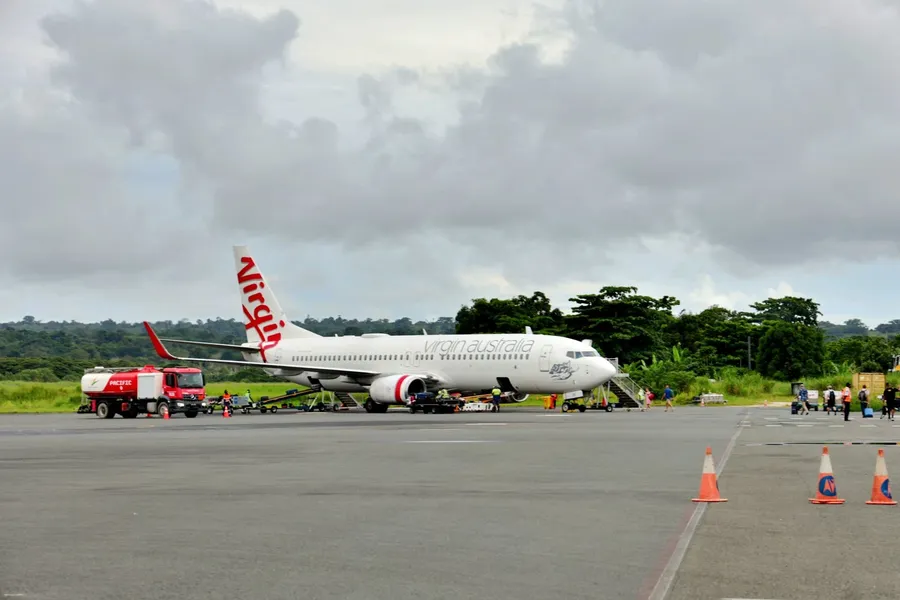
It is no secret that flying direct can save you a lot of time. But did you know that it also results in a lower carbon footprint? Making your total flight time shorter reduces the carbon footprint of your trip and we’re all better for it.
Check out where you can take direct flights to Vanuatu using Which Airlines Fly Directly to Vanuatu?
14.Stay in a Local Bungalow or Guesthouse
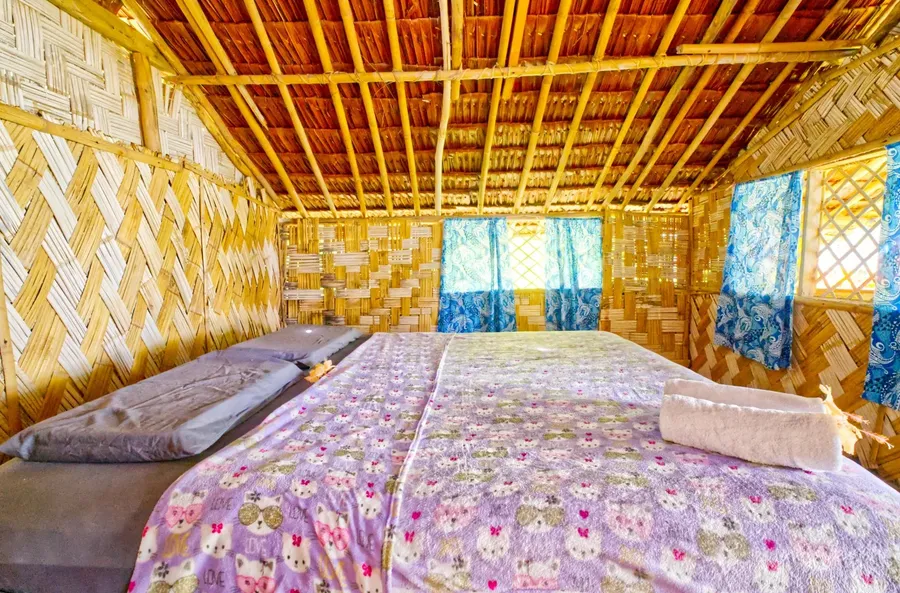
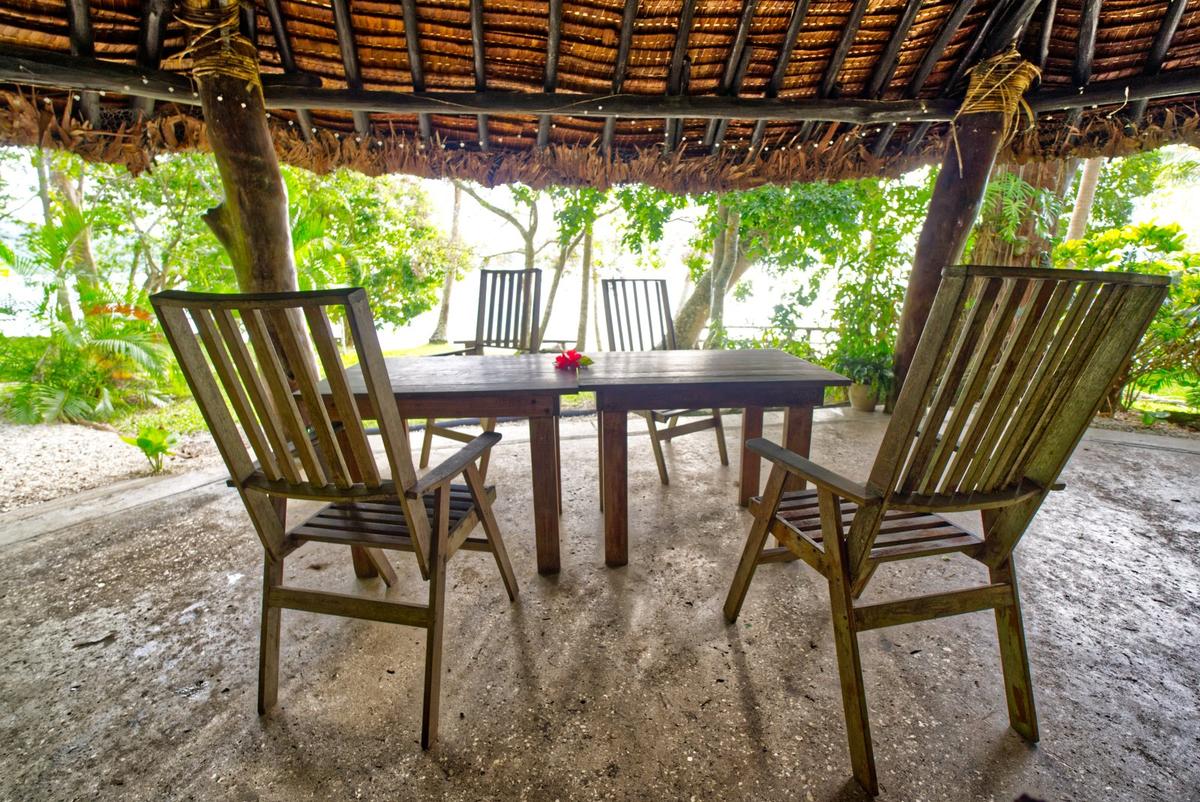
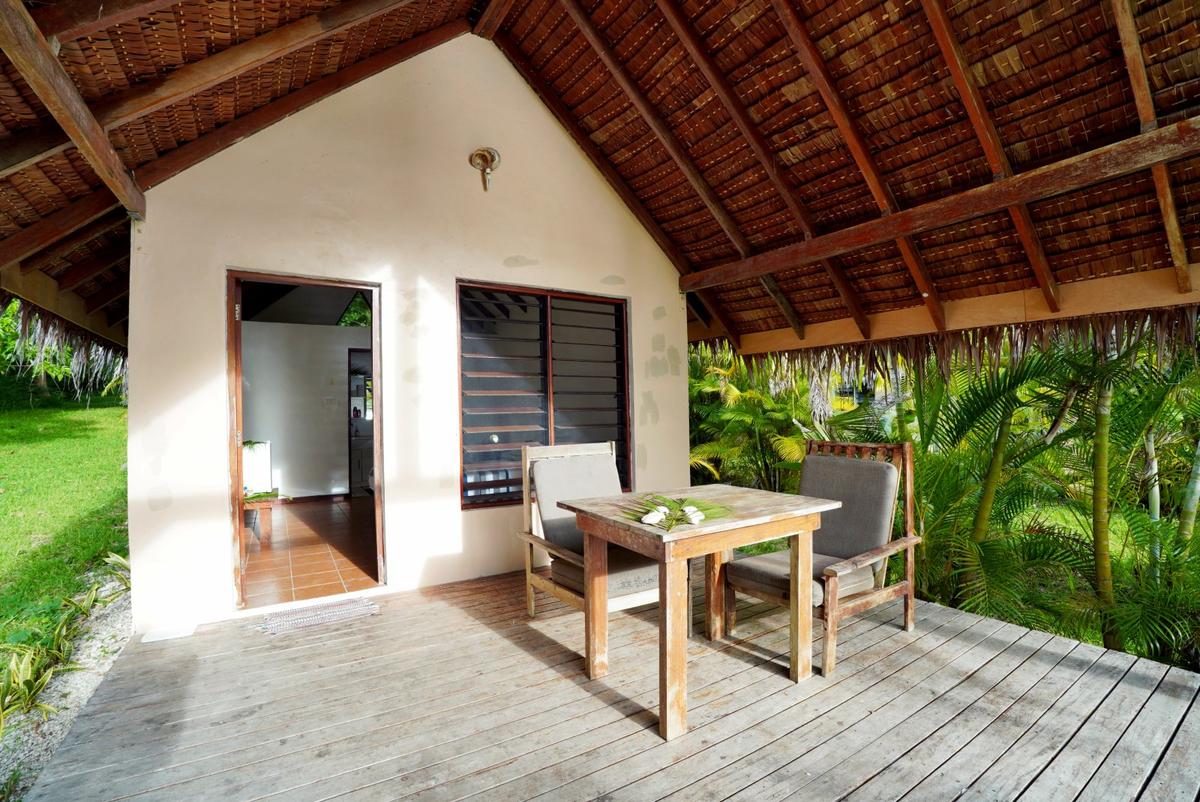
Vanuatu has a great selection of locally run island bungalows and guesthouses that use fewer resources than large hotels. These smaller stays often have a lower environmental impact, using mostly local materials in their construction, taking up less space, and directly supporting the local community.
Even the meals are much more sustainable, usually focusing on locally sourced fruit and vegetables and even meat.
Learn more about the accommodations available in Where to Stay in Vanuatu. More specifically, see guesthouses in the 50 Best Bungalows & Guesthouses in Vanuatu.
15.Pick Eco-Resorts
-CUNL%20CREDIT%20VanuatuPocketGuide.com-900x601.webp?v=2026-03-07T23%3A37%3A08.079Z)
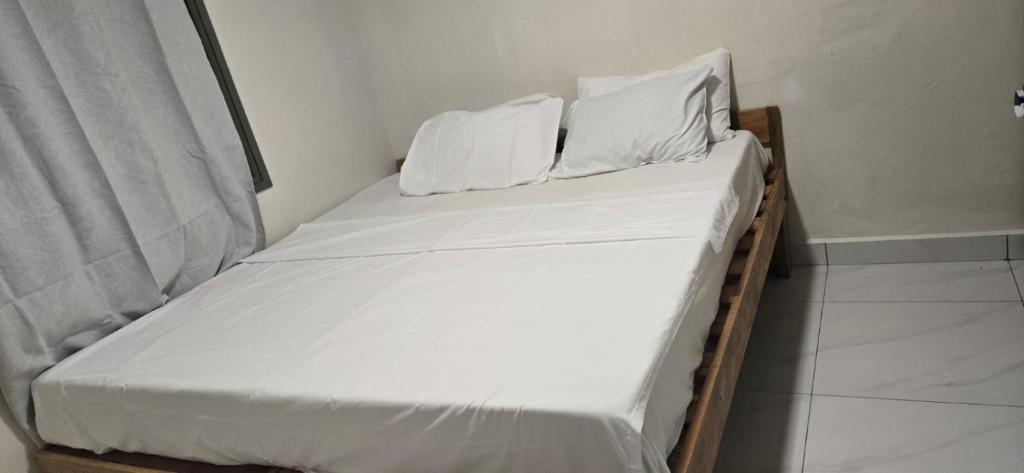
Admittedly, it's a minuscule selection of accommodations in Vanuatu that actively tries to make a significant effort to offer its clientele a more sustainable stay. However, with the trend of more travellers being conscious of their environmental footprint, resorts in Vanuatu have started to take notice and introduce environmental initiatives.
Some examples include Exclusive Sunrise Resort's chemical-free pool system and providing reef-safe sunscreen for guests, Eratap Beach Resort transitioning to 100% solar power, Ratua Island Resort aims to become 90% sustainable with a "paddock to plate" approach...
However, there is still a lot of greenwashing out there, so when a resort claims "sustainability", be sure to check the facts before booking.
By picking accommodations that positively impact their surroundings, you’ll turn your trip into something good for you, the local community and the planet.
16.Hang-Dry Your Towel to Save on Hotel Laundries
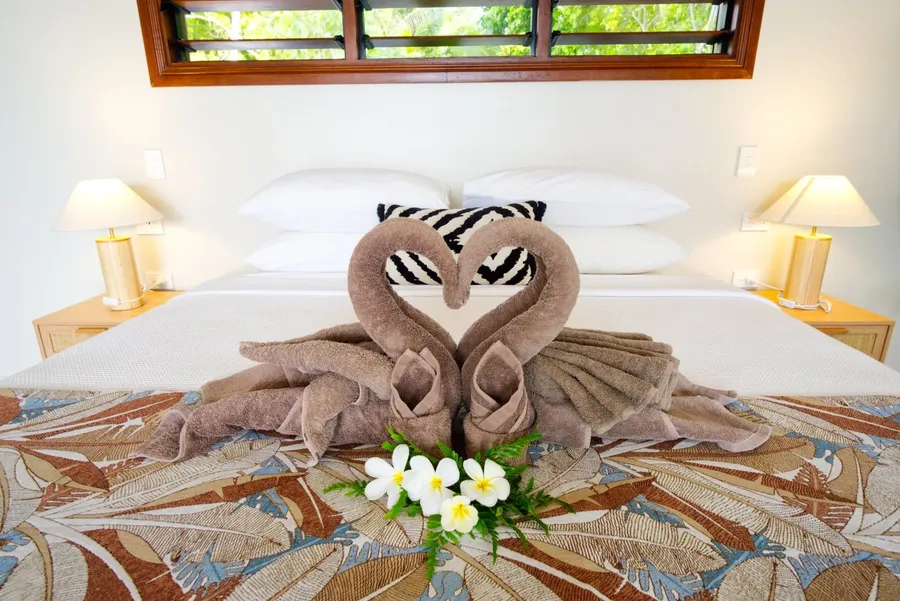
Hotel laundries are notoriously heavy on chemical detergent and water usage, so consider keeping your towel for a few days.
All you’ve got to do is hang your towel to dry instead of leaving it on the floor; the housekeeping staff will get the message.
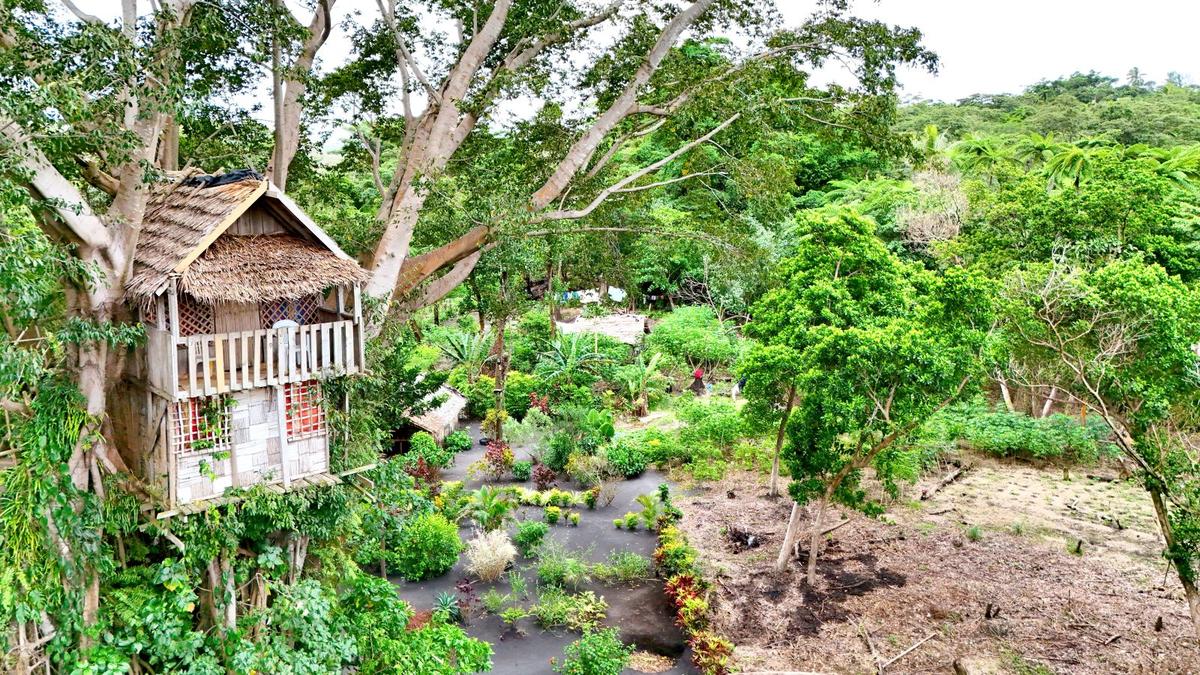
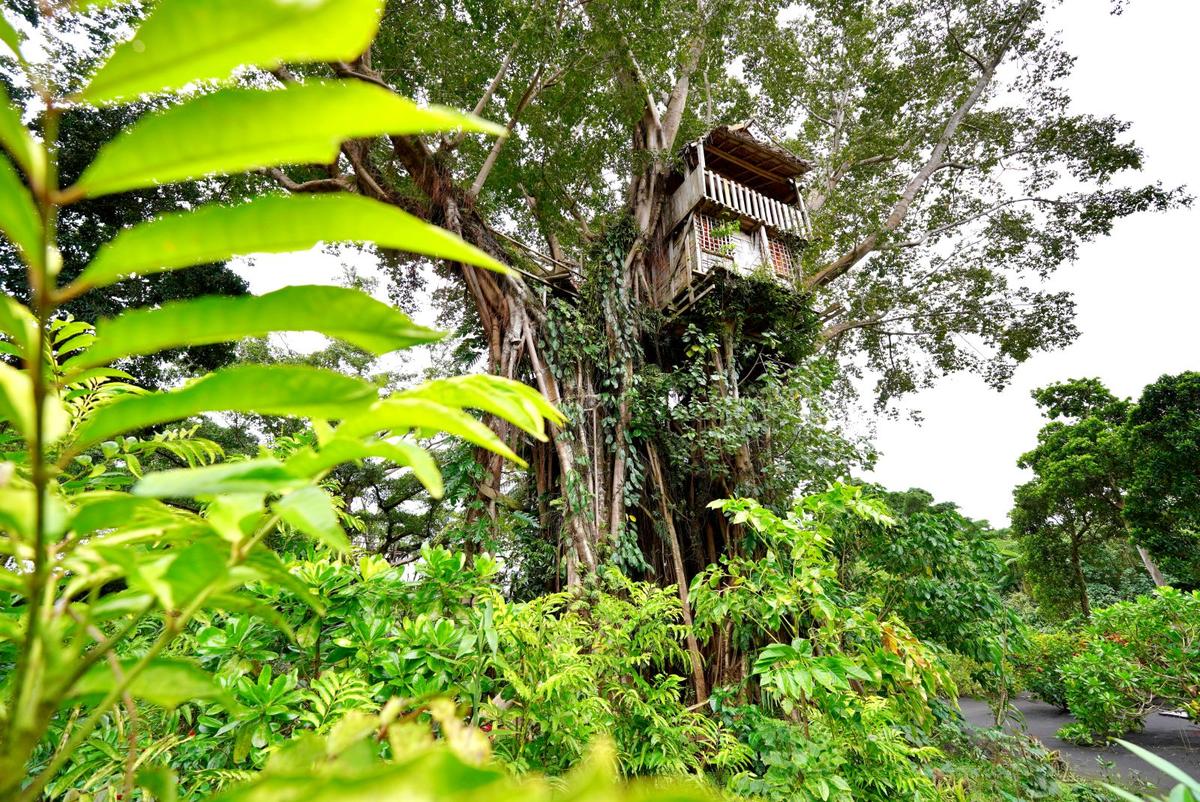
Where to Stay
Glowing Mountain View Tree House
Tree House Upper Floor · Tree House Lower Floor
VT 5000/night
17.Turn Off the Light, TV and A/C in Your Room

Rooms can be cooled in a matter of minutes using the air conditioning, so there’s no need to let it run all day.
Before heading out, do a quick check around your room and turn off all the appliances to help decrease the power consumption during your stay.
18.Close Your Windows When Using the A/C in Your Resort (Or Avoid Using the A/C at All!)
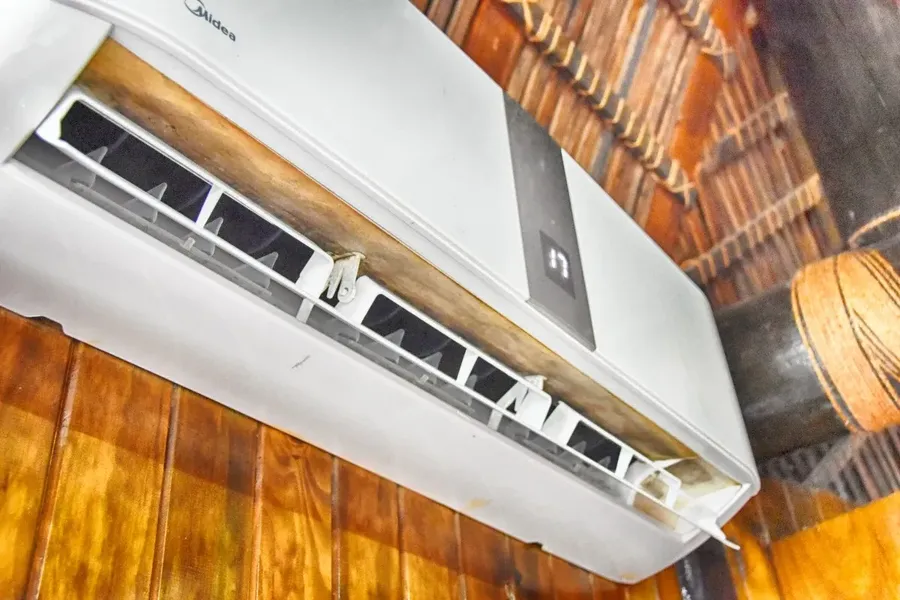
Air-conditioning machines have to work extra hard when set in larger spaces… And there is no larger space than the great Vanuatu outdoors!
Make sure to keep your doors and windows closed when cranking up the A/C in your room. It will significantly reduce your power usage. Better yet, switch off the A/C, open the doors and windows at the front and back of the bungalow and use nature's A/C: the ocean breeze!
19.Bring Your Own Soap and Travel Soapbox
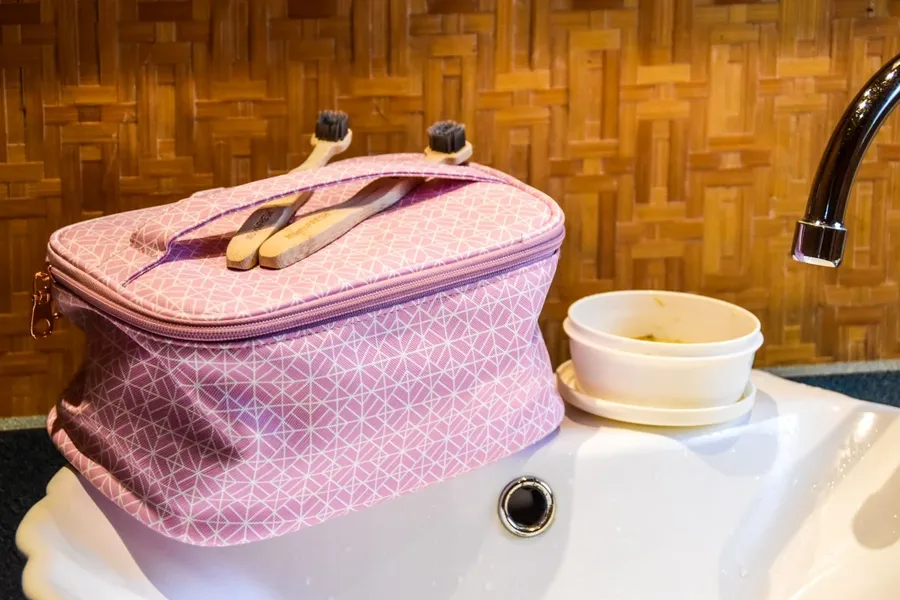
Instead of using mini-toiletries in your accommodation that are extremely plastic-inefficient, use your own soap (and reusable soapbox for easy travel)! Not only will it reduce waste, but it means that you can stick to your loved and trusted brand and avoid any nasty surprises.
20.If Using Accommodation Consumables, Take Any Leftovers with You
%20CREDIT%20VanuatuPocketGuide.com-900x601.webp?v=2026-03-07T23%3A12%3A48.277Z)
If you choose to use the mini-toiletries included in your resort’s room, take them with you when you leave. No matter how much of it you have used, it will be discarded by the housekeeping staff and that’d be a shame.
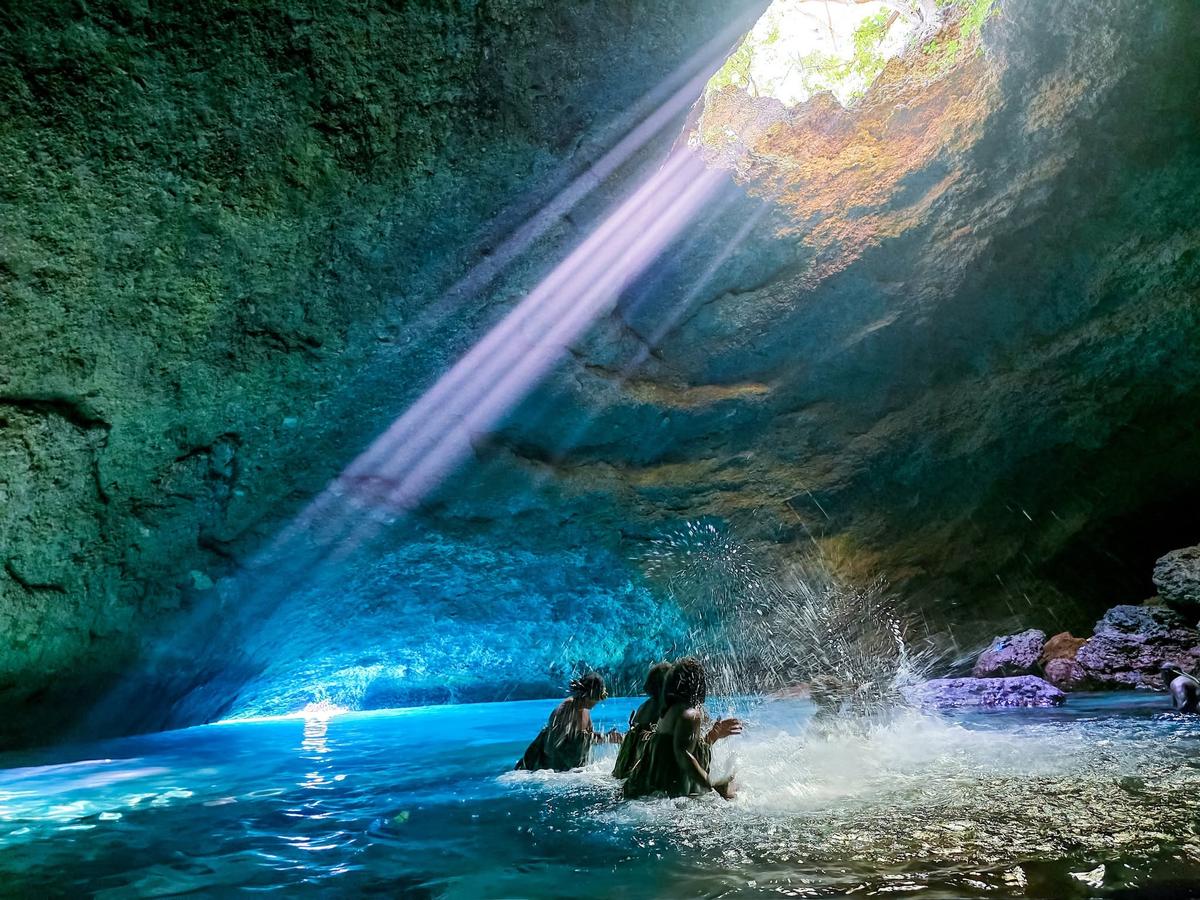
Editor's Choice
Blue Cave Tanna
Hidden along Tanna's rugged north-west coast, the Blue Cave is one of Vanuatu's most extraordinary natural secrets. Reached by a 30 to 40-minute boat ride from shore, this sea cave invites you to...
21.Pay Your Entry Fees for Tourism Sites
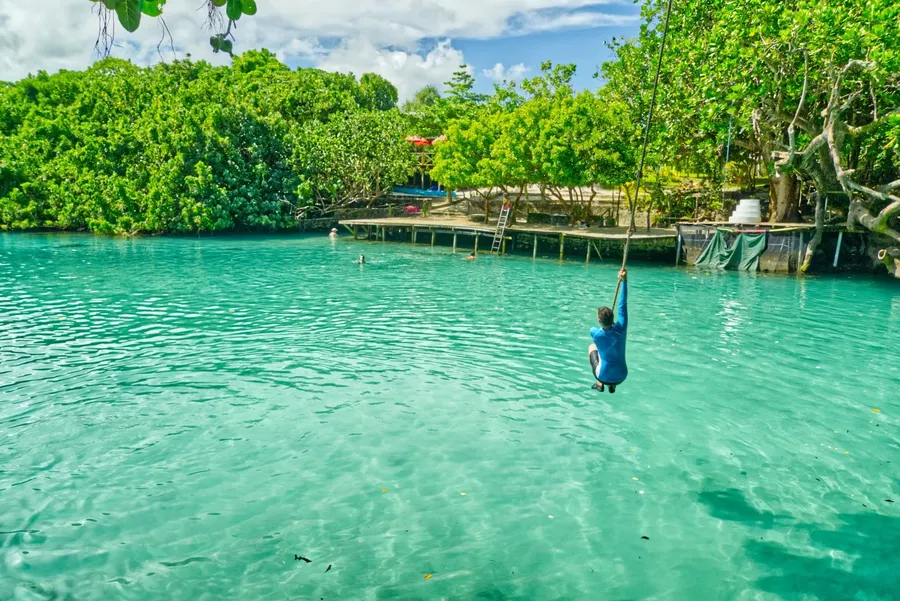
Land in Vanuatu is family or community-owned, so most natural attractions like blue holes, beaches and waterfalls have a small fee for access. Paying these fees helps support local communities, preserve natural areas and maintain cultural sites. What's more, locals maintain infrastructure like bathrooms and seating areas for the public to enjoy and keep contained to single spaces, rather than allow roaming around.
Rather than seeing it as a cost, consider it a contribution to protecting Vanuatu’s stunning beaches and unique landscapes.
Learn more about customary entry fees in our guide to Ni-Vanuatu Etiquette: Vanuatu Customs & Traditions.
22.Choose Low-Impact Tours
%20CREDIT%20VanuatuPocketGuide.com-900x496.webp?v=2026-06-03T03%3A48%3A44.987Z)
Some Vanuatu tour operators make more of an effort to offer travellers a more sustainable experience.
For example, Vanuatu Ecotours offers low-impact guided walks and kayaking and encourages guests to bring their own water bottles, while Vanuatu Jungle Zipline have a full recycling program up at their base.
Let's be honest, outer-island operators naturally live a more sustainable lifestyle. For example, outrigger tours with Eco Adventure Maskelyne, where you stay at island campsites, and guided walks like the Dog's Head or Manbush Trail have very minimal impact.
By picking tour operators that positively impact their surroundings, you’ll turn your trip into something good for you and the planet.
Learn more about the best tour operators in the 10 Best Snorkelling Tours in Vanuatu and 10 Best Kayak & Outrigger Canoe Tours in Vanuatu.
23.Shop Local
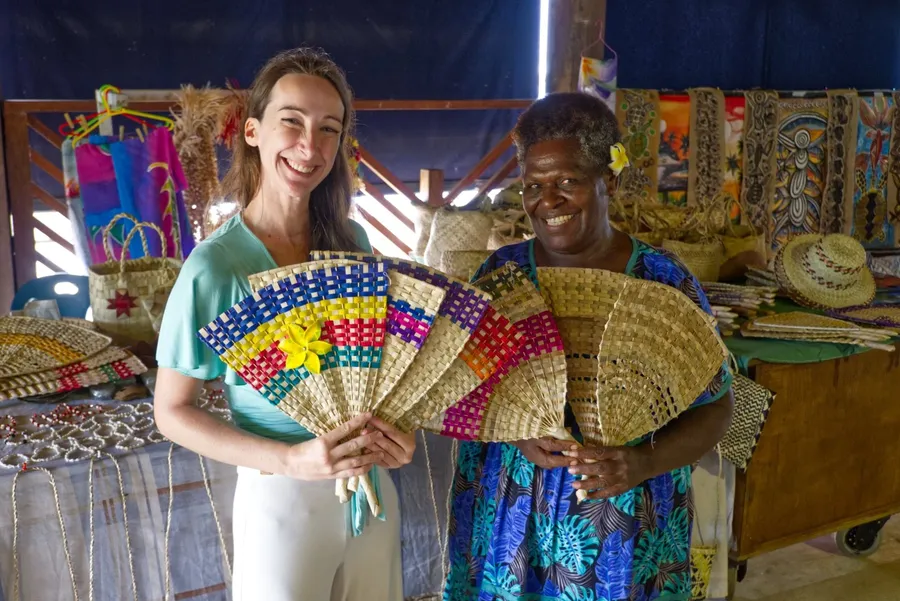
Vanuatu does a pretty good job at making authentic locally made handicrafts and souvenirs easily available but there are the odd shops where souvenirs are imported rather than locally made.
To support local artisans and reduce your environmental impact, ask which products are crafted in Vanuatu, such as handwoven baskets, wood carvings, shell jewellery and traditional mats, and choose sustainable, locally made gifts instead of mass-produced plastic items.
Check out some local gifts in the 10 Best Souvenirs & Gifts from Vanuatu.
24.Take in the Scenery
-SEB%20CREDIT%20VanuatuPocketGuide.com-900x600.webp?v=2026-03-08T00%3A55%3A09.007Z)
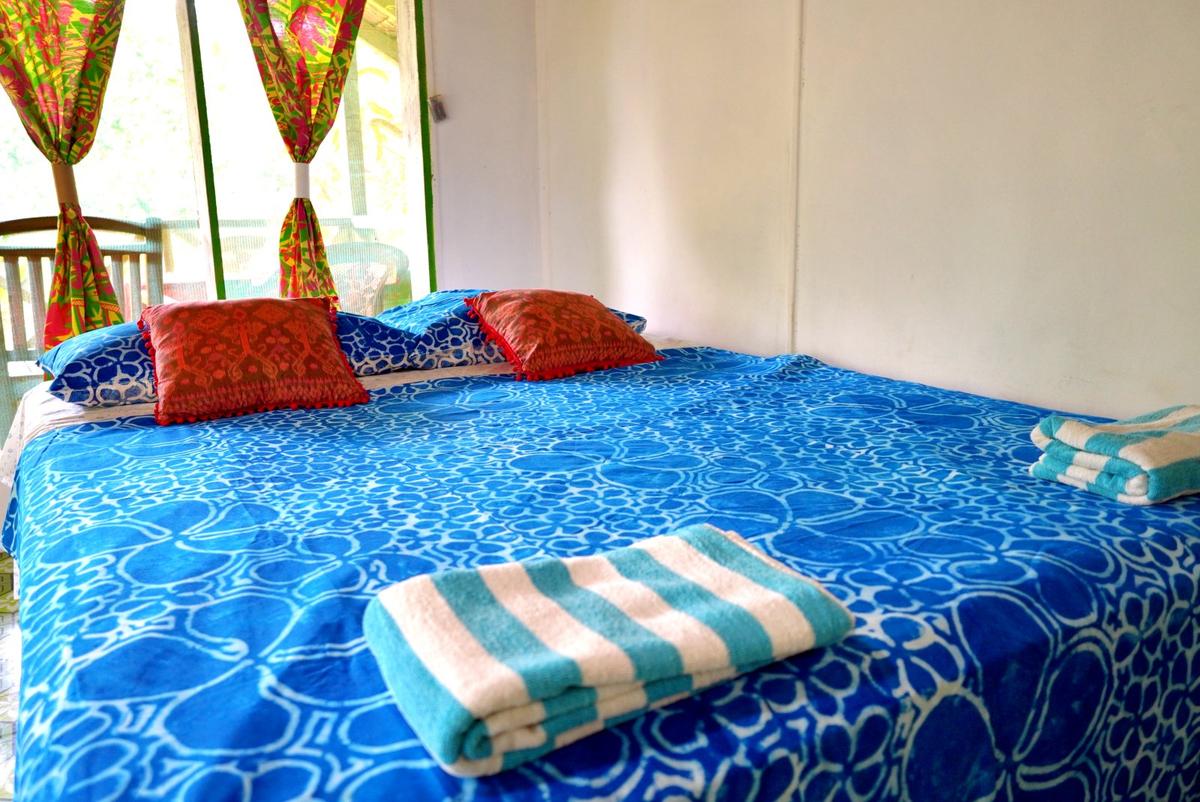
Going on a walk, snorkelling and relaxing by the beach are not just some of the most memorable experiences in Vanuatu, but they are also some of the most sustainable.
The scenery above and below the surface is, arguably, the country’s biggest selling point, so why not enjoy it without the fluff of, say, a motor-powered tour?
Where to Stay
Havannah Eco Lodge
Family Room · Couple Room
AU$120/night
25.Do Not Stand on Coral
-U%20CREDIT%20VanuatuPocketGuide.com.webp?v=2026-03-08T01%3A06%3A43.406Z)
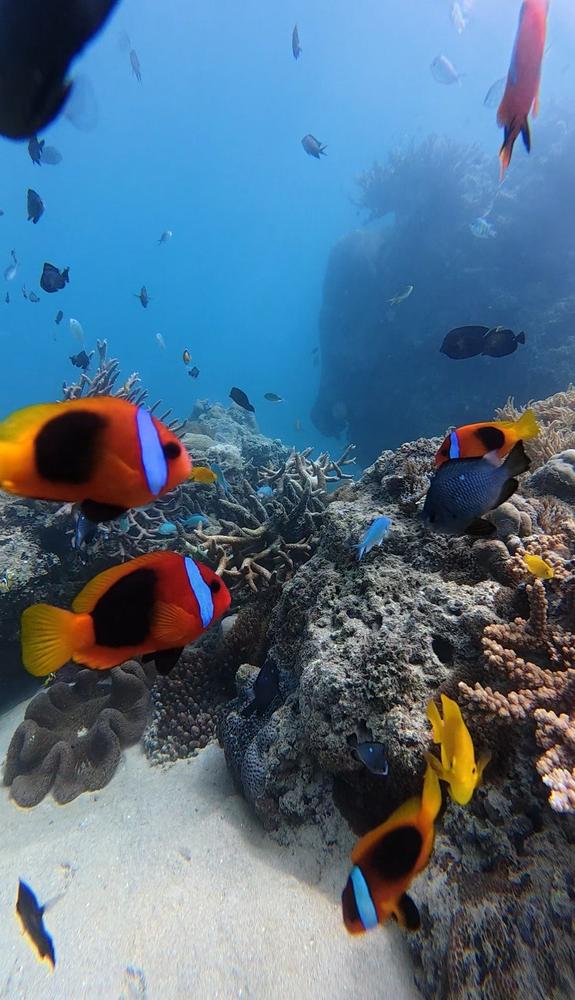
Speaking of snorkelling and relaxing at the beach, another thing to be mindful of when looking to travel more sustainably in Vanuatu is how you impact coral. Try not to stand on coral or break any with your fins; it takes years to regrow.
Enjoy coral from a safe distance. Besides, there is some marine life you will not want to touch anyway, as outlined in our Vanuatu Safety Tips: Is it Safe to Travel to Vanuatu?
26.Dispose of Waste Responsibly
Visitors to Vanuatu may be surprised by the occasional litter along roads and beaches, an issue that communities are actively addressing.
Public education and local waste management initiatives take time, but positive efforts are visible, especially between villages, where cleanup drives are often led by the local chiefs and community groups.
If you see stray litter, do your part, pick it up and dispose of it properly. This helps keep Vanuatu’s islands clean, beautiful and safer for both people and wildlife.
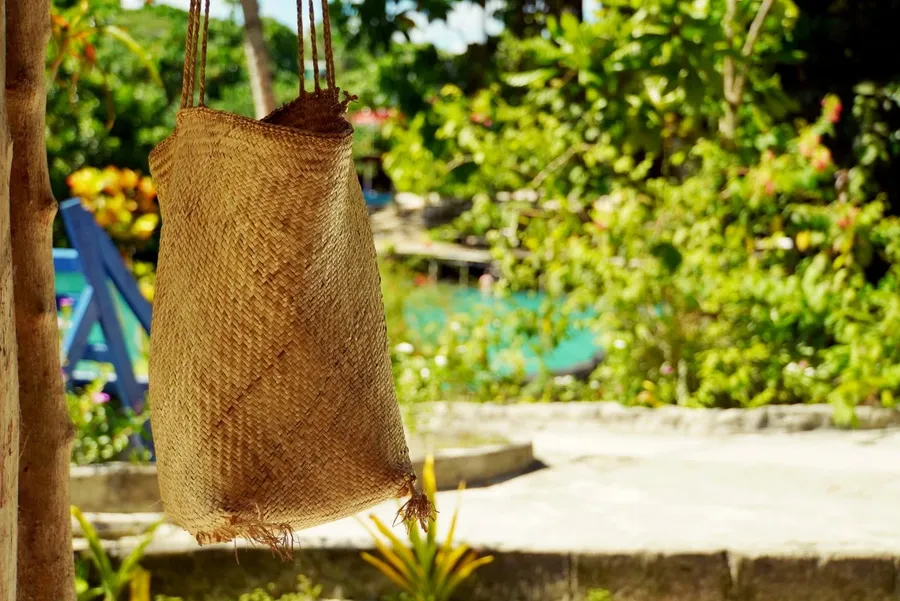
We like the baskets hung up at attraction like Blue Lagoon, hung up to pop your litter in.
27.Do Not Be Afraid to Say “No” to Plastic in Restaurants
%20CREDIT%20VanuatuPocketGuide.com-900x601.webp?v=2026-03-07T22%3A36%3A40.753Z)
In Vanuatu, many restaurants and cafés still rely heavily on plastic straws, utensils, and single-use containers. Even when biodegradable options are offered, they often end up in landfill anyway, where they break down slowly or not at all.
It can feel a little awkward declining plastic items, but politely saying “no thanks” to extra cutlery, straws or bags you don’t need makes a real difference. Bring your own reusable alternatives, or drink straight from the cup when possible.
Locals and staff are used to visitors doing this, and you’ll likely find it easy to adopt these simple, sustainable habits while dining across Vanuatu.
28.Eat Local
%20CREDIT%20VanuatuPocketGuide.com-900x601.webp?v=2026-03-07T22%3A43%3A49.991Z)
When travelling, there’s no need to have the same imported treats from home. Try something local! Fresh locally sourced ingredients are better for the environment than those that had to travel far (and emit a lot of carbon) to get here.
Plus, you’ll hardly regret trying some of the local delicacies!
Check out some local eats in the 10 Best Foodie Experiences in Vanuatu and Traditional Ni-Vanuatu Food: 20 Foods to Try in Vanuatu.
Editor's Choice
Pacific Reef Sportfishing
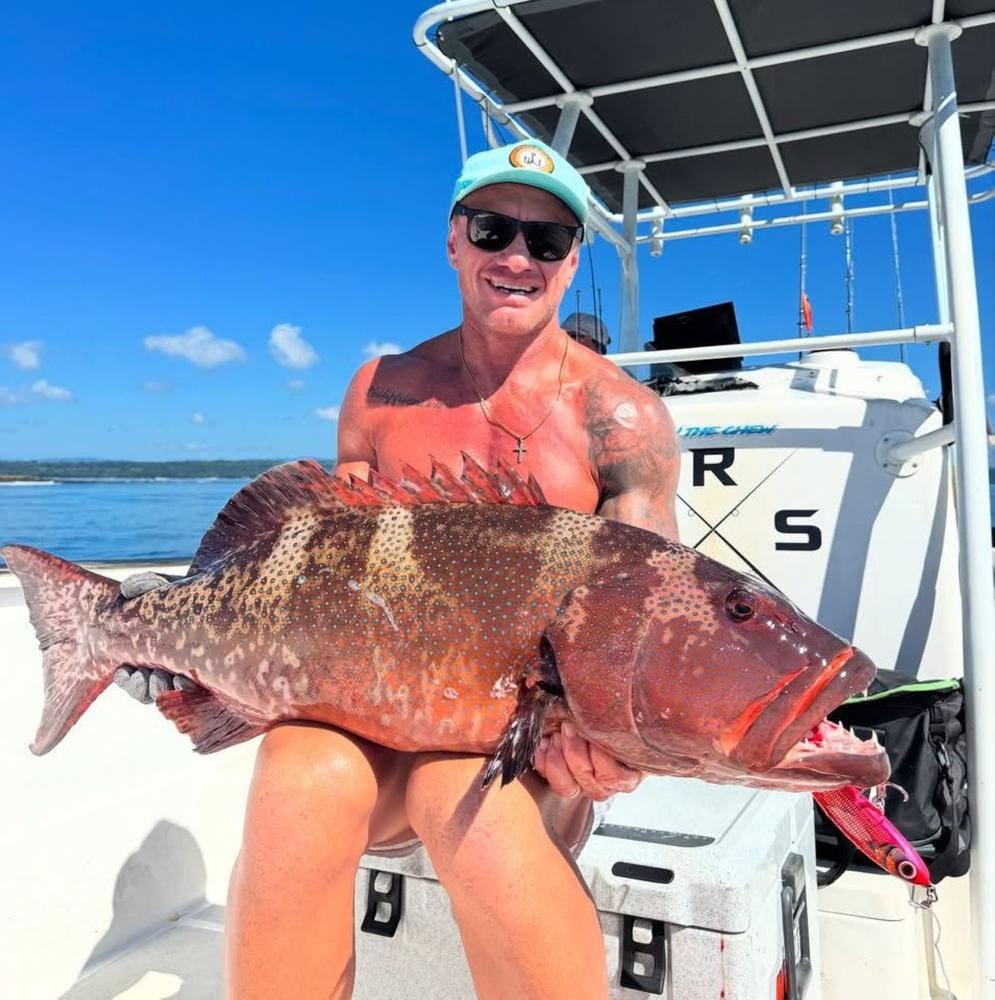
Spend eight hours on the water chasing some of Santo's most sought-after sport fish with Pacific Reef Sportfishing. From hard-fighting Dogtooth Tuna and Giant Trevally to Mahi Mahi, Wahoo, and...
29.Try Vegetarian or Vegan Food
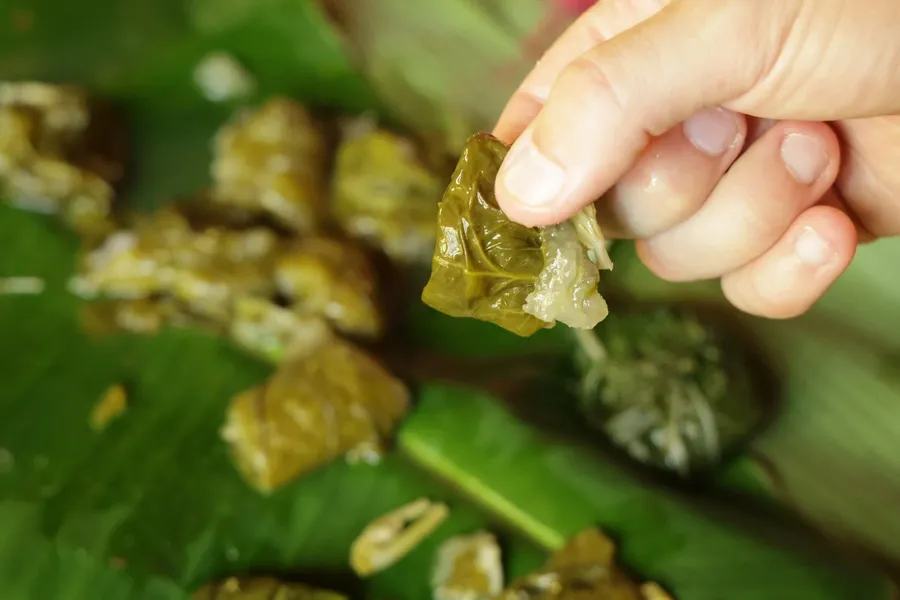
Travelling is a great opportunity to try new things. You may have heard that plant-based food is easier on the planet, so why not give a shot at a vegetarian meal or two during your trip?
You may discover something new and delicious. Plus, it will help reduce your impact in a multitude of ways. See some fantastic options in our guide, Vanuatu for Vegans & Vegetarians + 10 Best Restaurants.
30.Use Your Reusable Water Bottle
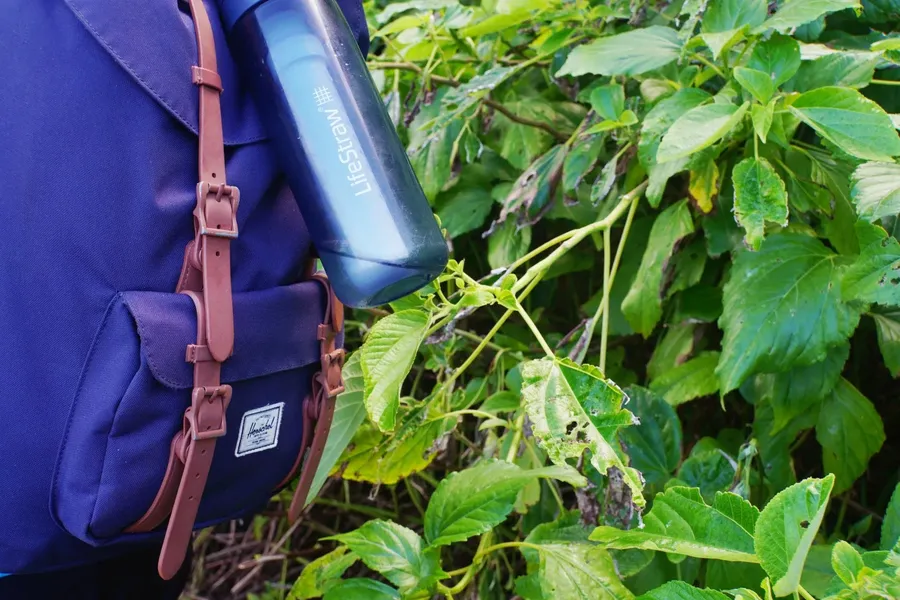
Water is a bit of a tricky one when it comes to sustainability when travelling in Vanuatu. Using a normal reusable water bottle and refilling it at any old tap in Vanuatu could well lead to some health issues, so buying bottled water might seem like the only safe solution.
However, our team travel the islands without having to buy bottled water thanks to water purification bottles like Lifestraw. They might be expensive upfront, but they pay for themselves time and time again (and eliminate the stress of finding shops when you're parched).
See Is the Water Safe to Drink in Vanuatu? for a much deeper dive into the subject.
More About Travelling Sustainably in Vanuatu
That's it for our epic list of ways to travel more sustainably in Vanuatu. For more tips for your travel in Vanuatu, check out the following guides:
- A Traveller's Guide to the Ni-Vanuatu Culture
- The Complete Travel Guide to Vanuatu
- Where to Stay in Vanuatu
Finally, get even more tips for your trip using the 30 Tips for Travelling in Vanuatu.

%20CREDIT%20VanuatuPocketGuide.com-900x601.webp?v=2026-06-11T01%3A28%3A52.090Z)
-CUNL%20CREDIT%20VanuatuPocketGuide.com-900x600.webp?v=2026-03-08T01%3A22%3A10.914Z)