
%20CREDIT%20VanuatuPocketGuide.com.webp?v=2026-03-08T00%3A17%3A40.816Z)
The Animals and Birds You'll See in Vanuatu
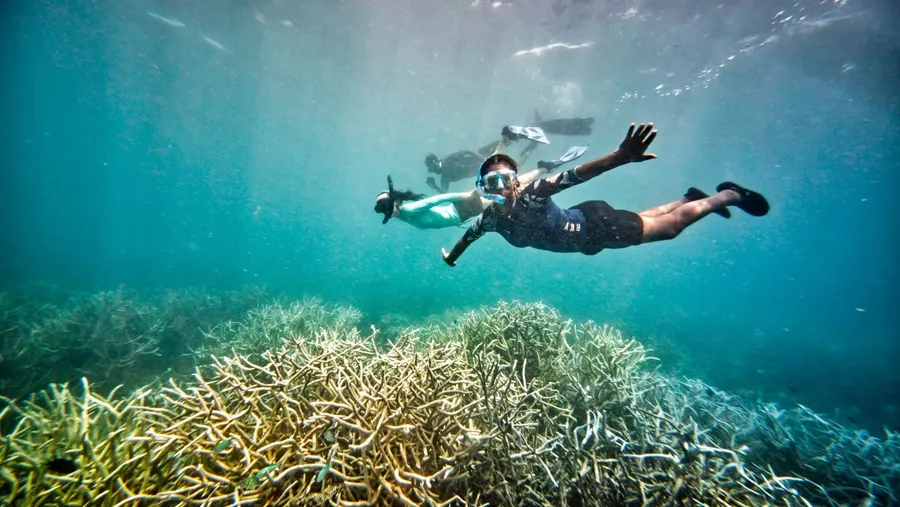
From forest birds found nowhere else on Earth to coconut-cracking crabs, night-flying fruit bats and gentle sea cows grazing the shallows, Vanuatu’s wildlife is full of surprises. Some animals are easy to spot around resorts and coastlines, while others take patience, a keen eye or a lucky moment in the right habitat.
This guide introduces ten animals and birds found across Vanuatu, from colourful endemic species like the Vanuatu kingfisher to marine icons like turtles and dugongs, plus the smaller creatures that make island life so wonderfully lively after dark. You’ll also find a few practical tips on where to look, how to observe wildlife responsibly and when to simply stand back and let nature do its thing.
So, binoculars ready? Let’s meet some of the creatures that call Vanuatu home.
This article is based on real on-the-ground research, not on AI scraping old content from the internet. Learn how we use AI!
Table of Contents
1.Dugong (Bulok Blo Solwota)
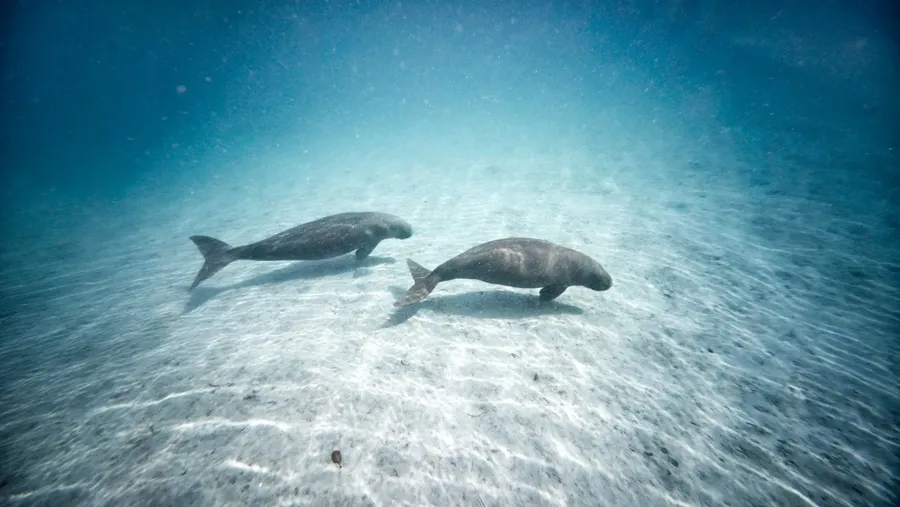
The dugong, known in Bislama as bulok blo solwota or “sea cow”, is one of Vanuatu’s most memorable marine animals. Slow-moving, gentle and wonderfully odd-looking, dugongs are more closely related to elephants than dolphins, which somehow makes their big whiskery faces even better.
Dugongs graze on seagrass meadows, using their sensitive bristly snouts to “mow” the seabed as they feed. In fact, their feeding trails can sometimes be seen as clear paths through the seagrass, like someone has taken a tiny underwater lawnmower for a spin.
They can be seen around Vanuatu, including Efate and Santo if you’re lucky, but Malekula is one of the more consistent places for dugong encounters. As with all wildlife, sightings are never guaranteed, so treat it as a bonus rather than a box to tick.
If you do see a dugong while swimming, snorkelling, kayaking or boating, keep your distance, move calmly and avoid chasing or crowding it. Dugongs need peaceful seagrass habitats to feed, rest and raise calves, so the best encounter is one where the bulok blo solwota barely notices you’re there.
2.Turtles (Totel)
%20CREDIT%20VanuatuPocketGuide.com-900x507.webp?v=2026-03-08T00%3A17%3A43.167Z)
Vanuatu’s coastal waters are home to four of the world’s seven sea turtle species: green turtles, hawksbill turtles, loggerhead turtles and leatherback turtles. In Bislama, turtles are known as totel, with names such as grin totel, hoksbil totel, lokahed totel and letabak totel used for different species.
You can encounter turtles around nearly every island in Vanuatu, especially where they feed and rest. Green turtles are often seen in seagrass meadows, while hawksbill turtles are more associated with coral reefs. During the summer months from October to March, some turtles also come ashore to nest on Vanuatu’s beaches.
If you’re lucky enough to see a turtle while swimming, snorkelling, diving, kayaking or boating, the golden rule is simple: give it space. Don’t chase, touch, feed, ride or block its way to the surface, and approach slowly from the side only if the turtle remains calm. Turtles need clear escape routes and regular access to breathe, so keeping your distance makes the encounter better for both you and the turtle.
It’s also worth knowing that turtles are protected under Vanuatu law. Harming, killing, consuming, selling, purchasing, exporting or disturbing turtles, hatchlings, eggs and nests is prohibited, as is holding turtles in captivity. In other words, admire the totel, take the memory with you and leave the turtle to go about its very ancient, very important business.
Increase your chance of a turtle encounter by checking out The Best Snorkelling in Vanuatu: Top 15 Places to Snorkel.
3.Flying Fox/Fruit Bat (Waet Flaeng Fokis)
Mount Marou Adventure Tours
from VT 2000
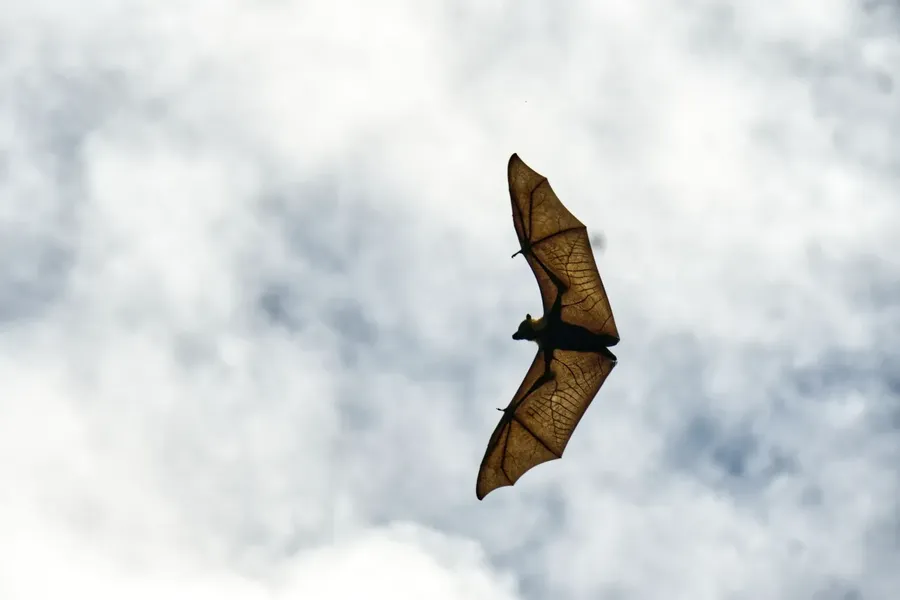
Believe it or not, flying foxes, or fruit bats, are Vanuatu’s only native land mammals. Everything else with fur on land was introduced by humans, which makes these night-flying locals pretty special.
There are several types of flying fox found in Vanuatu, from the huge Vanuatu giant flying fox with a wingspan of almost 2 m (6.6 ft), to the much smaller long-tailed fruit bat, which is around 10 cm (4 in) long and has a tail that helps stabilise it in flight.
Flying foxes play a vital role in island ecosystems. They feed on fruit, nectar, blossoms and pollen, helping to pollinate trees and spread seeds as they move through the forest at night. Some can fly up to 50 km (31 mi) in search of food, which makes them rainforest gardeners with wings (and, frankly, better night vision than most of us after one coconut cocktail).
You’re most likely to notice flying foxes at dusk, when they begin moving between roosting trees and feeding areas. For more after-dark ideas while you’re in the islands, take a look at the 10 Best Things to Do in Vanuatu at Night.
4.Coconut Crab (Krab Kokonas)
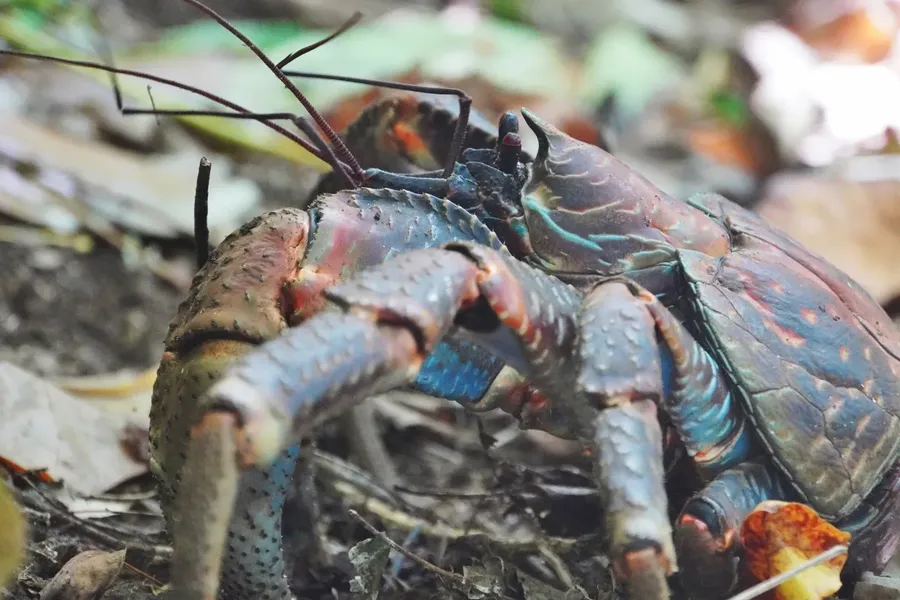
The coconut crab, known locally as krab kokonas, is the world’s largest land-dwelling arthropod, and yes, it’s every bit as impressive as that sounds. These remarkable creatures begin life as tiny hermit crabs, moving from shell to shell as they grow, before eventually abandoning the shell life entirely.
Once mature, coconut crabs roam inland, hide away during the day and come out mostly at night. They can live for decades, with some reaching up to 80 years old, which makes them more like ancient island elders than your average beach crab.
Their party trick? Cracking coconuts. With powerful claws, a strong sense of smell and surprisingly good climbing skills, coconut crabs can scale trees and feed on coconut flesh with ease. Imagine a crab in a tree and you’re halfway to understanding why Vanuatu’s wildlife is never boring.
Sadly, overharvesting has led to coconut crabs disappearing from many Pacific islands, so responsible sourcing matters. You may still find coconut crab on the menu at some restaurants in Port Vila, but it’s worth asking where it comes from and whether it has been harvested sustainably.
For more local flavours, see the 10 Foods to Try in Vanuatu.
Editor's Choice
Mount Marou Adventure Tours
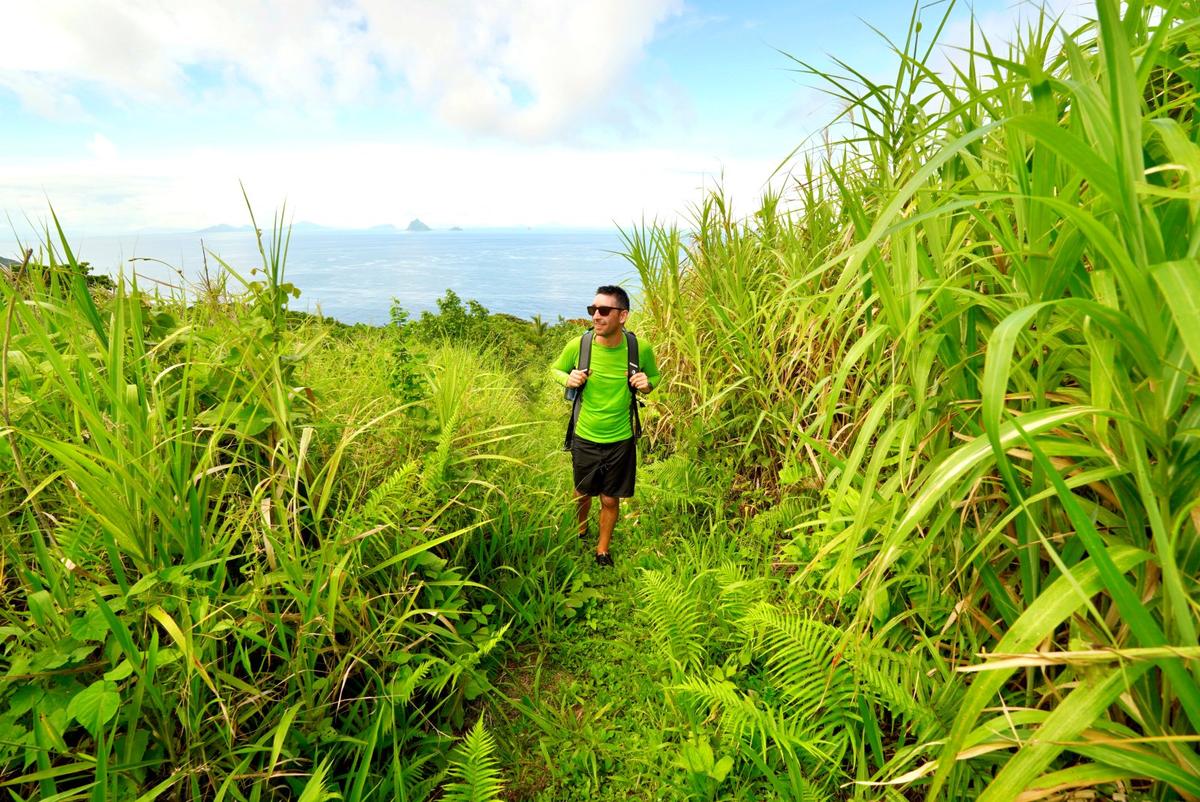
Head to Nguna Island and take on Mount Marou with a local guide from the community-based team at Mount Marou Adventure Tours. This guided hike brings you to the summit where sweeping views stretch...
5.Vanuatu Kingfisher (Nasiko)
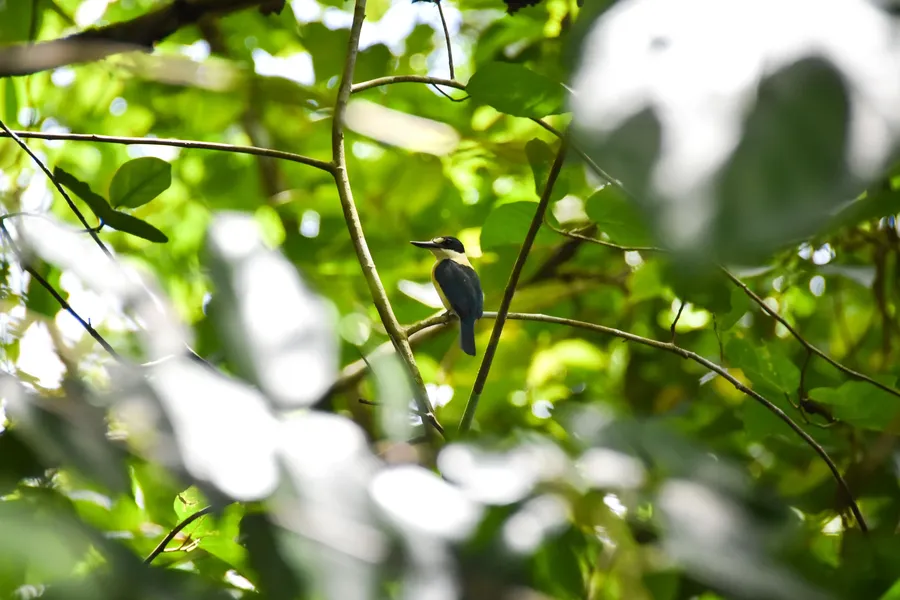
The Vanuatu kingfisher, also known as the chestnut-bellied kingfisher, is a colourful little stunner found only in Vanuatu. More specifically, it lives on Espiritu Santo, Malo and Malekula, so spotting one comes with that extra “you can’t see this just anywhere” bragging right.
This medium-sized kingfisher has dark blue upperparts, rich orange underparts, a white throat and collar, plus a bold black band along the side of the head. In other words, it’s dressed like it knew birdwatchers were coming.
Despite the “kingfisher” name, don’t expect it to spend all day dramatically diving into rivers. The Vanuatu kingfisher mainly feeds on insects, especially beetles, but it will also take spiders and small lizards. It usually hunts by perching quietly on a branch before darting out to grab prey from the air, ground or a tree trunk.
Your best chance of seeing one is in dense inland rainforest, particularly above 200 m (660 ft). Sadly, this endemic bird is believed to be declining due to forest loss and degradation, making every respectful sighting feel that little bit more special.
For alternative kingfisher sightings, look out for the Pacific kingfisher near Green Lake on Efate.
6.Swamp Harrier (Mal/Igol)
Blue Cave Tanna
from AU$108
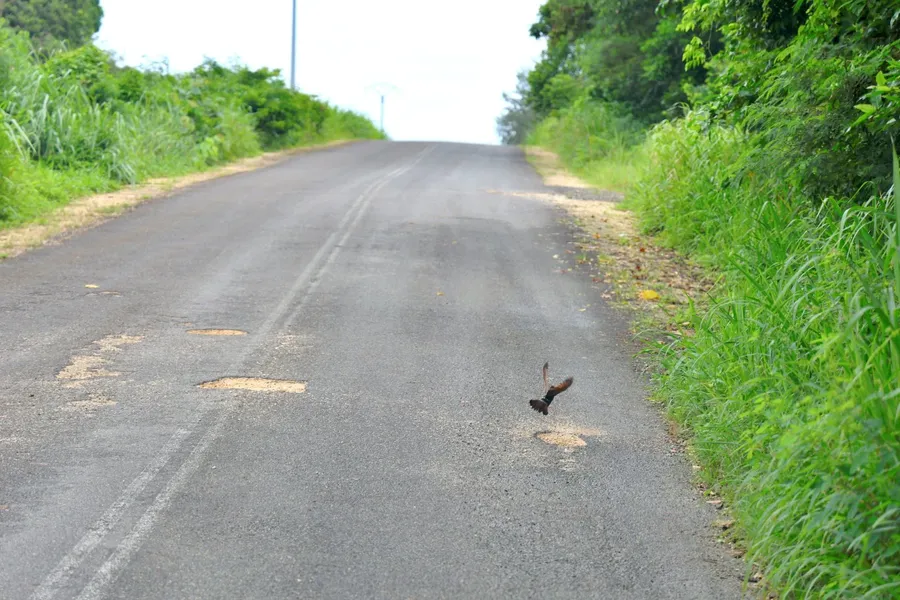
The swamp harrier is one of the easiest birds of prey to recognise in Vanuatu, especially when it’s gliding over wetlands, open country or coastal areas with its wings held in a shallow “V”. It’s also the largest raptor in the region, so when one drifts overhead, typically over the roads in Efate and Santo, it tends to get your attention.
Like many harriers, it patrols low and steady while searching for food, making it a good one to look out for on road trips, village walks and open-country detours. Basically, scan the sky whenever the landscape opens up and something large is circling with purpose.
The swamp harrier is just one of several raptors found across Vanuatu. Other birds of prey include the lightning-fast peregrine falcon, the agile brown goshawk, the chestnut-and-white Brahminy kite and the nocturnal barn owl, which takes over the hunting shift after dark.
Together, these raptors play an important role in the islands’ ecosystems, hunting everything from insects and small birds to rodents, geckos and other small prey. For travellers, they’re a reminder to look up as well as down, because Vanuatu’s wildlife isn’t only hiding in reefs and rainforests.
7.Reef Heron (Longnek/Longfala Nek)
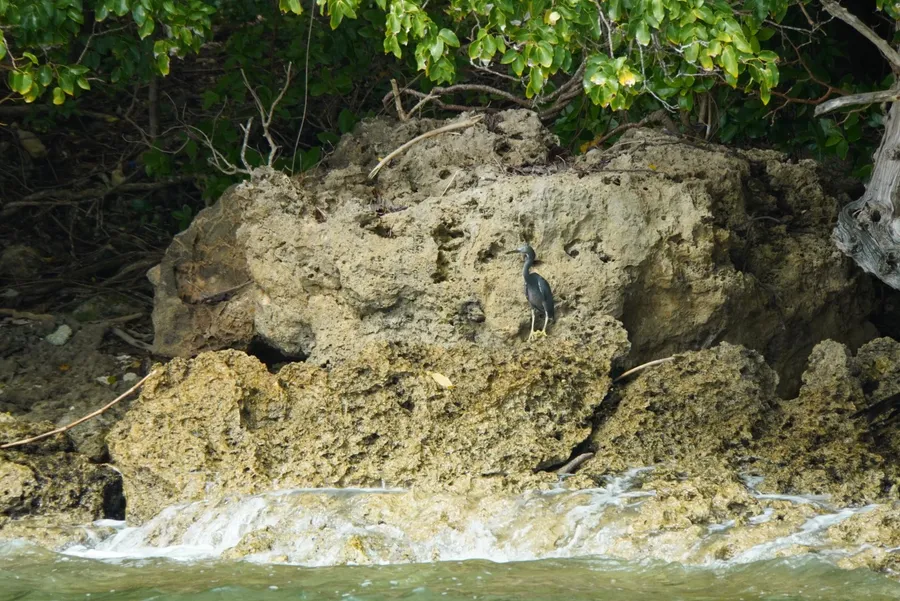
The Pacific reef heron, also known as the eastern reef egret, is a stocky coastal wading bird that you have a good chance of spotting around Vanuatu’s rocky shorelines, reefs and saltwater mangroves. We saw one on Moso Island, doing exactly what reef herons do best: standing still enough to look decorative, then suddenly striking at something in the shallows.
One of the fun things about reef herons is that they come in two colour forms. Some are completely white, while others are charcoal-grey or slate-grey, and both can be seen in the same coastal areas. Same bird, different outfit. Very island casual.
Reef herons usually stay close to the coast rather than heading inland, stalking shallow water for fish, crabs and other small marine life. Look for them on exposed rocks, reef flats, breakwalls and quiet edges of mangroves, especially when the tide is low.
They are territorial and non-migratory, so once you know what to look for, you’ll start noticing them all over the place. Consider it a gentle reminder that sometimes the best wildlife encounters are not deep in the jungle, but right there on the rocks while you’re waiting for the boat.
8.Tiger Spider (Spaeda)
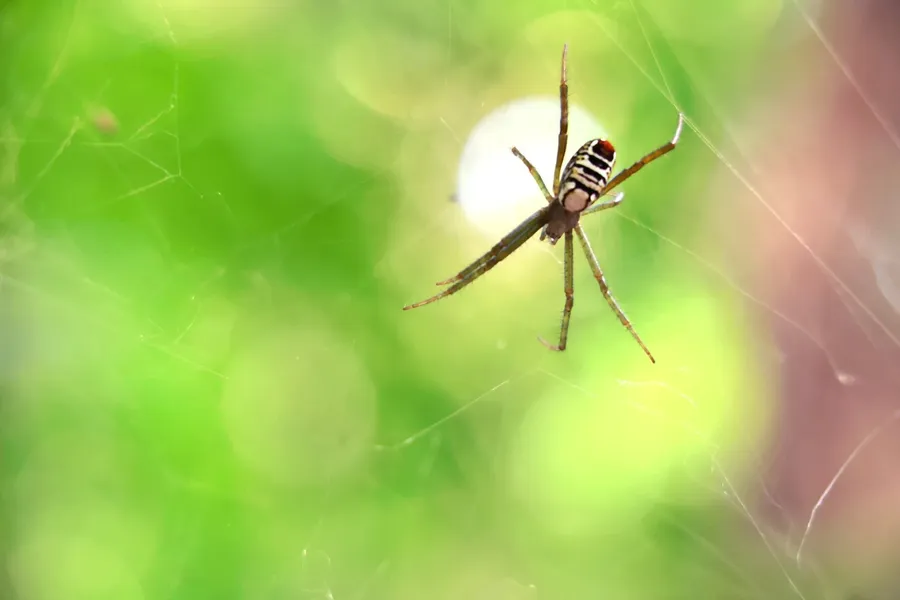
The tiger spider is one of those Vanuatu creatures you’re more likely to spot once you slow down and start looking closely at the greenery. With its striped body, long legs and delicate web, it’s a small but striking reminder that the islands’ wildlife isn’t all found in the sea.
You’ll often see spiders like this suspended in webs around gardens, forest edges and outdoor spaces, especially where insects are plentiful. The “tiger” part of the name comes from its bold striping, which makes it look far more dramatic than its usual day job: waiting patiently for flies, moths and other small insects to wander into the web.
Like many orb-weaving spiders, tiger spiders help keep insect numbers in check, so they’re worth appreciating from a respectful distance rather than swatting away. Their webs can be surprisingly fine and easy to miss too, which is why the classic South Pacific bushwalk move is to suddenly stop, flail gently and pretend you meant to do that.
As with any spider you can’t confidently identify, look but don’t touch. Take a photo, admire the pattern and let Vanuatu’s tiny pest-control specialist get back to work.
Where to Stay
Tanna Lava View Bungalows
Bungalow
AU$120/night
9.Geckos (Geko/Bigae)
Sailing Vanuatu
from AU$229
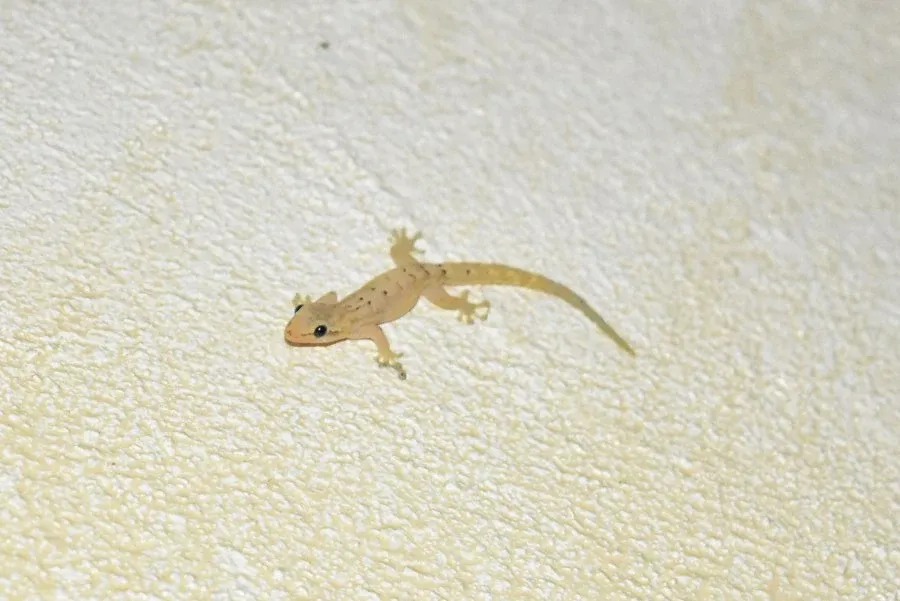
Vanuatu is home to a surprisingly diverse mix of geckos, from the little lizards you see darting around lights at night to rare species found nowhere else in the world. They’re the classic tropical house guest: quiet, quick and usually doing you a favour by snacking on insects.
Some of Vanuatu’s more unique geckos include the Vanuatu scaly-toed gecko, a forest-dwelling species found only in the archipelago, and the Vanuatu ant-nest gecko, a tiny species known only from Santo. There’s also the Vanuatu saw-tailed gecko, along with wider-ranging Pacific species such as the Pacific dtella and the striking banded gecko, which can reach around 25 cm (10 in) in length.
You’ll often spot geckos around accommodation, gardens, trees and outdoor lights, especially after dark when insects are at their most tempting. That sudden chirp from the wall? Very likely your tiny reptile roommate clocking in for the night shift.
As with most small wildlife in Vanuatu, the best approach is to leave them be. Watch them hunt, enjoy their acrobatics and let them continue their excellent work as natural mosquito-and-moth control.
10.Rhinoceros Beetle
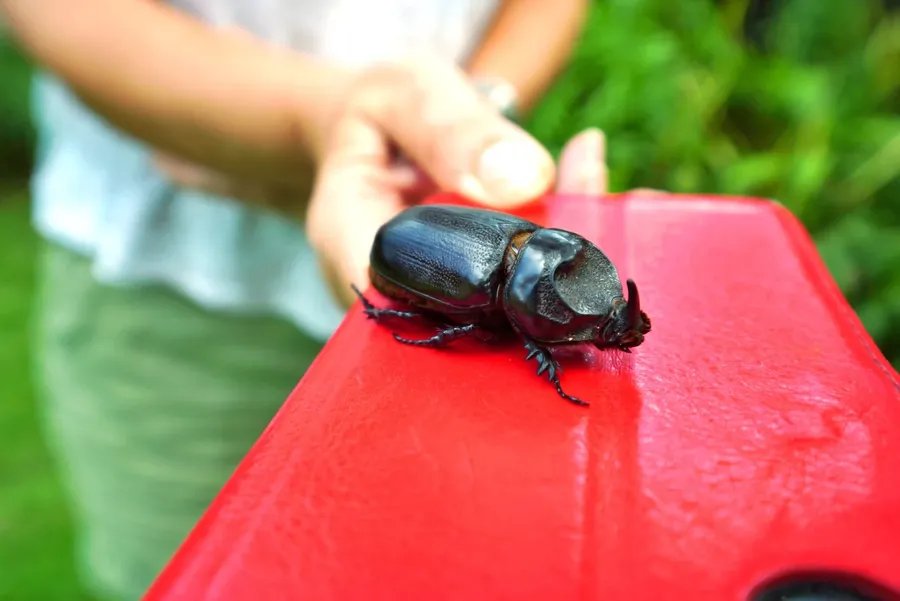
The rhinoceros beetle might look like a tiny armoured tank with a fancy horn, but in Vanuatu it has become a very serious pest. On Efate, you’ll notice plenty of coconut palms with their crowns chewed out or looking like they’ve had a very bad haircut. That damage is often linked to rhinoceros beetles feeding in the growing point of the palm.
Adult beetles bore into the tops of coconut trees, damaging the new fronds before they unfold. The result is that distinctive ragged, V-shaped damage in the leaves, and in severe cases, the whole crown can die. Not ideal in a country where coconuts are part of daily life, food culture and the classic “yes, we are definitely in the tropics” scenery.
The good news is that the outbreak has not spread everywhere. Islands such as Santo and Malekula have not been affected in the same way as Efate, which is why interisland biosecurity matters. Beetles, larvae or eggs can accidentally hitch a ride in soil, green waste, coconut husks, plant material or tucked-away organic matter.
So, when travelling between islands, keep an eye on your belongings and avoid carrying coconuts, plants, soil or garden waste from one island to another. It’s not the most glamorous travel tip, we’ll admit, but helping stop the spread of a coconut-killing beetle is a pretty solid contribution to island life.
11.White-Rumped Swiflet
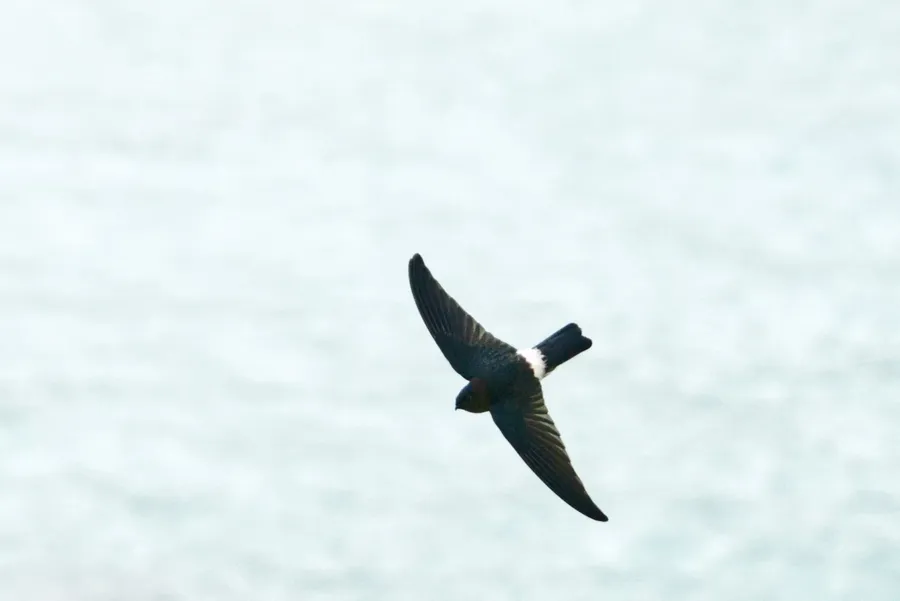
The white-rumped swiftlet (Aerodramus spodiopygius) is one of those birds you’re far more likely to notice as a blur in the sky than sitting conveniently still for a photograph. Its most useful identifying feature is the broad pale-white rump, which flashes into view as the bird twists and turns in flight.
These small, fast-flying birds spend much of the day catching insects on the wing, picking off flies, planthoppers, termites, beetles and other tiny aerial snacks. Look for them above forests and open country or around cliffs and caves, where their speed can make following one with binoculars something of a workout.
White-rumped swiftlets breed together in caves and other dark places, building nests from plant material held together with saliva. Even more impressively, they are among the birds known to use echolocation, producing audible clicks to help them navigate in darkness.
The species is native and resident in Vanuatu and is currently classed as Least Concern. If you’re trying to identify one, concentrate on that pale rump in flight rather than waiting for the bird to slow down. It probably won’t.
12.Snowflake Moray
-U%20CREDIT%20VanuatuPocketGuide.com-900x507.webp?v=2026-08-14T19%3A41%3A34.004Z)
Friendly Tours and Transfers
from AU$130
With its pale body covered in branching dark markings and yellowish spots, the snowflake moray (Echidna nebulosa) is one of the easier reef eels to recognise. It’s also known as the starry moray and is native to Vanuatu.
Snowflake morays live around coral reefs, shallow lagoons and reef flats, usually spending much of their time tucked into gaps between rocks and coral. That means you may spot little more than a patterned body disappearing into a crevice while snorkelling (sometimes wildlife likes to make you work for the full view).
They can reach around 1 m in length, although many of the individuals you encounter in shallow water are smaller. Snowflake morays are mainly active at night and feed particularly on crustaceans.
Their teeth are another interesting difference from many fish-eating morays. Instead of long fang-like teeth, snowflake morays have more rounded crushing teeth suited to tackling prey such as crabs.
For more wildlife to look out for beneath the surface, check out The Best Snorkelling in Vanuatu: Top 15 Places to Snorkel.
Editor's Choice
Blue Cave Tanna
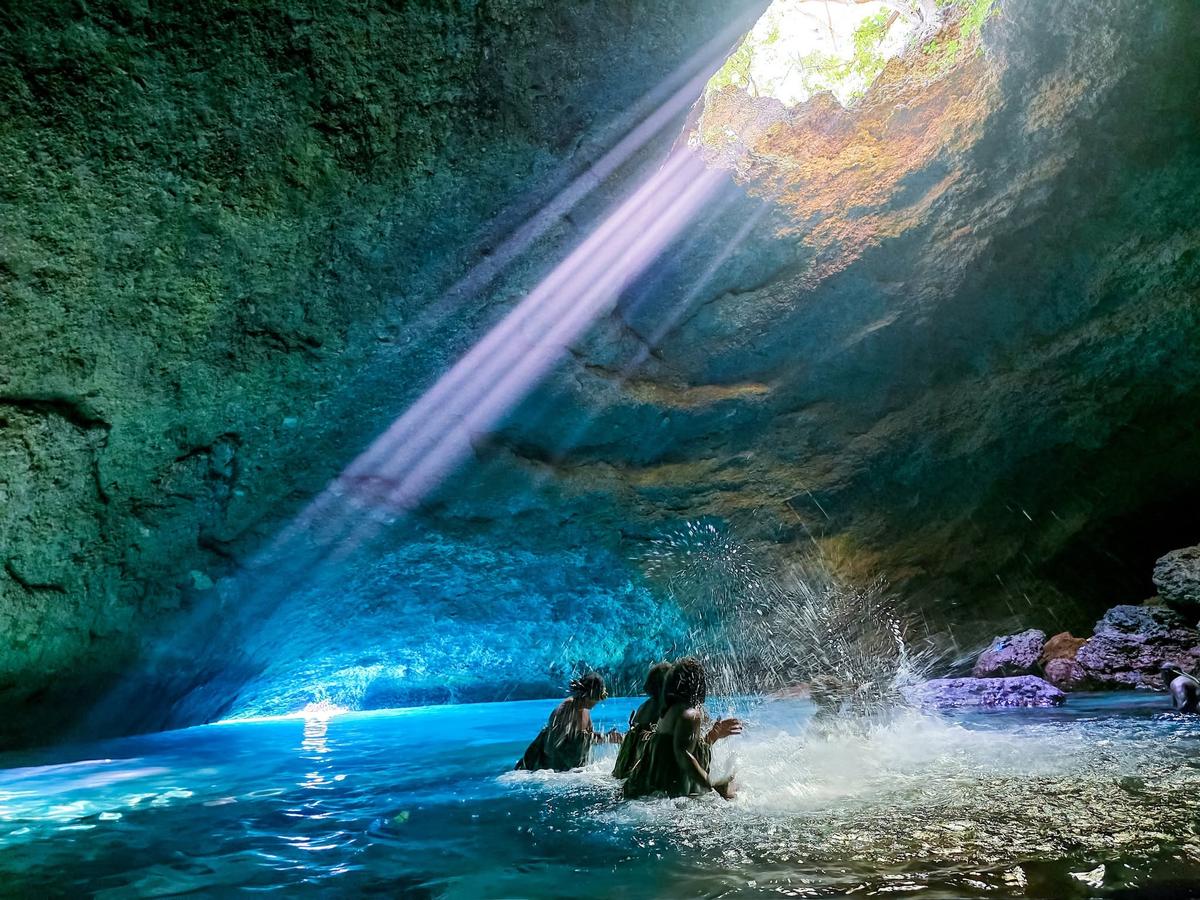
Hidden along Tanna's rugged north-west coast, the Blue Cave is one of Vanuatu's most extraordinary natural secrets. Reached by a 30 to 40-minute boat ride from shore, this sea cave invites you to...
13.Spinner Dolphin
-SEB%20CREDIT%20VanuatuPocketGuide.com-900x601.webp?v=2026-08-14T19%3A26%3A59.753Z)
The spinner dolphin (Stenella longirostris) is a relatively small, streamlined dolphin found in tropical and subtropical waters around the world, including Vanuatu. Adults generally reach around 1.4-2.1 m long, with a slender body, long narrow beak, pointed flippers and a fairly upright triangular dorsal fin.
One useful clue is their colouring. Spinner dolphins typically show a dark grey back, lighter grey sides and a much paler belly, creating a three-part pattern that can help distinguish them from bulkier bottlenose dolphins and spotted species.
Of course, their most memorable feature is the one that gave them their name. Spinner dolphins are famous for launching clear of the water and rotating through the air, sometimes completing several turns before splashing back down (show-offs, but we'll allow it).
They're highly social and can travel in groups ranging from just a handful of dolphins to much larger schools. Some island-associated populations feed offshore at night on small fish, squid and other deeper-water prey, then spend daylight hours resting in calmer coastal waters.
Spinner dolphins are confirmed from Vanuatu waters, so keep an eye out while travelling by boat between the islands. We've actually spotted them ourselves on the boat ride to Blue Cave in Tanna, which was a genuine highlight. Even when they're not spinning, their slim build and long beak can help set them apart.
14.Tanna Fruit Dove
%20CREDIT%20VanuatuPocketGuide.com-900x601.webp?v=2026-08-14T19%3A38%3A42.325Z)
Despite what its name suggests, the Tanna fruit dove (Ptilinopus tannensis) isn’t restricted to Tanna. The species is endemic to Vanuatu as a whole and can also be encountered on islands including Efate, Santo and Pentecost.
Adult males are particularly striking, combining a yellowish-olive face and green body with a bluish-grey bill and distinctive silvery patch around the shoulder. That feature also explains an older alternative name for the bird, the silver-shouldered fruit dove.
Tanna fruit doves are closely associated with forests and fruiting trees, but they aren’t limited to untouched rainforest.
As you might guess from the name, fruit makes up an important part of their diet. In the process of feeding and moving through the forest, the birds also help carry seeds from place to place.
The species is currently classed as Least Concern, although habitat loss remains a concern. For travellers, the main thing to remember is simple: don’t save your Tanna fruit dove spotting exclusively for Tanna. The bird clearly didn’t get the memo about its name.
15.Cardinal Myzomela
-SEB%20CREDIT%20VanuatuPocketGuide.com-900x601.webp?v=2026-08-08T18%3A55%3A57.970Z)
Tanna Lava View Bungalows
from AU$120/night
Few small birds in Vanuatu make quite the same first impression as a male cardinal myzomela (Myzomela cardinalis). Also known as the cardinal honeyeater, the male has a vivid scarlet-red head, neck and upper breast contrasting dramatically with black wings and darker underparts.
At around 13 cm long, it’s a tiny and highly active bird commonly associated with flowering trees, forest edges, gardens and mangroves. Its narrow bill is well suited to probing flowers for nectar, although small insects are also on the menu.
Females look completely different, being mainly greyish-olive rather than bright scarlet and black, so don’t assume every cardinal myzomela is going to arrive dressed for the occasion.
More About Animals and Birds in Vanuatu
That's it for our list of animals and birds found in Vanuatu. For more information about experiencing animals and birds while visiting Vanuatu, check out the following articles:
- 10 Best Walks & Hikes in Vanuatu
- 30 Ways to Travel More Sustainably in Vanuatu
- The Top 10 Natural Wonders in Vanuatu
Finally, plan more of your Vanuatu itinerary using the 101 Best Things to Do in Vanuatu: The Ultimate List.

%20CREDIT%20VanuatuPocketGuide.com-900x507.webp?v=2026-03-07T23%3A05%3A23.408Z)