
Fishing in Vanuatu: When to Go, Where to Go and What to Catch
Vanuatu is the kind of fishing destination that makes anglers start checking flight prices before they’ve even finished reading. With deep water close to shore, warm tropical seas and a line-up of serious sportfish, this is where you come to chase the big stuff: giant trevally, dogtooth tuna, yellowfin tuna, mahimahi, wahoo, marlin and more.
Whether you’re trolling offshore drop-offs, casting poppers over reef edges, jigging for hard-fighting monsters or heading out for a more relaxed reef fishing trip, Vanuatu delivers variety with a proper sense of adventure. It’s not always about catching fish by the bucketload, either. Here, the real thrill is the chance of hooking something powerful enough to make you question your life choices.
This ultimate guide to fishing in Vanuatu covers the best fishing styles, target species, charter options, rules, restrictions and handy tips to help you plan your trip. Just respect local customs, ask before fishing near villages or tabu areas and get ready for one of the South Pacific’s most exciting fishing playgrounds.
This article is based on real on-the-ground research, not on AI scraping old content from the internet. Learn how we use AI!
Table of Contents
Frequently Asked Questions About Fishing in Vanuatu
Before we jump into the thick of this ultimate guide to fishing in Vanuatu, here are a few commonly asked questions about fishing in paradise.
How Much is a Day Fishing Charter in Vanuatu?
A full-day fishing charter in Vanuatu typically costs around 85,000 VT to 97,000 VT, or roughly US$700-$800.
Half-day trips are usually around 50,000 VT to 65,000 VT, while shorter island fishing trips may start from around 30,000 VT.
Can You Fish in Vanuatu?
Yes, fishing is one of Vanuatu’s big-ticket adventure activities, with charters targeting giant trevally, dogtooth tuna, yellowfin tuna, mahimahi, wahoo, marlin and more.
Just respect local rules, avoid protected species and always ask permission before fishing near villages or tabu areas.
The Best Places for Fishing in Vanuatu
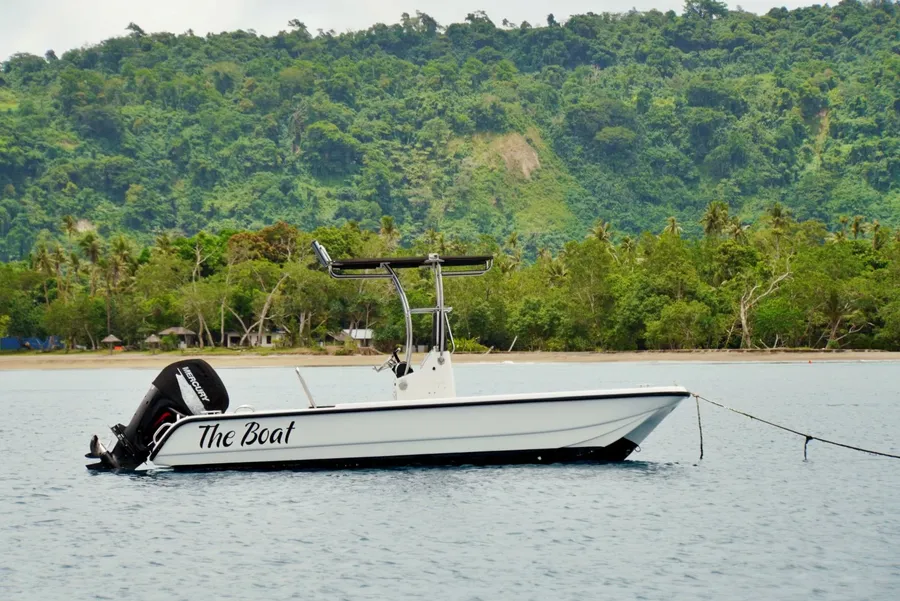
While you can find fishing opportunities throughout Vanuatu, the best-known fishing destinations are Efate, Espiritu Santo and, to a lesser extent, Malekula. Each offers a different experience, whether you're looking for an easy day trip from the capital, trophy-sized game fish or a more traditional island fishing adventure.
Efate
For most travellers, Efate is the easiest place to go fishing in Vanuatu. Home to Port Vila, the island has the widest selection of fishing charters, making it a convenient choice when staying in the capital or at nearby resorts.
Many fishing trips are operated by local Ni-Vanuatu guides from nearby islands, including Lelepa Island, offering everything from reef fishing to light game fishing. Day trips are easy to arrange, and some resorts even provide access to shore-based fishing.
Anglers can target yellowfin tuna, marlin, dogtooth tuna, skipjack tuna, mahimahi, wahoo, barracuda and giant trevally offshore, while reef fishing can produce coral trout, bream and a variety of other reef species. For more information on charter operators, check out the 10 Best Fishing Charters in Vanuatu.
Espiritu Santo
If you're chasing bigger fish, Espiritu Santo, more commonly known as just "Santo", is widely regarded as Vanuatu's premier game fishing destination. While the fishing may be less about numbers, many anglers visit Santo for the chance to hook trophy-sized fish in remarkably accessible waters.
One of Santo's biggest advantages is how quickly boats can reach productive fishing grounds. Depending on where you're staying, giant trevally and dogtooth tuna territory can be reached within minutes of leaving shore. Offshore fish aggregating devices (FADs) also attract species such as mahimahi, wahoo and billfish, creating excellent opportunities for trolling, jigging and topwater fishing.
The island also has accommodation geared specifically toward anglers, making it a popular choice for dedicated fishing holidays rather than casual day trips.
Malekula
Fishing tourism is much less developed on Malekula, but that's part of its appeal. Rather than a large charter industry, fishing here tends to be more closely connected to local communities and traditional island lifestyles.
The most established fishing experiences are around the Maskelyne Islands, where protected marine environments and relatively sheltered waters create opportunities for both game fishing and spearfishing. While visitors will find far fewer operators than on Efate or Santo, those looking for a more remote and authentic fishing experience may find Malekula particularly rewarding.
For travellers primarily interested in fishing, Efate offers the most choice, Santo delivers the best trophy-fishing opportunities and Malekula provides a more traditional and off-the-beaten-track experience.
Game Fish Species in Vanuatu
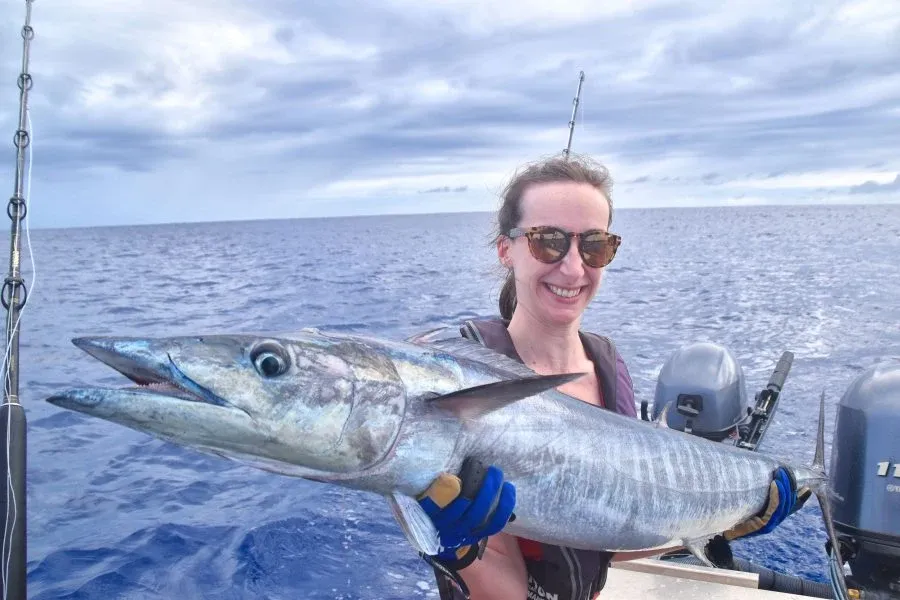
Vanuatu’s waters are home to many of the South Pacific’s big-hitting game fish species, with warm tropical conditions making most targets available year-round. The list includes:
- giant trevally
- dogtooth tuna
- yellowfin tuna
- mahimahi
- wahoo
- blue marlin
- black marlin
- striped marlin
- sailfish
- skipjack tuna
- barracuda
- red ruby snapper
- jobfish
- coral trout
- red bass
- bigeye tuna
Vanuatu is especially known for trophy-style fishing rather than huge-volume catches. In other words, you might not be reeling in fish every five minutes, but when something does hit, there’s a good chance it will make your arms question your life choices.
For big game anglers, blue marlin is one of the headline species, helped by deep water canyons close to shore where upwellings attract baitfish and, in turn, billfish. Black and striped marlin also frequent Vanuatu’s waters.
If casting poppers, working stick baits, or dropping jigs is more your thing, Vanuatu is also prime territory for giant trevally and dogtooth tuna. Around fish aggregating devices, commonly known as FADs, anglers can also target mahimahi, wahoo and tuna, while deep dropping opens up the chance of red ruby snapper and other deep-water species.
The Fishing Seasons in Vanuatu
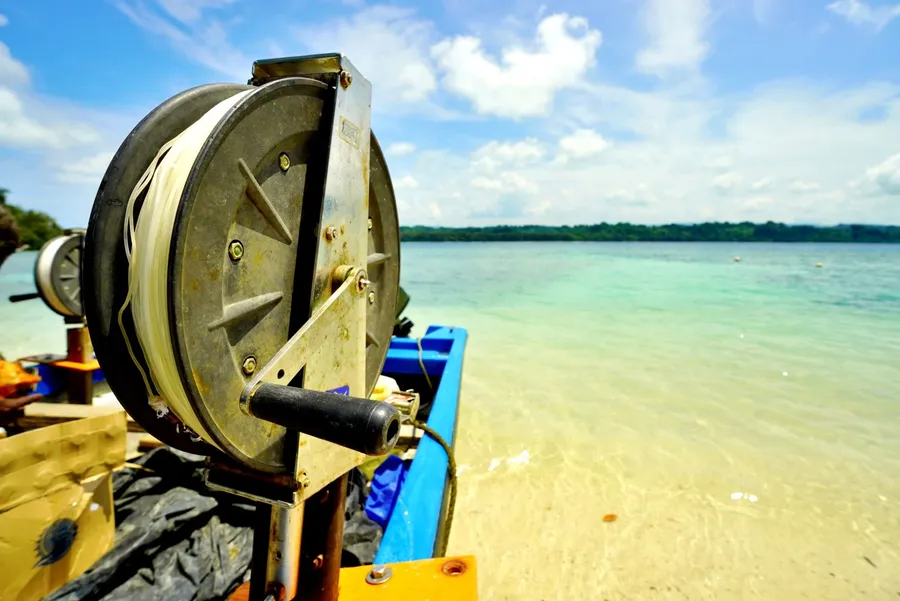
Fishing in Vanuatu is possible year-round, with warm tropical waters keeping many of the main game fish species active throughout the year. Marlin can be caught in any month, while favourites like giant trevally, dogtooth tuna, yellowfin tuna, mahimahi and wahoo are also generally available year-round.
That said, some months are better suited to particular target species:
- June to November: The cooler months are a strong time for blue marlin, with black marlin and striped marlin also more common during this period. Sailfish can also be targeted inshore when water temperatures cool.
- December to February: Warm, humid weather and often calmer conditions make this a good time for yellowfin tuna and marlin.
- March to May: Often considered one of the best overall periods for fishing in Vanuatu, when many species are easier to target. This is a particularly favourable time for wahoo and marlin, especially around Erromango.
Of course, fishing calendars are never a guarantee (fish have a rude habit of ignoring schedules), but Vanuatu’s year-round climate means there’s rarely a bad time to head out. For a fishing-focused trip, it’s worth choosing your dates around the species you most want to catch.
Fishing Techniques and Specialities
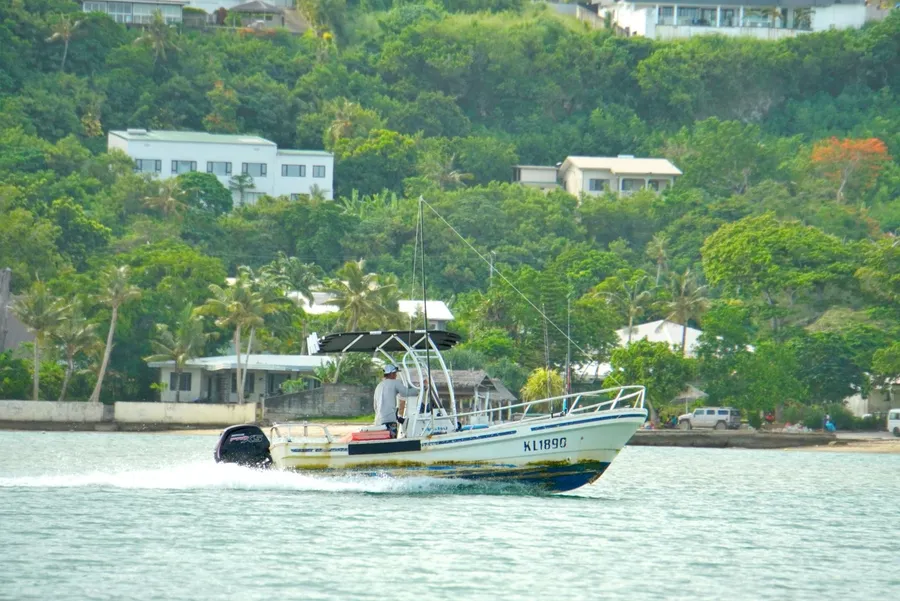
Fishing in Vanuatu is wonderfully varied, with charters covering everything from relaxed reef fishing to serious bluewater sportfishing. Around Port Vila, Efate, Espiritu Santo and the outer islands, trips can be tailored to different skill levels, whether you’re new to fishing or chasing something with a little more muscle.
Trolling
Trolling is one of the main techniques used for pelagic species such as yellowfin tuna, mahi mahi, wahoo and marlin. Some charters also use live bait trolling and downrigger fishing, especially when targeting larger fish around deeper water, offshore drop-offs and Fish Aggregating Devices.
Topwater Fishing
Topwater fishing is another big part of the Vanuatu experience, particularly for anglers after giant trevally and dogtooth tuna. This usually involves casting poppers or stick baits around reefs, bommies, ledges and underwater structures, so expect active fishing rather than simply sitting back and waiting for dinner to jump aboard.
Jigging
Jigging is popular for deeper structures and hard-fighting species, including dogtooth tuna, jobfish and snapper. Deep dropping is also available in some areas, with red ruby snapper, red barred snapper, cod and deep sea bream among the specialist deepwater targets.
Reef Fishing
For something gentler, light reef fishing is available around sheltered island waters and reef systems, where species such as coral trout, bream, red bass and other reef fish can be targeted. Some local-style trips keep things simple with traditional techniques, smaller boats and a more relaxed pace, making them a good option for travellers who want the fishing experience without a full-on sportfishing mission.
The main thing to know? Vanuatu fishing is often about quality over quantity. The catch rates might not always be non-stop, but the variety of techniques and the chance of hooking a trophy fish make it one of the South Pacific’s more exciting fishing destinations. For charter options, see the 10 Best Fishing Charters in Vanuatu.
Editor's Choice
Sailing Vanuatu
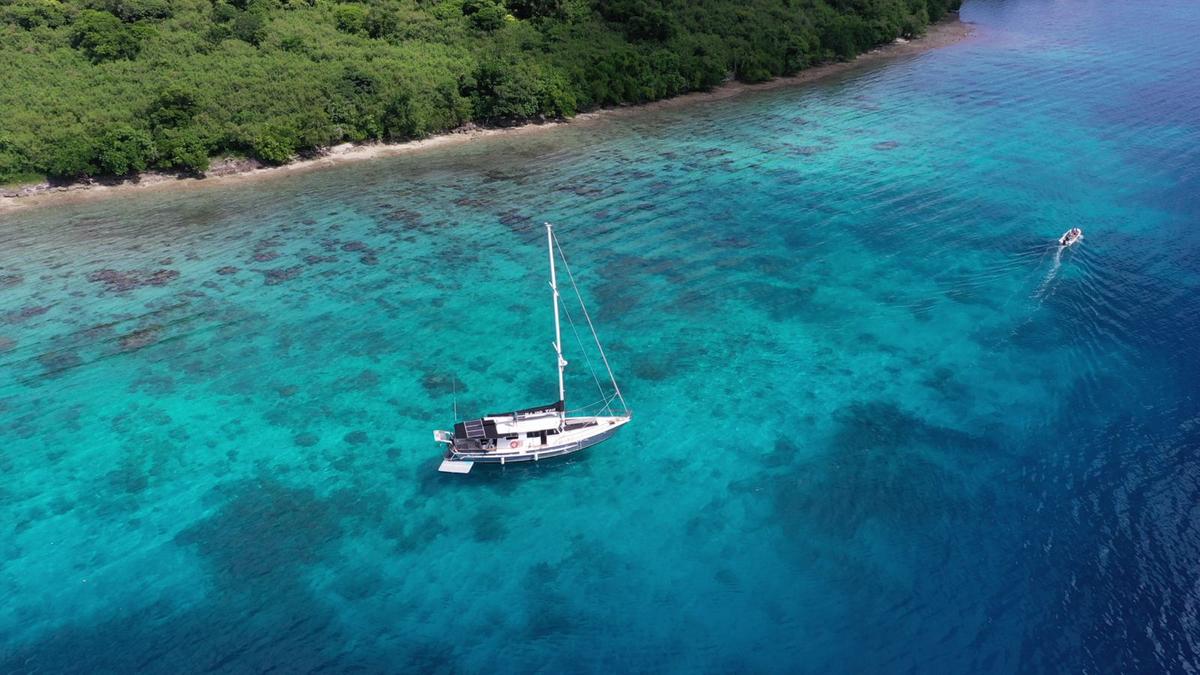
Spend a day out on the water aboard Major Tom, a 60ft custom-built sailing yacht operated by the team at Sailing Vanuatu. This all-inclusive day trip takes you along the coast for snorkelling over...
5 Best Fishing Lodges and Resorts in Vanuatu
You can absolutely base yourself anywhere and head out with one of the independent operators listed in the 10 Best Fishing Charters in Vanuatu. That works well if fishing is just one day of your trip.
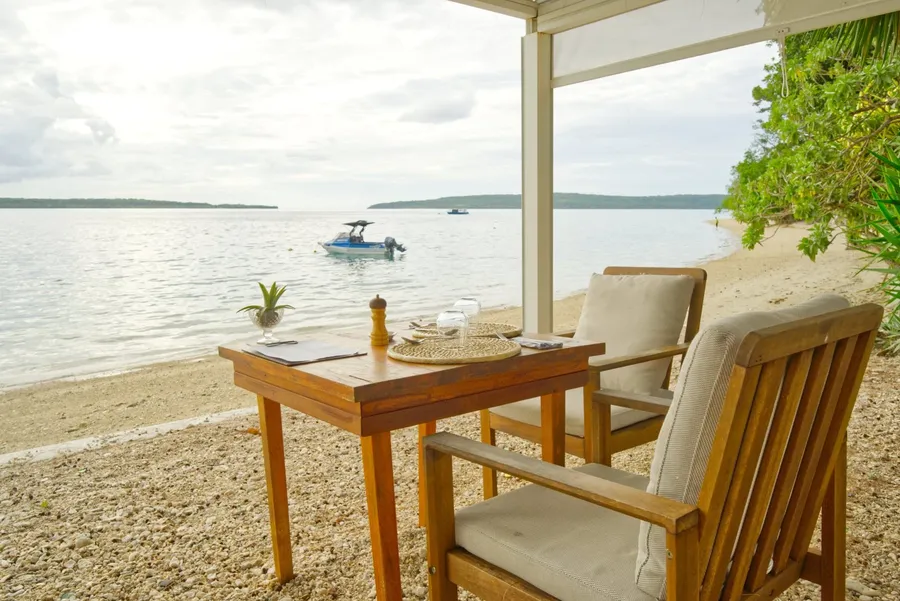
But if you want to make your whole holiday about fishing, it makes sense to stay somewhere that specialises in it or at least offers its own charter. That means less time organising transfers, more local knowledge close at hand and, ideally, a boat waiting not too far from your breakfast table.
1. Trees and Fishes Private Retreat (Port Vila & Efate)
Trees and Fishes Private Retreat, also connected with Ocean Blue Fishing Vanuatu, is one of the more fishing-focused stays near Port Vila. Originally set up as a private fishing retreat, it has been serving anglers for 25 years and is now opening more widely to the public while keeping fishing at the centre of the experience.
Accommodation options include garden rooms, beachfront rooms and upgraded glamping tents, giving anglers a more lodge-style base than a standard resort stay. It is especially appealing if you want the comfort of staying close to Port Vila while still having a property built around fishing culture, boat time and local knowledge.
2. Surunda Beach House (Espiritu Santo)
Surunda Beach House is also the base of Pacific Reef Fishing, which offers fishing packages that combine accommodation with guided sportfishing around Santo. Their seven-night package includes four full days of fishing, targeting species such as dogtooth tuna, giant trevally, yellowfin tuna, mahimahi and wahoo.
Accommodation is in a four-bedroom holiday home with a full kitchen, making it a practical base for fishing groups. Full-day trips run for 8 hours and half-day trips for 4 hours, with tackle, a qualified skipper, deckhand and transfers included. Better yet, prime dogtooth tuna and giant trevally grounds can be reached within 10 minutes of leaving the property.
3. Malog Bungalows (Malekula)
Malog Bungalows on the Maskelyne Islands is ideal for travellers who want fishing with a more traditional island feel. Set in a protected marine park environment, the surrounding waters offer traditional fishing, spearfishing and game fishing for larger sport fish in deeper areas, all guided by locals who know the reefs and fishing grounds.
The accommodation is simple and authentic, with four bungalows sleeping up to ten guests, each with running water and flush toilets. Meals are prepared around what guests want and what is fresh, including seafood, lobster, crab, local chicken, curry dishes, tropical fruit and home-baked bread. This is fishing with culture, community and proper island pace.
4. Aore Adventure Sports & Lodge (Aore Island, Santo)
Aore Adventure Sports & Lodge is best known for scuba diving, but it also offers its own fishing charters aboard “Full Boar”. Having a dedicated boat means guests are not relying on a third-party operator, with fishing trips run by a local team familiar with Santo’s waters and seasonal conditions.
Gear and tackle are supplied, although guests can bring their own equipment, and light refreshments are provided during trips. The lodge itself sits on 5 acres of waterfront land on Aore Island, with a private 200 m (656 ft) white-sand beach, snorkelling, kayaking, mountain bikes, WiFi and a self-contained kitchen. For divers and anglers, it can feel like your own private adventure base.
5. Le Life Resort (Port Vila & Efate)
Le Life Resort is not a dedicated fishing lodge, but it is a handy option for travellers who want fishing available alongside other island activities on Efate. The resort is better known for its bungalows, glamping stays and river kayaking experiences, but fishing charters are also part of its tour programme.
That makes it a good fit if only some of your group are keen to fish while everyone else wants a more varied holiday. You can mix time on the water with relaxed accommodation, kayaking and resort-based downtime, rather than building the whole trip around the rods and reels.
Fishing Licenses and Other Fishing Restrictions in Vanuatu
We can hardly conclude this guide to fishing in Vanuatu without mentioning the essential fishing restrictions that help protect the country’s reefs, marine life and local food sources.
Fishing in Vanuatu is regulated under the Vanuatu Fisheries Regulations 2009. For most visitors joining a licensed fishing charter, the practical side of licences is usually handled by the operator. If you are planning to fish independently, especially from a boat, around reefs or near a village, ask the Vanuatu Fisheries Department and the local community what permissions apply before casting a line.
Tabu Fishing Areas
Many coastal and reef areas in Vanuatu are protected under customary law. These are often known as tabu areas, where fishing, collecting shellfish or taking marine life may be restricted or completely prohibited.
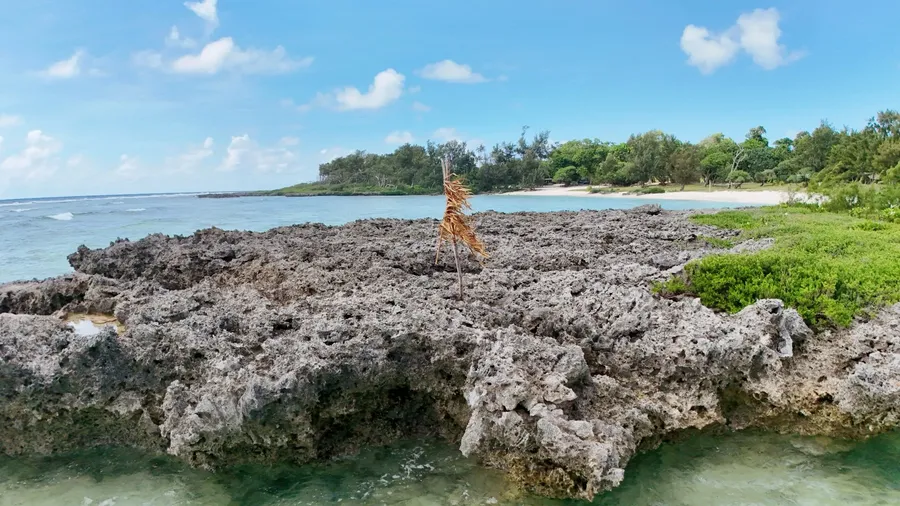
Tabu areas are not always marked with official signs. In many villages, they may be identified by a palm frond tied to a pole or standing upright near the coast. If you see one, take it seriously. When in doubt, ask the local village chief or community members for permission before fishing near a village, reef or beach.
Protected Species and Marine Life
Some species are protected or restricted in Vanuatu, either because they are culturally important, slow to reproduce or vulnerable to overharvesting.
Coconut crabs are protected by size limits, seasonal closures and restrictions on egg-bearing females. Egg-bearing coconut crabs must not be taken, sold or purchased, and coconut crabs with a carapace length of less than 9 cm (3.5 in) are also protected. There are also closed seasons in some areas, including Torba Province, Maewo and Erromango.
Lobsters are also regulated. Egg-bearing rock lobsters and slipper lobsters must not be taken, sold or purchased. Rock lobsters must be at least 22 cm (8.7 in) long, or have a carapace of at least 7.5 cm (3 in), while slipper lobsters must be at least 15 cm (5.9 in) long. Spearing lobsters or using sharp objects to catch them is prohibited.
Marine turtles are fully protected in Vanuatu. This includes leatherback turtles, hawksbill turtles and green turtles, as well as their shells, eggs, nests and hatchlings. Visitors should also avoid disturbing nesting turtles or buying turtle products.
Other protected or restricted marine life includes certain shells, corals, invertebrates and beche-de-mer. Turtles, dugongs, whales and dolphins should never be targeted or disturbed.
Diving, Spearfishing and Reef Collection
Fishing with scuba or other compressed-air diving equipment is restricted and generally requires written authorisation. Fishing in marine reserves is also prohibited unless special authorisation has been granted for research or breeding purposes.
Collecting living coral, invertebrates and ornamental marine species is also restricted, especially in marine reserves, tourist dive sites, community-protected areas and declared tabu areas.
Restaurant and Market Choices
Travellers can also help protect Vanuatu’s marine environment by making responsible food choices. If coconut crab or lobster appears on a menu, it is worth asking whether it has been legally sourced and is in season. One meal might feel like a small choice, but for slow-growing species like coconut crab, every crab counts.
In short, Vanuatu is an incredible fishing destination, but it is also a place where local customs and conservation rules matter. Ask permission, respect tabu areas, use licensed operators and follow local advice. The fish will still be there for the next angler, and that’s the whole point.
More About Fishing in Vanuatu
Well, that's everything we can think of that you might need to know about fishing in Vanuatu. Although we've pointed you in the direction of these additional guides already, here's a quick reminder of our other fishing content:
- 10 Best Fishing Charters in Vanuatu
- 30 Best Day Cruises & Island-Hopping Tours in Vanuatu
- 10 Most Luxurious Experiences in Vanuatu
Finally, discover more awesome experiences in the 101 Best Things to Do in Vanuatu: The Ultimate List.

%20CREDIT%20VanuatuPocketGuide.com-900x507.webp?v=2026-03-07T23%3A05%3A23.408Z)