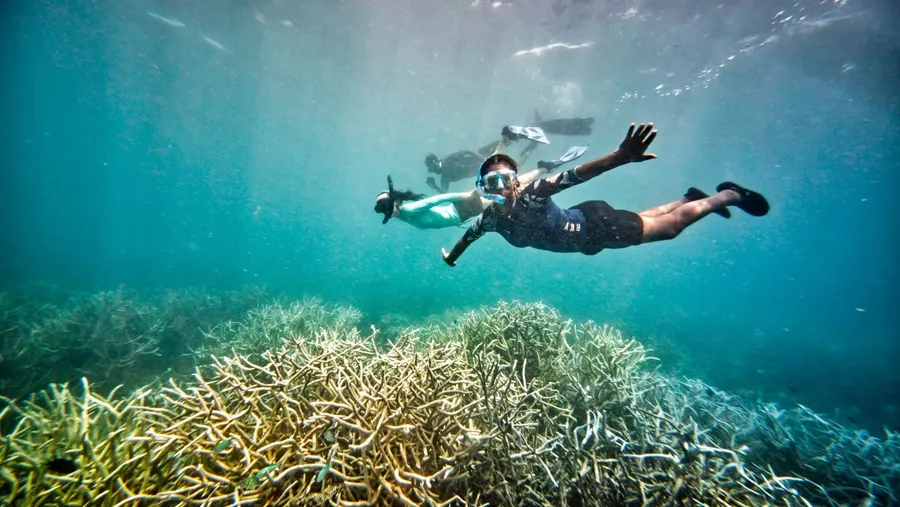

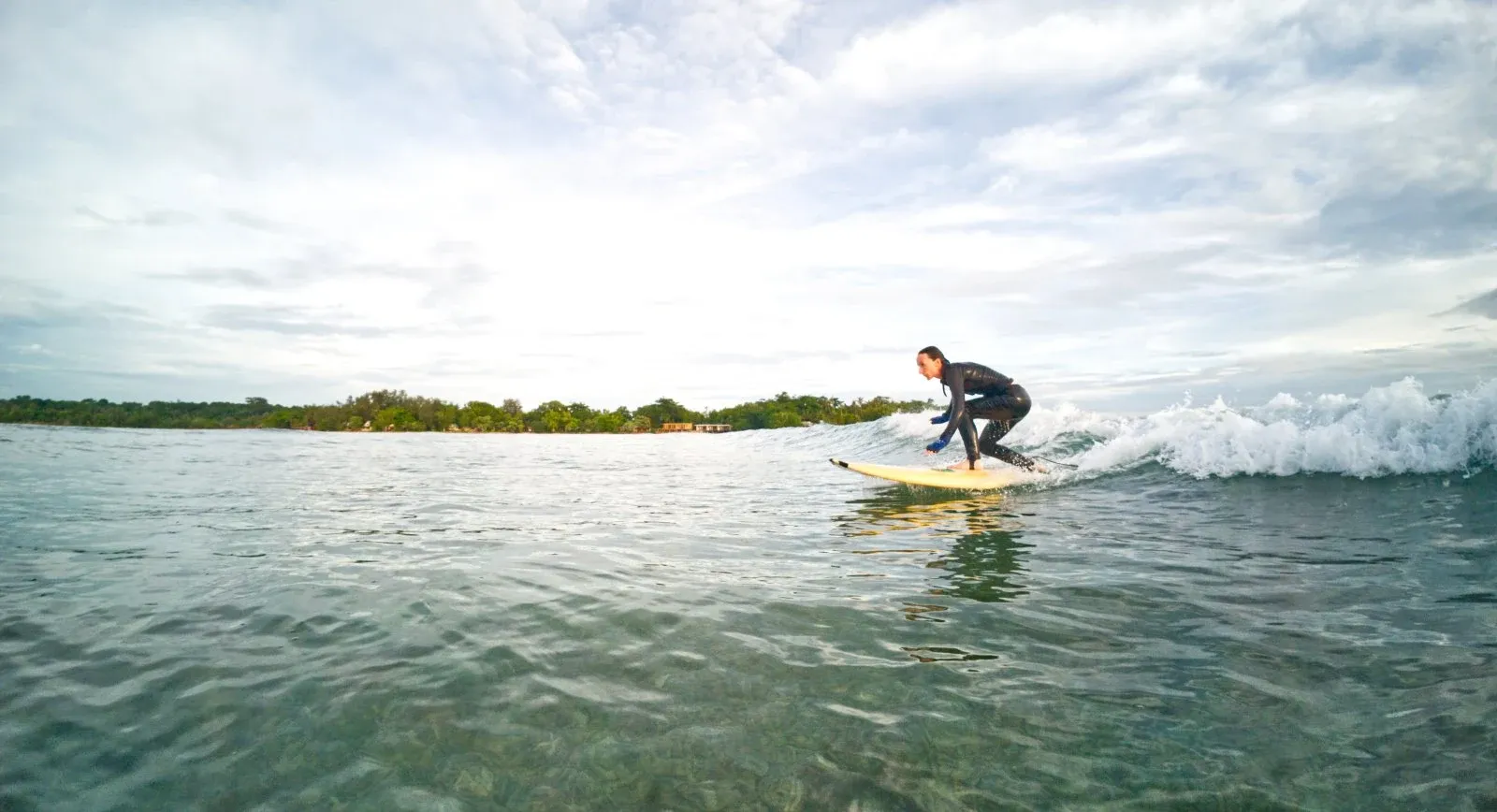
Everything You Need to Know About Surfing in Vanuatu
Vanuatu is one of the South Pacific's best-kept surfing secrets, though it faces unique geographical challenges that make it all the more intriguing for adventurous surfers. Situated east of Queensland, Australia and west of Fiji, Vanuatu would be the perfect surf destination if New Caledonia weren't located right below Vanuatu, blocking many of the main South Pacific swells.
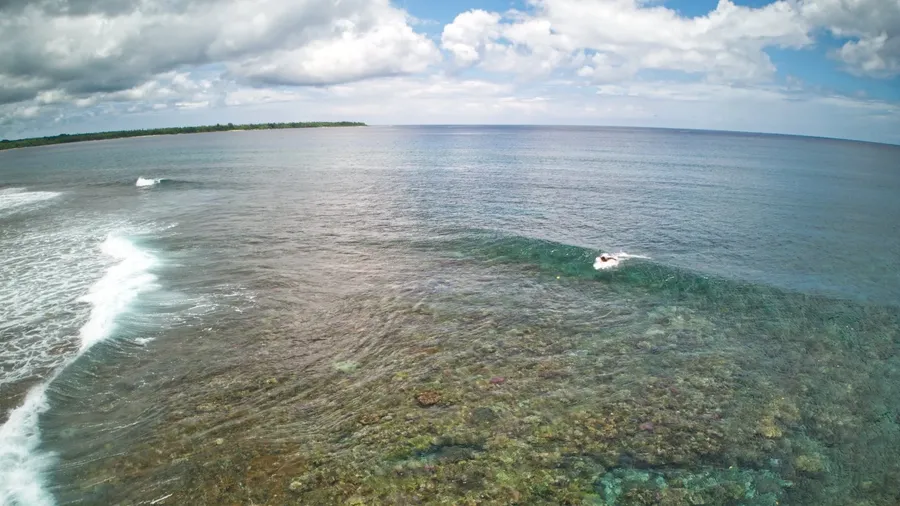
That being said, the islands of Vanuatu rise straight out of deep water, which means any swell that reaches Vanuatu tends to hit the reefs with full force.
As a result, there are a few established waves across Vanuatu's most populated islands, yet Vanuatu remains an uncrowded surf destination with just enough infrastructure to make your surf getaway relatively effortless.
So, plan the ultimate off-the-beaten-path surf adventure in the South Pacific with this guide to surfing in Vanuatu!
This article is based on real on-the-ground research, not on AI scraping old content from the internet. Learn how we use AI!
Table of Contents
5 Essential Tips for Surfing in Vanuatu
Before we jump into the guide, here are just a few quick tips and things you need to know about surfing in Vanuatu:
- Time your sessions early in the day - Tradewinds often pick up by late morning, especially during the dry season, so the best conditions are usually found at dawn with lighter winds and cleaner faces.
- Expect reef breaks and come prepared - Most of Vanuatu’s surf breaks are over fringing reef, meaning shallow entries, sharp coral and powerful waves when swell arrives. Reef booties and solid board control are strongly recommended.
- Be flexible and chase swell windows - Vanuatu does not receive consistent swell year-round due to New Caledonia blocking much of the South Pacific energy. When swell does arrive, it hits hard, so staying flexible with your travel plans pays off.
- Bring your own gear where possible - While Efate, Espiritu Santo and Tanna have limited surf infrastructure, options are still sparse compared to major surf destinations. Bringing your own board, fins and wax will give you far more freedom.
- Respect local communities and uncrowded line-ups - Surfing in Vanuatu remains low-key and uncrowded. Always be respectful around villages, take the time to connect with locals, and keep the line-up friendly and relaxed.
As long as you keep all of the above in mind, you're sure to have a blast surfing Vanuatu's amazing waves. For more general tips for visiting Vanuatu, make sure you also take a look at the 30 Tips for Travelling in Vanuatu.
When to Surf: The Best Seasons for Surfing in Vanuatu
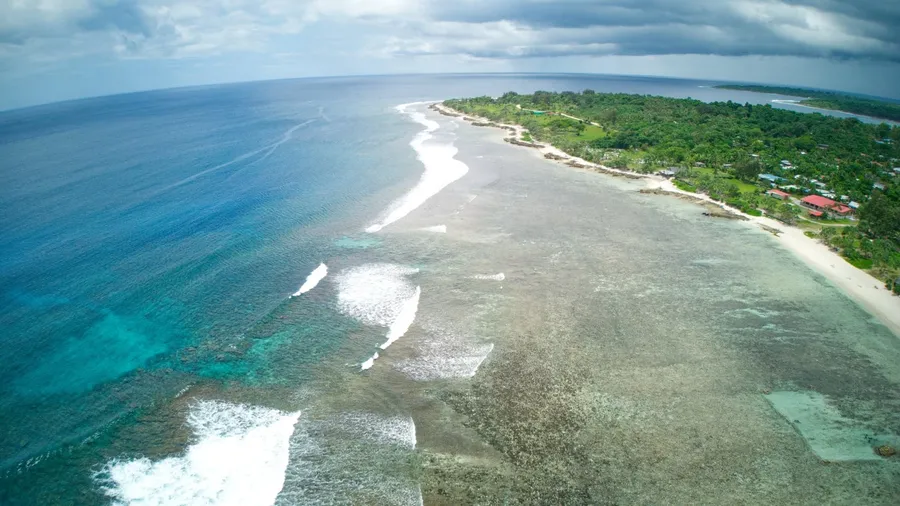
Vanuatu has two distinct seasons, the dry and the wet seasons, which each bring their own characteristics to the surf scene.
Dry Season
The dry season runs from May to October, although decent surfing conditions can extend from March to December, and is the most popular time for surfers to head to Vanuatu, not only because there's a lesser chance of rainfall compared to the wet season but because wave conditions tend to be slightly more consistent for Vanuatu's most popular surf spots.
Air temperatures can be anywhere between 24 and 29°C (75 and 84°F) and the water temperatures are at tropical temperatures of 28-29°C (82-84°F).
May to October is also Vanuatu's driest season, which means more sunny days and fewer rainy days (not that the rain provides too much reason to stop surfing).
One aspect of winter that does affect surfers, however, is the large south and southeast swells that sweep across Vanuatu. This is when Vanuatu experiences the most consistent surf waves rolling in.
On the downside, however, southeasterly tradewinds take over in the afternoons, which can spoil some of the waves. Usually, getting on it early still means you get some good surf in.
Wet Season
The wet season in Vanuatu runs from November to April, but it is often agreed that it's between February and April that brings the best wet season surf conditions with dwindling tradewinds combined with prevailing swells originating from the South Pacific.
Although swells are generally not as big as in the dry season, they still run high enough for most; head to overhead range. What's more, the swells from the south often open up the southern surf breaks of the islands.
As for the weather, the wet season in Vanuatu typically sees temperatures of 24-30°C (75-86°F) and sea temperatures of 29°C (84°F).
UV levels are high, giving you another reason (apart from the sharp coral and volcanic rocks) to wear your wetsuit. Unsurprisingly, rainfall is much more frequent during the wet season compared to the dry season.
So, When is the Best Time to Surf in Vanuatu?
Surfing in Vanuatu is beautifully unpredictable! You'll find fantastic waves throughout the year, but you'll also encounter those inevitable small-wave days that every surfer knows all too well.
Whilst the dry season typically delivers bigger swells, Vanuatu's breaks don't handle strong tradewinds particularly well, which can turn promising sessions into frustrating battles against choppy conditions.
From our experience, the sweet spot lies between January and July. During these months, you'll get the best of both worlds: decent swells combined with calmer tradewinds.
Where to Surf: Surf Breaks in Vanuatu
You'll find the most established surf breaks clustered around three main islands. Efate (home to the capital, Port Vila), Espiritu Santo and Tanna are where you'll want to base yourself if you're after consistent waves with a bit of comfort thrown in. These islands have got their surf infrastructure sorted, such as board hire shops, surf-friendly accommodations and boat transfers.
If you want to explore Vanuatu's other islands, just know you'll be going fully independent. That means bringing your own gear, sorting your own transport and being completely self-sufficient, but the reward could be finding your own slice of surfing paradise.
Surfing Around Espiritu Santo
The large mass of Espiritu Santo (you might as well start calling it Santo as it is known by literally everyone in Vanuatu), has some spots that a few locals ride, but it's extremely shadowed from east to southwest and relies on west to northeast swells for any action.
There are some black-sand beach breaks near Ipayato and Tasiriki in the southwest, both of which are accessible by the deep pot hole-riddled south coast road (4WD recommended).
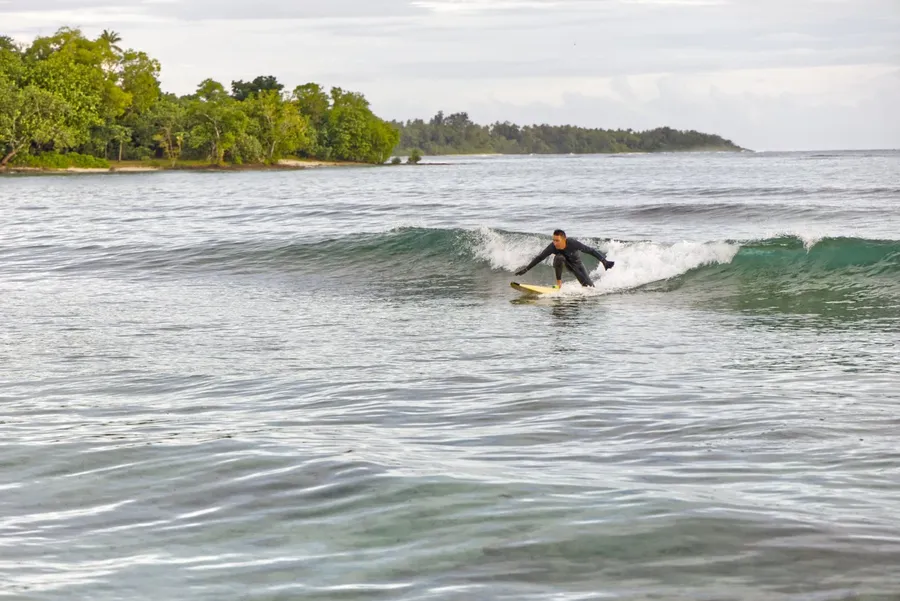
Tucked away on the northern tip of Dany Island off Santo's east coast lies a clean, consistent right-hand surf break. This reef break delivers an average 1.2 m (4 ft) waves with clean faces and excellent shape. It thrives on northerly swells, and though conditions vary day to day, the spot is known for its rideable consistency. You can either stay at the island's resort or visit on the Dany Island Day Trip.
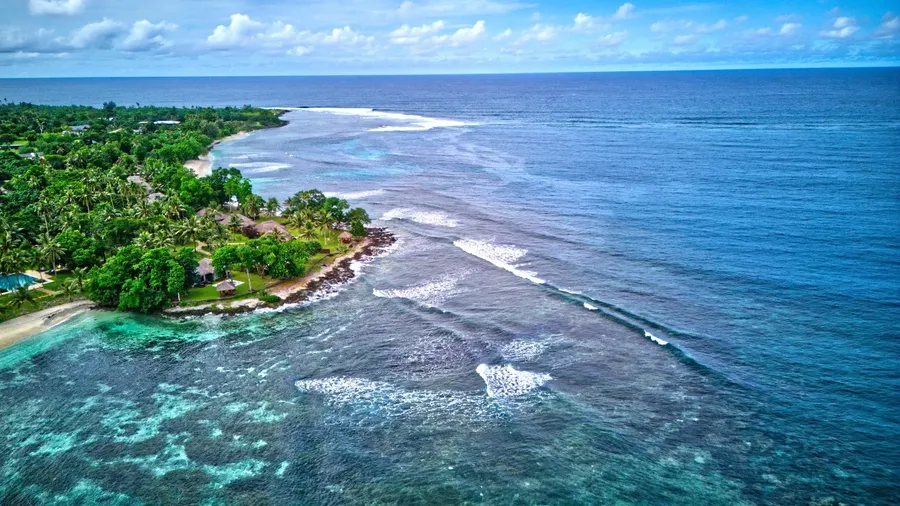
Surfing Around Efate
Efate has some brilliant surf spots that'll get you stoked on those early morning, high-tide barrels before the tradewinds kick in.
Here are some surf breaks worth investigating:
- Pango Point is an exposed reef break. Winter is best, with north-northeast offshore winds. Prefers south groundswells. Left-hand reef break is better. Best on rising high tide. Rarely crowded, but watch for coral.
- Pounders, also known as "Breakas", is an exposed reef break with consistent surf. Winter offers the best conditions with north winds. South swells work best. Best around high tide and rarely crowded. Take care of coral.
- Devils Point is an exposed point break. Winter provides optimal conditions with north-northeast offshore winds. Best swell direction from the south. Rarely crowded, but beware of coral and sharks. Consistent long right that's best at lower tides.
For those staying at Eratap Beach Resort, you'll have access to several excellent breaks:
- Island Rights ("The Island") requires a five-minute boat trip from the resort. Faces southeast, so blown out in strong trade winds. Best with 0.9-1.2 m (3-4 ft) south swells and light winds. Surf two to three hours either side of high tide.
- Restaurant Left handles trade winds best of all resort waves. Faces southwest with cross-shore trades. Best surfed two to three hours either side of high tide, though rideable at all tides when swells are clean and 0.9 m (3 ft) plus.
- Ulus sits atop the southern reef protecting Eratap. The resort's best wave on its day, handling the most swell. Fickle and needs clean, long-period swells with easterly direction. Surfable from 0.6-2.4 m (2-8 ft) in right conditions.
- Villa 8 Left breaks in front of the resort's Villas eight, nine and 10. Fun, short wave ideal for all levels. Only breaks with large swells at high tide. Never exceeds 0.9 m (3 ft) but is completely offshore in tradewinds.
Surfing Around Tanna
Tanna offers better surfing than Efate, picking up southwest swells from New Caledonia.
- Lenakel breaks on a shallow reef with heavy groundswells. Features friendly beachbreaks and serious left reefbreaks offshore in the trades.
- Port Resolution has a massive reef with right-handers into the bay. A path north of Ireupuow leads to premium breaks along 2.5 km (1.6 mi) of coastline to Yankaren Para, including a right point break.
- Finally, Anelghowhat on Aneityum overlooks some very promising left reefbreaks, including Mystery Island.
Ready to plan your surf adventure? From what we've experienced, the best approach is connecting with local knowledge and being flexible with your plans – when the conditions align in Vanuatu, the waves can be absolutely magical.
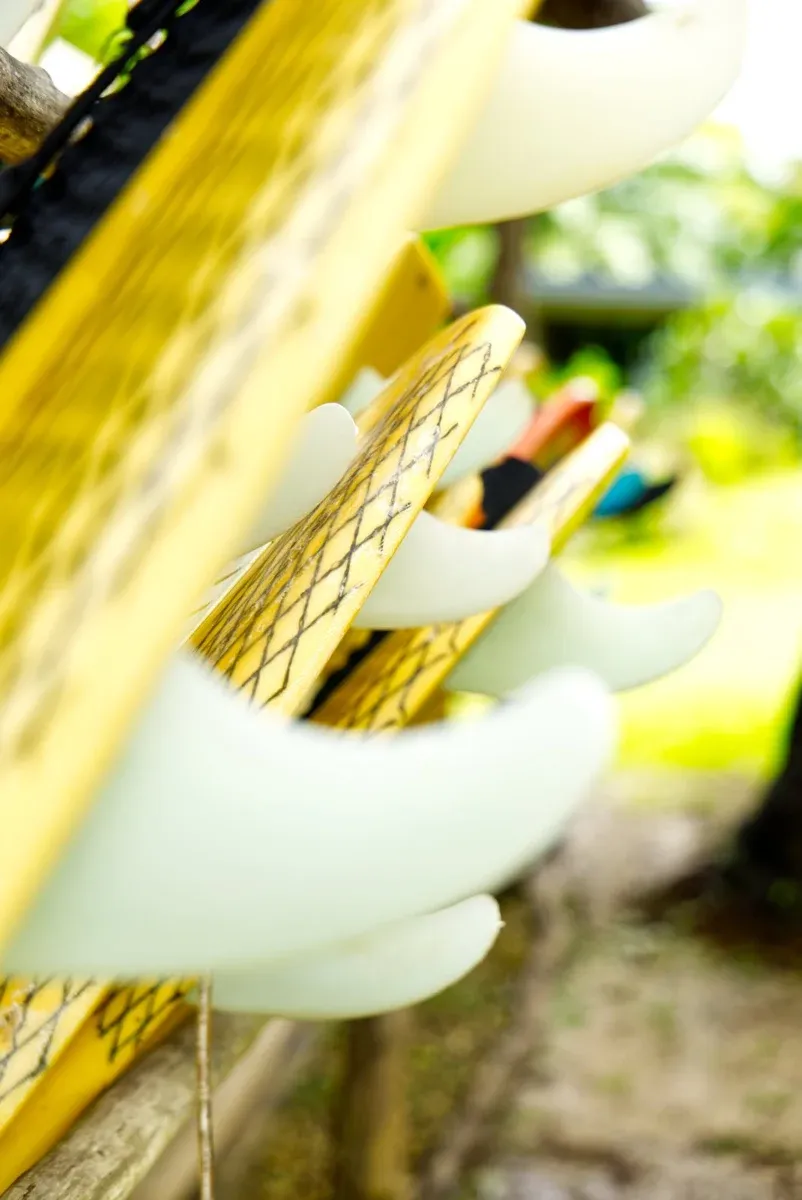
Surfboard Hire, Surf Shops and What to Pack
Whether you're a seasoned surfer looking to catch some waves or a beginner eager to learn, Vanuatu offers excellent options for surfboard hire, surf boats and more.
Vanuatu Kite and Surfing / Progressurf (Port Vila)
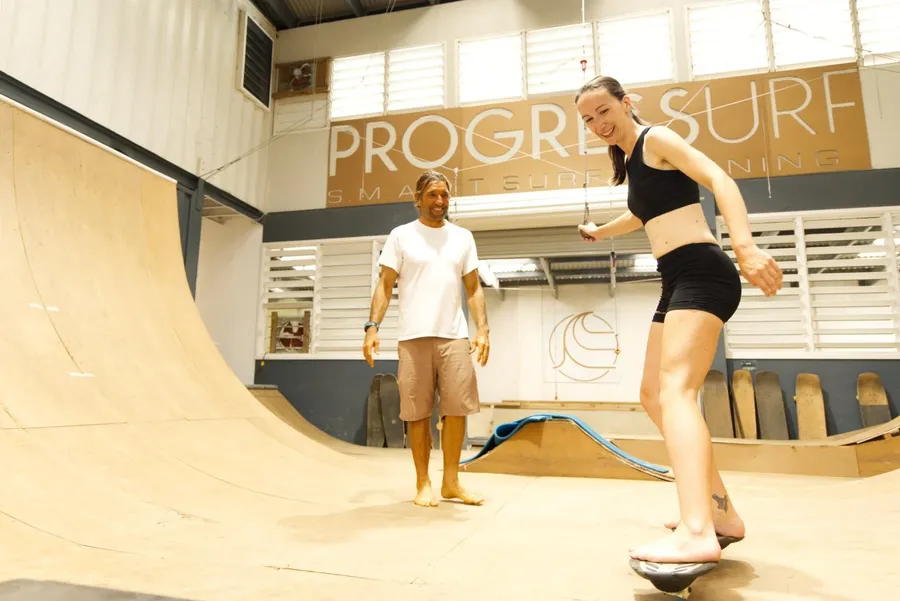
Vanuatu Kite and Surfing, also known as Progressurf, near Port Vila offers surf school and rentals for surfing, wing surfing, kite surfing, SUP and even skateboarding with ramps and halfpipes at their facility. Your coach, Thomas, who has been surfing Vanuatu's waters for more than 20 years, does kids' lessons, group lessons and personal coaching. Learn more about the surf school here in the "Surf Lessons in Vanuatu" section below.
Day and multi-day wetsuit, bootie and surfboard hire are available, and their preferred board brand is GIGA Surfboards. Their surfboards are designed in Vanuatu and produced all over the world for beginner to advanced surfers.
Located at Pango Beach on Pango Road near Port Vila, there are multi-day rates and also wetsuits and booties for hire.
Dany Island Resort (Espiritu Santo)
At Dany Island off the shores of Santo, surfboards are available for hire when available to access their right-hand surf break (see the "Where to Surf: Surf Breaks in Vanuatu" section above).
Access is exclusive to Dany Island guests or day-tour visitors. You can combine your surf session with snorkelling, kayaking or a chilled drink at their beach bar.
Eratap Beach Resort (Port Vila)
If you're planning to surf at Eratap Beach Resort, we recommend packing your own shortboard as the resort doesn't have these available for guests.
Don't worry if you're just starting out, though! The resort provides beginner-friendly boards in various sizes, along with mini-mals and bodyboards, which are perfect for those new to surfing or anyone looking for a more relaxed session in the water.
What's more, surf boats are complimentary for guests, as are most marine activities here, so you can get to the reef breaks without breaking a sweat.
What to Pack for Surfing in Vanuatu
- 1 all-rounder surfboard
- 1 fish or semi-gun surfboard
- 1 reef shoes/booties
- 1 or 2 rash vests (we like sustainable Sharkskin rashies)
- 2 bottles of reef-safe sunscreen (see our Best & Reef-Safe Sunscreens)
- Tropical wax
- Ding repair kit
- Extra fins
- Board bag
And for the rest of your Vanuatu packing list, take a look at What to Pack for Vanuatu: Vanuatu Packing List.
Surf Lessons in Vanuatu
Vanuatu might not be the surf mecca that some other South Pacific destinations boast. One thing Vanuatu does have above the rest is one of the most innovative surf schools we've seen.
Progressurf revolutionises surf education with their innovative training methodology, unlike anywhere else we've tried surfing lessons in the South Pacific (and we've tried heaps).
Instead of the typical 15-minute beach briefing followed by being pushed into waves, this comprehensive experience begins with an hour and a half in their specially designed training centre, kitted up with all sorts of equipment, from ripsticks to a halfpipe skate park. Don't worry, you won't be ripping the latter on your first lesson.
During the land-based session, you'll master body positioning, balance techniques and board mechanics using their patented training boards before entering the water. The complete lesson extends to four hours, timed around high tide for optimal conditions.
The real spice is how they teach on shortboards rather than longboards, ensuring you develop proper technique from the start. After mastering the fundamentals on land, you'll be transported by boat to a secluded surf spot with gentle, uncrowded waves perfect for putting your new skills into practice.
As mentioned in the guide above, Progressurf offers electric foil experiences, surfboard and paddleboard rentals, plus dormitory-style accommodation in a unique shipping container set-up for those wanting to stay close to the action.
With all that in mind, Vanuatu could, indeed, be the best place to learn to surf before taking your newfound skills across the Pacific (and the world, if you want).
Editor's Choice
Friendly Tours and Transfers
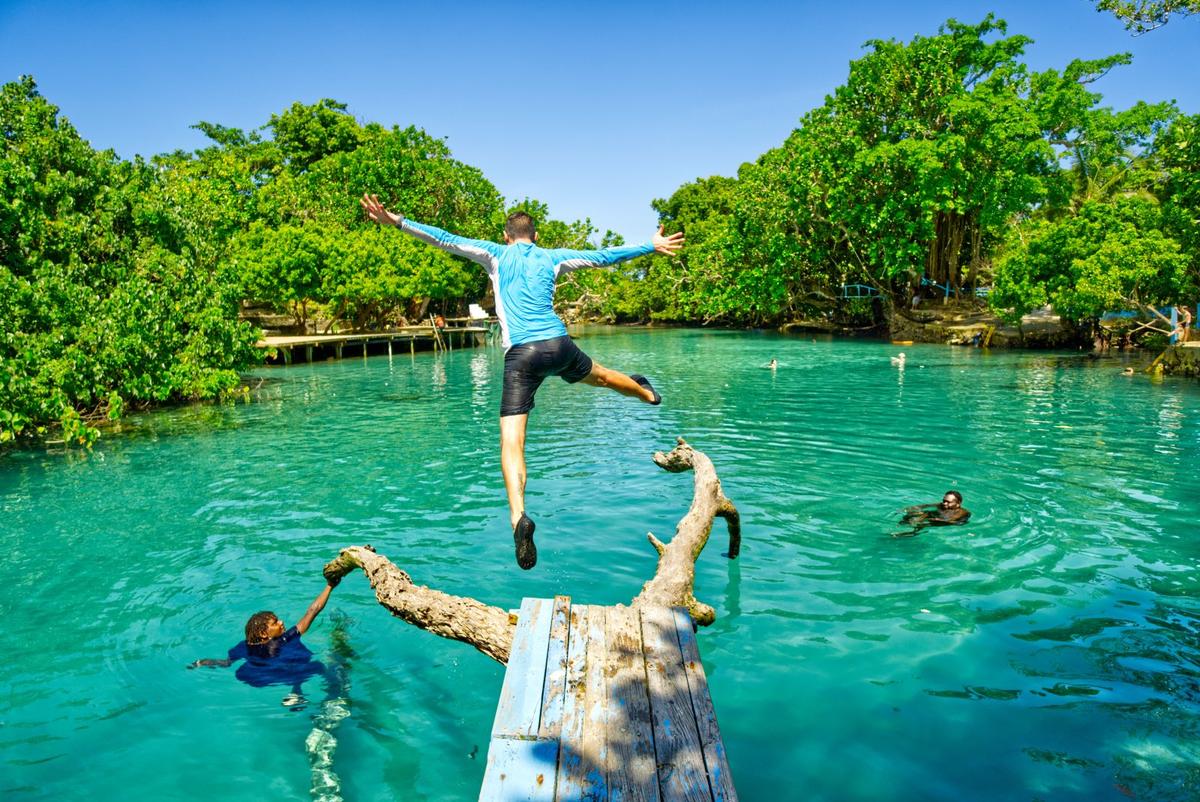
Get more out of your time in Vanuatu with our Half-Day Package Deals, each one combining a swim at the famous Blue Lagoon with a unique second stop, plus duty-free shopping and a browse through...
Travel Planning for Surfers in Vanauatu
Your options for surf accommodation, schools and transport options are not as extensive as destinations like Fiji but there's just enough to keep the waves accessible yet uncrowded. Here's what we've learned from our own experiences to help you plan the perfect surf getaway.
Where to Stay in Vanuatu for Surfers
Most surf-focused accommodation in Vanuatu centres around Efate and Santo, putting you within easy reach of the country's best breaks.
As mentioned, Eratap Beach Resort on Efate is hands down the best place for surfers to stay on the island. Board hire is available for beginners along with bodyboards, and it's easily accessible from Port Vila and Bauerfield International Airport. This comprehensive resort facility has breaks right in front of the property, plus boat transfers to reach further out breaks when you're ready to explore.
Waves at Surfside offers accommodation right at Efate's most accessible surf break, Breakas (also known as Pango Point). You'll find a series of villas with private pools, spacious three and four-bedroom beachside villas that are perfect for surf groups.
Another option here is Breakas Beach Resort, which offers a more comprehensive resort experience with an on-site restaurant and infinity pool if you want a bit more luxury between surf sessions.
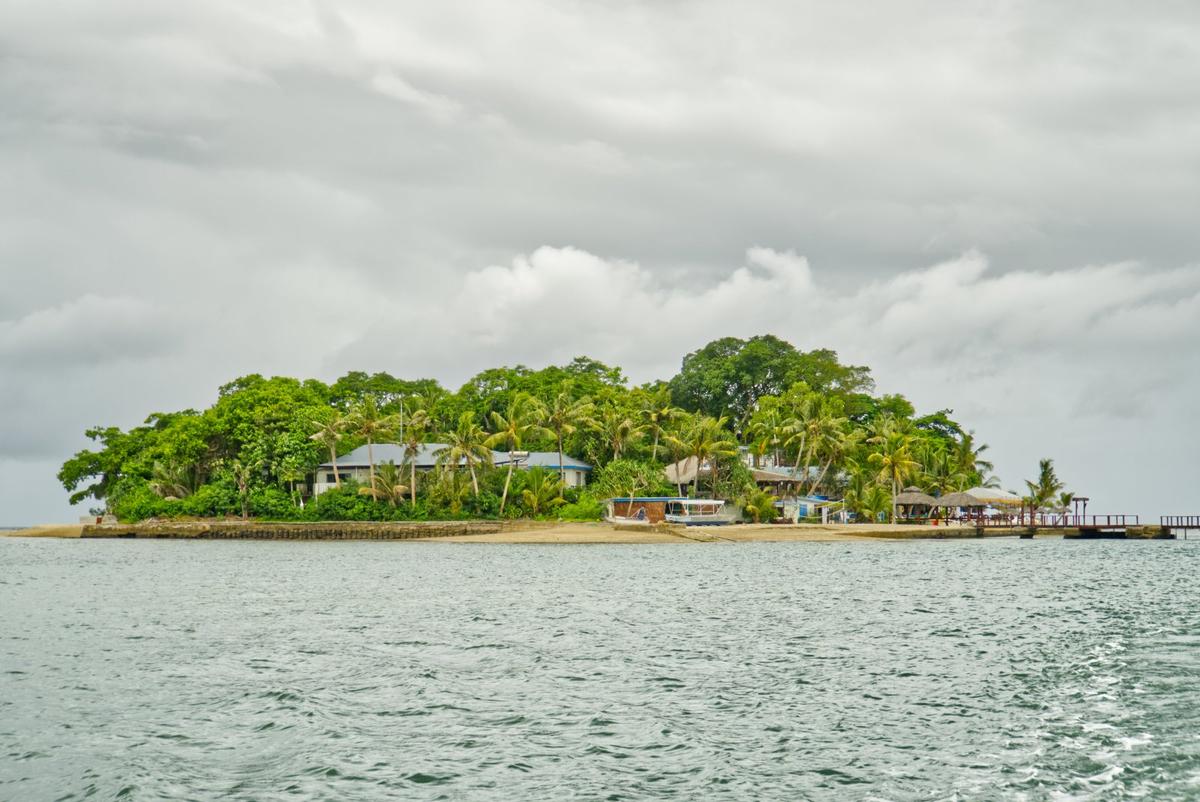
For something completely different, Dany Island Resort is a private island resort on Santo where you can hit their consistent right-hander. You can stay at the resort itself or arrange transfers and boat transfers if you're visiting on a day pass. Some boards are available, but they're limited, so bringing your own is recommended.
Vanuatu Surf School and Gear
Vanuatu also has a dedicated surf school, Vanuatu Kite & Surfing (Progressurf), conveniently located near the Breakas surf break just down the road. You can pick up gear rental and head down to the break, or take a lesson if you're looking to improve your technique.
How to Get Around Vanuatu
Getting around Vanuatu with your surfboard requires a bit more planning than some Pacific destinations. On Efate and Santo, car rentals are your best option for reaching the various surf breaks around the island.
Island hopping between Efate, Santo and Tanna typically involves domestic flights, and airlines do accommodate surfboards for an additional fee. Ferry services also operate between islands, though schedules can be less predictable.
For detailed transport information, check out our Vanuatu Transport Guide: Best Ways to Get Around.
More About Surfing in Vanuatu
That's it for our ultimate guide to surfing in Vanuatu! Although we've hit many of these links already in this Vanuatu surf guide, here's a quick reminder of some tips you might be interested in:
Finally, when you're not surfing, make sure you tick some of these off the 101 Best Things to Do in Vanuatu: The Ultimate List.

%20CREDIT%20VanuatuPocketGuide.com-900x507.webp?v=2026-03-07T23%3A05%3A23.408Z)